You add a £220 cycling clothing jersey to your cart, and the checkout page says almost nothing about where it was sewn. This investigation sets out to close that gap between the price tag and the paper trail. Rapha produces its clothing across a shifting mix of hubs in Vietnam, China, and Portugal, with each handling different parts of the lineup for different reasons. We dug into Rapha's own disclosures, cross-referenced supplier databases, and pulled apart what separates a Pro Team garment from a Core-line basic on the factory floor. If you've wondered whether your money bought craftsmanship or branding, the breakdown ahead gives you the receipts.
Rapha Cycling Clothing Is Mainly Made in Vietnam, China, and Portugal
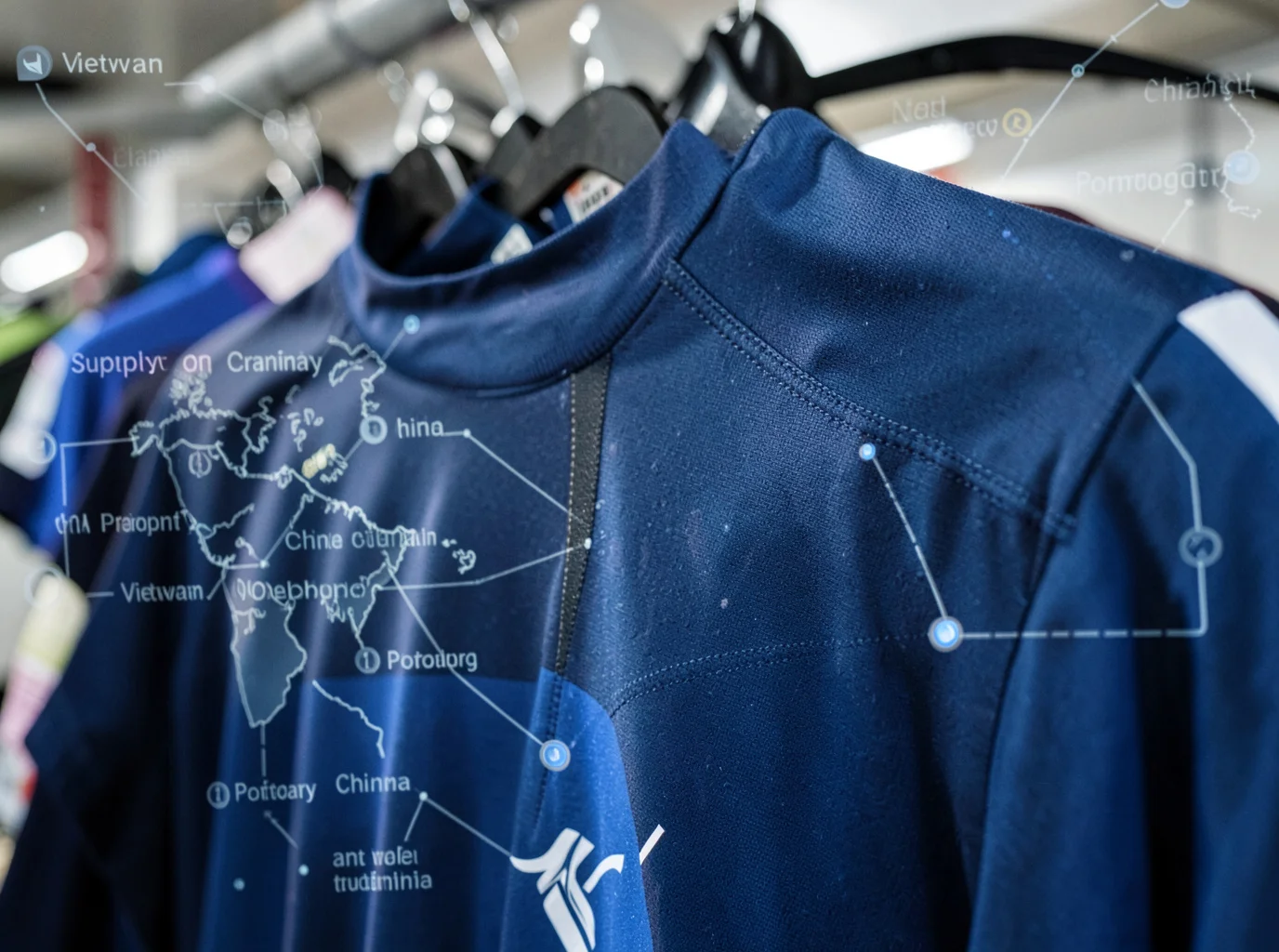
Rapha's own disclosures show that Tier 1 finished-goods assembly takes place almost entirely in Vietnam, China, and Portugal. Together, these three countries account for 85.95% to 89.42% of all finished-product assembly, depending on the reporting period.
The breakdown shifts slightly year to year:
Latest figures: Vietnam 46.42%, China 22.68%, Portugal 16.85%
2022 impact report: Vietnam 45%, China 32%, Portugal 12%
Earlier reporting: Vietnam 45.19%, China 32.35%, Portugal 11.88%
Vietnam consistently holds the top spot as Rapha's primary production base, with China in second place and Portugal rounding out the group. For sourcing analysis or competitor benchmarking, a working range of 45–46% Vietnam, 23–32% China, and 12–17% Portugal gives an accurate picture.
Assembly tells only part of the story. The raw materials (yarn, zippers, and trims) often originate elsewhere. Rapha lists Taiwan, China, and Italy as its main Tier 2 sources for textiles and components, meaning a jersey stitched in Vietnam might use Italian-milled fabric paired with Taiwanese hardware.
Scale matters too. Rapha works with 27 to 31 Tier 1 suppliers across 33 to 44 supplier-owned facilities in 15 to 17 countries. That is a sprawling network for a brand many assume runs a tighter operation. Rapha also flags Vietnam and China as its highest labor-risk zones—a detail worth keeping in mind before examining supply chain ethics.
Rapha Pro Team, Core, and Other Product Lines Do Not Have One Fixed Factory
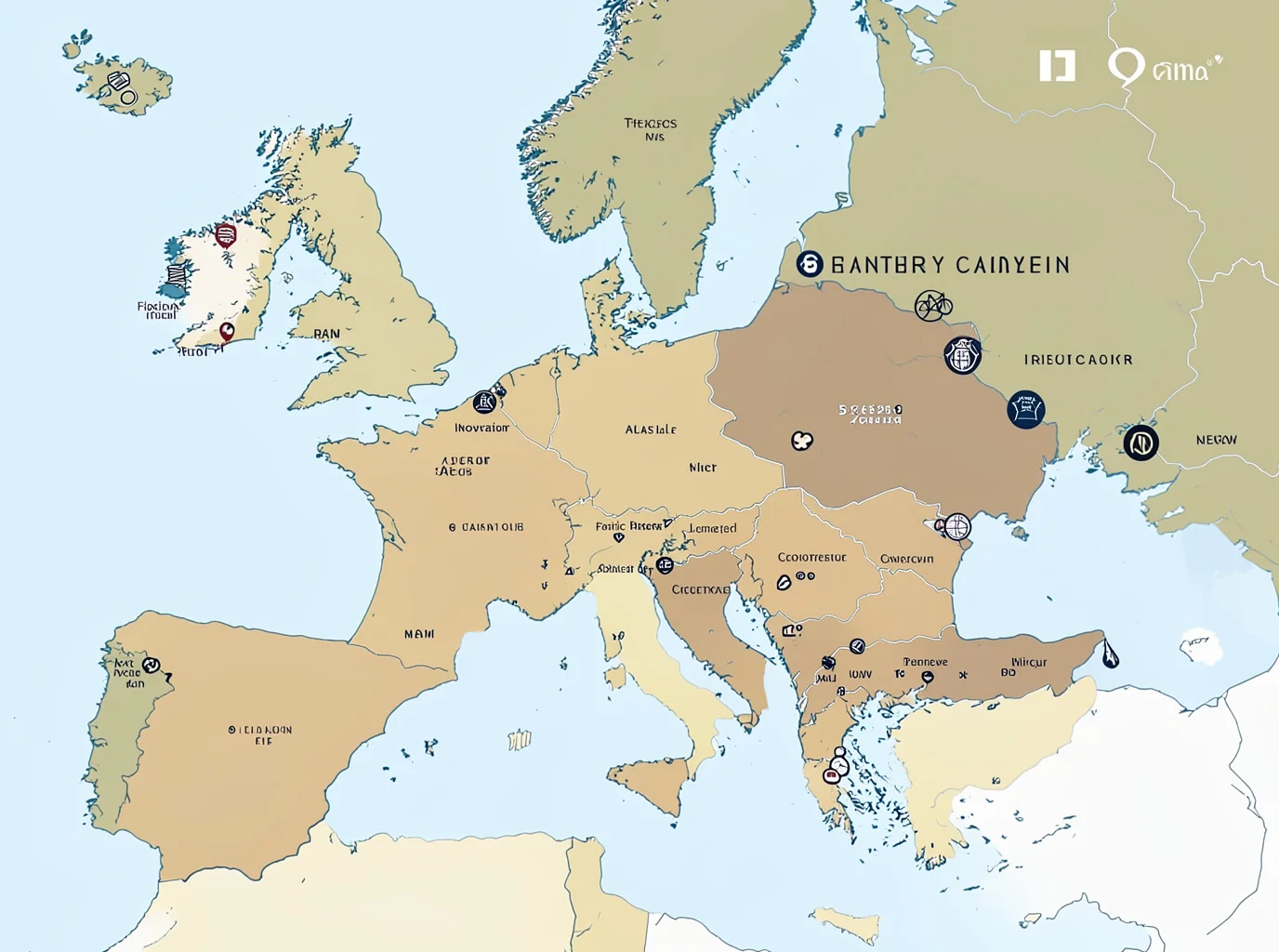
Pull a Pro Team bib and a Core jersey off the rack, and you are looking at separate supply chains built in different factories. In 2024, Rapha worked with 27 tier-1 suppliers running 33 facilities across 15 countries, along with 129 tier-2 material suppliers across 19 countries. That footprint stretches well beyond Vietnam, China, and Portugal into Italy, Romania, Spain, Taiwan, South Korea, Indonesia, Cambodia, the Philippines, the UK, the USA, Germany, and Hong Kong.
By production-spend share, 2024 broke down like this:
Taiwan: 36.7% of tier-1 volume spend
China: 22.68%
Portugal: 16.85%
Italy: 2.8%
Pro Team leans European and specialist, with premium bibs made in Italy and jerseys sewn in Portugal. Core spreads its "durable daily-training" fabrics across Asian and European plants with no single home base. Brevet, accessories, outerwear, and saddles each rely on separate cycling apparel OEM/ODM manufacturing partners. Saddles are handmade in Italy, while chamois sourcing points to Lithuania.
Seeing a "Made in Italy" tag on one jersey and "Made in Vietnam" on another within the same collection is how the system is designed to work. Check labels item by item, not by collection.
Rapha’s Public Factory Information Comes Through Open Supply Hub
Past the lookbook, Rapha's supply chain records live in a searchable database called Open Supply Hub. Rapha started publishing its Tier 1 factory list there in 2022, following a 2021 disclosure through the Open Apparel Registry, which later rebranded to Open Supply Hub.
The platform operates as a practical reporting tool. Search by factory name, country, or city, and you get location data cross-referenced against Rapha's corporate totals.
What the disclosure covers:
Tier 1 factory-level sourcing, searchable by name and country
Stated goals for human-rights due diligence, worker-risk mapping, and stakeholder engagement
A living-wage commitment for every worker across Tier 1 assembly sites
The numbers shift by reporting year. An earlier disclosure cycle listed 31 Tier 1 suppliers, 44 supplier-owned facilities, and 22 subcontractor facilities across 17 countries. That footprint is broader than the 2024 figures because subcontractors were counted separately. That inconsistency matters if you are building a sourcing comparison rather than taking a single year's snapshot at face value.
Vietnam, China, and Portugal Serve Different Roles in Rapha’s Supply Chain
Each country handles a distinct job, and the topline percentages alone will not show that. You have to look at what happens inside the factory walls.
Vietnam serves as Rapha's primary assembly base rather than a fabric source. The country handles the bulk of finished-goods sewing, while Tier 2 material production linked to Vietnam accounts for only 0.8% of material volume by kilograms. Vietnamese facilities assemble the garments; they do not produce the textiles. Rapha gives Vietnam a vulnerability score of 43.9, placing it in medium-risk territory alongside China.
China splits its work between garment assembly and raw sourcing. Beyond finished goods, Chinese suppliers provide 24.1% of Tier 2 material volume by weight, second only to Taiwan in Rapha's upstream supply network. Public product labels show Rapha jerseys and other apparel carry "Made in China" tags, though the exact mix shifts across product lines and seasons. China's vulnerability score is 45.5, the highest among the three countries. Many of these mills also work as a custom cycling apparel fabric supplier for brands sourcing performance textiles abroad.
Portugal sits in a separate risk tier. Its vulnerability score is 6.2, far lower than Vietnam or China. Rapha treats Portugal as a low sourcing risk, using its facilities for demanding pieces like jerseys and outerwear that require tighter quality control.
Country | Tier 1 spend share | Material-volume role | Vulnerability score | Risk tier |
|---|---|---|---|---|
Vietnam | 46.42% | 0.8% | 43.9 | Medium |
China | 22.68% | 24.1% | 45.5 | Medium |
Portugal | 16.85% | Not disclosed | 6.2 | Low |
Together, these three countries account for 85.95% of Rapha's Tier 1 spend, but their operations are not interchangeable. Vietnam supplies assembly capacity, China provides both manufacturing and raw materials, and Portugal delivers technical precision with lower social-risk exposure.
Rapha’s Factory Audits and Labor Standards Provide the Main Ethical Check
A signature on a code of conduct doesn't mean much on its own. What matters is what happens after the ink dries. Every tier-1 supplier, nominated supplier, local-source supplier, and subcontractor—such as a cycling bib shorts manufacturer —signs Rapha's Supplier Code of Conduct during onboarding and renews it each year. Built on the Ethical Trading Initiative (ETI) Base Code and ILO conventions, the agreement covers anti-bribery, discrimination, working hours, freedom of association, child labor, and forced labor.
For verification, suppliers complete an annual Higg Facility Social and Labor Module (FSLM) self-assessment, followed by an announced check—a vFSLM—conducted by third-party auditor Elevate. For the 2026 production seasons, 13 tier-1 facilities reported through Higg FSLM, accounting for 91.24% of Rapha's production volume.
When audits flag critical issues, Rapha logs them in a Critical Action Plan. The company tracks remediation over the following year and exits suppliers if problems persist. Brand staff also walk the factory floors themselves, pairing the paperwork with firsthand observation.
Cotton and Wool Get Extra Scrutiny
Rapha prohibits cotton from regions where auditing is impossible, specifically naming Xinjiang over forced-labor risk. Wool sourcing goes further, tracking social and environmental risk from tier 1 through tier 4, with third-party audit rights at any stage. Risk mapping, started in 2019, covers both assembly (tier 1) and material production (tier 2).
Rapha’s Tier 2 Materials Come From a Wider Network Than Its Garment Factories
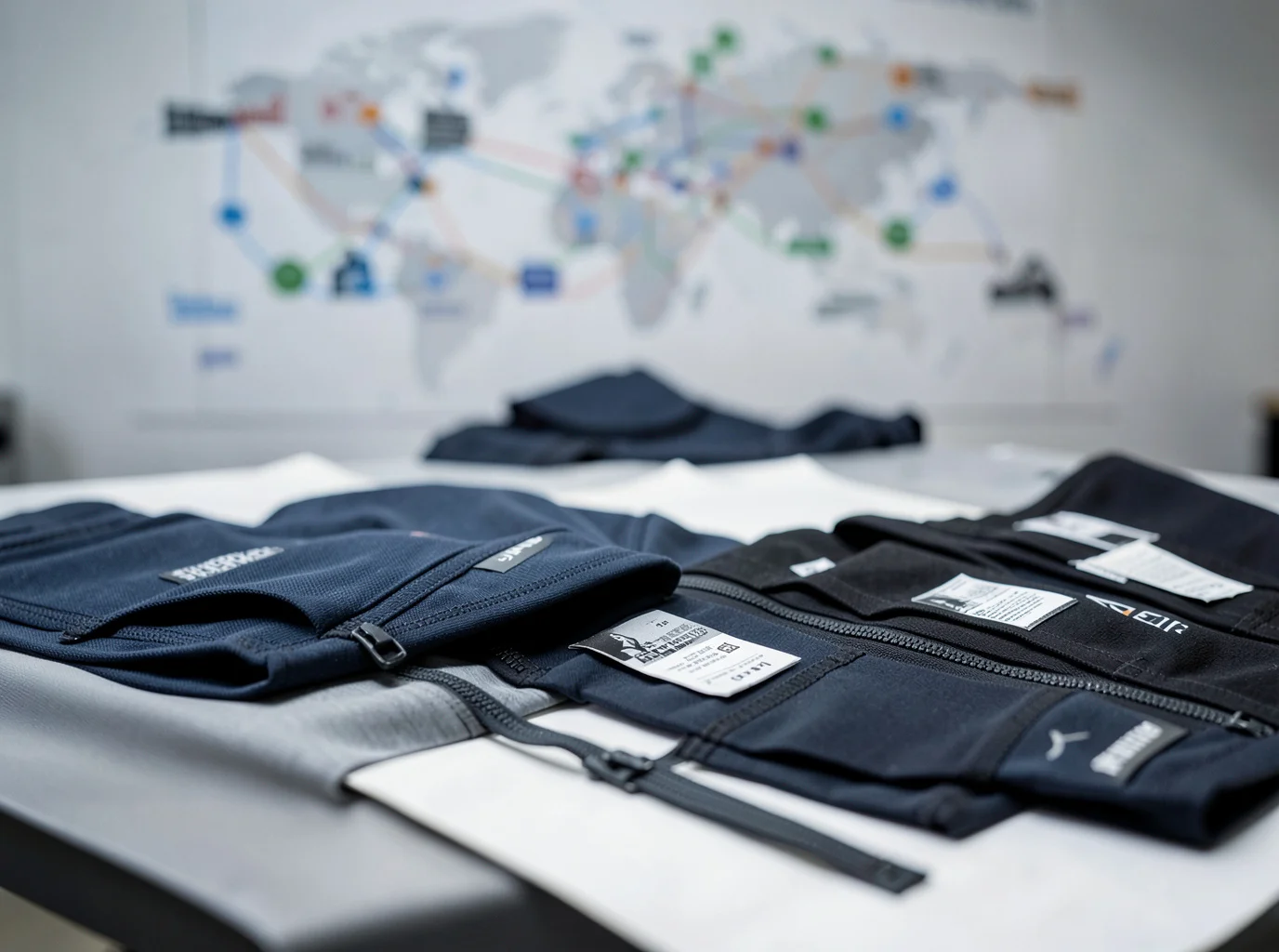
Fabric mills tell a different story than garment factories. Rapha separates Tier 1 sewing floors from Tier 2 mills and component makers that supply yarn, zippers, labels, and trims. One disclosure cycle listed 118 Tier 2 textile and component suppliers across 10 countries: Canada, China, Italy, Japan, Poland, Spain, Switzerland, Taiwan, Thailand, and Vietnam. A later report pushed that count to 129 suppliers across 19 countries, adding Australia, Denmark, France, Germany, Hong Kong, Portugal, South Korea, the UK, and the US.
Facility counts run even higher than supplier counts. One disclosure showed 97 nominated Tier 2 suppliers operating through 179 facilities in 18 countries; another listed 96 suppliers across 129 facilities in 15 countries. Taiwan, China, and Italy remain the main material-production hubs. Brands sourcing through a cycling apparel fabric manufacturer can trace these origins directly.
Why the Count Keeps Growing
Garment factories don't buy materials from a single source. A Vietnamese assembly plant might pull fabric from one mill, zippers from another, and labels from a third—all independent Tier 2 suppliers. Rapha also tracks the subcontractors and local suppliers feeding each Tier 1 factory, which is why the material network quickly outgrows anything visible on a garment-factory list, as seen with any cycling shorts manufacturer managing similar multi-tier sourcing.
Country of Manufacture Does Not Predict Rapha’s Riding Performance by Itself
A factory stamp tells you where a garment was stitched, but reveals nothing about how it rides. I've handled enough kit on group rides to know that labels like "Made in Vietnam" or "Made in Portugal" serve as logistics notes rather than quality ratings.
Rapha's 2022 supply data shows Vietnam produced 45%, China 32%, and Portugal 12%, with smaller shares in Indonesia (3%), Italy (2%), Sweden (2%), the UK (1.45%), Romania (0.93%), Japan (0.66%), and the USA (0.42%). Because of that distribution, two jerseys from the same collection can carry different origin tags yet perform identically, while others feel completely different on the road.
Take the Pro Team Training Jersey. The front body uses 87% recycled polyester and 13% elastane, milled in Italy for stretch and fit. The back is 100% recycled polyester for airflow. That specific fabric pairing dictates ride quality far more than whichever country assembled the seams.
What Actually Predicts Performance
Fabric composition and stretch recovery
Panel placement and ventilation zones
Seam construction quality
Chamois design on shorts
Fit architecture by individual model rather than collection
Washing durability over real mileage
Rider feedback reflects that gap. One review scored the PRO Team line 5/5 for materials and design, while the standard line received much lower ratings despite sharing the brand's supply network. Some riders log four years of hard use out of their kit, while others report shorts wearing thin within a single season.
Rely on spec sheets when choosing gear. Country of origin belongs in your traceability notes, while fabric, cut, and construction determine how the kit rides.
What a $200–$299 Rapha Garment Price Actually Pays For
Price tags on a rack tell a quieter story than country-of-origin labels. Pull five Pro Team pieces off the shelf and you'll find the Pro Team Jersey II at $210, the Lightweight Long Sleeve Jersey III at $200, the Midweight Long Sleeve Jersey II at $260, the USA Pro Team Aero Jersey at $280, and the Thermal Jacket at $290. None of these numbers come with a published bill of materials. Rapha doesn't break down labor cost, factory margin, or wholesale markup on any listing. For brands scouting this cost structure, a custom cycling jersey manufacturer can itemize those line items individually.
The spec sheets confirm aerodynamic, close-cut patterning built for racing, silicone hem grippers that stay put at speed, reinforced rear pockets, and moisture-wicking fabric tuned to specific temperature bands. The $260 midweight jersey targets 28–41°F riding. The $290 thermal jacket is built strictly for cold weather.
The Core Comparison That Matters
Set Pro Team against the $110 Core Jersey, and the premium runs 1.8 to 2.6 times higher. Core uses 100% recycled polyester, while Pro Team listings never state an equivalent recycled-content figure. That gap alone complicates any assumption that higher price means greener materials or tighter Rapha quality control process standards.
The extra $70–$180 covers race-fit engineering, aerodynamic surface treatment, athlete testing, and premium finishing, plus marketing overhead. It does not confirm domestic sewing, factory certification, or superior fiber durability. For commuting or casual training, the $110–$130 Core range remains the rational benchmark. For racing and sub-freezing descents, Pro Team's premium has a harder case.
How to Verify the Origin and Supply Chain of a Specific Rapha Garment
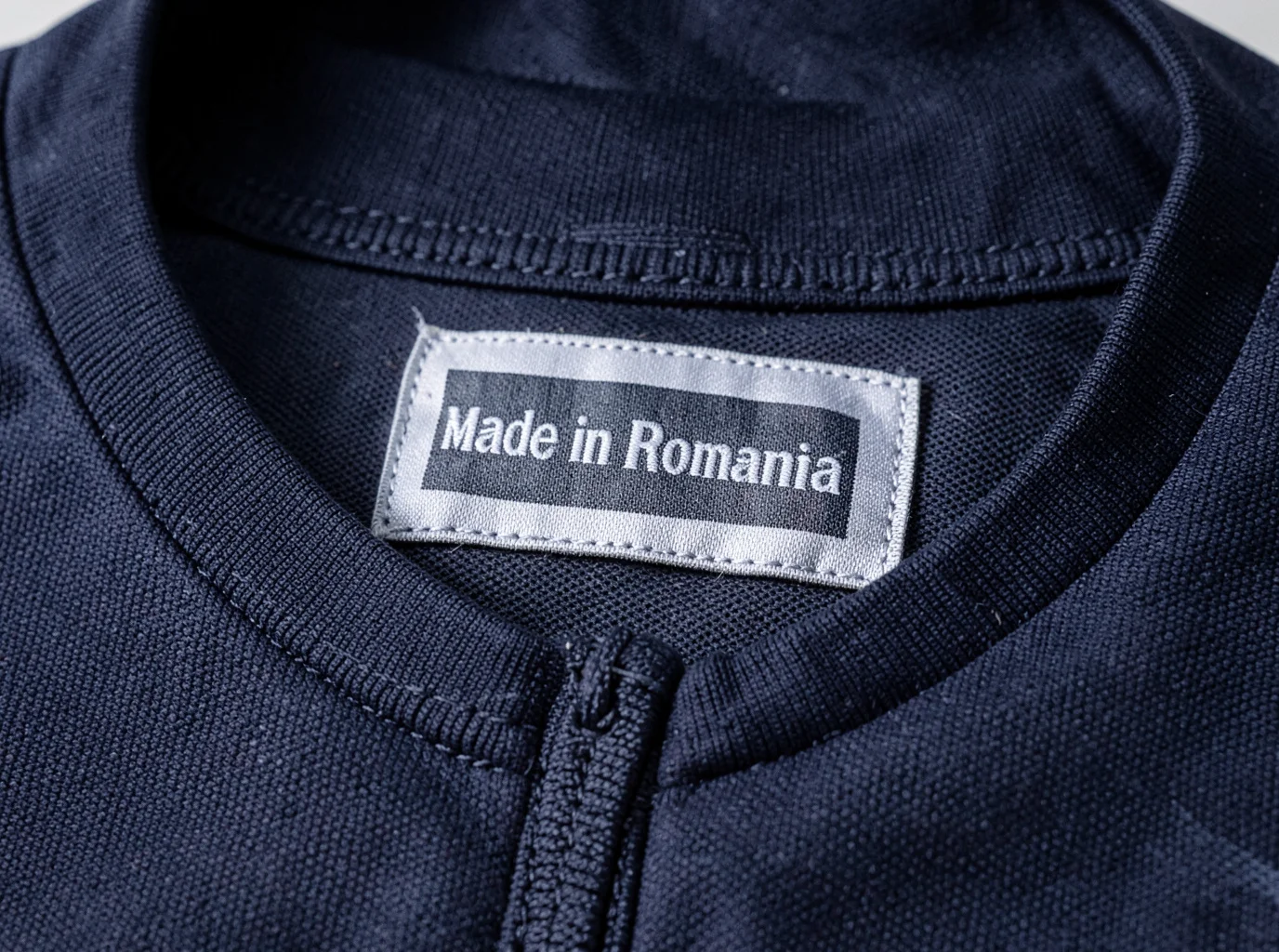
Flip the garment inside out before you trust anything printed online. Photograph the style code, colour code, size, barcode, and season tag first. That style code is your reference point for any follow-up with Rapha.
Read the sewn-in label as written. "Machined in Italy" and Rapha's own design HQ are two different claims. The Women's Classic Seamless Jersey, for instance, carries a "Machined in Italy" tag, produced near Bologna from 62% merino wool, 36% nylon, and 2% elastane. Cross-check that wording against the current product page; mismatches happen across production batches.
Then search Open Supply Hub, where Rapha has listed Tier 1 suppliers since 2022, using the factory name or country on your documentation. For your own production, see our cycling apparel OEM/ODM factory service page.
To push further, email Rapha with:
SKU, label photos, barcode, purchase date
Request for assembly factory, address, production season
Tier 2 mill or component supplier name
Higg FSLM/Elevate audit date tied to that facility
GOTS, GRS/RCS, or RWS certificate numbers for the stated fibers
Keep every reply filed against the SKU. Supplier lists confirm network membership, but verifying that your specific jersey came off that line requires this direct correspondence.
Conclusion
Look closely at a Rapha jersey and the construction stands out in the stitch density, seams that sit flat against the skin, and the clean finish on a zipper pull. Facilities across the primary Rapha production countries of Vietnam, China, and Portugal handle specialized assembly, each held to uniform standards through Open Supply Hub audits. The $200+ price tag pays for pattern development, fabric testing, and quality control, regardless of which factory floor cuts the fabric. Before your next purchase, pull the Open Supply Hub listing, check the factory audit date, and examine the garment the way a tailor would. That turns curiosity about Rapha clothing origin into a practical buying decision.