Somewhere around kilometre forty, the burning starts. At first it’s just a warm friction you figure will fade once you get off the saddle. It doesn’t. By the time you’re peeling off your bib shorts that evening, you’re staring at raw, angry skin and wondering what went wrong. That’s when most cyclists ask whether chamois cream is necessary, or just another product for people who buy anything with “performance” on the label.
The honest answer depends on what your body is doing on that saddle—moisture, pressure, friction, and bacteria working together in ways you can’t feel until it’s too late.Brands can develop custom Cycling Chamois for different ride durations. This article explains the physiology behind saddle sores, how your skin changes with and without protection, and how to know if your ride calls for chamois cream or something simpler you already have in your bathroom cabinet.
What Happens to Your Skin During a 30-Kilometre Ride Without Chamois Cream?
Your skin doesn't wait until kilometre forty to start complaining; it just takes that long for you to notice. The real damage often begins within the first 45 minutes, right around the sit bones, inner thighs, and groin crease, wherever your shorts meet the saddle and refuse to let go. The classic mechanism is skin rubbing against fabric, fabric rubbing against saddle, over and over, thousands of times per hour.
The progression looks something like this. In the first 20 minutes, mild warmth is barely noticeable. Between 20 and 40 minutes, redness and hot spots develop at contact points. Between 40 and 60 minutes, superficial chafing can tip into micro-abrasions, especially if you're sweating heavily.
Once that skin barrier breaks, even slightly, sweat and salt turn a dull ache into genuine stinging. At that point, friction becomes an actual injury.
A 30-kilometre ride sits right on the edge of risk. If you're moving fast and it takes under an hour, you might escape unscathed. If it's hot, humid, raining, or your shorts fit poorly, an hour on that same route can be enough to trigger real irritation that includes burning, tenderness, swelling, and sometimes numbness.
If sores show up even on short, easy rides, cream isn't the fix. A skilled Cycling Bib Shorts manufacturer can improve pad fit and placement.That's usually a sign your saddle position or shorts fit needs attention first.
How Moisture, Friction, Pressure, and Bacteria Create Saddle Sores
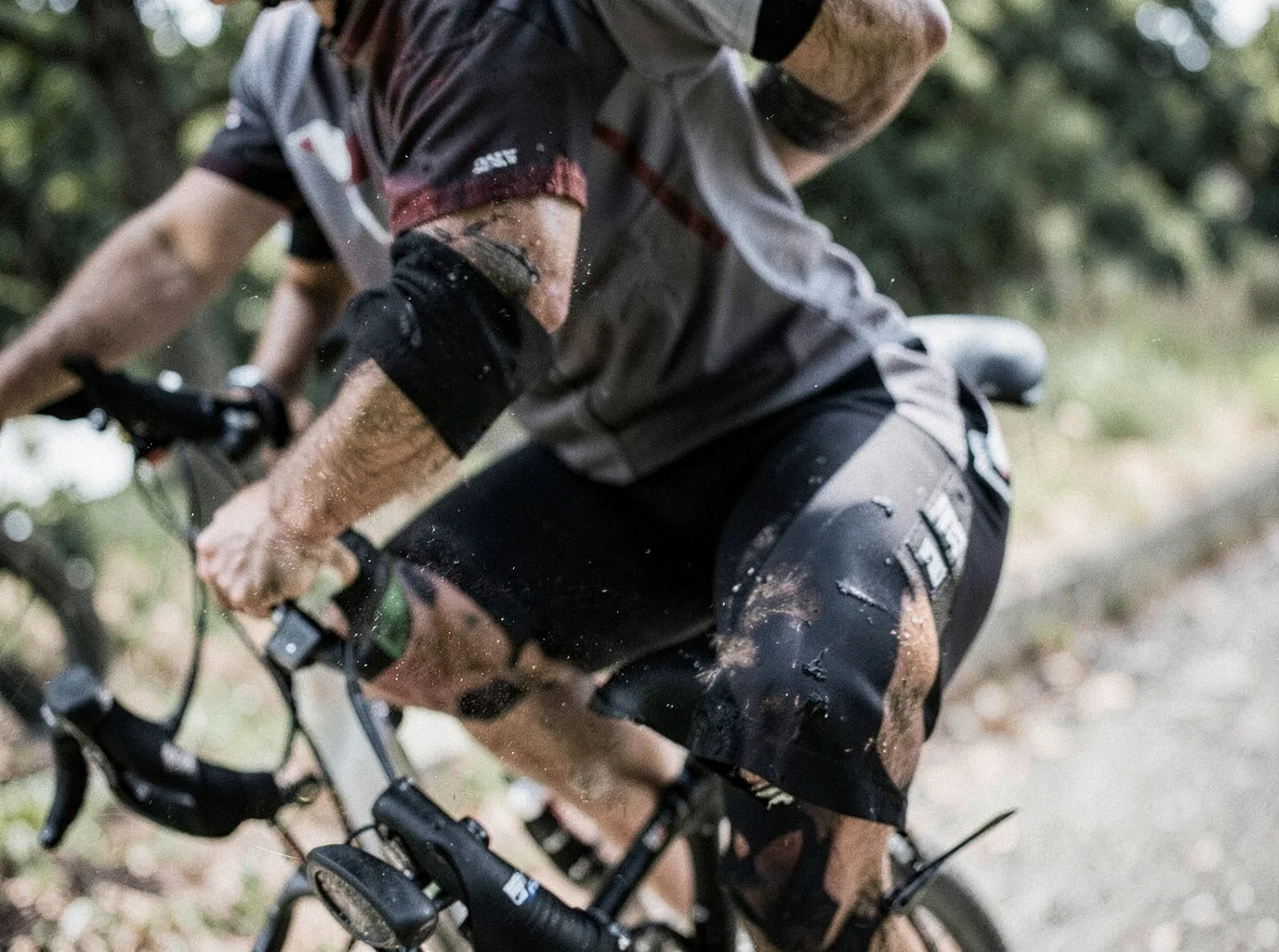
Four culprits work together to turn a good ride into a painful one, and none of them act alone. Understanding this chain helps you see exactly where chamois cream fits in.
Repetitive rubbing creates tiny breaks in the skin. Sweat softens that already-compromised skin, making it more vulnerable. Bacteria from your skin or groin area then slip through those micro-breaks. What starts as a hot spot can end up as an infected hair follicle, a boil, or in worse cases, an abscess.
Each factor plays a distinct role. Friction comes from skin rubbing against saddle, chamois, or seams thousands of times per ride. Pressure is your body weight pressing down on a narrow saddle, restricting blood flow and weakening tissue over time. Moisture is sweat trapped inside your shorts, softening skin and increasing friction further. An experienced Custom Cycling Shorts Chamois factory can tune pad density by zone.Bacteria are opportunistic organisms that exploit any break in the skin barrier.
Saddle sores cluster in the buttocks, groin, inner thighs, and perineal area. These are the spots where sustained contact with the saddle happens.
Risk climbs sharply with long ride duration, poor saddle fit, and leaving damp kit on after riding. Buyers can ask their Cycling Bib Shorts supplier for chamois samples.Sweaty shorts left on for even 30 minutes post-ride keep bacteria multiplying long after you’ve stopped pedalling.
To prevent saddle sores, keep skin dry, reduce friction with proper-fitting shorts, correct pressure through saddle fit, and change out of damp clothing quickly. Chamois cream addresses friction and moisture directly.
Do You Need Chamois Cream for Cycling?
Chamois cream won't make you a stronger cyclist, and skipping it won't ruin a short trip to the shops. But once your rides get longer or hotter, it's one of the most practical, low-cost comfort upgrades you can buy.
If you're under an hour on the bike and rarely feel irritation, you probably don't need it. Your body handles that short window just fine.
Cross into 2+ hours, ride in heat or humidity, or deal with a saddle sore before — that's when it matters. Chamois cream reduces friction between skin and fabric, cutting down chafing and hot spots. Many formulas also add antibacterial properties for long days in the saddle.
The real question is whether your ride needs it.
The Real Difference Between Using Chamois Cream and Going Without It
The science on chamois cream isn't as airtight as the marketing suggests. Studies on saddle sore prevention have proposed comparing chamois cream, plain moisturizer, and barrier cream against a no-cream control group, but that head-to-head comparison hasn't happened yet. So when someone tells you chamois cream is proven to work, that's not the full picture.
What we do have is usage data. In one study of female cyclists, 40% reported using anti-chafing or chamois creams specifically to prevent saddle sores. An earlier report found 37% of female recreational cyclists did the same. Among people who ride regularly, that habit is close to becoming the norm.
What's in the tube matters too. Most chamois creams use emollients like dimethicone, glycerin, shea butter, coconut oil, and vitamin E to reduce friction and keep skin conditioned. Some formulas add tea tree oil, witch hazel, or menthol for their antibacterial or cooling properties, which lines up with the moisture-and-bacteria mechanism behind saddle sores.
The real-world difference is comfort: less chafing, less burning, fewer hot spots on the rides that matter most. Bulk Custom Cycling Chamois orders can use different pad specifications.It's widely used as a preventive practice, reapplied roughly every 2–3 hours on long days in the saddle, but it's not backed by hard clinical proof. That distinction matters if you're deciding whether it's worth buying, or whether Vaseline from your bathroom cabinet will do the job just as well.
Chamois Cream vs Vaseline: Which Friction Barrier Makes Sense?
Rummage through most cyclists' bathroom cabinets and you'll find a jar of Vaseline sitting next to something with a fancier label and a higher price tag. Both promise the same basic thing: less friction, more comfort. But they're not interchangeable, and knowing why matters more than knowing which one costs less.
Vaseline is petroleum jelly, full stop. It's an occlusive lubricant that sits on skin and reduces friction between fabric and body. That's genuinely useful for a one-off ride or an emergency top-up when your usual cream runs out. It's cheap, it's already in your house, and it works on a basic level.
Chamois cream does more. Look at the ingredient decks and you'll see why. Assos Chamois Crème blends glycerin, panthenol, menthol, and witch hazel water alongside its lubricating base. Chamois Butt'r Original adds lanolin, aloe vera, and vitamin E derivatives. Even budget SKUs often mix petrolatum with shea butter, aloe, and panthenol rather than relying on petroleum alone.
The practical difference:
Vaseline lubricates, nothing more
Chamois cream lubricates and conditions skin, often with soothing or antibacterial ingredients
Not every "chamois cream" is equal — some lean petroleum-heavy, others are water-based with active soothing agents
For long-distance cycling skin protection and repeated saddle loading, chamois cream is built for the job. Vaseline gets you through in a pinch, but it's a fallback, not a strategy.
How to Apply Chamois Cream Without Creating More Moisture and Irritation
Technique matters just as much as the product itself. Slap chamois cream onto damp, sweaty skin and you're diluting it. Moisture gets trapped underneath, and that thin protective film you were counting on turns into a slippery mess that does nothing.
Wash and fully dry the skin first — sit bones, perineum, inner thighs, wherever friction usually hits. Use a coin-sized dollop or roughly one scoop with two fingers. Spread it thin and even, either straight onto skin or into the chamois pad and seams. Then put on clean, dry bib shorts immediately after applying.
On rides past two or three hours, reapply at rest stops if that familiar burning creeps back. For longer endurance efforts, four to five hours between applications is a reasonable benchmark.
If a product stings or makes things worse, stop. Wash it off, switch formulas, or patch-test somewhere small before committing your whole ride to it. Once you're off the bike, get out of those damp shorts fast — that habit alone prevents half the trouble.
Which Chamois Cream Ingredients Affect Comfort and Skin Compatibility?
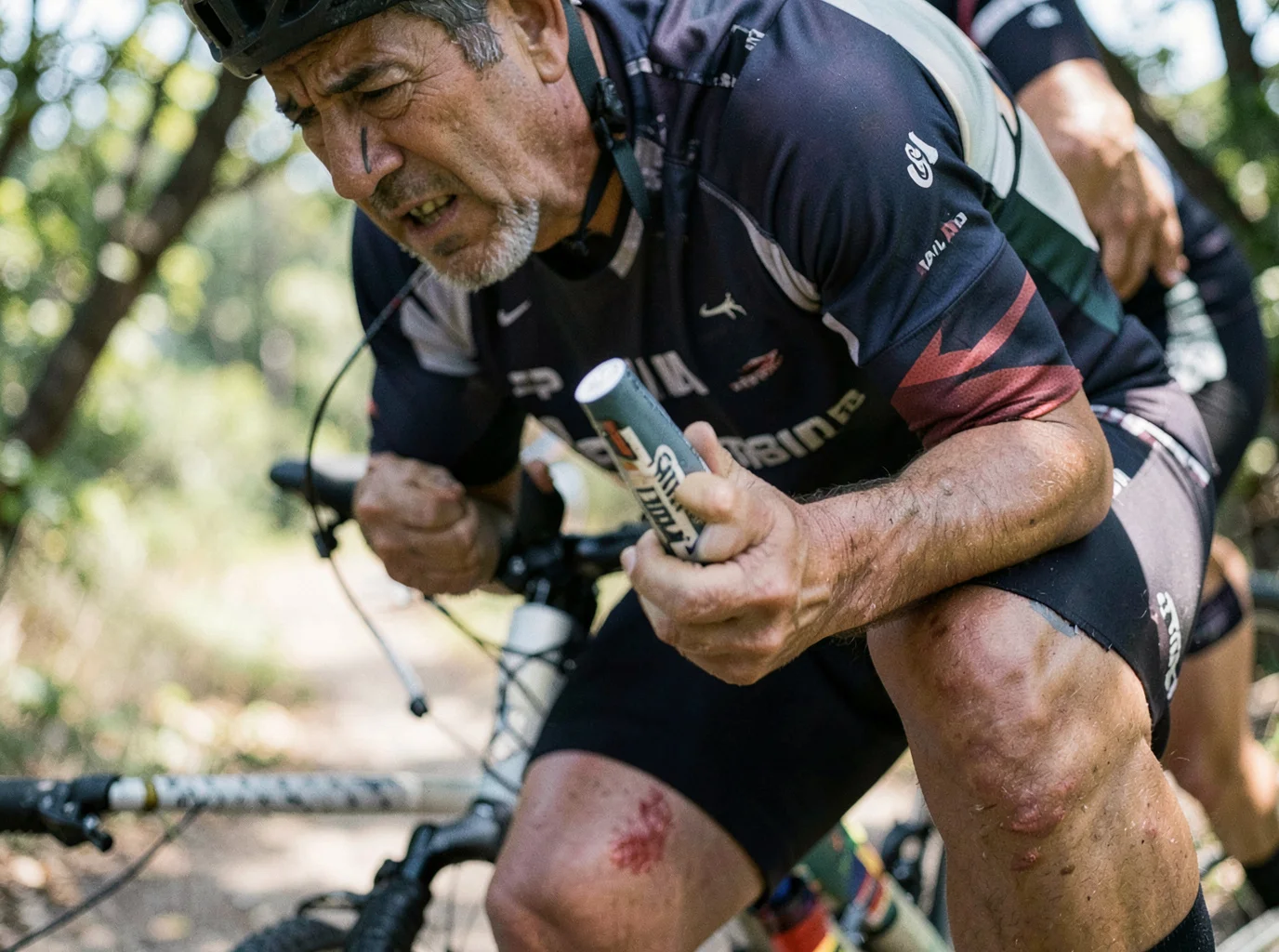
Flip the tube over and read the ingredient list — it tells you more than any marketing claim ever will. Not all chamois cream ingredients are created equal, and knowing what's in the formula matters far more than the brand name on the front.
Comfort-building ingredients to look for include glycerin, panthenol, allantoin, aloe vera, shea butter, and dimethicone. These work together to keep skin conditioned while reducing friction — exactly what you want for cycling skin care over long distances.
Cooling additives like menthol and menthyl lactate feel refreshing on a hot ride, but they're also one of the more common sensitivity triggers. If your skin tends to react, that tingle can turn into genuine irritation fast.
Botanical extras , like tea tree oil, lavender, witch hazel, rosemary, get added for their "antibacterial" or soothing reputation. Tea tree in particular carries higher sensitizer risk than plain emollients, so it's not the safest bet for reactive skin.
Watch for these on sensitive skin: fragrance/parfum, essential oils (limonene, linalool, geraniol), lanolin (some brands now offer lanolin-free versions), and alcohol denat.
A fragrance-free, menthol-free formula built on humectants and silicone emollients is the safest benchmark if compatibility matters more than cooling sensation.
When Chamois Cream Can Be Used by Women Cyclists and When It Cannot
Female anatomy changes the rules slightly, and pretending otherwise leads to trouble. Chamois cream works well for women on long, hot, sweaty rides, applied externally to sit bones, inner thighs, and the perineal area. That's where friction actually happens.
Never apply it internally. Keep cream away from mucous membranes — it disrupts natural pH and irritates sensitive tissue fast. If you've recently removed hair from the groin area, skip the cream that ride; irritation risk spikes when skin's already compromised.
Watch the ingredient list too. Strong fragrances, essential oils, and menthol can trigger burning on sensitive skin. Patch-test any new formula on your inner elbow 24 hours before riding.
Skip it entirely for rides under 60–90 minutes — you don't need it. Steer clear of petroleum-based products, generic lotion, or diaper cream as substitutes; they damage chamois fabric and won't fix the friction problem properly.
What to Do When a Saddle Sore Has Already Started
Prevention advice is useless once the damage is done. If you're already dealing with a raw, angry patch of skin, here's what helps it heal.
First, get off the bike. Stop riding for one to two days minimum. Every extra kilometre keeps friction and sweat working against you, so this isn't optional if you want it to close up fast.
Clean it properly. Wash gently with mild soap and warm water, then dry the area completely before applying anything or getting dressed. Damp skin heals slower and invites bacteria back in.
Warm compresses help. Ten to fifteen minutes, a few times a day, eases inflammation and speeds recovery.
If skin has broken, apply something thin and protective — petroleum jelly, anti-chafing cream, or an antibiotic ointment if things look irritated rather than just chafed.
Swap tight kit for loose, breathable, moisture-wicking clothing until it heals. If you must ride, keep it short, stand often, and skip long seated efforts.
Never squeeze or pick at it. If it's painful, swollen, oozing, or not improving within a few days, see a doctor — stubborn cases sometimes need steroid creams, antibiotics, or minor surgical treatment.
Conclusion
Friction, moisture, and bacteria don't care whether you're a Sunday commuter or training for your first century ride. They'll find your weak spots either way. On a 60-kilometre ride, skipping thirty seconds of prep time means risking saddle sores.
If you're doing short, dry hops to the office, you'll probably survive without it. But the moment your rides stretch past an hour, or you're layering up in sweaty conditions, chamois cream stops being optional and becomes your skin's first line of defense, something Vaseline was never built to handle.
Grab a small tube, apply a thin layer before your next longer ride, and pay attention to how your skin feels at kilometre 40 versus how it used to feel.Request a custom wholesale price for Cycling Bib Shorts based on order volume.