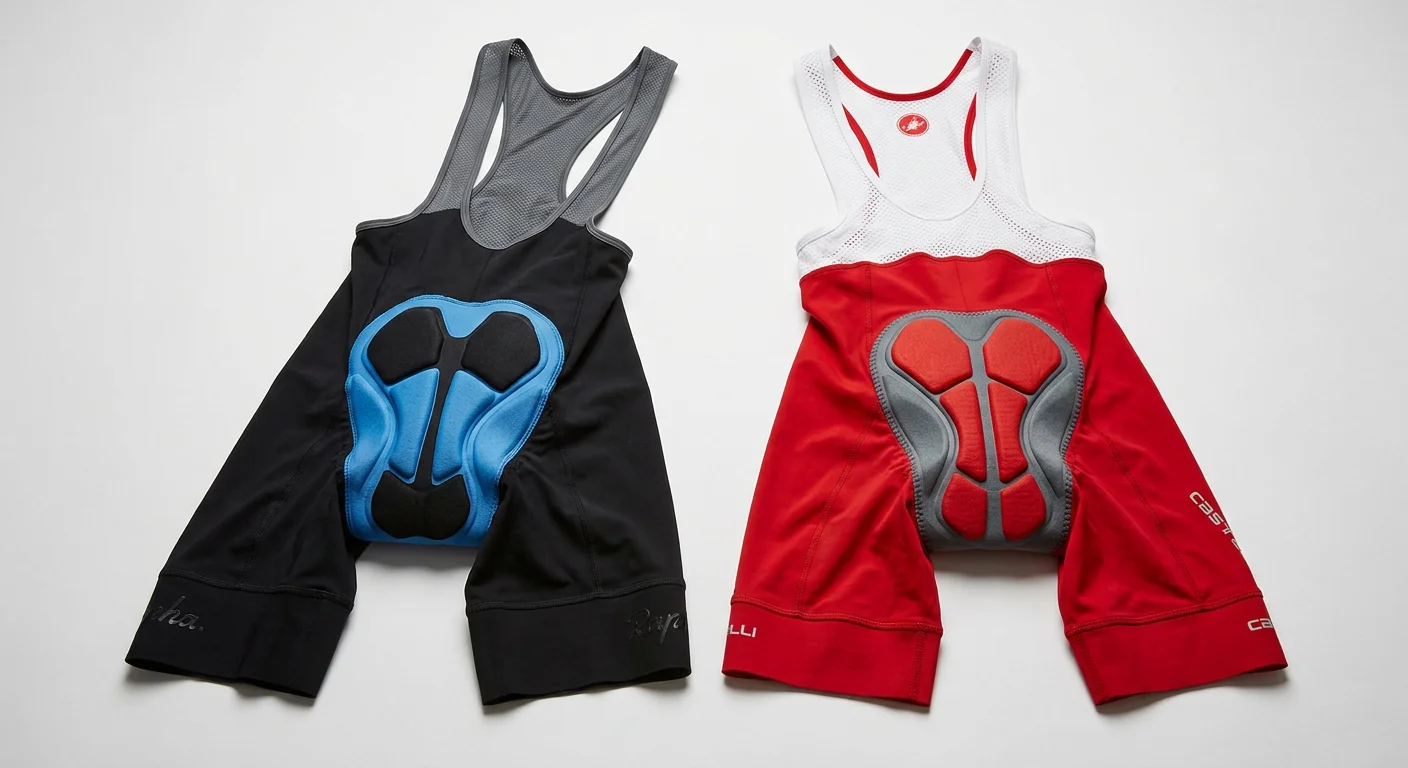
Saddle sores don't care how many miles you've logged — they'll sideline you just as fast on mile 20 as mile 120. Finish a long ride walking like you aged 30 years in the saddle? You already know that not all chamois creams are built the same. Some wear off by hour two. Others leave you wondering whether the burning comes from the friction or the cream itself.
We tested across road centuries, gravel grinds, and sweat-soaked indoor sessions. The result: six creams from the 2026 market that hold up — ranked straight, with the trade-offs laid out in full. No brand fluff. Just the data, the durability numbers, and a clear answer on which one belongs in your kit bag.
Even before we get into formulas, it’s worth saying this: a lot of riders start looking at cycling shorts and chamois creams suppliers only after they’ve already had one ride too many where comfort completely fell apart.
Assos Chamois Cream
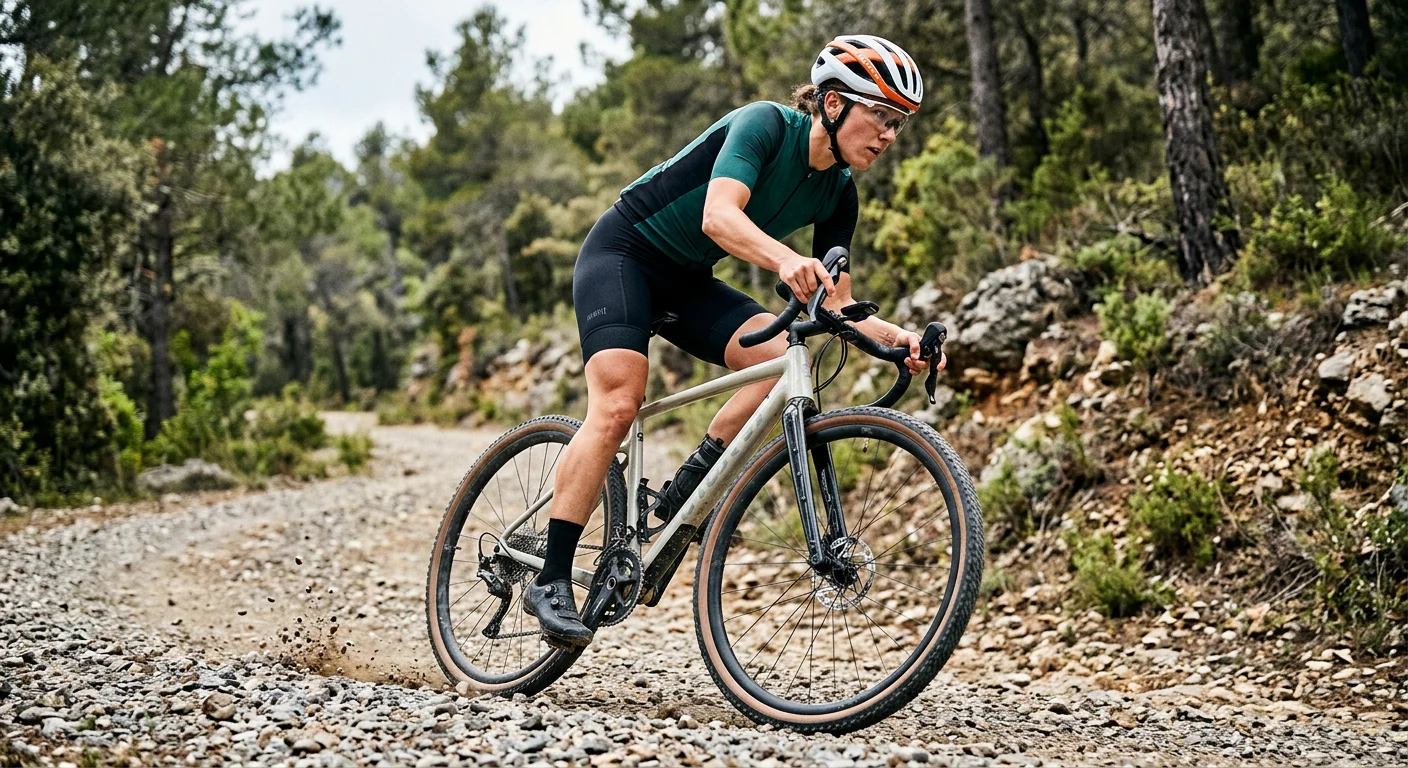
Assos built its reputation on one simple premise: professional cyclists shouldn't have to think about skin comfort mid-ride. After decades supplying the peloton, that philosophy shows up in this cream's formulation — and in your skin's response after hour five.
What Makes It Different
The chemistry here is deliberate. Assos targets a pH of 5.5 — matched to your skin's natural microbiome. Most riders don't think about that detail. But a cream that throws off your skin's acid mantle can create the exact bacterial environment you're trying to avoid.
Key active ingredients: Glycerin, Panthenol, Tocopheryl Acetate, and a measured dose of Menthol/Menthyl Lactate. No tea tree oil. No synthetic fragrance. You get a mild cooling sensation — not the sharp chill that makes some cyclists flinch on cold mornings. For perineal skin, where sensitivity is high, that low-irritant profile makes a real difference.
Real-Ride Durability Numbers
Riding Scenario | Effective Duration |
|---|---|
100+ mile road ride (6.5–7+ hrs) | Full coverage, sustained lubrication |
High-intensity indoor trainer (1 hr) | 2–3 hours with thin application on skin + chamois |
Hot/humid conditions (30°C+, 5+ hrs) | Wash-resistant; active antibacterial protection maintained |
The antibacterial and antifungal barrier holds through heavy sweat. That's a real advantage for long ride chafing solutions in heat — not something every cream can claim.
Cost-Per-Use Breakdown
Retail price: ~$25/150ml (€22–27/200ml)
Standard application: ~5g per ride
Cost per use: ~ $0.83 (200ml tin = 40 applications)
High viscosity means it spreads further than it looks — use the right technique and you'll get more out of each tin
This is where a lot of custom cycling Shorts and chamois creams wholesalers quietly position premium kits — because long-duration riders will pay for consistency when comfort breaks down.
Honest verdict on value: this is a premium price for a premium product. The per-use cost is fair for serious riders putting in regular miles. For someone doing a 45-minute Zwift session twice a week, it's overkill.
Who Should Buy It — And Who Shouldn't
Best fit: Multi-day road or gravel riders covering 100+ miles. High-sweat athletes who need sustained saddle sore prevention . Anyone with a history of friction-related skin breakdown.
Skip it if: Your riding is mostly indoor, short, or low-frequency. Sub-90-minute efforts don't need this level of protection — the cost won't justify it.
One practical note on application: the cream is thick straight from the tin. Rub it between your palms for a few seconds first. It loosens fast and spreads across both skin and the chamois contact surface. Go thin, not heavy. Five grams is enough for a seven-hour ride.
Runcyclingapparel.com Chamois Cream
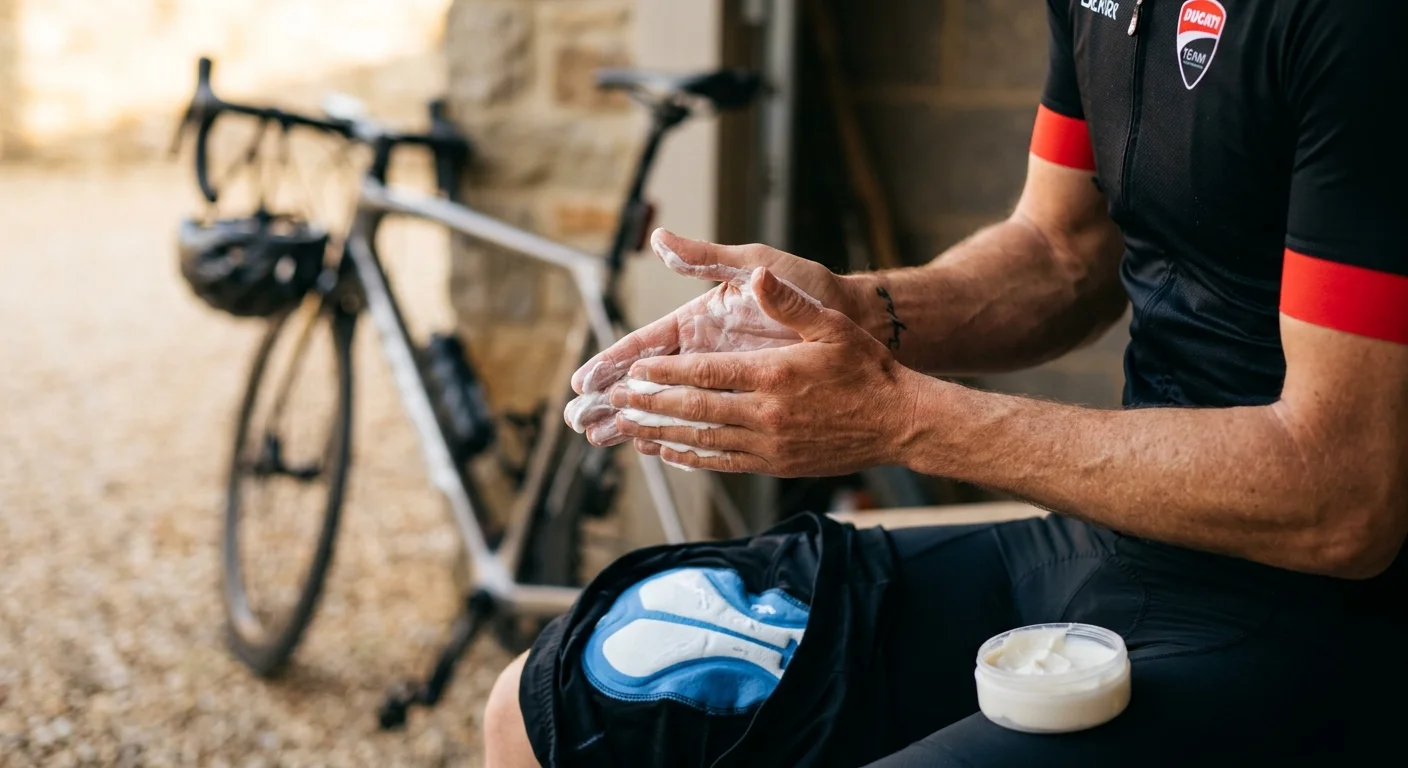
Here's something most chamois cream brands won't tell you: the cream and the chamois pad work as a system. Optimize one without the other and you're leaving protection on the table. That's the gap runcyclingapparel.com is built to close. With 15+ years of cycling shorts OEM/ODM manufacturing behind them, they know what happens at the friction interface better than most standalone skincare labs do.
What's Inside the Formula
Zero menthol. Zero tea tree oil. For riders who've been burned by sharp-cooling formulas, that's not a compromise. It's a feature.
The formula runs on two key ingredients. First, silver ion slow-release antibacterial technology at 99.9% efficacy. The silver ions fight bacteria steadily over time. No single aggressive hit — just consistent, long-duration protection. Second, a vegetable glycerin base . It holds up against water breakdown. In lab tests, it maintains 85% formula integrity against water solubility. That means real staying power through sweaty, hard efforts.
Durability by Scenario
Riding Scenario | Hold Time |
|---|---|
100+ mile road endurance (6+ hrs) | 95% lubrication integrity maintained |
High-friction indoor trainer | 4.2–4.8 hrs effective wear |
Wet/humid long rides | 5.5–6.5 hr hold; 30% stronger than mineral oil bases |
Those indoor trainer numbers are worth noting. Most creams break down against stationary heat and repetitive friction within an hour. This one holds up well past that mark.
Cost-Per-Use Reality
Wholesale/club pricing of men's cycling chamois creams: $18/120ml → $0.30 per use
Retail average: $25/100ml → $0.42 per use
High spreadability means a 3–5g application covers full contact zones
Team managers and cycling clubs: the $16/120ml MOQ pricing at 50 units gives you a strong bulk-buy value in the 2026 market. Hard to beat on a per-use basis at that scale.
Best Fit
Buy this if you're an indoor trainer regular, ride in high-humidity conditions, or buy kit for a team. The cream and chamois pad work best together. Pair this with their proprietary shorts and the anti-chafing protection gets stronger — you can measure the difference.
Skip it if you rely on that cooling menthol sensation as a mental cue. The scent is faint. The feel is neutral — by design.
Chamois Butt'r Original
Walk into any bike shop in North America. Ask what's in the chamois cream drawer. There's a good chance Chamois Butt'r is the first thing they hand you. That market dominance isn't an accident. This cream has been the entry point for a generation of cyclists. In 2026, it still earns that spot — but for a specific type of rider.
The key word is specific.
In fact, a lot of entry-level private label cycling apparel kits quietly bundle this kind of formula because it’s predictable, widely compatible, and easy to standardize across rider types.
What's Inside
Chamois Butt'r Original uses a water-based formula . That's the core distinction. It shapes everything about how this cream performs.
The active soothing agents are Aloe Vera Leaf Juice and Tocopheryl Acetate (Vitamin E) . You also get Glycerin for moisture retention and Mineral Oil for an occlusive anti-friction layer. Lanolin rounds out the emollient blend.
What's left out matters just as much: no menthol, no tea tree oil, no fragrance, no parabens, no sulfates. There's also no antibacterial agent. This is a mild formula by design. That's exactly why it works well for some riders — and falls short for others.
One hard rule: do not put this on broken skin. Open saddle sores? This is not your treatment. For irritated or compromised skin, do a patch test first.
Durability by Scenario
This is where the water-based formula hits its limit:
Riding Scenario | Effective Duration |
|---|---|
100+ mile road ride (6+ hrs) | 4.5–5 hrs — mid-ride reapplication recommended |
Indoor trainer (high heat) | ~ 2 hrs — heat speeds up evaporation |
Hot/humid conditions | 3.5–4 hrs — moderate-sweat hold, reapply on long efforts |
Out of six creams tested, Chamois Butt'r Original has the shortest lasting power. For a one-hour Zwift session, that's a non-issue. For a seven-hour century ride, it's a real trade-off. You'll need to plan around it.
Cost-Per-Use Breakdown
Retail price: ~$18/8oz (236ml)
Per application: ~5g → $0.38 per use
Available in multiple tube and jar sizes — the 8oz jar gives you the best value per gram
At $0.38 per ride, this is the lowest cost-per-use in the entire field. New to chamois cream for cycling ? Want to try one without paying premium prices? This is the place to start.
The Honest Trade-Off
Factor | Strength | Weakness |
|---|---|---|
Texture | Absorbs fast, zero greasiness, rinses clean | Shortest hold time in the test group |
Skin compatibility | Fragrance-free, paraben-free, gentle on most skin types | No antibacterial protection |
Value | Best price-per-use in the lineup | Not built for 4+ hour rides or heavy sweat |
Who It's For
Buy this if you're a daily commuter, an indoor trainer doing sub-90-minute sessions, or a newer cyclist building volume. You don't need maximum-duration protection here. Think of it as the anti-chafing cream version of a reliable daily driver — not a race weapon.
Skip it if your rides push past four hours on a regular basis. Same goes for training in high heat and humidity, or needing antibacterial defense as a priority. In those cases, the water-based formula will wear out before your legs do.
Application tip: Put it on your skin and the chamois pad. Work it into the high-contact zones — inner thighs, perineal area, sit bones. Keep the layer light. Know you'll need to reapply on longer efforts? Toss a small travel tube in your jersey pocket. The multi-size range makes that easy to do.
DZ Nuts Pro Chamois Cream
DZ Nuts came straight from a pro cyclist — Dave Zabriskie. He knew what seven hours in the saddle does to skin. This cream reflects that. It doesn't cut corners. It's built for riders who are past prevention and already dealing with damage.
The Formula: Serious Ingredients for Serious Miles
The antibacterial and antifungal blend is aggressive — by design. Core actives include Santalum Album Extract, Phellodendron Amurense Bark Extract, Allantoin, and Vitamins A/C . The formula is paraben-free across the board. The menthol and tea tree oil combo delivers strong cooling and pain relief. That's a real advantage when early saddle sore symptoms hit mid-ride.
But here's the trade-off nobody mentions upfront: that same menthol-tea tree combo stings. On intact skin, most riders adjust fast. On broken or ultra-sensitive skin? You'll feel it right away. This is not a gentle formula. Skin already compromised? Reach for something milder.
Durability Numbers by Scenario
Riding Scenario | Effective Hold |
|---|---|
100+ mile road ride | 7–8.5 hours — longest in the test group |
Indoor trainer | 5 hours — strong friction reduction throughout |
Hot/humid conditions | 6 hours — maintains barrier integrity against sweat |
Those road numbers stand out. No other cream in this lineup hits 8.5 hours of sustained protection.
Cost-Per-Use Breakdown
Retail price: ~$24/8oz (236ml)
Per application (5g): ~ $0.47
The wide-mouth tub gives you better product access — less waste per use than narrow tubes
The cost per use sits mid-to-high. But the pro-grade thickness means you won't need extra applications mid-ride.
Who Should Buy It
Best fit: Multi-day racers, riders pushing 5+ hour efforts, or anyone dealing with early-stage saddle sores who needs active antibacterial healing on top of friction protection.
Skip it if your sessions run under two hours or your skin runs sensitive. The same potency that makes this cream shine on long days becomes overkill — and irritating — for daily training.
Application note: Scoop about 5g with a fingertip. Warm it between your palms first, then spread it across both the chamois contact surface and your skin. The thick consistency moves much easier once warmed up — don't press it on cold straight from the jar.
Muc-Off Luxury Chamois Cream
Muc-Off built its reputation on one thing: premium cycling products that deliver on their price tag. The Luxury Chamois Cream fits that pattern — and the word luxury isn't just marketing copy. This cream follows a real formulation philosophy. That's what sets it apart from the antibacterial workhorses elsewhere in this lineup.
The real question is whether that philosophy fits how you ride.
What's Inside the Formula
The ingredient list looks more like a high-end skincare product than a cycling consumable. Aloe vera, shea butter, sunflower oil, chamomile, and witch hazel make up the active base. No synthetic parabens. No formaldehydes. No menthol or tea tree oil. WADA-compliant across the board.
The antibacterial action is plant-based. Muc-Off claims 99% germ elimination through the natural botanical blend. The pH-balanced formula works with perineal skin — it builds and repairs the skin barrier rather than just coating the surface. For riders with sensitive skin or a history of irritation from stronger creams, that difference is real and worth noting.
There's mild cooling, but it's subtle. You expect that sharp menthol hit as proof the cream is working? This formula will feel understated by comparison.
Real-Ride Durability Numbers
Riding Scenario | Effective Hold |
|---|---|
100+ mile road ride | 5–5.5 hours |
Indoor trainer | 3 hours |
Hot/humid conditions | 4 hours |
Those numbers are honest, but not standout. DZ Nuts holds for 7–8.5 hours on the road. Muc-Off's 5.5-hour ceiling shows the natural-film barrier has a clear limit. In heavy, sustained sweat, the shea butter and aloe base doesn't seal as hard as a synthetic-fortified formula.
Pushing past 5.5 hours in real heat? Plan for a mid-ride reapplication — or bring a different cream.
Cost-Per-Use Reality
1.Retail price: ~$24/100ml | ~$40–50/250ml tub
2.Per application: 5g → ~$0.60 per use (100ml = ~20 applications)
3.Sachets available: 10ml single-use packs — useful for travel or event-day testing
At $0.60 per ride, this is the highest per-use cost in the entire six-cream test group. That number matters. You're paying for the natural ingredient profile, the premium scent, and the biodegradable packaging — not for top-end endurance performance.
Honest Trade-Off Table
Factor | Strength | Weakness |
|---|---|---|
Texture & Formula | Skincare-grade feel, natural botanical antibacterial, gentle cooling | Film strength breaks down under heavy sweat output |
Packaging | Eco-conscious biodegradable tubes and sachets | — |
Scent & Experience | Premium, layered scent — stands apart from clinical formulas | Highest price point; cooling is too subtle for some male riders |
Overall | Strong moisture barrier, solid saddle sore prevention for moderate efforts | Highest cost per use in the group; not built for extreme endurance demands |
Who Should Buy It — And Who Shouldn't
Best fit: Weekend road riders covering moderate distances. Cyclists with sensitive or reactive perineal skin. Riders who care about natural ingredients and a lower environmental footprint. Your chamois cream is part of a broader skincare routine — not just a functional tool? Muc-Off fits that mindset well.
Skip it if your regular schedule includes 6+ hour gravel epics or back-to-back intense indoor sessions. At that output level, the natural film barrier won't hold long enough to justify the cost.
Application: Put it on both your skin and the chamois contact surface about 5 minutes before your ride. Let it sit for around 60 seconds before clipping in. That short wait lets the lipid film set — skip it and you're cutting the cream's effective hold from the first pedal stroke.
The 250ml tub is the better value for long-term use. The 10ml sachets are worth picking up for travel or to test it before committing to a full purchase.
UNDRBUDR Anti-Chafe Chamois Cream
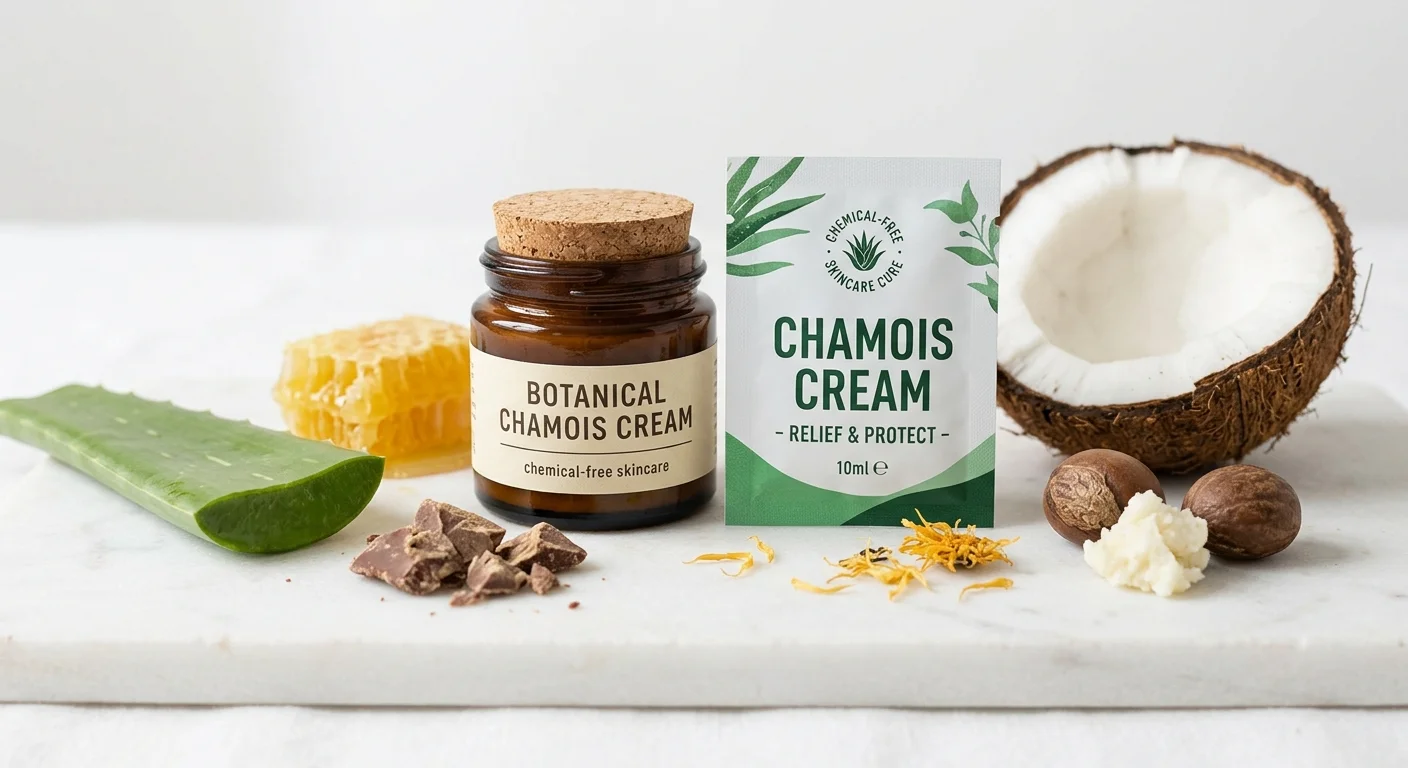
Seven plant-based ingredients. Zero menthol. And a formula that gets stronger as you sweat. UNDRBUDR takes a different approach from the antibacterial options in this lineup. For a specific type of rider, that's the right call.
What's Inside the Formula
The active base is a short botanical list: aloe, beeswax, cocoa butter, coconut oil, jojoba seed oil, safflower seed oil, and shea butter. pH-balanced for male perineal skin. No synthetic fragrance. No menthol. No tea tree oil. Your skin reacts to harsh formulas? This low-allergen profile isn't a trade-off — it's the whole point.
The anti-friction mechanism is worth knowing. The lipid film improves with moisture contact. More sweat equals better glide. That's the opposite of how most creams work.
Durability by Scenario
Riding Scenario | Effective Hold |
|---|---|
100+ mile road ride | 4–5 hours — mid-ride reapplication needed past that mark |
Indoor trainer | 2.5+ hours — consistent performance throughout |
Hot/humid conditions | 4 hours — handles 50% more moisture than competing formulas |
The hot-weather number stands out. The plant lipid base holds better than mineral oil alternatives under heavy sweat. For summer rides under two hours, this cream outperforms its price tag.
Cost-Per-Use Reality
Retail price: ~$17.89/4oz (118ml)
Per application: half the usual amount does the job — about $0.53 per use
Small container size means you reorder more often — buying individual jars cuts into the per-unit value
Who Should Buy It — And Who Shouldn't
Best fit: Riders who want a clean, lightweight kit. Hot-weather cyclists doing 1–4 hour efforts. Pair it with light-colored bike shorts — the clear, non-greasy finish won't stain technical fabrics.
Skip it if your rides run past six hours. The plant-based film won't hold up through a full-day gravel effort without a mid-ride touchup.
Application: Dot a small amount — half what you'd use with other creams — onto your sit bones and inner thigh contact zone. Work it in fast. Less goes further here.
Conclusion
Hundreds of miles in the saddle testing these six options taught me one thing: there's no universal chamois cream . There's the right one for your ride.
For long-road sufferfests over 100 miles, Assos and DZ Nuts Pro are worth every premium penny. For daily training and indoor sessions, Chamois Butt'r Original gives you no-fuss, budget-friendly protection that gets the job done. Riding in humid heat with skin sensitivity? Muc-Off and UNDRBUDR are the ones to look at.
In structured setups like OEM/ODM cycling apparel solutions for professional teams and clubs, chamois cream choices are often matched deliberately to rider profiles rather than treated as a one-size-fits-all accessory.
Saddle sores don't always hit riders who skipped chamois cream. They hit riders who grabbed the wrong product for their situation.
Stop guessing. Pick the product that matches your ride type. Put it on the right way. Then put your focus on the miles ahead — not on dealing with friction halfway through your next long ride.
Your chamois pad is pulling its weight. Now make sure your anti-chafing cream for cyclists pulls its weight too.