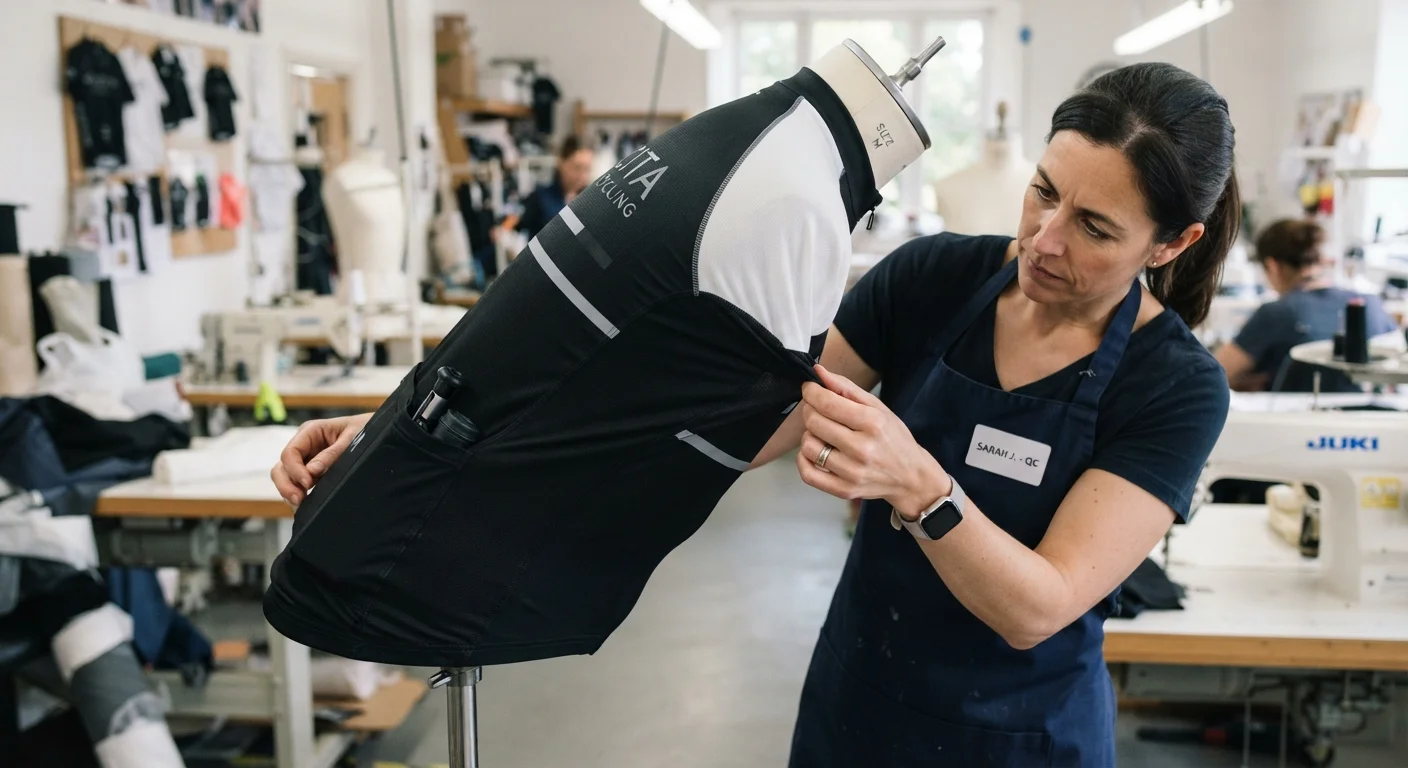
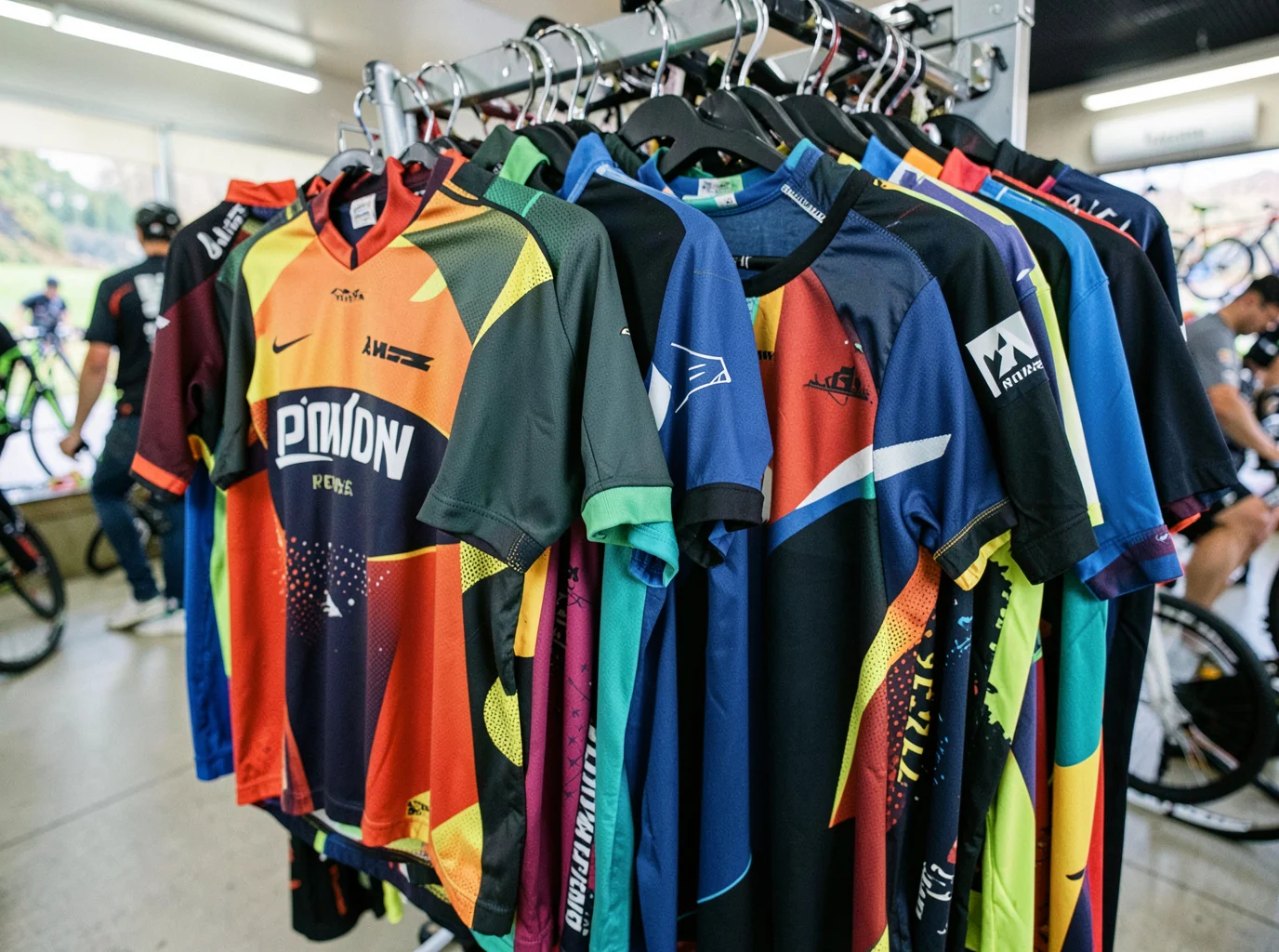
You've probably tried riding in that old running t-shirt from your drawer, and somewhere around mile ten, it turned into a soggy, flapping mess plastered to your back. That's physics. A regular tee and a proper cycling jersey are built for completely different jobs, and once you understand the actual science behind moisture-wicking fabric, aerodynamic cut, and those weirdly useful back pockets, you'll stop wondering why your rides feel harder than they should. Figure out, with real evidence, whether a cycling jersey is worth it, or if your gym shirt is doing just fine.Brands can develop custom Cycling Jerseys for different riding needs.
Cycling Jersey vs Running T-Shirt: At-a-Glance Feature Comparison
Most people buying gym shirts have never considered how they perform at 20 mph in a headwind. A running t-shirt is designed for upright posture, short bursts, and minimal complexity. A cycling jersey is built for hours in the saddle, a bent-forward torso, and speeds where fabric physics matter.
Comparison Dimension | Cycling Jersey | Regular Running T-Shirt |
|---|---|---|
Primary Use | Bent-forward riding, long rides, road cycling | Upright running, gym sessions, shorter workouts |
Fabric | Technical polyester with spandex/elastane, mesh panels, high-density knit | Polyester, blends, or cotton, built for lightweight comfort |
Weight | ~120–150 gsm (summer), 150–180 gsm (versatile) | ~130–150 gsm |
Moisture Management | Moisture-wicking cycling jersey material pulls sweat away and dries fast | Polyester wicks sweat; cotton just soaks and stays wet |
Fit | Compression fit, body-hugging, stretch-engineered | Relaxed, made for running range of motion |
Hem Shape | Dropped tail, covers your lower back when leaning forward | Even front-to-back length, offers zero coverage on a bike |
Aerodynamics | Minimizes flapping, cuts drag | Loose fabric billows, adds resistance |
Storage | Three pockets in back, sometimes zippered | Usually none, maybe one small pocket |
Ventilation | Front zipper, adjustable airflow | Pull-on design, limited temperature control |
Protection | UPF, wind resistance, reflective elements | Rarely designed with riding hazards in mind |
Best For | Road cycling, commuting, climbs, long distances | Running, short casual rides, cross-training |
Moisture-Wicking Cycling Jersey Fabric Technology Keeps Riders Drier

Sweat isn't the enemy. Trapped sweat is. That's where fabric science gets interesting.
Most moisture-wicking cycling jersey fabric is a blend of polyester and spandex or elastane. This isn't a marketing gimmick. That combo gives you four-way stretch, fast drying, and a jersey that snaps back into shape instead of sagging after your third wash. The construction matters too. The main body uses a high-density knit, while mesh panels get strategically placed in the spots where you actually overheat: your back, underarms, and sides.
Technical polyester pulls moisture off your skin and pushes it to the outer surface, where it evaporates fast. Your skin stays relatively dry. The jersey does the sweating for you.
Now compare that to cotton. Cotton absorbs sweat. It sits there soaking it up, getting heavier, clingier, and more uncomfortable with every mile. By hour two of a long ride, you're wearing a wet towel instead of a shirt.
A polyester running t-shirt also wicks moisture, but it's not built for cycling-specific demands.A skilled Cycling Jersey manufacturer can optimize fabric and fit. A cycling jersey combines moisture-wicking with ventilation zones and a fit designed for a bent-forward riding position.
A well-designed jersey cuts down on the sticky, wet feeling during climbs, when your effort spikes and sweat production goes into overdrive. Then on the descent, when wind hits you and your body cools fast, the same fabric helps prevent the post-sweat chill.
You'll notice this most on high-intensity rides, hot weather sessions, repeated climbs, or long rides.
Cycling-Specific Fit Improves Comfort in a Bent-Forward Position
Your body isn't shaped the same way when you're hunched over handlebars as it is when you're standing upright at the gym. Most people buy cycling gear like they're shopping for a t-shirt to wear on the couch.
A cycling jersey is cut for one specific posture — bent forward, hips back, torso angled toward the bars. Everything about the fit follows from that.
The dropped tail. The back hem extends lower than the front, so when you lean forward, it covers your lower back instead of riding up and exposing skin to wind, road spray, or sunburn. A running shirt has no idea this posture exists.
The shorter front panel. Less fabric bunches around your stomach while you're seated and folded forward. No handfuls of extra material trapped between you and the top tube.
Body-hugging construction. The jersey stays close to your skin, but stretch panels at the shoulders and arms still let you move. It's tight where tight helps, loose where loose helps.
Sleeves matter too. Cycling sleeves run longer and fit closer than running tees, so less rides up, less friction, less chafing after hour three.
Seam placement is the quiet hero here. Flatlock seams sit flat instead of creating pressure ridges under your arms or across your shoulders — spots that get brutal on long rides in a regular shirt.An experienced Cycling Jersey factory can refine seam placement.
A regular running t-shirt in this same position rides up, bunches, and rubs. For a 20-minute run, none of that matters. For three hours on a bike, it becomes the only thing you can think about.
You also get fit options within cycling jerseys themselves. A compression fit cycling jersey gives racers a locked-in feel with minimal fabric vibration at speed. A relaxed cycling fit works better for beginners or casual riders who just want comfort without the second-skin sensation.Buyers can ask their Regular Running T-Shirt supplier for fabric samples.
Aerodynamic Cycling Clothing Reduces Flapping and Unnecessary Drag
Your shirt is fighting you. Every time it flaps, balloons, or catches a gust, it's converting your leg power into noise and heat instead of forward motion. Wasted effort you're paying for with your own lungs.
A regular t-shirt is a loose sail strapped to your torso. At walking pace it doesn't matter. But push past 25–35 km/h — group rides, descents, or a stiff headwind — and that extra fabric around your chest, back, and sleeves starts flapping like a flag in a storm. You'll hear it before you feel it. Then you'll feel it, because your body is now working against wind resistance it didn't need to create.
Aerodynamic cycling clothing solves this by fitting closely. Close-fitting sleeves, smooth panels, and stretch fabric eliminate the wrinkles and air pockets that turn a shirt into a parachute. Less fabric movement means a smoother, more stable ride. That's physics doing its job.
When this matters:
Group rides at speed, where drafting and stability count
Descents, where wind exposure spikes fast
Headwind sections, where every bit of drag adds up
Longer rides, where fatigue makes distractions worse
When it doesn't:
Slow urban commutes
Short recreational spins around the neighborhood
Routes with constant stop-and-go traffic
If you're grinding out serious mileage, performance cycling clothing earns its keep with fabric that stops getting in your way.
Cycling Jersey Pockets and Zippers Make Riding More Practical

Nobody warns you about this until you're stranded on a random road with a flat tire and nowhere to put your phone except your mouth. That's the moment cycling jersey pockets stop being a "nice feature" and become the whole reason you're not stuck.
Cycling jersey pockets solve a problem running shirts never had to solve. A standard jersey packs three rear pockets designed to hold energy gels, snacks, your phone, keys, a mini pump, CO₂ cartridges, or a lightweight rain shell. Some jerseys go further with a zippered pocket for your cards or ID, because losing your wallet on a descent is a special kind of bad day.Bulk Cycling Jersey orders can include custom pocket layouts.
Here's why the placement matters. Rear pockets sit where your lower back is, not your stomach. That means no pressure, no digging into your gut every time you breathe hard on a climb. You get access to your stuff without strapping on a backpack like you're heading to school.
The zipper does double duty too.
Full-length zippers let you dump heat on a climb, then zip up fast on the descent when wind turns brutal
Changing after a soaked ride or wrestling a jersey over a helmet is dramatically easier with a full zip
Silicone grippers at the hem keep everything locked in place when you lean forward, so the jersey stays put instead of riding up
A running t-shirt gives you none of this. Most have zero storage, maybe one tiny pocket that fits a key and nothing else. So you end up buying a saddle bag, a handlebar bag, or a waist pack just to carry what a jersey already carries for free.
Cycling Jerseys Offer More Protection Against Wind, Sun, and Road Conditions
Three hours under direct sun does more damage than most riders realize, and your favorite running tee was never built to stop it.
Sun exposure is the first problem. Cycling jerseys use dense technical fabric with actual UPF ratings, usually landing somewhere between UPF 30 and 50+ . That's real, measurable sun protection woven into the material itself. A running shirt is designed to be light and breathable first, which means the weave is thinner. Less fabric density means less UV blocking, even if the shirt technically covers the same skin.
Wind exposure works the same way. The front panels on a jersey are denser than what you'd find on an ultralight running top, giving you more resistance against wind chill during descents or exposed climbs. Breathable cycling apparel solves the overheating side with mesh inserts under the arms, along the ribs, and across the back — so you get wind resistance up front and heat release where you actually need it.
Low-light riding adds another layer. Reflective logos, trims, or side panels on a jersey improve visibility during early-morning rides or commutes home after dark. Most running shirts skip this entirely.
Durability rounds it out. Cycling fabric is chosen to survive constant contact with backpack straps, top tubes, and repeated stretching. That's abuse a soft cotton or running-blend shirt wasn't designed to take.
Cycling Jersey vs Cotton Shirt: Why Wetness and Friction Matter on Longer Rides
A cotton shirt is basically a sponge with sleeves. Cotton absorbs sweat instead of dealing with it, and that sweat doesn't go anywhere. It just sits there, getting heavier, pressing the fabric flat against your skin like a wet handshake that won't end.
Wet cotton rubs harder against your shoulders, underarms, waist, and lower back with every pedal stroke. What starts as a minor annoyance at mile five becomes raw skin by mile forty. Then you stop at a red light, or hit a descent, or catch a gust of wind — and that soaked shirt turns cold fast, sticking to you like a damp towel nobody asked for.
A moisture-wicking fabric pushes sweat outward instead of holding onto it, keeping your skin environment more stable through climbs, descents, and stops. Add stretch fabric, cycling-specific seams, and a stable hem, and you eliminate most of the rubbing caused by torso movement and pedaling.
A technical running t-shirt beats cotton here, but it still won't give you the rear coverage, pocket placement, or wind control a jersey handles by design.
When a Regular Running T-Shirt Is Still Suitable for Riding
Nobody's saying burn your gym shirts. A regular tee still earns its place in specific situations.
Short rides. A quick 20-minute loop around the block doesn't need performance cycling clothing. Your shirt survives fine.
Mild conditions. Cool weather, light wind, a route with stoplights every few blocks — none of that stresses fabric enough to matter.
Beginner testing. If you're not sure cycling's your thing yet, don't drop cash on a best cycling jersey for beginners. Test the waters first.
Indoor cycling. A stationary bike doesn't care about aerodynamic cycling clothing or pockets. You're not going anywhere.
The upgrade moment shows up fast, though. Persistent sweating, back exposure, flapping fabric, shoulder friction, or discomfort past the one-hour mark — that's your body telling you the shirt's out of its depth. The rule's simple: the longer, faster, hotter, or more exposed the ride, the more a real cycling jersey earns its price tag.
Conclusion
Your cotton running tee feels fine for a quick jog, but by mile 30 on a bike, you’re dealing with sweat pooling, fabric flapping, and seams digging into your shoulders. A cycling jersey fixes all that—it wicks moisture, cuts aerodynamic drag, holds your snacks, and fits a bent-over position. Those aren’t marketing features; they’re what happen when a shirt is actually designed for the sport.
So stop white-knuckling it in cotton. Request a custom wholesale price for Regular Running T-Shirts based on order volume.Browse Runcyclingapparel ’s jersey collection, find your fit, and let your next ride be about the road.