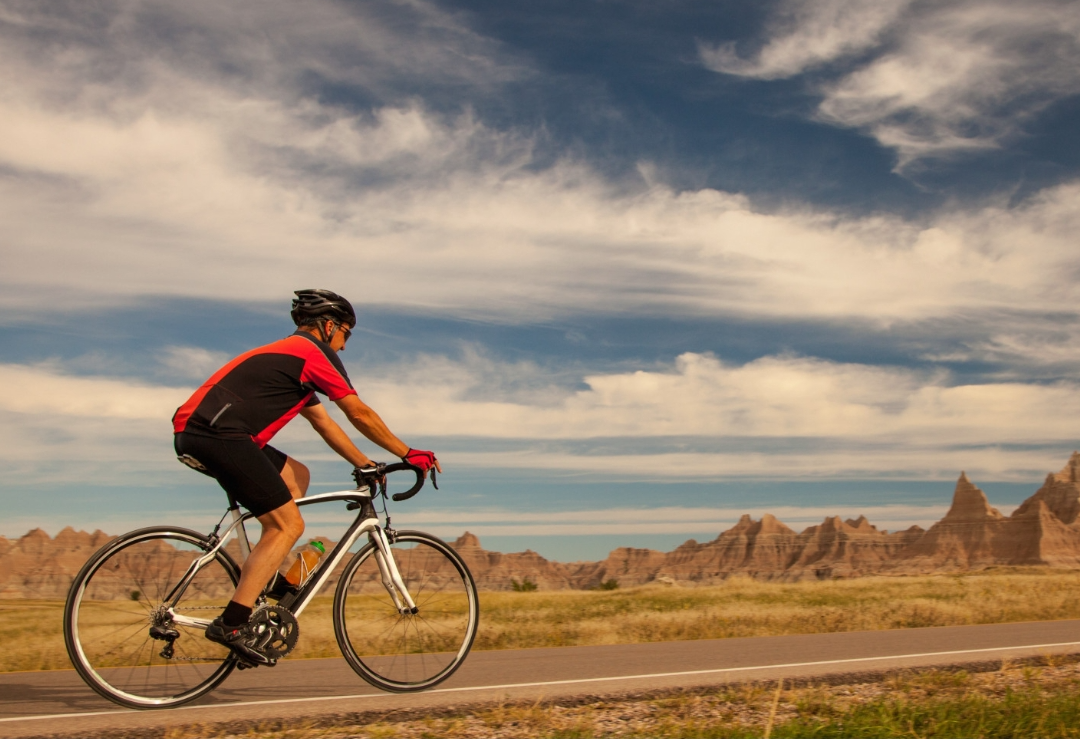
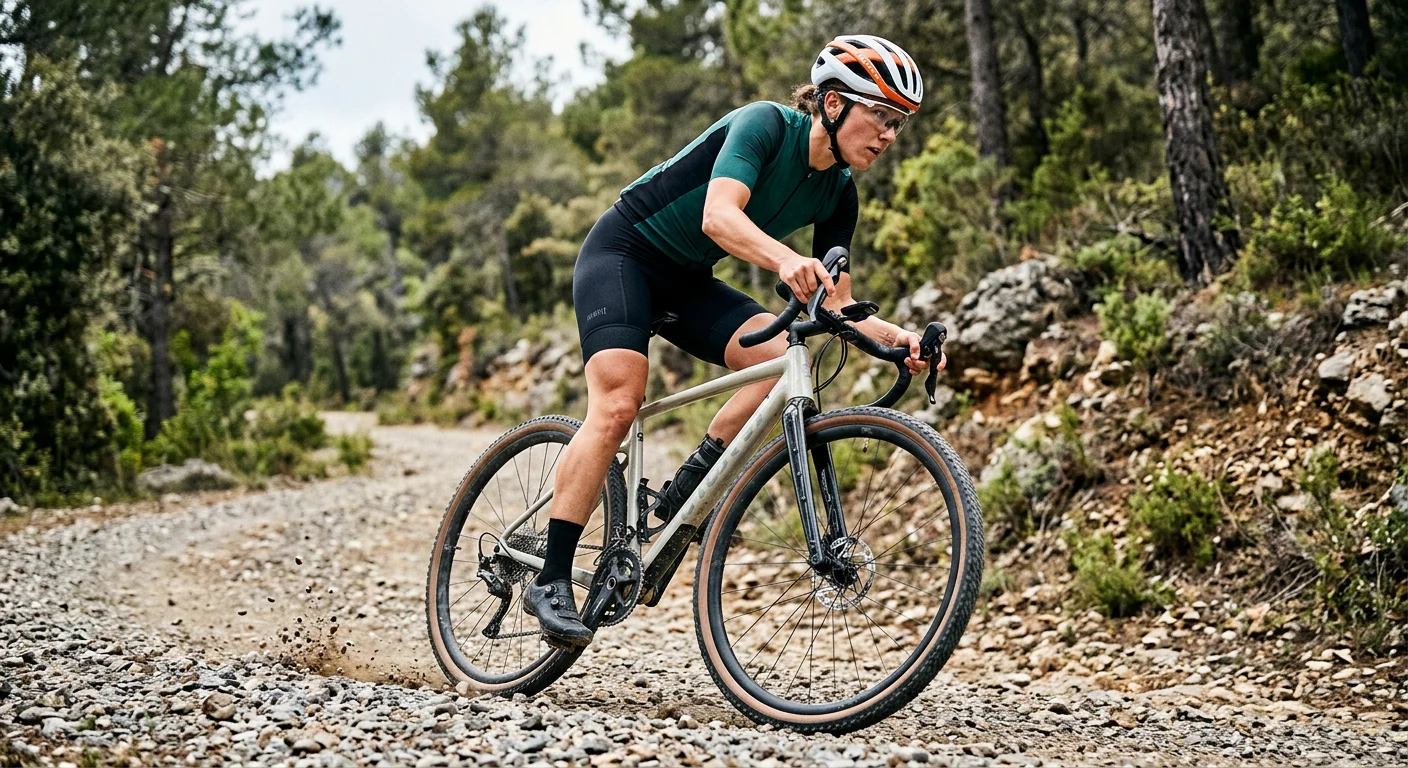
You're standing at the trailhead, staring at your gear pile, wondering if today's the day you regret grabbing that short-sleeve jersey—or overheat in the long-sleeve one you almost left at home. Sound familiar? The short-sleeve vs. long-sleeve call comes down to your mtb jersey material, coverage, and the terrain you're actually riding. Thick brush that'll shred your forearms? Blazing midday heat that turns any fabric into a sweat trap? "How do I feel today" won't answer it.
This guide covers when each style wins—breathability, arm protection, and everything in between—so you stop guessing and ride in gear that works for your trail, not someone else's.Brands can develop custom Short-Sleeve MTB Jerseys for specific trail conditions.
Short-Sleeve MTB Jerseys: Key Features and Best Use Cases
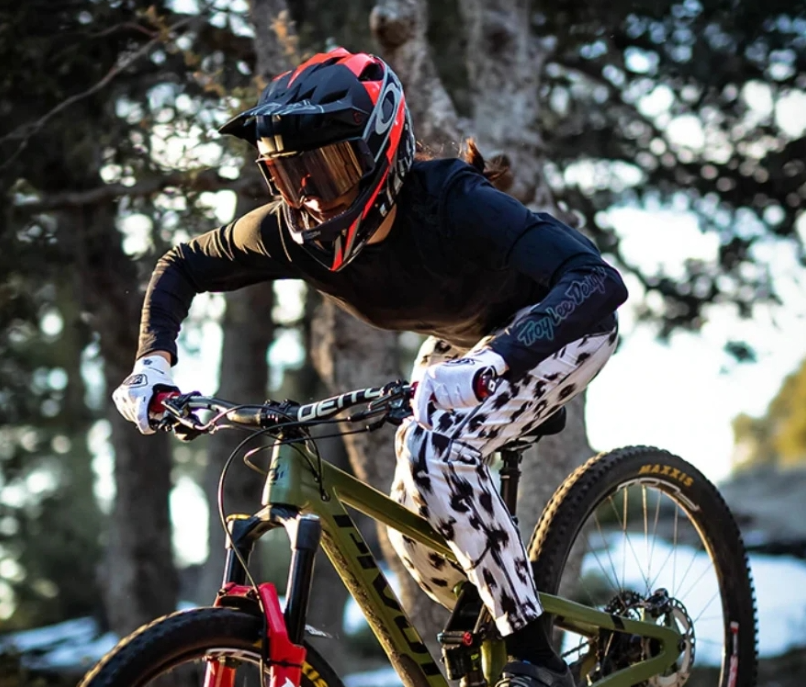
Short sleeves are built around one job: dumping heat fast. That's the whole design philosophy behind most short-sleeve MTB jerseys on the market—high-airflow mesh, quick-dry fabric, UPF sun protection, an extended back hem, and shoulder panels that won't chafe under a hydration pack.
The mtb jersey material breakdown looks pretty consistent across brands: 85% polyester / 15% spandex blends for stretch and fit, recycled polyester paired with ActiveTemp™ for temperature regulation, and bluesign® approved fabrics if sustainability matters to you. On the breathability side, honeycomb mesh polyester shows up constantly in product specs—brands love to tout "lots of airflow" and "very fast drying." Laser-cut ventilation is the other common approach, usually clustered at the back, underarms, and torso sides where sweat needs to escape quickest.An experienced Short-Sleeve MTB Jersey manufacturer can fine-tune airflow zones.
Sun protection is where short sleeves have to work harder. UPF ratings typically run 30+, 50, or 50+—and UPF 50 blocks roughly 98% of harmful UV. That's non-negotiable if you're riding exposed ridgelines.
Where short sleeves actually make sense:
Summer climbs above 25°C — heavy sweat, low wind, maximum heat load
XC racing — lightweight, close-fitting, built for short bursts of high output
Open trails with minimal brush — high sun exposure, so UPF 50+ is your friend
Price-wise, here's the real spread: entry-level sits around $20–30, mainstream options like the Leatt Endurance 6.0 or 5.0 Short Sleeve run $49.99, and premium picks like the Backcountry Slickrock hit $59.40. The Race Face Indy at $34.98 is a solid budget play if UPF 50 is your priority.
The tradeoff is simple: short sleeves cool you down faster, but they leave forearms and shoulders exposed. Pair them with sunscreen or arm sleeves on long, open exposure days.
Long-Sleeve MTB Jerseys: Key Features and Best Use Cases
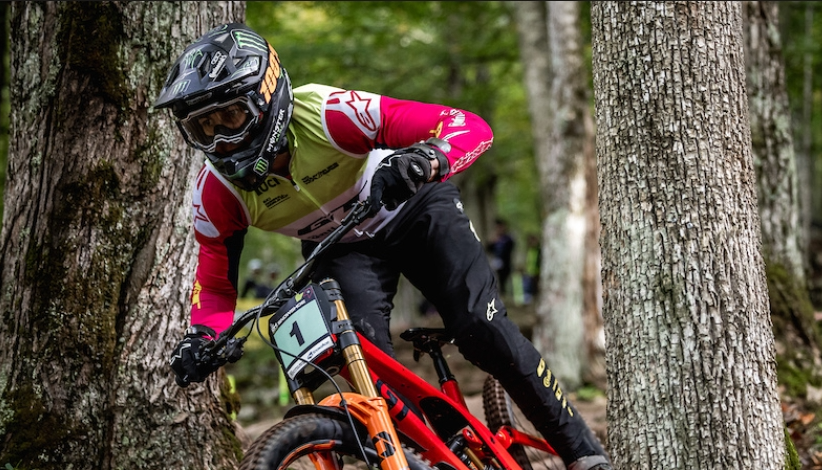
Modern long-sleeve MTB jerseys cover more skin without cooking the rider underneath. They get this done through smarter material zoning.
Take the Leatt Gravity 5.0. It's built from two fabric pieces: an elastic mesh knit across the body and a semi-compressive, very elastic knit on the sleeves for optimal air circulation. The Gravity 2.0 is lightweight, 4-way stretch, bluesign approved, and rated for long days outside without overheating. Other brands cool differently. Castelli's UPF long sleeve jersey uses a slightly perforated front panel. BALEAF relies on side mesh construction. RION vents through the underarms and back, using an 80% polyester / 20% elastane main fabric with 90/10 mesh panels for quick-dry performance.
Nearly every serious long-sleeve option—Gravity 5.0, Gravity 2.0, Castelli, BALEAF, and X4 MTB Jerseys—carries UPF 50+. RION says its UPF50+ fabric blocks 98% of UVA and UVB. That coverage also protects against branches, thorns, and minor trail debris that would otherwise leave you scraped up.
Check elbow pad compatibility. The POC Reform Enduro Tee is cut to leave room for elbow pads and a back protector. With tighter jerseys, sleeves bunch, ride up, or snag around the pad. Most brands solve this with a relaxed body fit paired with tighter, high-stretch sleeves—Leatt's approach with both the 5.0 and 2.0.
Long sleeves work best on brushy, overgrown singletrack where you get sun, scrapes, and trail debris in one ride.Teams should confirm their Long-Sleeve MTB Jersey supplier's MOQ early. They earn their spot in enduro racing where pad compatibility matters as much as breathability. On hot days you'd rather not sunscreen every 30 minutes, UPF 50+ does the work for you.
Key Comparison Dimensions: A Breakdown of Five Decision Factors
One textile study measured a cycling fabric's air permeability at 929.5 mm/s, and it was also the thinnest weave tested. Thin and breathable go hand in hand, so the short-sleeve vs. long-sleeve debate comes down to five measurable factors that determine whether your jersey helps or hurts you on the trail.
1. Breathability vs. Protection
These two pull in opposite directions, and no single jersey wins both. Sigma Sports puts it plainly: short sleeves are built for "sunny day comfort," long sleeves for "maximum breathability and temperature control." Short sleeves dump heat; long sleeves manage it. Brands rarely publish unified UPF or wind-resistance test numbers on product pages, so the honest comparison table looks like this:
Factor | Short Sleeve | Long Sleeve |
|---|---|---|
Fabric weight | Lighter, thinner mesh | Slightly heavier, zoned knit |
Air permeability | Higher (thin weave) | Moderate (compression zones) |
Wind resistance | Low | Often built-in (wind variants) |
UPF rating | Common, but skin exposed | UPF 50+ covers full arm |
Brushed thermal layer | Rare | Available in thermal SKUs |
2. Price Gradient
At Specialized, short sleeves run $49.95–$199.99, long sleeves MTB jerseys $26.99–$189.99. POC prices men's cycling short sleeves at $160–$170, long sleeves at $150–$200. Liv's UK range shows short sleeves at £49.99–£64.99 against long sleeves at £54.99–£69.99. Even discount platforms like Sigma Sports confirm the pattern: short sleeves dip to £57, long sleeves as low as £40, and both stretch into the £140–£198 premium tier.
Short sleeves dominate the budget-to-mid range—they're the high-turnover summer staple. Long sleeves carry more price ceiling because they do double duty as warmth, wind, and coverage layers, not just fabric.
3. Value Tiering Across the Market
Entry-level jerseys start around £15, while thermal or wind-resistant long sleeves push past £100+. That gap reflects a real functional premium. A £15 jersey saves on fabric cost by relying on airflow alone. A £100 long sleeve pays for zoned knit construction, wind-blocking panels, and brushed interiors.
4. Seasonal Versatility
Long sleeves are not a single product. Specialized splits theirs into a standalone Long Sleeve Thermal Jersey, priced well above the basic line. POC goes further with Cadence Long Sleeve and Thermal Lite Long Sleeve, each tuned for a different temperature band. This matters for spring and fall riders: you're choosing which long sleeve—lightweight, thermal, or wind-resistant—based on the morning chill versus the midday warm-up.
5. Cost-Per-Wear Reality
Short sleeves win on frequency—you'll wear them more months per year in most climates, which lowers cost-per-wear even at similar price points. Long sleeves win on range: one well-built thermal-lite option can replace three seasonal layers. Neither is "better."
Match the Best Choice by Riding Scenario (Trail Riding Scenario Guide)
Ask "better for what ride, on what day" instead of treating "which jersey is better" as a blanket question. Riders who log serious trail time settle this the same way every time: match the sleeve length to the terrain and temperature you're actually facing, not the one on the hanger that looks coolest.
Hot, dry, wide-open trails are short-sleeve territory, full stop. Riders pushing through 90°F+ (roughly 32°C+) consistently report reaching for short sleeves—no debate, no hedging. When the sun's brutal but the trail's still exposed, some layer a lightweight long-sleeve sun layer over a short-sleeve base instead of going full long-sleeve. That combo shows up often in hot, high-UV climates where a breathable mountain bike jersey alone isn't quite enough sun coverage but a heavy long sleeve would cook you.
Brushy, overgrown singletrack flips the script. Once branches, thorns, and tall grass enter the picture, lightweight long sleeves become the default. Trail and outdoor gear guides consistently list long sleeves as the baseline arm protection mountain biking solution, not optional, not a "nice to have." Scrapes from unseen brush add up fast on a full ride.
Mixed terrain (climb, descend, forest, rock garden, repeat) also leans long sleeve. Climbs want airflow, technical sections want coverage, and a lightweight long sleeve threads that needle better than swapping jerseys mid-ride ever could.
Cold mornings are the clearest threshold in the data. Riders start switching to long sleeves around 50°F (about 10°C), and by 40°F (roughly 4°C), they're layering something heavier underneath. Some riders treat "short sleeve plus a thin long-sleeve layer" as their exact 50°F cutoff strategy.
XC racing still favors short sleeves, or short sleeve with an ultra-light sun layer, because sustained climbing and max output demand heat dumping over coverage. But if the course has brush, long exposure, or technical sections, a lightweight long sleeve becomes the more complete call.
Quick Scenario Cheat Sheet
Scenario | Best Choice |
|---|---|
Hot, open, high-output riding | Short sleeve |
Brush, thorns, mixed forest trail | Lightweight long sleeve |
Cold mornings (below 50°F) | Long sleeve |
XC racing | Short sleeve (long sleeve if technical/brushy) |
If you're only buying one jersey for general trail riding, the safer default is a lightweight long sleeve that covers UV, scrapes, and small branches without sacrificing much breathability.
Common Questions Answered (FAQ) — Clearing Up Purchase Hesitations
A handful of myths keep riders stuck between short and long sleeves. Here's what the data and product specs actually say.
Will a long sleeve make me overheat?
No, if it's built for warm weather. Road.cc says lightweight long-sleeve jerseys are "typically designed for warmer conditions and summer riding," not cold-weather insulation. MAAP recommends breathable, not-too-heavyweight, moisture-wicking fabric for hot rides and points to lightweight breathable long-sleeve jerseys as their summer pick. Panache Cyclewear uses tight knit mesh sleeves that block sun and still breathe. The right fabric technology makes long sleeves work in warm weather.
Isn't a short sleeve safer, since it's cooler?
Cooler, yes. Safer, not necessarily. The real risk with short sleeves is UV exposure on bare forearms. That's why UPF 50+ shows up constantly as a spec on long-sleeve sun protection cycling jersey options. It's the industry's direct counter to sunburn risk. Mesh panels at the back and armpits (a common Bicycling-cited detail) keep things cool while UPF 50+ handles the sun.
Are long sleeves only for cold mornings?
No. Bicycling classifies certain long-sleeve builds specifically for the 65–85°F range. That's warm-weather territory, not a cold-morning layer.
Will elbow pads feel bulky under a long sleeve?
Depends on cut. Brands cut MTB long sleeves specifically shaped for elbow pads and a back protector. Fitted-cut sleeves hug closer for pads that shouldn't shift; relaxed cuts give bulkier protection more room.
Buying Decision Checklist: How to Choose Based on Your Needs
Skip the guesswork. Run your ride through this checklist before you buy, and the sleeve-length question answers itself.
Match jersey to terrain and temperature:
Brush, thorns, singletrack → long sleeve, UPF 50+, 4-way stretch. Arm protection is non-negotiable for mountain biking in these conditions.
Average temp above 22°C → short-sleeve quick-dry, mesh panels, maximum airflow.
15–22°C range → either works. Let sun sensitivity or wind exposure make the call.
Chasing max ventilation → short sleeve, mesh construction, lightest mtb jersey material you can find.
Sun exposure is the main threat, not cold → long sleeve with UPF 30+ or 50+, still moisture-wicking.
Fabric-label cheat sheet, since specs get confusing fast:
Moisture-wicking pulls sweat off skin for faster evaporation.
Breathable means airflow, often paired with wind or rain resistance.
Quick-dry pairs with moisture-wicking for hot, long rides.
4-way stretch keeps arm and torso movement free.
UPF 20/30/50+ signals sun protection—higher number, stronger block.
One jersey with breathable, UPF, and 4-way stretch covers commuting, training, and trail days without a second purchase.
Conclusion
The right sleeve length depends on your trail, your season, and your skin’s tolerance for scratches. If you’re grinding through open singletrack in summer heat, a breathable mountain bike jersey with short sleeves keeps you cool and unrestricted. But if brush, branches, or chilly mornings are in your forecast, you need long sleeves with real moisture-wicking cycling jersey fabric that won’t leave you sweaty and miserable.
Stop guessing and match gear to your actual rides. Request a custom wholesale price for Long-Sleeve MTB Jerseys for bulk orders.Check Runcyclingapparel’s trail-tested jersey lineup—it’s built with the fabric technology and fit that serious riders demand. Your next ride shouldn’t be spent tugging at fabric or nursing scratches. Pick the sleeve length that fits your trail, gear up, and go ride.