Somewhere around mile 60, every rider learns the same painful lesson: your shorts either work with your body, or they work against it. That mid-ride shifting, the waistband digging into your gut every time you lean into the drops, the chamois that felt fine in the parking lot but now feels like sandpaper. None of that is bad luck. It's a design problem, and it comes down to one question: bibs or shorts?
Both promise custom padded cycling shorts comfort. Both claim to protect you where it counts. The bib shorts straps versus waistband debate isn't gear-nerd trivia; it's the difference between finishing your century ride grinning or gritting your teeth. We'll break down how each one performs when the miles pile up, so you can stop guessing and ride further, and more comfortably.
Bib Shorts vs Cycling Shorts: Comfort & Stability for Long Rides

Once you've logged enough saddle time, the math becomes simple. Pressure applied for 20 minutes is an inconvenience; pressure applied for 4 hours is a crisis. That's why bib shorts dominate endurance cycling. Waist shorts have a band of elastic cinched around your midsection that digs in every time you hinge forward into the drops. Bib shorts eliminate that variable.
Why Straps Win Stability
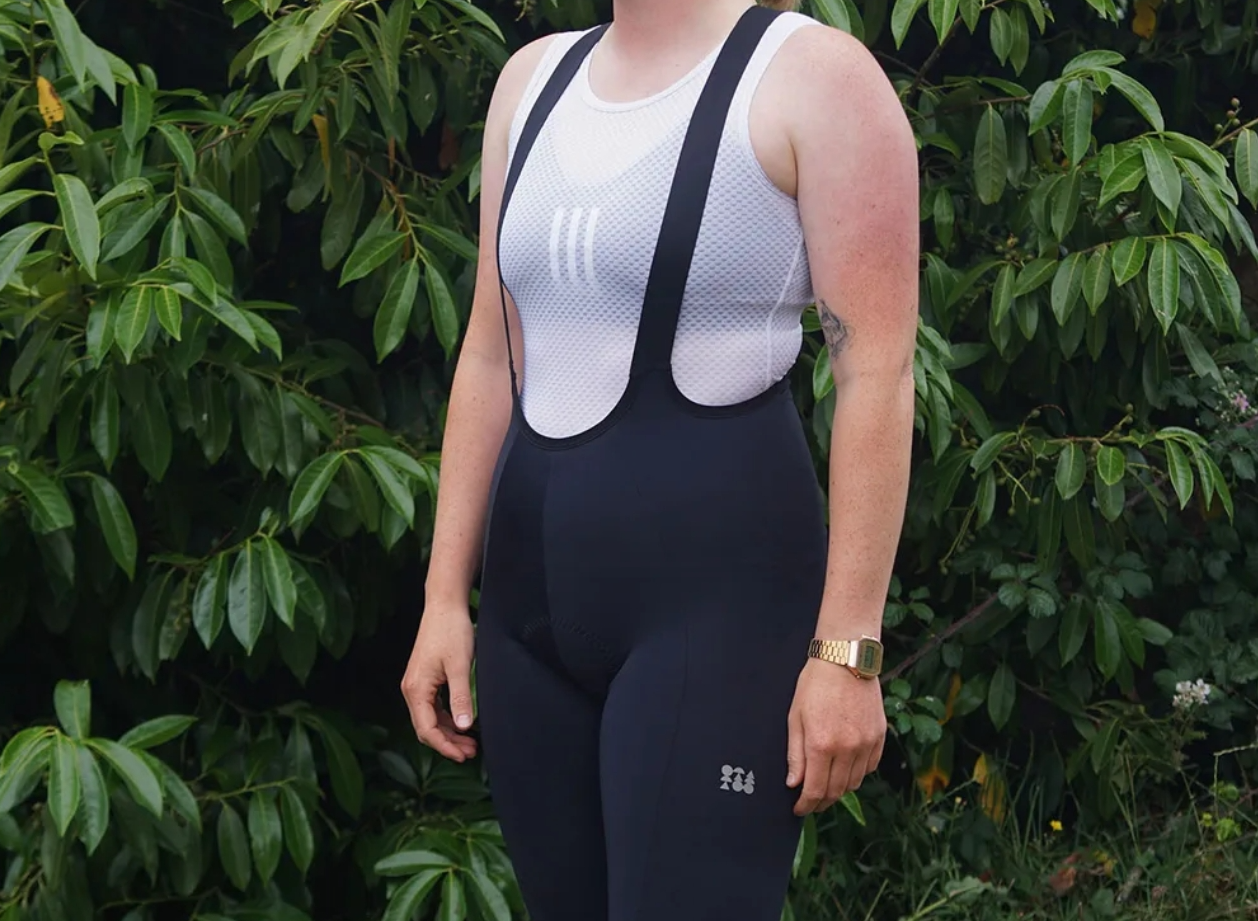
Bib straps suspend the shorts from your shoulders instead of gripping your waist. The chamois pad stays "locked in place" or "perfectly placed" mile after mile. Waist shorts rely on elastic that can roll, slip, or ride down as you sweat and shift position. On a 20-minute spin, that's negligible. On a century ride, it's the difference between a stable pad and constant readjustment.
The Chafing Factor
Endurance-focused bibs control friction with flatlock seams, silicone leg grippers, and compressive fabric that moves with your muscles instead of against them. These features prevent skin irritation caused by fabric bunching over long durations.
Padding Benchmarks That Actually Matter
If you're riding past the 3-hour mark, look for 12mm+ padding at the sit bones (general guidance sits at 10–15mm). Density is the critical spec. Cheap foam compresses flat around the 90-minute mark. Multi-density chamois construction resists that collapse.
Body Type Changes the Calculus
Riders with belly pressure or waistband sensitivity gravitate toward bibs almost universally. Lean, long-torso riders in aggressive positions do the same. Waist shorts still have a place for easier bathroom breaks and simpler layering. But for anyone logging 3–5 hour rides or chasing a century, bibs are the standard.
Breathability & Bathroom Convenience Trade-offs
Bibs aren't hotter than shorts. The heat comes from coverage area, not the strap design. Men's Cycling Bib Shorts Manufacturers solve this with perforated back panels, mesh shoulder straps, and lightweight foam—features that get called "excellent breathability" in reviews even on premium bib shorts.
The temperature data backs this up. Most four-season bibs work best between 10–18°C worn alone, and stretch to 2–12°C with leg warmers. Breathable summer models push comfortable use up to 5–20°C. What matters is whether the back panel and straps are open-mesh or solid.
The Bathroom Question Men Actually Care About
Men have it easy here. Standard bib shorts let you pull the front down to relieve yourself—no jersey removal needed. It's a five-second stop, not a wardrobe change.
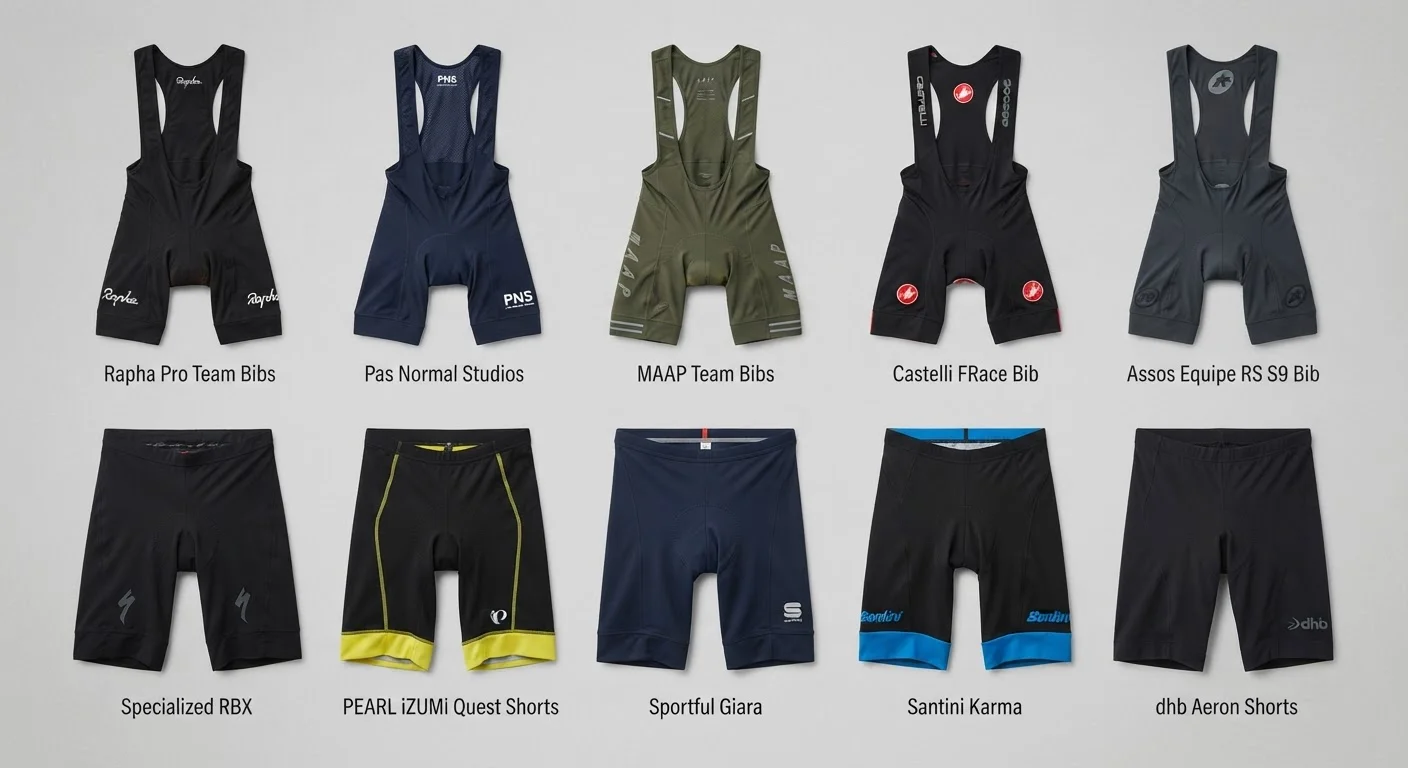
Some brands go further with drop-tail zippers (Gore, Bioracer), magnetic clips (Assos, Rapha), or high-stretch elastic straps that pull down without unclipping ( Endura , Velocio). If you're stopping every 60–90 minutes for water or a bathroom break, those quick-release features matter. If you're riding straight through, standard mesh-backed bibs with perforated straps manage heat fine without the extra hardware.
Chamois Pad Technology: How It Affects Long-Distance Comfort

Foam thickness gets all the marketing attention. Density is the spec that determines whether you're comfortable at hour six. A thick pad made from soft, cheap foam will still bottom out. A thinner pad built from dense, high-quality foam holds its shape mile after mile. The benchmark is 60–80 kg/m³ for genuinely dense padding, with premium multi-layer pads often stacking a 65 kg/m³ top layer over a 100 kg/m³ reticulated base layer underneath. Le Col uses two layers, 4mm each, totaling 8mm, with that density combination for sit-bone support.
Matching Pad Thickness to Ride Duration
Match the pad thickness to your ride:
Under 3 hours: 4–6mm, thin and low-profile
2–4 hours: 8–10mm, medium-density
3–6 hours: 9–12mm, multi-density foam with pressure-relief channels
Over 4 hours, 100km+, or multi-day tours: 12–15mm, high-density anatomical shaping
Riders logging 3–6 hours weekly do fine with 8–10mm pads. Anyone over 6 hours weekly or running multi-day trips should look at 12–15mm.
What Separates a Good Pad from a Great One
For road cycling apparel built around century rides and 100km+ efforts, look for a 12–14mm anatomical pad with a perineal channel. That center groove reduces pressure exactly where prolonged saddle contact hurts most. Gravel and mixed-terrain riders should go with 10–12mm multi-layer pads that absorb vibration and add lateral stability across 50–100km of rougher surfaces.
Compression cycling shorts worn underneath or built into the bib add another layer of endurance support. They reduce muscle fatigue and stabilize soft tissue during thousands of repetitive pedal strokes without directly affecting chamois comfort. That matters as much as padding once you're past the halfway point of a long ride.
Which One Should You Choose Based on Your Riding Scenario?
Your ride time is the only thing that matters.
Under 45 minutes: Grab cycling shorts. No debate needed. A quick commute or a spin class doesn't demand the added structure of bibs.
45 minutes to 2 hours: Cycling shorts still win by default. But if you're noticing your waistband digging in or your shorts creeping down mid-ride, that's your body telling you it's time to upgrade.
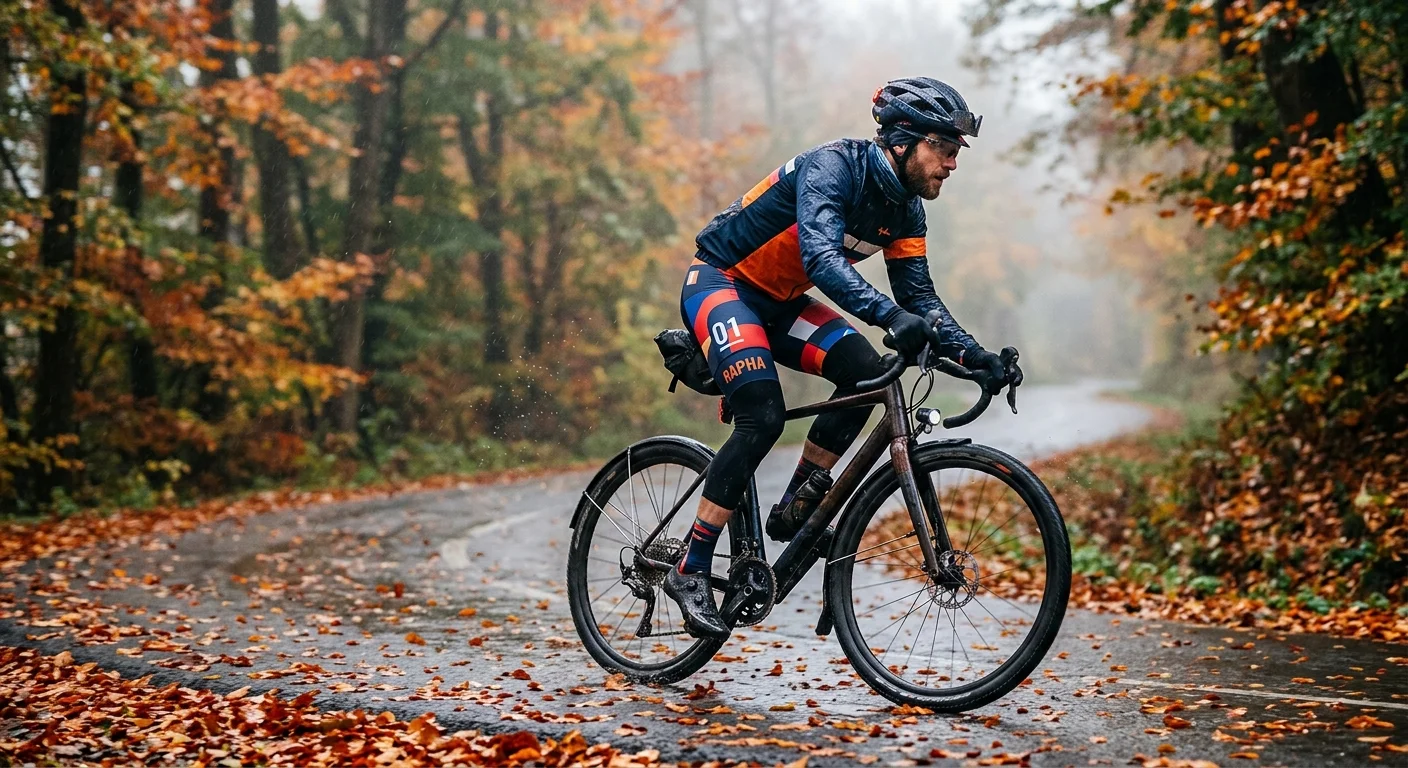
Over 2 hours, century rides, or endurance training: Bib shorts become the standard. Buying guides define endurance riding as 3–6 hours or longer. The high-density chamois, stable riding position for hours in the drops, and shorts you stop noticing by hour two or three make the difference.
Triathlon or frequent transitions: Skip the bibs here. Straps that need unclipping cost you seconds in transition zones and complicate bathroom stops. Standard cycling shorts or tri-specific shorts handle quick changes better.
Budget Reality Check
Endurance-grade bibs aren't cheap. Expect $210–$296 men's cycling bib shorts for something like the Assos Mille GT/GTO, built with denser chamois and compressive fabric rather than lightweight race cuts. If your rides stay under two hours and you're not logging weekend century attempts yet, a solid mid-range pair of cycling shorts will serve you better than an expensive bib you don't need yet. Save the upgrade for when waistband pressure or saddle slippage actually becomes a problem.
Climate Matters, But Doesn't Flip the Script
Hot weather riders can still wear bibs comfortably. Look for models rated 18–35°C with mesh straps and moisture-wicking panels. In mild climates, bib comfort advantages show up faster since you're spending more time in the saddle without heat working against you.
Sizing Guide: How to Get the Right Fit for Bibs and Shorts
Most guys size cycling shorts like they size a t-shirt, going by chest or general "feel." That's backward. Hip and waist measurements come first, height second. Skip that order, and you'll end up with a chamois pad that migrates or straps that choke your shoulders by mile three.
Sizing Chart Reference
Size | Waist | Hip | Height |
|---|---|---|---|
XS | 26–28 in / 62–70 cm | 32–35 in / 76–89 cm | 5'1"–5'5" |
S | 28–30 in / 68–77 cm | 34–38 in / 84–98 cm | 5'4"–5'8" |
M | 30–33 in / 74–82 cm | 36–41 in / 88–103 cm | 5'7"–5'10" |
L | 33–36 in / 83–93 cm | 39–46 in / 97–114 cm | 5'8"–6'0" |
The Strap Length Test
Taller riders with long torsos should size up. XL bibs often stretch to cover 5'10"–6'4" frames. Standing tall, the straps should feel snug but not choke. Lean into your riding position: if straps yank your shoulders back, they're too short. If the saddle feels unstable once you're pedaling, they're too long.
Waistband Rule for Standard Shorts
Snug, never restrictive. One finger should slide under the band comfortably. Squat and lean forward like you're gripping the drops—if the band rolls or digs in, size up. When waist and hip measurements split between two sizes, prioritize hip fit. A loose waist just means readjusting; a tight hip means chamois displacement and friction for hours.
Price vs Performance: Is It Worth Paying More for Bib Shorts?
A $50 pair of shorts and a $280 pair of bibs aren't selling you the same product. They're selling you two different relationships with your saddle. The trick is knowing which one matches how much time you spend on the bike.
What the Price Bands Actually Buy You
$40–80: Single-density foam, basic construction. Fine for rides under 2 hours, but that's the ceiling.
$80–160: The sweet spot for most riders. Better compression, tighter fit, real pad quality gains over entry-level.
$160–250: Where gran fondos and 4+ hour training rides start paying off. Denser chamois, better seams, fabric that holds compression longer.
$250+: Diminishing returns. You're paying for marginal refinements built for elite-level use, not comfort leaps.
Premium bibs run $250–$300 retail. Solid midrange options test out around $140–$181. That gap matters when you're deciding where your riding fits.
The Fabric and Chamois Difference
Higher-end bibs use blends like 80% polyamide and 20% elastane, built for wear resistance and compression that doesn't quit at hour three. The fabric lies flat in riding position, no bunching, no wrinkles pulling at your skin. Basic pads compress and go flat past the 2-hour mark. Denser, multi-density foam in pricier bibs doesn't.
The Long-Term Math
A pair worn twice weekly lasts 150–200 washes, roughly 18–24 months, before the foam stops rebounding. Higher-elastane fabric holds compression past 80 washes; cheaper fabric goes slack at half that. If you're riding often, a $220 cycling bib shorts spread across two years beats replacing $60 cycling shorts four times over.
Where to Put Your Money First
New to long rides? Target $80–160. Fit and chamois quality matter more than anything above that men's cycling bib shorts' price point unless you're already logging 4-hour rides regularly. Racking up serious mileage? Move into $160–250 territory of men's cycling bib shorts, where pad quality, seam durability, and wash resilience show up on century day. Spend on bibs after your saddle, fit, and shoes are sorted. That's where the upgrade pays off.
Frequently Asked Questions About Bib Shorts vs Cycling Shorts
Every rider hits the same wall of questions before buying gear.
Can you layer bib shorts with regular cycling shorts?
No. Bibs work as a standalone outer layer, straps pressed directly against your base layer. Doubling up with regular shorts underneath adds friction, restricts movement, and shifts your chamois pad out of position. For cold rides, layer leg warmers or a wind shell over your bibs instead. That adds warmth without losing strap stability.
How do you wash bib shorts without wrecking them?
Cold water, gentle cycle, no bleach or fabric softener. Skip the dryer's high heat. Wash inside-out, ideally in a mesh bag, away from Velcro or zippers that snag the straps. Air dry out of direct sun. The straps and chamois pad take the most stress, so treat them most gently.
Do women need different bib shorts than men?
Yes, beyond sizing. Women's chamois pads are wider, shorter front-to-back, and shaped for pelvic anatomy. Straps route around the chest using cross-back or halter designs instead of a straight pull. Drop-tail features for bathroom convenience matter more here too.
I'm new to long rides. Which one should I buy first?
Ride under 60 minutes weekly? Stick with cycling shorts, cheaper and faster to pull on. Riding past that mark regularly, even at a modest budget? Bib shorts pay off fast in reduced waistband pressure and chamois stability once the miles add up.
Conclusion
How far are you willing to ride before comfort becomes non-negotiable? For quick spins around the neighborhood, traditional cycling shorts get the job done. But once you're logging serious miles—century rides, multi-day tours, or long weekend grinds—bib shorts straps and their superior compression design earn their keep, eliminating waistband dig and keeping your chamois pad exactly where it needs to be, mile after mile.
Don't let subpar gear cut your ride short. Whether you're chasing personal distance records or just want to finish a long day in the saddle without wincing, investing in quality bib shorts pays dividends in comfort and confidence. Browse Runcyclingapparel 's lineup of endurance-tested bib shorts and cycling shorts today, find your fit, and get back to focusing on the road ahead.