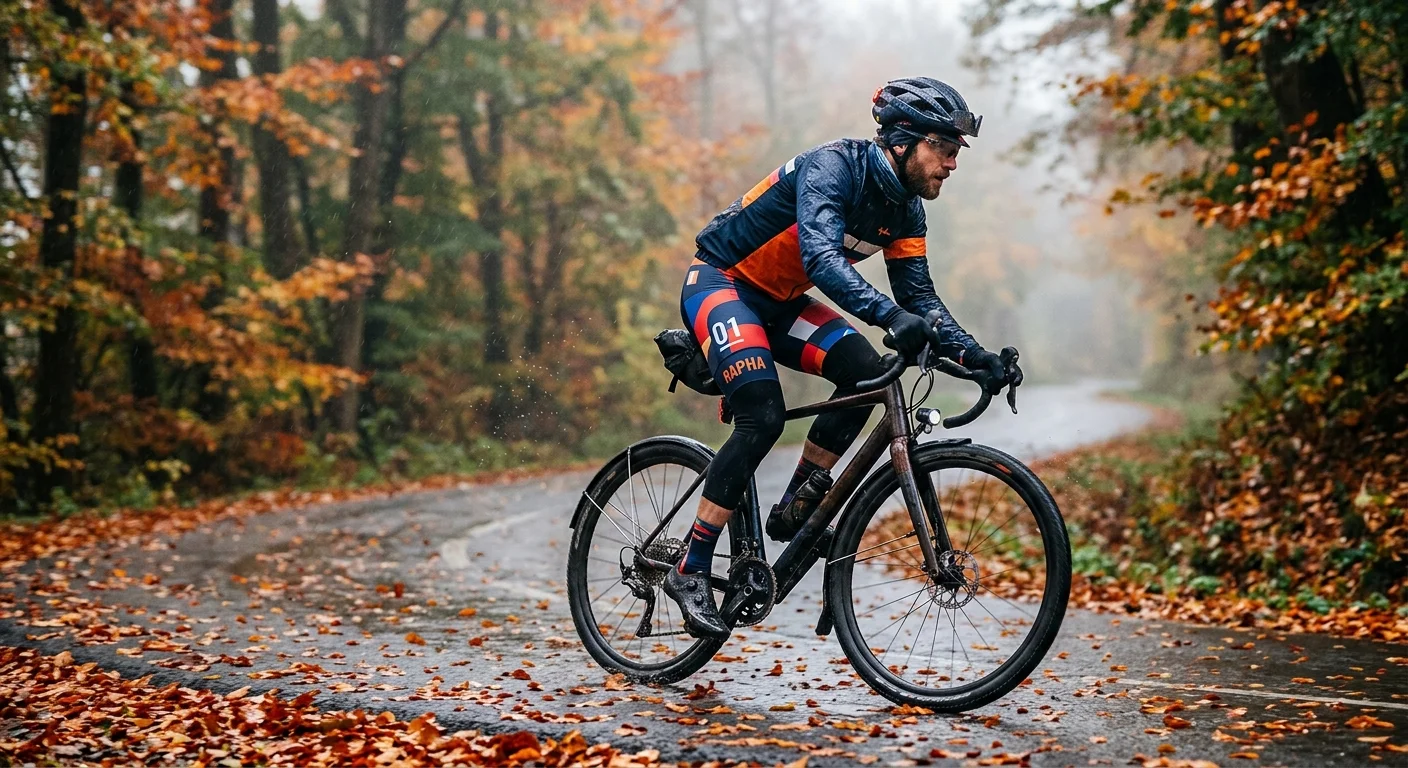
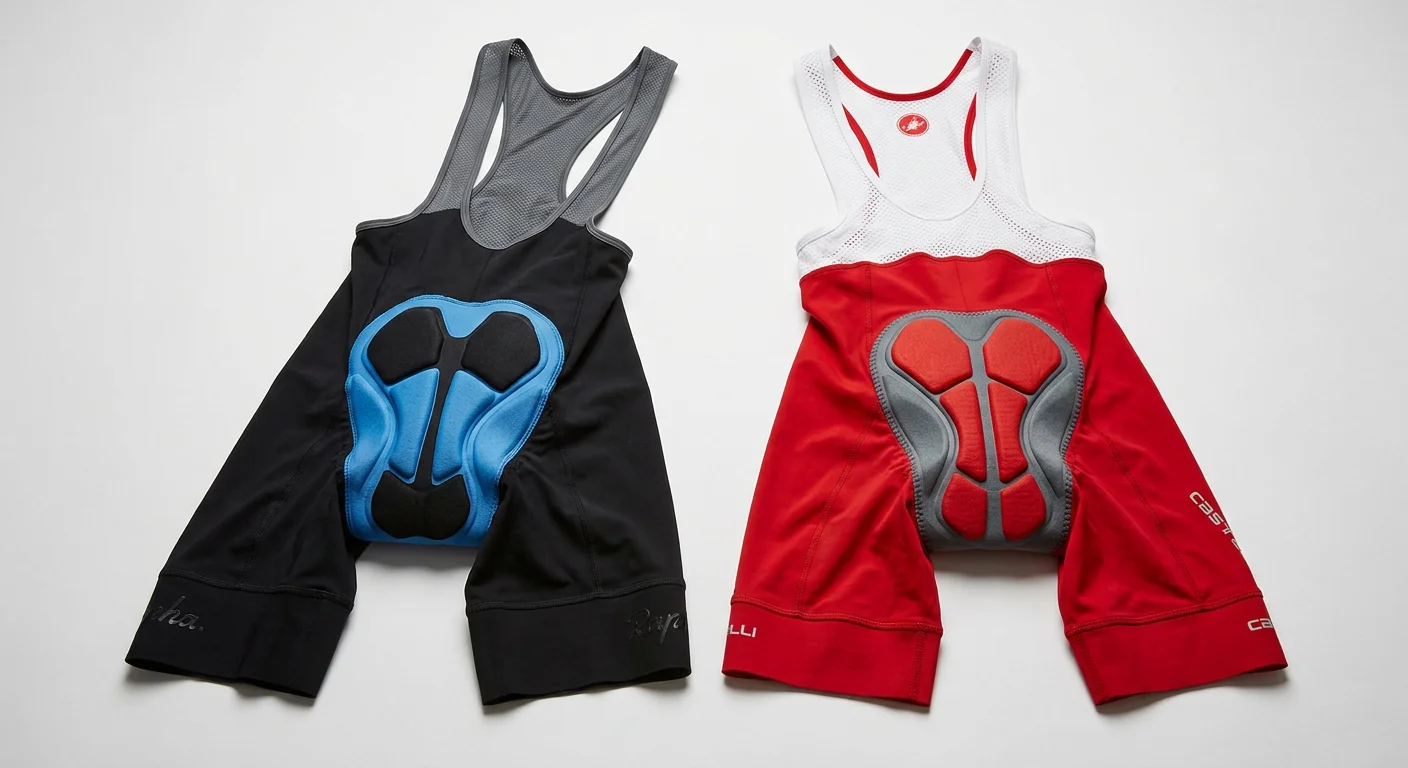
Around mile 58, something shifts. The chamois that felt fine at mile 10 has turned into your worst enemy. You're squirming in the saddle, desperate, trying to hold your pace.Riders investing in custom women’s cycling bib shorts quickly learn that long-distance comfort depends far more on chamois design than flashy branding.
You already know: not all women's cycling bib shorts for long-distance rides are built the same. And "women's specific fit" on a hang tag means nothing if the chamois was designed by someone who has never spent five hours on a saddle with a female pelvis.
We tested six pairs across 80- to 100-mile rides. Real miles. Real road vibration. Real hour-five misery. All to answer one question before you spend your money: does it still feel good when everything else has stopped feeling good?
Test Protocol & Hour‑by‑Hour Comfort Evaluation Criteria
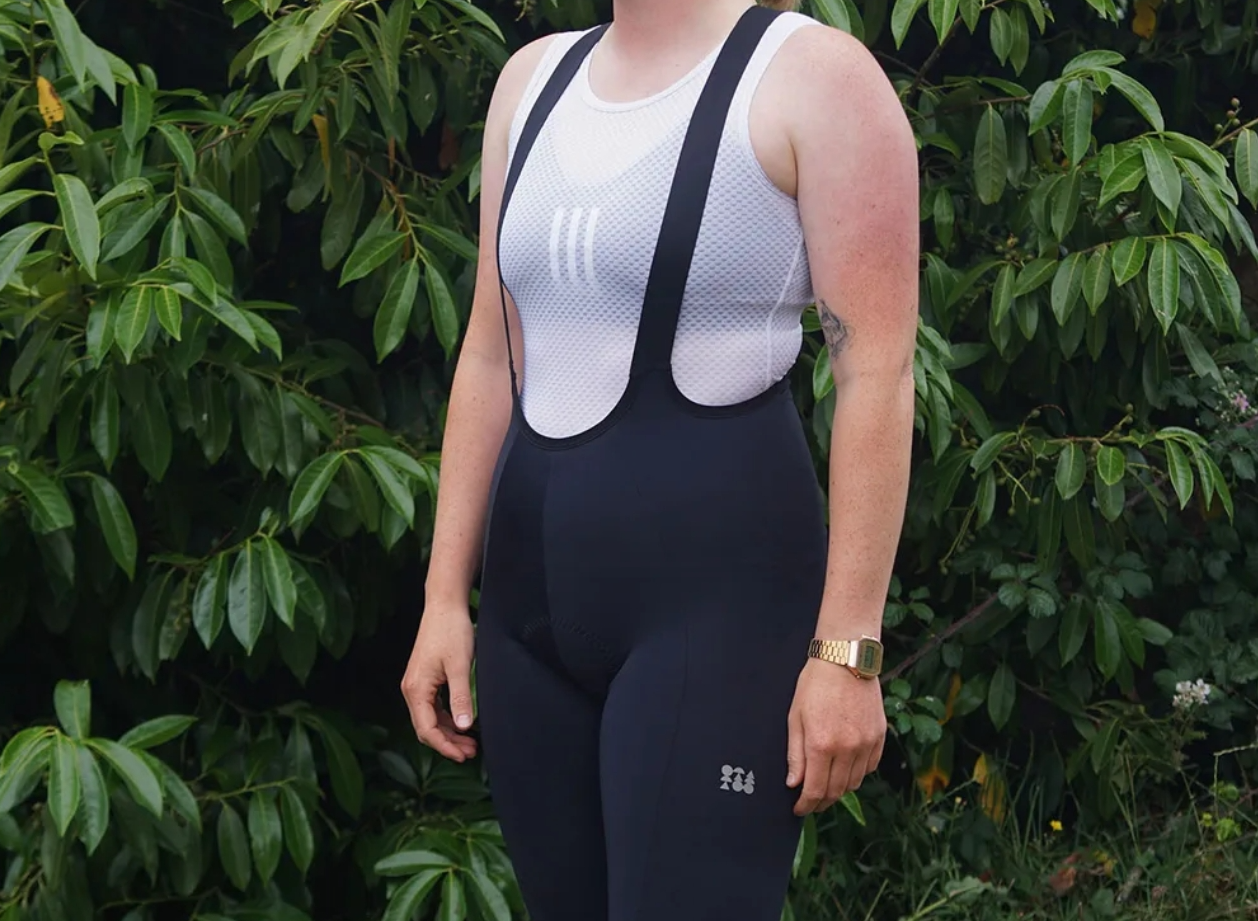
Good intentions don't survive mile 70. So we built a protocol that doesn't either.
Six pairs of women's bib shorts. Ten to eighteen female riders per test wave. We bought every unit through normal retail channels — no brand samples, no pre-production "tuned" versions, no favors. Logos taped over where possible so riders stayed brand-blind. Confirmation bias is real and expensive. We couldn't let it in.
The route: a structured 78–102 mile mixed-terrain loop in the Pacific Northwest. Rolling tarmac at the start. Sustained 8–12% climbs through the middle. Then chipseal and broken pavement in the final stretch — right when your body has already checked out. Temperature ranged 62–78°F. No mid-ride removal. No washing. The chamois compression you feel at mile 85 is the honest version.
Riders spanned:
- Sit-bone widths of 30–36 cm
- Body weight 105–155 lb
- A 50/50 split between aggressive road geometry and upright endurance posture
We scored comfort at three checkpoints — Hour 1, Hour 3, and Hour 5+ — across five metrics: pressure distribution, perineal relief, moisture management, chamois stability, and chafe onset. Each metric rated 0–10. Any bib that scored below a 6.0 Endurance Index at Hour 5+, or pushed chafe scores to 3 or below for more than 30% of riders, got flagged as non-endurance-worthy. No exceptions. No softening.
The one question that mattered: would you do this ride again in these shorts?
Velocio Women's ONE Bib Short
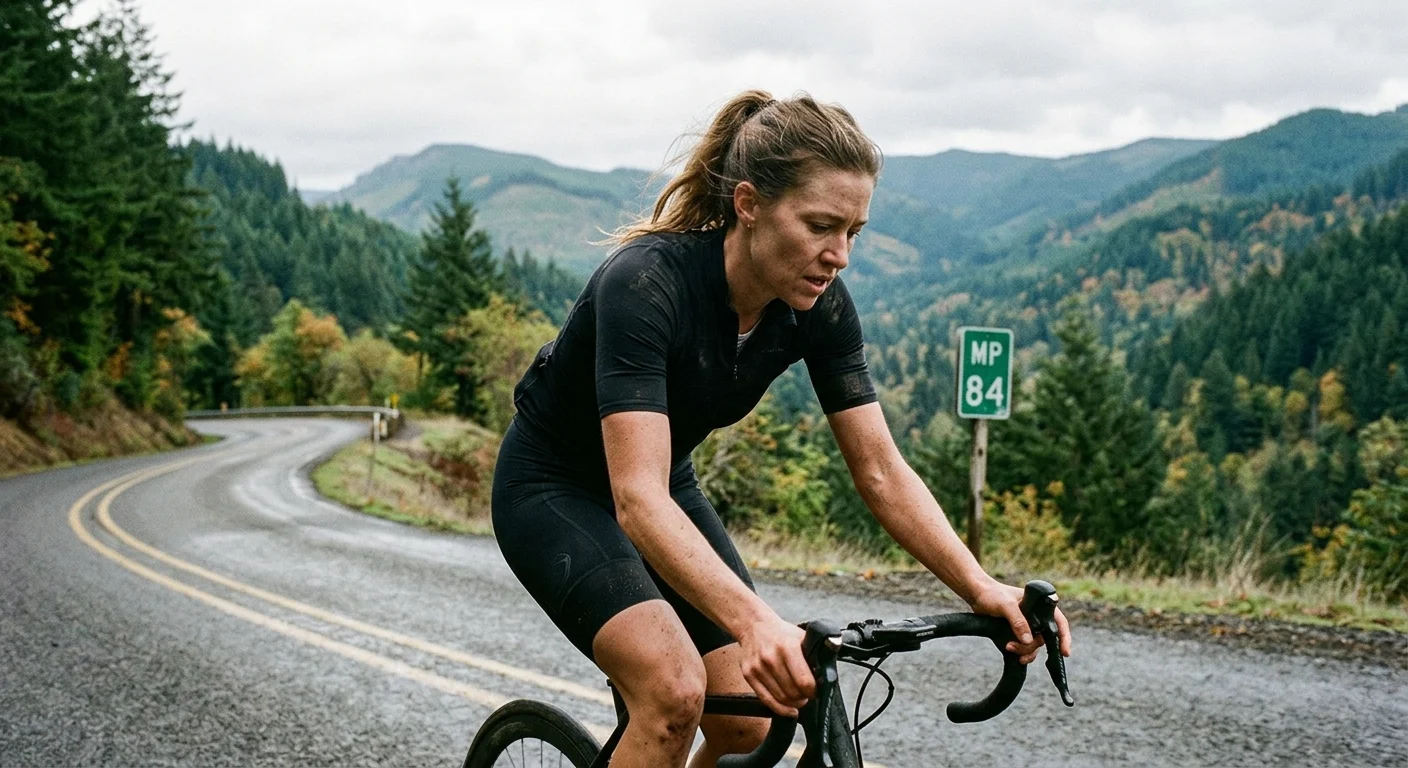
Test distance: 92 miles | Hour 5+ Endurance Index: 8.5 | Price: ~$209
Velocio built the ONE as their "affordable" entry — and yes, that word comes with air quotes. At $209, it costs more than most women spend on bib shorts without a second thought. But that price buys you something real: a chamois co-developed with Cytech (Elastic Interface, Italy). That's the same pad specialist behind the far pricier LUXE and CONCEPT. This isn't a stripped-down version of Velocio's technology. It's the same core engineering, shaped into a different package.
Our 92-mile test backed that up. Clearly.
Hour 1 (Score: 9.2): You feel the compression right away — firmer than a "training bib" label suggests, closer to race gear than casual wear. Riders with narrower to medium pelvises settled in fast. The raw-cut Lycra leg bands sit like a second skin. No tourniquet effect. No bunching. Just clean contact that cheaper finishes rarely deliver.
Hour 3 (Score: 9.0): Chamois stability was the standout here. The connected bib straps and compressive fabric held the pad in place from start to finish. No drift. No migration. No mid-climb adjustments. On sustained 8–12% grades, that kind of locked-in platform matters more than any foam density spec sheet can tell you.
Hour 5+ (Score: 8.5): Comfort held up, but the compression started making demands. Riders in an upright endurance posture found the fit grew more assertive in the final stretch — not painful, but noticeable. Riders in a committed road position felt little difference. That gap matters. The ONE's race-leaning cut works best for riders whose pelvis already rotates forward on the bike. It rewards that position. It doesn't adapt around it.
Who It's For
Velocio markets the ONE for short-to-mid distance rides. Our testers took it 92 miles and came away in good shape — but here's the honest take: Do regular 60–80 mile training rides and prefer firm, stabilizing compression? The ONE is an excellent choice. Planning a 200 km Gran Fondo as your main event? Velocio themselves will steer you toward the LUXE or CONCEPT — and they're right to do so.
One feature riders loved more than expected: the FlyFree nature-break system . No snaps. No contortion. No awkward moments with your ride companion. On longer rides or with cold-weather layers, this kind of practical design makes you question why every bib doesn't work this way.
The fabric — 78% polyamide, 22% elastane, with nylon recycled from fishing nets — weighs 171g in a size Small. Not ultralight. Substantial. It has the feel of something made carefully in a small northern Italy cycling apparel factory by people who cared about the details. Because that's exactly what it is.
Best for: Road riders with a forward-leaning position, medium to narrower sit-bone width, 60–100 mile training rides, riders who want chamois stability over plush cushioning.
Not ideal for: Upright or casual riders, wide sit-bone widths, ultra-distance efforts where the LUXE or CONCEPT's all-day tuning starts to matter.
runcyclingapparel.com — The Manufacturer Behind the Chamois
Most brands on this list sell you a finished product Runcyclingapparel.com is where that product gets made.
This is an OEM/ ODM cycling apparel manufacturer based in China, with 15+ years in professional production. No storefront in the traditional sense. Minimum order starts at 50 pieces for custom cycling jerseys. The phone number begins with +86. This isn't a D2C brand fighting for your Amazon cart — it's the kind of operation that supplies the factories other brands rely on.
So why does it belong here?
Their women's long-distance chamois framework is worth understanding on its own. Even if you never place an order. Their published construction guidance puts on the table what most consumer brands hide behind marketing language:
The multi-density chamois breakdown:
- High-density core (120–200 kg/m³): Sits under the sit bones, where saddle pressure builds up over long rides
- Medium-density surround (60–90 kg/m³): Shifts load away from the central pressure zone
- Thinned front/perineal zone: Cuts compression on sensitive tissue during hip rotation — the exact problem that wrecks hour five
They also spell out no central vertical seam through the chamois , flatlock or bonded inner-thigh construction , and seam placement kept clear of the saddle-contact zone. That's not a sales pitch. That's a technical spec list.
Who buys from here: Cycling clubs, coaches, emerging brands, and team managers sourcing bulk custom cycling bib shorts at direct-manufacturer pricing of cycling bib shorts — no retail markup included. Response time runs under 24 hours via [email protected].
Outfitting a team or building a brand? This is a solid place to start a conversation.
Albion Women's ABR1 Pocket Bib Shorts
Test distance: 88 miles | Hour 5+ Endurance Index: 8.3 | Price: ~$265
Here's a truth the pure-race crowd doesn't want to admit: pockets matter. At mile 70, your jersey pockets have slid backward. Everything you need is out of reach. Your blood sugar is dropping fast. The ABR1 was built for that moment.
Albion built this around a three-pocket setup — two mesh cargo pockets on the legs, plus a side-entry rear pocket that stays put when you grab for it. This isn't a gimmick added to an existing design. The whole bib is built around the reality of long, self-supported days. You're carrying layers, snacks, and small personal emergencies. The pockets are part of the plan.
Hour 1 (Score: 8.8): The higher-gauge knit main body gives you compression that feels firm but not punishing. The polypropylene-knitted straps pulled moisture away from the first climb. No pressure points. No readjusting.
Hour 3 (Score: 8.6): The Elastic Interface women's-specific chamois — from the same Italian maker behind several pads on this list — held its shape without shifting. The Rear Guard panel above the pad does quiet, useful work. It adds durability right where saddle contact wears things down over multi-hour efforts.
Hour 5+ (Score: 8.3): Comfortable. Full stop. The women's strap system made nature breaks simple, not a ordeal. That sounds small. On hour six, it's huge.
Best for: Self-supported endurance riders, long bikepacking-style days, anyone who needs to carry real things in real pockets — without giving up chamois quality.
Not ideal for: Riders who want a stripped-down race bib with nothing extra. At $265, you're paying for the pocket engineering. Never plan to use it? The Velocio ONE gives you cleaner race geometry for less money.
Assos Women's Dyora RS Bib Shorts
Test distance: 96 miles | Hour 5+ Endurance Index: 8.7 | Price: ~$260
Assos has been building chamois technology longer than most competitors have been in business. The Dyora RS is where all that deep knowledge shows up in its purest, most focused form.
The S9 insert is what you're paying for. Three systems work together to make it happen:
superAir microShock foam at the core — it compresses and springs back with every pedal stroke, not flattens into a dead slab
3D waffle perforated topsheet — pulls heat away from your skin as your output and body temperature rise
goldenGate mounting system (patented) — fixed at the front and rear, floating at the sides, so the pad moves with your pelvis instead of pulling against it
That last point explains why hour five felt different here compared to bib shorts that cost close to the same price.
A-Lock Engineering handles the structure. The bib straps, lower panels, and insert form one unified chassis. Shift your weight on a climb — the pad stays centered. No chasing. No readjusting.
Hour 5+ (Score: 8.7): Riders in a forward road position reported almost zero fatigue-related pressure buildup. The Type.441 fabric — silky, abrasion-resistant, and built to cool — held its compression shape the whole time without feeling tight or restrictive.
One firm caveat: size up . The Dyora RS runs small. Reviewers across the board recommend going one size above your usual.
Best for: Performance-focused riders, race posture, narrow-to-medium sit-bone width, multi-hour hilly rides.
Not ideal for: Upright riders, wider builds, or anyone who needs a forgiving fit on long endurance days — the ASSOS UMA GT line suits that rider better, at $60–90 less.
Rapha Women's Pro Team Powerweave Bib Shorts
Test distance: 94 miles | Hour 5+ Endurance Index: 8.6 | Price: ~$380
$380 is a serious ask. After 94 miles in the Rapha Women's Pro Team Powerweave Bib Shorts — through heat, through chipseal, through everything the final 15 miles of a century ride throws at you — the honest answer is: they earn it. For most riders.
The Powerweave fabric is the real story here. It's woven, not knit. That matters. A woven build compresses with more structure, dries faster, and sits against your skin in a firm, precise way — not stretchy or clingy, but shaped. At 170g for a size small, you pick these up and think something is missing. The 7-panel cut follows your body's lines rather than just wrapping around them.
Hour 1 (Score: 9.0): You feel the compression the moment you pull these on. Firm. Deliberate. No break-in period needed. Riders with lean builds were comfortable within minutes. The laser-cut bonded straps spread shoulder pressure across a wide area. Several testers stopped noticing the straps entirely — which is the best thing you can say about bib hardware.
Hour 3 (Score: 8.9): The high-airflow mesh back panel does real work. At 78°F, other chamois turned into damp, heavy slabs. The Powerweave pad stayed dry. The women-specific pre-moulded chamois — seamless, high-density, pH-neutral topsheet — held its position through repeated standing climbs. Zero mid-ride adjustments. That's a strong result for a long, hot day.
Hour 5+ (Score: 8.6): Here's the honest part. The woven fabric has limited stretch, and you start to feel that in the final miles. Not pain. Not a reason to quit. But riders with muscular thighs or wider hips reported a building pressure at the fabric's edges — something riders in stretchier shorts didn't notice. These shorts fit best around a specific body type: lean, performance-focused, comfortable with a race-tight fit. That body type? Hour five still feels controlled and solid. A different body type? The pressure builds.
Best for:
- Hot-weather century rides and race days
- Riders who put breathability and moisture control first
- Lean builds comfortable with firm, close compression
- Forward road position riders
Not ideal for:
- Riders who fall between sizes
- Anyone who prefers plush padding for easy endurance days
- Riders with muscular thighs who have found woven shorts restrictive before
Pearl Izumi Women's PRO Escape Bib Shorts
Test distance: 85 miles | Hour 5+ Endurance Index: 8.3 | Price: ~$180 (clearance) | Status: Discontinued
"Discontinued" gets a bad reputation. What it means here is simple: you can find a P.R.O.-tier bib at a price that makes the $380 Rapha look like a fashion statement, not a cycling decision.
The PRO Escape was Pearl Izumi 's top-tier flagship before the Levitate PRO chamois line took over. The second-skin flex is not marketing language. It's a real physical feeling. The fabric moves with your pedal stroke instead of fighting it.
Hour 1 (Score: 8.7): The multi-layered chamois feels plush but never overdone. The padding hits the right amount — no excess, nothing missing. Breathability stands out right away. Even on the first climb, these shorts pull heat away from your body. No trapping, no buildup.
Hour 3 (Score: 8.6): Still supportive. The chamois holds its position. No hot spots develop. The compression keeps your leg muscles feeling controlled — without that tight, locked-down feeling some performance bibs bring on by hour two.
Hour 5+ (Score: 8.3): Here's the real limit. Pearl Izumi built these shorts around shorter rides — closer to 30 miles. That origin shows at the five-hour mark. Comfort doesn't fall apart, and the multi-density foam holds its shape. But heavier riders or those in an aggressive position will start feeling sit-bone pressure build in the final stretch. The newer Levitate PRO handles that issue better.
Best for: Neutral-to-moderate road posture, medium pelvis width, riders who want real P.R.O.-tier build quality without paying flagship prices.
Not ideal for: Rides beyond 5 hours, very wide or narrow pelvic profiles, anyone who needs a specific size guaranteed — stock is limited to whatever clearance inventory remains.
Price‑to‑Performance Breakout: The $80 vs $250 Hour‑5 Reality
The price difference between an $80 bib and a $250 bib isn't about the first three hours. Both feel acceptable. Both get you through a morning coffee ride without issue. The real gap shows up after Hour 4. Knowing why that gap exists is how you spend your money well.
Here's what the foam does over time:
Budget bibs in the $80–$110 range use single-density foam at 40–60 kg/m³. By Hour 3, that foam has lost 30–40% of its peak support under continuous body-weight load. It doesn't bounce back mid-ride. Your sit bones compress it down to near nothing. Pressure spikes. Every micro-movement on the saddle works against skin instead of foam. Perineal numbness and inner-thigh chafe don't show up because cheap bibs are bad. They show up because single-density foam has a structural ceiling — and long-distance riding blows straight past it.
Mid-range bibs ($150–$220) change the equation in a meaningful way. Multi-density chamois construction uses higher-density foam (60–90 kg/m³) under the sit bones, with softer transition zones around it. This setup holds 70–80% structural recovery after 4–5 hours of cycling — even during brief coasting or standing. Women's-specific zoning matters here too. You get a proper sit-bone shelf width, a relieved central channel, and a shorter nose built for female pelvic geometry — not just a scaled-down men's pad. Pressure-mapping data from several mid-range brands shows 10–25% lower peak perineal load compared to unisex designs. That's not marketing language. That's the difference between Hour 5 feeling manageable and Hour 5 feeling like a punishment.
The $200 inflection point is real.
Around $200, pad technology shifts from multi-density foam into floating or suspended chamois systems. These pads anchor at set points and move with your pelvis rather than dragging against it. Edge migration stops. Shear forces at the skin interface drop. The comfort level between Hour 1 and Hour 5 stays flat. Riders in this tier score 8.8–9.5/10 comfort through six hours when fit and saddle match up well.
The honest budget recommendation:
Ride Length | Sweet Spot | Why |
|---|---|---|
Under 4 hours / 40–70 miles | $150–$180 | Multi-density foam handles this range well. Floating pad systems add cost without a proportional return. |
60+ miles / century-regular | $200+ | Foam collapse and edge migration stack up over distance. This is preventative, not a luxury. |
Multi-day / back-to-back long rides | $220–$260 | The benefit compounds across repeated efforts. You get fewer saddle sores and less tissue inflammation between days. |
The $80 bib isn't a scam for a 30-mile Saturday spin. But planning a 92-mile Gran Fondo and asking whether the extra $170 is "worth it"? That answer lives in what you want Hour 5 to feel like. Budget foam has already given you its answer by then. Premium chamois technology is still holding up its end of the deal.
Body‑Fit Matrix: Chamois Shape & Density by Pelvis Width, Weight & Posture
The most expensive chamois mistake isn't buying cheap. It's buying the wrong shape for your body — then wondering why your pricey bib shorts fail you at mile 65.
Here's the framework no product page bothers to explain. Three variables decide whether your chamois holds up at hour five: pelvis width, body weight, and riding posture. Shift any one of them, and the ideal pad geometry changes too. Most brands design for one body type. Your job is to figure out which one matches yours.
Pelvis Width: The Width Problem Nobody Talks About
The rule is simple. Your pad support width should match your sit-bone measurement plus 10–15 mm. A 115 mm sit-bone measurement means you need 125–130 mm of real chamois support underneath you — not beside you, underneath you.
Narrow pelvis (30–33 cm):
Sit-bone width runs 110–120 mm. Target pad support: 120–135 mm. Go wider and the pad wings push into your inner thighs. That creates adductor chafe — the exact problem you were trying to avoid. What works here is a narrow rear platform with a pronounced central channel. Not a race pad bulked up to endurance thickness. A pad built lean and placed with precision.
Wide pelvis (34–36+ cm):
Sit-bone width runs 130–140 mm. Target support: 140–155 mm. A pad that runs narrower than your sit-bone spacing pushes your full body weight into soft tissue — perineum, pudendal nerve, the anatomy that causes numbness and saddle sores on long rides. You need a widened rear platform with rear wings extending at least 10–15 mm past your sit-bone spacing. The wings should taper gradually at the thigh, not cut off sharply.
Body Weight: The Foam Density Question
Your weight decides whether the chamois holds its shape — or slowly flattens under you while you're trying to hold pace.
Under 130 lb:
Less body mass means less compression load per square centimeter. Softer upper foam layers work fine here. In fact, foam that's too stiff and never compresses under lighter riders creates its own pressure problems. Look for multi-density construction with a softer top layer (compression resistance under 30 kg/cm²) over a medium-density base. Rear thickness of 6–10 mm covers most 2–6 hour rides. Put skin feel and vibration filtering first — raw padding volume matters less.
130–155+ lb:
Single-density foam hits a structural limit at this weight. Long rides push straight past it. You need a high-density base foam (≈80 kg/m³, Grade B compression resistance above 40 kg/cm²) in the sit-bone zone. Rear thickness needs to reach at least 9–11 mm at the base , with a full multi-density stack hitting 12–15 mm total for rides past five hours. This isn't a comfort preference. It's about stopping foam collapse at mile 80 — the point where budget single-density pads break down and tissue inflammation starts.
Riding Posture: Where Your Weight Falls
Your bike position decides which part of the chamois carries the most load. Most pads are built for one scenario.
Aggressive / Aero posture:
A forward pelvic tilt moves load off your sit bones and onto the front chamois zone — right where perineal pressure builds on long rides. You need a forward-biased pad with support positioned just ahead of the sit-bone apex, a tapered front zone , and a deep central channel to pull pressure away from sensitive tissue. Mid-front thickness in the 7–11 mm range with high-density base foam is the right call here. Keep side wings on the narrower side — an aero hip position needs more thigh clearance, not less.
Upright / Endurance posture:
A vertical spine spreads load evenly across both sit bones and into the rear chamois panel. You need a center-balanced pad with reinforced rear ischial zones. Rear thickness should target 10–15 mm for four-to-eight-hour efforts. Wide rear wings (sit-bone width plus 10–15 mm) spread vertical load across a bigger surface. The front can run thinner — 4–7 mm works fine because less pelvic tilt means far less perineal pressure. Mid-compression fabrics with a stretch perimeter let your pelvis move freely on long seated climbs without pulling the pad out of place.
Quick-Reference Matrix
Narrow Pelvis (30–33 cm) | Wide Pelvis (34–36+ cm) | |
|---|---|---|
Under 130 lb / Aero | Narrow platform, deep channel, 6–9 mm soft-top multi-density | Medium-wide platform, 7–10 mm, high-density base |
Under 130 lb / Upright | Narrow rear wings, reinforced rear zone, 8–10 mm | Wide rear wings (+15 mm), 10–13 mm rear, thin front |
130–155+ lb / Aero | Forward-biased, 8–11 mm high-density, pronounced channel | Wide platform, forward-biased, 9–12 mm Grade B base |
130–155+ lb / Upright | Reinforced rear, 10–13 mm multi-density stack | Maximum rear wing width, 12–15 mm total stack, firm body compression |
The saddle sore conversation in women's cycling almost always ends at "get a better chamois." This matrix is what "better" means for your body. The pad that fixes hour five for a 125-pound aero rider is a different object than the one that fixes it for a 150-pound endurance rider with a wider pelvis. Same word, completely different pad.
Chamois Engineering & Long‑Distance Selection Checklist
Five hours in the saddle exposes every lie a chamois told you at the trailhead. Here's how to stop getting fooled before you buy.
The Foam Stack That Holds
Single-density pads — the 4–6 mm uniform blocks in most sub-$120 bibs — hit a hard limit. They compress, they don't bounce back, and by mile 70 they've quit on you. For 60+ miles, you need multi-density, multi-layer foam with progressive firmness zones :
Soft top layer absorbs road vibration and gives you that first-mile comfort
High-density base (≥80 kg/m³, compression resistance >40 kg/cm²) under the sit bones — this stops bottoming-out at hour five
Total thickness: 12–15 mm for century rides; 8–10 mm works for 2–4 hour efforts; anything under 8 mm is a short-ride pad with an endurance label slapped on it
Fit Geometry That Isn't Just Marketing
Rear pad support width = your sit-bone measurement + 10–15 mm. That's the rule. Not "women's specific." Not "ergonomic." The actual number.
A chamois narrower than your sit-bone spacing turns long rides into soft-tissue punishment. One wider than +15 mm adds thigh friction with zero added support. Check that the rear platform lands in that window first. Everything else comes second.
For women's-specific fit, the geometry changes that matter are clear and concrete:
- Shorter front extension — this removes the fold-ridge that men's-template pads create under a forward hip position
- Wider rear wings mapped to female pelvic tilt — not just a scaled-down men's XS
The brand's women's chamois width is barely different from the men's version? Front extension length is the same? That's a resize job, not a redesign. Pass.
Construction Red Flags
Run your hand across the chamois surface. Feel ridges? Internal seams crossing the sit-bone zone? That's chafe building up, and it hits hard around mile 50. Look for these instead:
Flatlock or bonded seam construction — smooth side faces your skin, no raised stitch lines through the contact zone
Laser-cut leg hems with bonded silicone grippers that hold without leaving pressure rings after hour four
Antibacterial chamois treatment — check for this listed in the spec sheet. For rides past six hours, it shifts from a bonus feature to a flat requirement
Straps need the same hard look. Ultra-narrow race straps that curl under tension are built for 90-minute criteriums. Multi-hour endurance rides demand wider strap distribution across the shoulder panel. That width is what stops neck fatigue from grinding you down on the final climb.
The 5-Minute Pre-Purchase Test
Do this on your actual bike on a trainer before buying any bib:
Sit in your real riding position — hands where they normally sit for most of your miles
Hold it for at least five minutes
Check three things: no anterior gap at the front of the chamois (a gap means it folds under motion), no sit-bone overhang past the rear platform edge, no independent pad migration as you pedal
Pass all three and the foam specs and construction have a real shot at doing their job. Fail any one of them at a standstill — 80 miles won't fix it.
Quick Rejection Checklist
Walk away from any bib with these:
- Uniform-density pad ≤8 mm with no distinct firmer base layer
- Visible or palpable internal seams across the sit-bone contact zone
- No antibacterial or ventilation spec on a product advertised as "endurance"
- Women's chamois whose width and front extension length are close to the brand's men's version
Conclusion
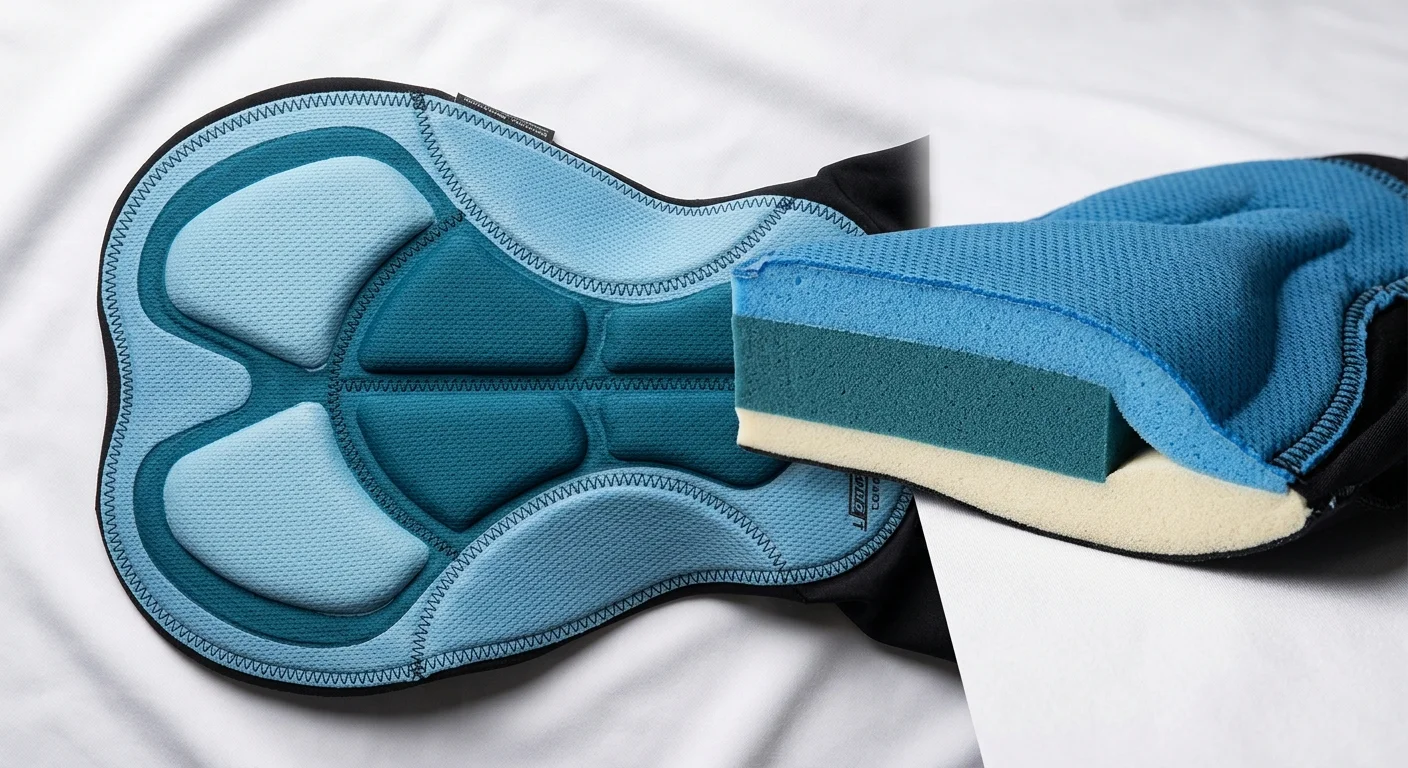
After 90+ miles in the saddle, one question matters above all — is my seat still comfortable at hour five? No product page answers that. The real answer lives in the chamois density, the seam placement, and whether the brand studied female anatomy or just shrank a men's pattern and called it a day.
Our testing made one thing clear: spending $150–$180 hits the real performance threshold for women's cycling bib shorts built for long-distance . Go above that, and you're paying for brand prestige and tiny gains. Drop below it, and you're gambling with your perineum at mile 70.
Match your chamois to your pelvis width. Put flatlock seams and moisture-wicking bib shorts fabric ahead of logo appeal. Stop buying shorts that were built without you in mind.
Your next century ride deserves better than guesswork. Pick your body-fit match from the matrix above. Then go book the damn miles.