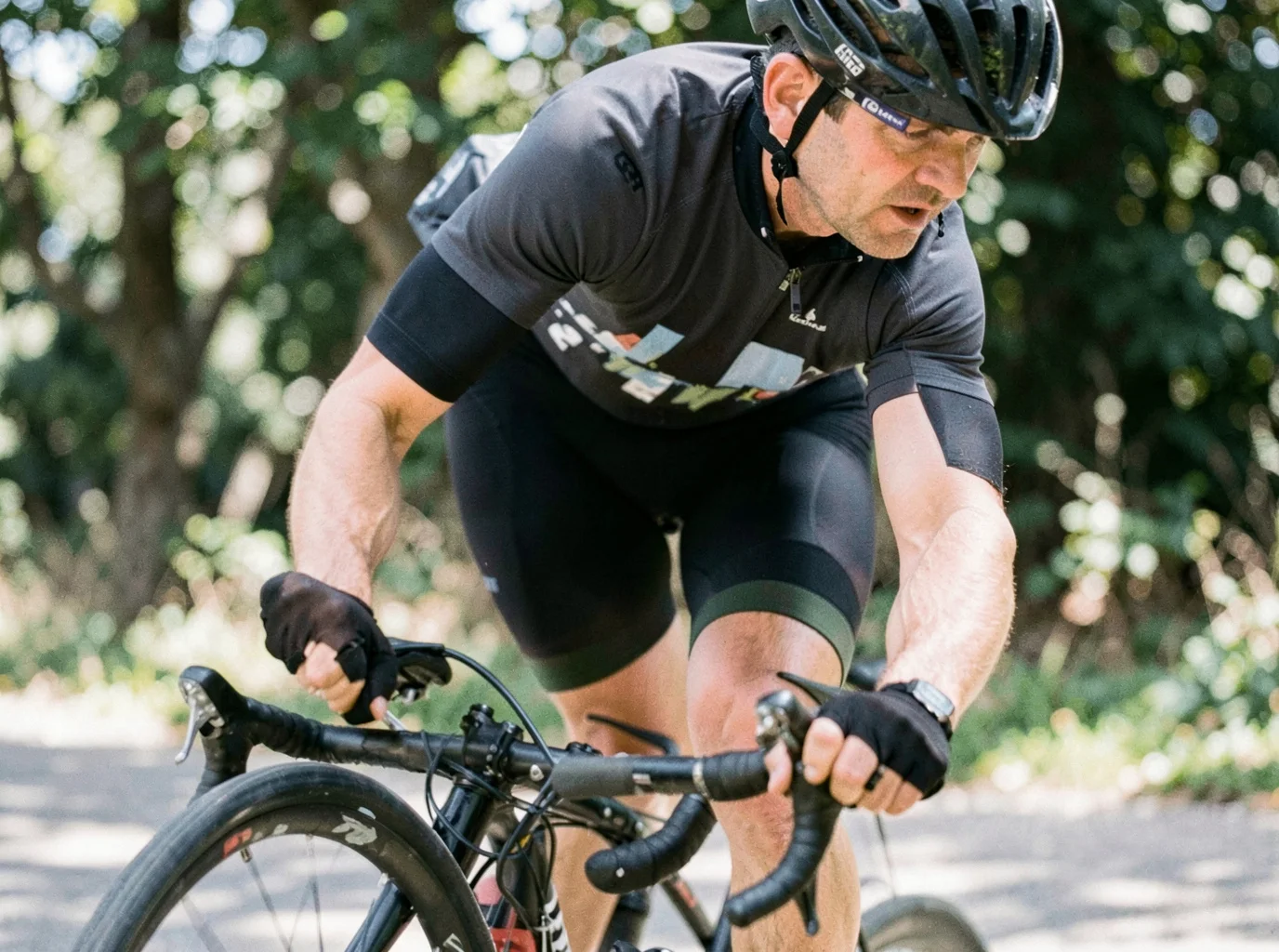
Forty minutes into my first "real" bike ride, I discovered a new circle of hell that Dante somehow forgot to mention, and it lived directly between my sit bones and my bike seat. I texted a friend something like "IS THIS NORMAL" with far too many capital letters. She asked, "Do your shorts have a chamois?" Mine did not. Hers did. That's the difference between a Tuesday ride you forget and a Tuesday ride you discuss in hushed tones with your therapist. If you've ever wondered what a cycling chamois actually does, besides apparently prevent minor tragedies, or whether your bike shorts padding is doing anything at all, you're about to find out exactly what's saving, or not saving, your backside.For brands, custom Cycling Chamois Shorts can be built around different ride durations.
Which Riding Problems Does a Chamois Solve?
Four specific horrors you'd Google at 2 AM and immediately regret. Friction and chafing top the list. That skin-on-fabric-on-saddle sandpaper effect turns your inner thighs into a crime scene. Then there's sustained pressure on your sit bones and everything between them. "Everything down there is now numb and also furious." Add moisture buildup, because sweat has nowhere to go and marinates against your skin like a bad idea. Vibration and impact, which your body absorbs mile after mile whether you asked it to or not.
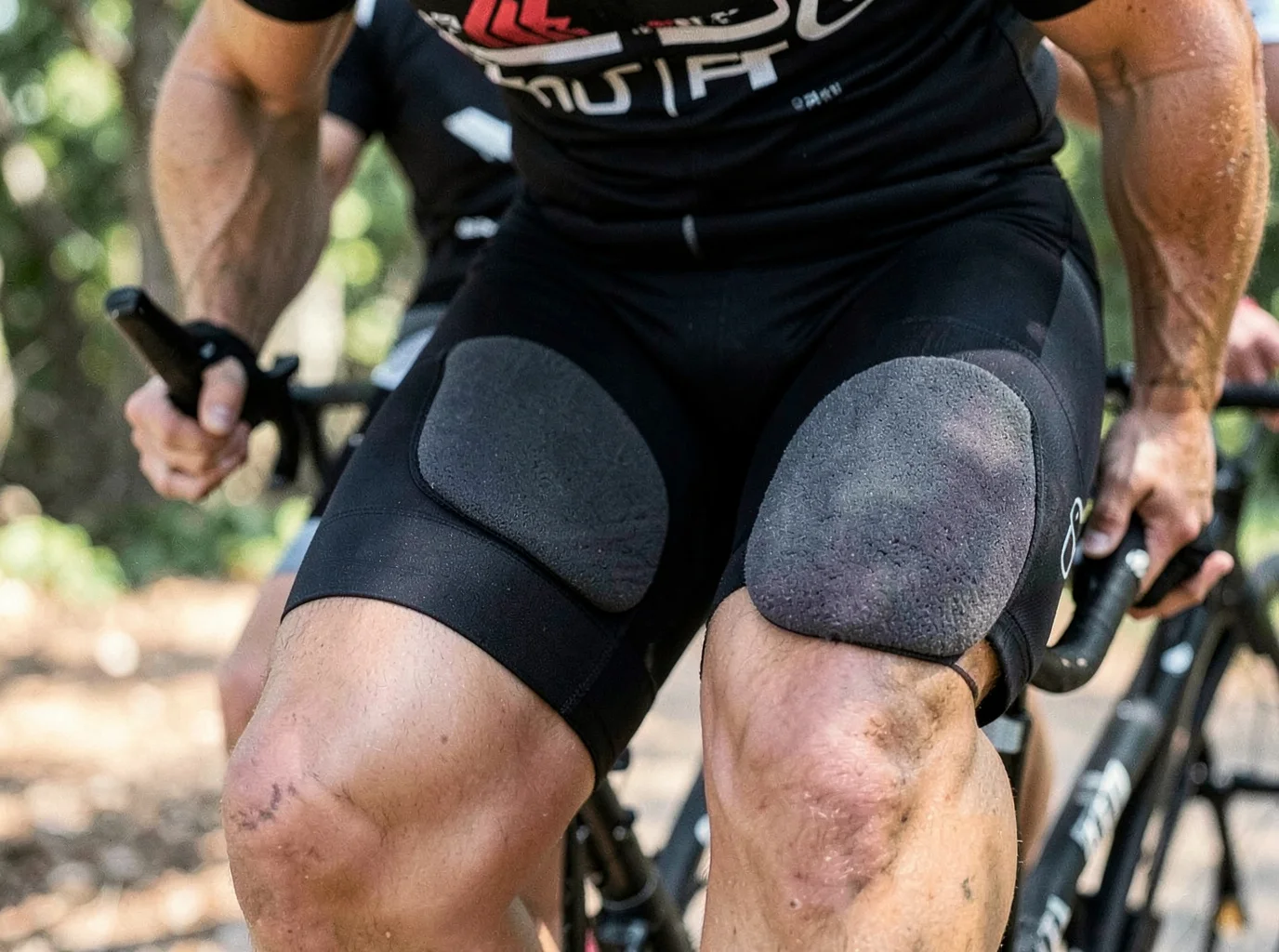
The chamois pad handles this by redistributing your body weight across a wider surface instead of concentrating it on two unfortunate bones. It also manages sweat so you're not sitting in a puddle of your own regret. This is direct saddle sore prevention. Micro-abrasions, hot spots, and that specific numbness show up way less when the padding's doing its job.
Seams matter almost as much as thickness. A Cycling Chamois Shorts manufacturer can also adjust seam placement for private-label programs.Flatlock stitching lies flat instead of digging in, a genuine friction reduction your skin will thank you for. Bib shorts keep the pad anchored in place. Waistband shorts let everything shift and bunch when you don't want it to.
How the Chamois Pad Works During a Ride
Chamois pads do actual physics. Dense foam sits directly under your sit bones and spreads your weight sideways so it doesn't pool in two tiny, opinionated spots. That's pressure distribution, and it's the difference between "I rode 20 miles" and "I rode 20 miles and can still sit in a chair like a normal human."
Thickness isn't random either. Race pads run 3–5mm because speed-focused riders want minimal bulk. Endurance pads jump to 6–12mm, and touring pads can hit 15mm, because nobody wants to suffer nobly for six hours. Foam density matters too, ranging from a soft 40 kg/m³ to a firmer 120 kg/m³, often blended in the same pad, firmer under the sit bones, softer through the middle, because your body has opinions about symmetry.Cycling Chamois Shorts factory options often include multi-density pad development.
The surface wicks sweat outward, sometimes with antimicrobial treatment, while the foam quietly absorbs vibration so your nerves aren't relaying a constant, furious group chat. For rides past 60 minutes, chamois cream backs this up. Once foam compresses permanently, it stops helping. Time for a new one.
What Changes With and Without a Chamois on the Same Ride?
Take the exact same route, same bike, same questionable life choices, and swap one thing: the chamois. Everything downstream changes. Without one, your body starts negotiating with the saddle around minute twenty, and the saddle always wins. Pressure points show up like uninvited relatives. Chafing follows shortly after, because skin rubbing against fabric rubbing against a bike seat is basically a tiny, relentless betrayal happening in your pants.
Wearing underwear under your bike shorts doesn't help. It makes things worse. Extra seams, extra moisture, extra friction—cycling underwear layered under a chamois creates micro-tears you didn't order and didn't want. Shorts are built to be worn alone. Wholesale Cycling Chamois Shorts are also available for retailers building cycling collections.
Commando. I know. It felt wrong to me too, right up until it felt correct.
Duration matters more than pride. Rides under an hour? A chamois is often optional, though your mileage (literally) may vary. Push past 90 minutes, especially in heat or humidity, and chamois cream stops being a suggestion and starts being self-defense. Fit still rules everything—a bunched-up pad creates the exact friction it was supposed to prevent. Stand up occasionally. Keep it dry. Your future self, seated, will thank you.
Do You Need a Chamois for Your Type and Duration of Cycling?
Not every bike ride requires you to armor your undercarriage like you're preparing for war. Sometimes you're just going to the mailbox. Here is the breakdown by time on the bike.
Under an hour, casual spin: Skip the chamois. Riding to grab coffee or doing errands around the block? Your regular shorts are fine. At this length, padding is mostly extra laundry.
60 to 120 minutes, regular fitness rides: This is where a chamois earns its keep. Padded shorts start solving problems you didn't know you had yet.
Over 2 hours: Chamois quality suddenly matters. Pressure distribution is the entire point.For bulk Cycling Chamois Shorts orders, pad density can be specified by use case.
3+ hours, endurance rides, brevets, back-to-back stage days: Chamois cream stops being optional. It's a certainty at this point, which felt aggressive until I hit hour four on a gravel ride and understood completely.
Triathlon or aggressive aero position: The usual 60-minute grace period shrinks dramatically. Aero position concentrates pressure faster, so bring backup earlier than you think you need to.
The Quick Self-Test
A properly fitted chamois should disappear mid-ride. If you're noticing its presence like an unwelcome houseguest, something's off. That's your sign it's worn out, misshapen, or wrong for your body. Flat padding, shifting fabric, or a lingering smell after washing all mean retirement time.
Which Chamois Thickness and Material Match Your Riding?
Thickness is a liar. A thicker pad is not automatically a better pad, the same way more mascara does not make you look less like you have been crying in a Target parking lot. It just makes things bulkier.
Density and zoning matter more than raw millimeters. A 10–12mm pad can still murder your sit bones if the foam has uniform density that does not match your actual anatomy. You want multi-density construction: firmer foam under the sit bones, softer foam through the middle, so pressure gets managed instead of just cushioned into submission.
Density tiers break down roughly like this:
40–60 kg/m³ — entry-level, fine for shorter, gentler rides
70–120 kg/m³ — performance mainstream, where most decent shorts live
120–200+ kg/m³ — premium endurance support, for people doing genuinely unreasonable distances
Fabric composition adds another layer. One common construction uses 80% polyamide, 20% elastane , at 120 kg/m³, ranging 2–10mm for regular rides and up to 15mm for gravel and stage racing. Le Col's build layers 65 kg/m³ foam at the edges with 85 kg/m³ underneath, sometimes adding a 4mm gel layer for good measure. Think of it as a very serious lasagna for your backside.
Indoor spinning breaks the usual pattern entirely. You want thinner pads here, 6–8mm, because breathability and freedom of movement beat cushioning when you are not covering actual ground.
Real products do this correctly.A Cycling Chamois Shorts vendor can offer different foam densities for separate riding categories. Aero Tech Designs makes a 12mm long-distance chamois with multi-density foam and gel, plus a 10mm "all-day" version built the same way. Both prove the point: it is never just about how thick the pad is. It is about whether the foam actually understands where your bones live.
How Should Cycling Shorts or Bib Shorts Fit and Be Worn?
Fit is where most people quietly ruin their own ride and then blame the chamois. cycling shorts and bib shorts should fit like a second skin, aggressively snug, zero bunching, zero sagging, but not so tight you feel like a sausage having regrets. The pad needs to sit flush against your skin and stay there. If it shifts, wrinkles, or bunches while you pedal, the fit is failing you.
Skip the underwear. I mentioned this already, but it matters enough to say twice. Cycling underwear under the pad defeats the entire purpose. Skin contact is the design.
Bibs go on before your jersey, straps tucked underneath, jersey over top, like a very committed onesie. Test the fit standing, then bend your knees, lean forward, do a couple of fake pedal strokes in your living room. Leg grippers should hold firm without pinching or riding up.
Quick fit rules:
- Between sizes? Go smaller. Fabric relaxes after a few rides.
- Can't pinch any fabric? Too tight. Pinch a whole handful? Too loose.
- Wrinkles, straps digging in, constant adjusting mid-ride: wrong fit.
- Smooth stitching, stable pad, no fuss: right fit.
Size charts run on waist, hip, and inseam, not vague S/M/L guessing, because bodies vary far more than labels admit.
When Does Chamois Cream Help With Friction and Saddle Sores?
Chamois cream is the closest thing you'll find at a bike shop to a magic wand for your inner thighs. It helps most when friction is the real problem: century rides, bikepacking, back-to-back stage days, indoor training where sweat has nowhere to escape, and anything hot or humid enough to make your shorts feel personally offended.
Apply a thin to moderate layer, roughly one scoop with two fingers, directly onto sit bones, inner thighs, and any groin contact zone. You can put it on your skin or straight onto the chamois pad. Timing matters. Slather it on 15 to 30 minutes before you clip in, ideally while changing into kit, so it settles in instead of just sitting there awkwardly like a stranger at a party.
Rides under 2–3 hours rarely need reapplication. For longer efforts or ultras, reapply at a stop. Some formulas also soothe irritated skin post-ride, which is oddly comforting.
Sensitive skin can turn chamois cream into the problem instead of the solution. Pair it with good fit, clean shorts, and proper hygiene for actual saddle sore prevention.
How Should You Wash and Replace a Chamois?
Nobody warns you that your $80 bike shorts require more delicate care than your wedding dress, but here we are. Rinse them after every single ride, not eventually, not when they start walking on their own. Sweat and bacteria throw a party in that foam if you let it sit, and nobody shows up to that party willingly.
Washing rules that matter:
Hand-wash with mild, pH-neutral soap
Skip bleach, fabric softener, and regular detergent. They break down the foam and elastane faster than gossip spreads at a family reunion
Never wring the pad. Press water out gently
Air-dry flat, away from sunlight, heaters, or dryers. Same advice you'd give a vampire
Deep-clean weekly if you ride hard. Replace the chamois once the foam stops re-fluffing after drying, goes flat, or develops a smell that survives multiple washes. That smell is not character. It's a chamois asking to retire.
Can a Chamois Fix Every Cause of Saddle Pain?
Saddle pain comes from at least five different villains: pressure, friction, trapped moisture, heat, and restricted blood flow. Your padded shorts are only equipped to fight one and a half of them.
Chamois handles friction. That's its whole job description. It does nothing for a saddle that's too narrow, shoved too high, or tilted like it's trying to slide you off the front of the bike. If your setup is wrong, more padding just means you're suffering in slightly more comfortable denial.
Numbness and soreness aren't the same emergency. Numbness comes from perineal pressure, and that's a saddle shape or bike fit problem. Soreness is usually skin damage from friction, which is chamois territory. Confusing the two means you'll buy a thicker pad when what you actually needed was 3–5mm off your saddle height.
If pain shows up on ride one with a brand-new saddle, that saddle is wrong. Don't "break it in." Exchange it. Your body isn't the problem here.
Can Your Current Cycling Setup Pass This Chamois Self-Check?
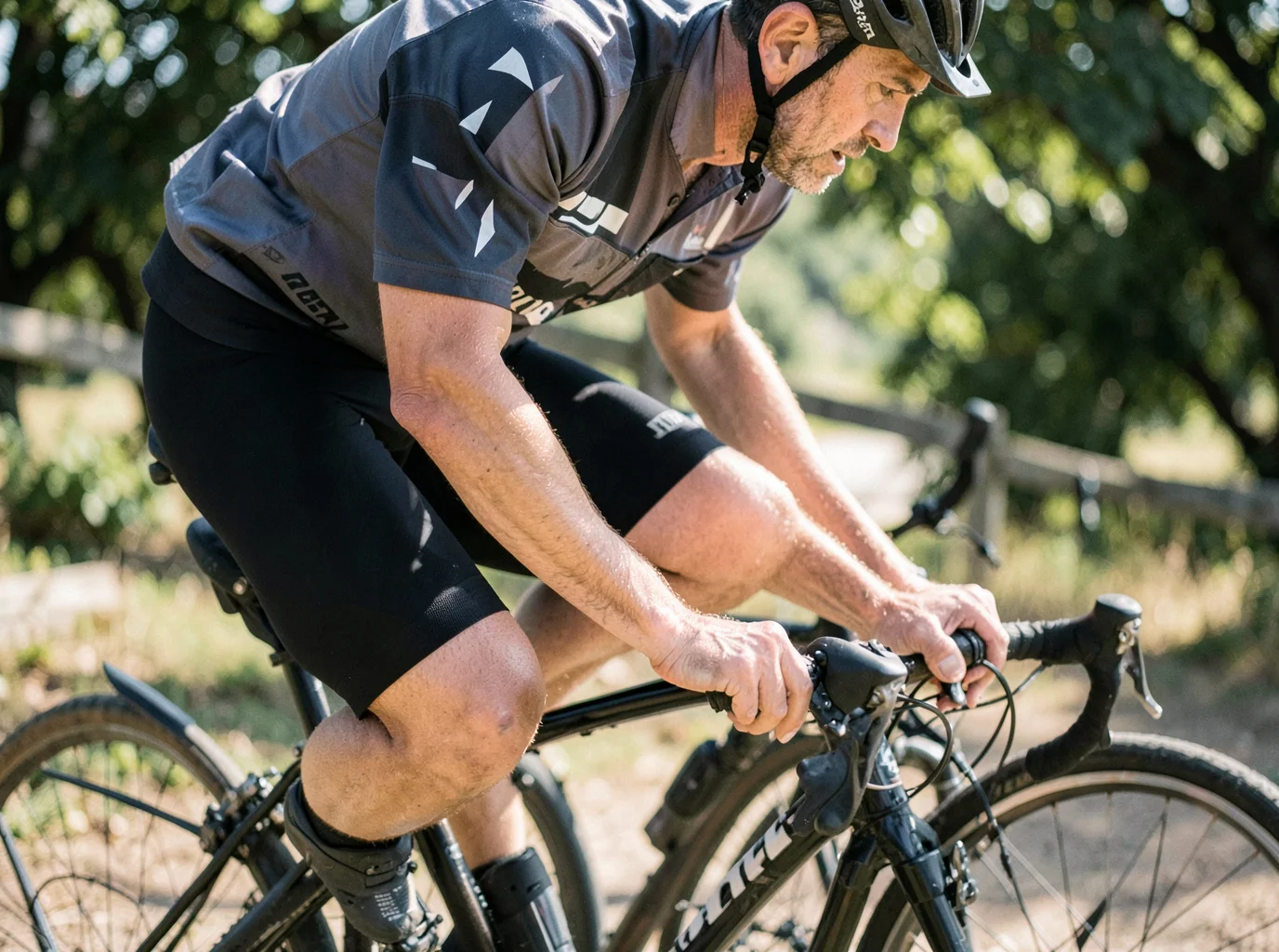
Sit on your saddle in actual riding position, hands on the bars, spine doing its normal hunched thing. This test costs nothing and requires no lab coat. The pad's "ears" should land just past the saddle's ears. The nose should cover the saddle's nose like it's hiding from an ex. Any loose fabric at the front should lie flat against your body, not flap around announcing itself to traffic.
Lean forward. Check for wrinkles or bunching through the inner thigh. There shouldn't be any. Leg grippers should stay put, not roll or creep like they're trying to escape.
Press the foam with your thumb. Fresh padding springs back immediately. If it sits there dented like a sad memory foam mattress, that pad is done.
If you're still numb, chafing, or sliding around, stop blaming the chamois. Check saddle width, height, and setback next.
Conclusion

That weird foam diaper sewn into your shorts is the only thing standing between you and becoming painfully acquainted with your own skeleton. A chamois absorbs shock, fights friction, and wicks away the swampy situation happening in your shorts—three unglamorous jobs that add up to "you can actually sit down tomorrow." If you're riding more than thirty minutes at a time, skip the underwear, keep chamois cream in your bag like emergency chocolate, and treat saddle sore prevention as seriously as you'd treat, say, not touching a hot stove twice. Rinse the pad after every ride.Brands can request a custom wholesale price for Cycling Chamois Shorts when planning larger collections. Replace it when it goes flat, not when it disintegrates mid-century-ride (ask me how I know).