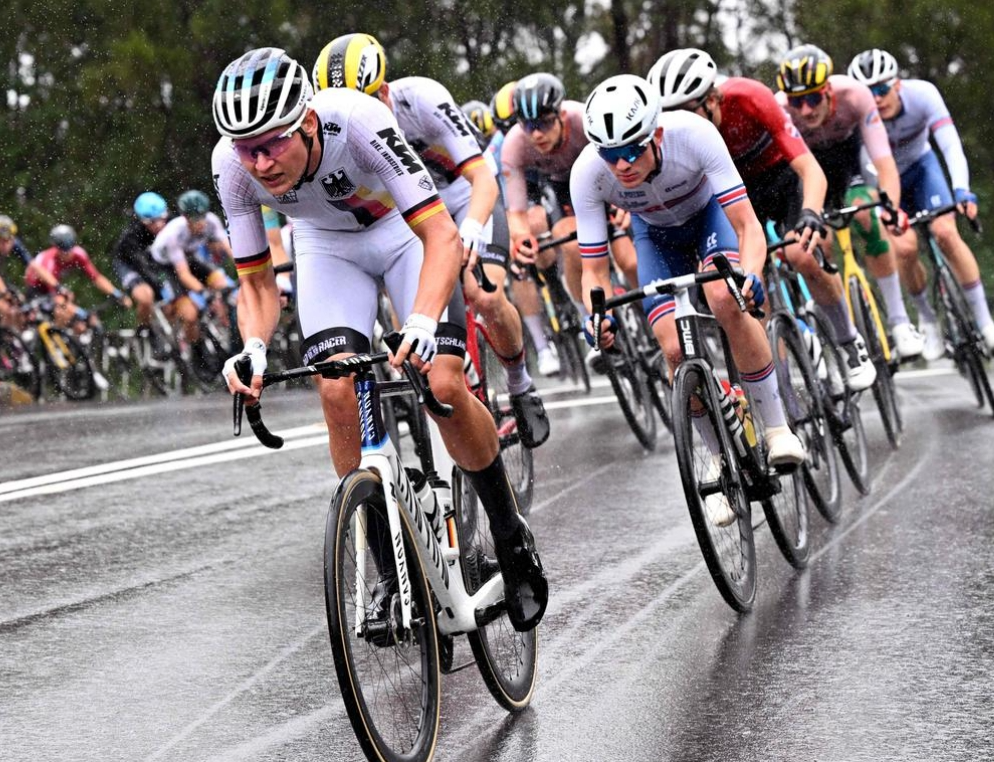
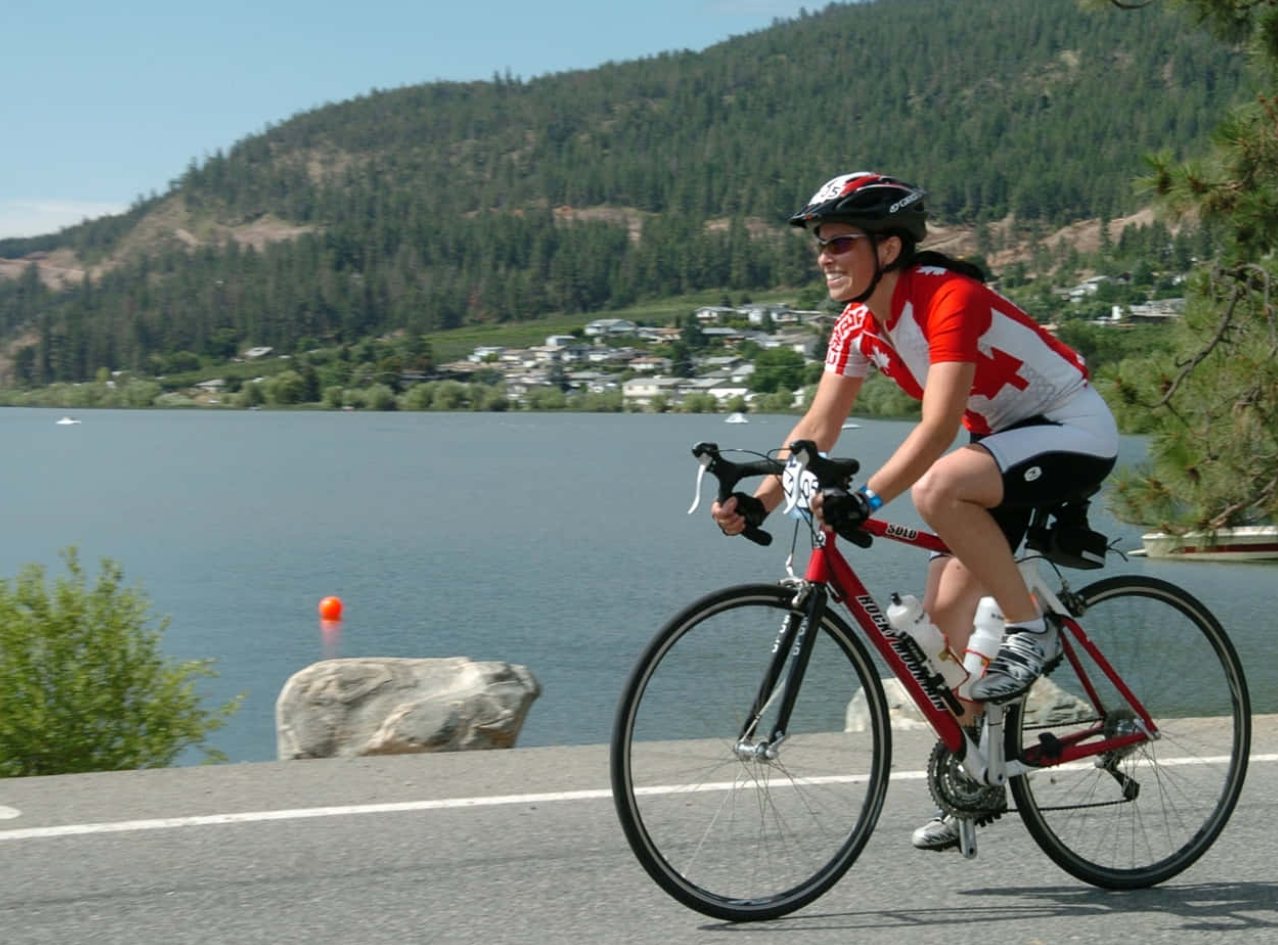
Sleeve length isn't a gut-feel decision. Wind tunnel data, shifting consumer behavior, and eight-figure product line bets are all on the table. The stakes are real for triathlon apparel brands weighing sleeveless vs. sleeved tri suits in 2024 and beyond.Working closely with an experienced triathlon apparel manufacturer can provide valuable performance testing data and market feedback before committing to a large-scale product strategy.
Pick the wrong SKU priority and you're leaving margin behind. You'll misread your target athlete. Or worse — you'll engineer a product that looks fast but tests slow.
This breakdown is built for brand decision-makers. Here's what it covers:
Triathlon race suit aerodynamic advantage metrics from controlled wind tunnel studies
Market trend data across Sprint to full-distance Ironman
A ready-to-deploy SKU strategy framework benchmarked against how 2XU, Castelli, Zone3, and HUUB are positioning their lines right now
Tri Suit Aerodynamics: Wind Tunnel CdA and Drag Reduction Metrics
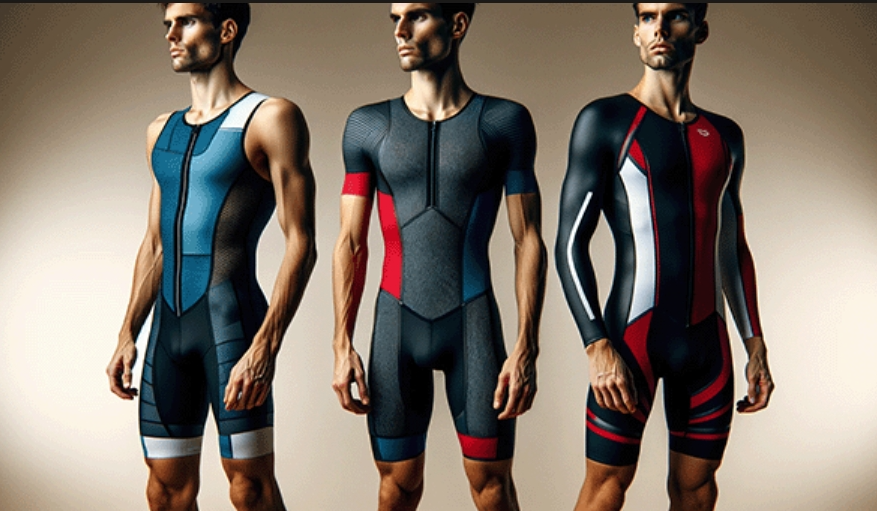
The numbers don't care about your brand story. They care about surface area, airspeed, and whether your sleeve texture holds up against an athlete's arm at 40 km/h.
Here's what controlled wind tunnel testing shows.
CdA Baselines: The Performance Gap in Real Numbers
Sleeved tri suits test in the CdA range of 0.210–0.235 m² at race-relevant speeds. Sleeveless suits sit higher — 0.240–0.265 m² . That gap isn't cosmetic. It's measurable, repeatable, and it translates straight into watts and minutes on course.
A 0.01 CdA reduction equals around 19 watts at typical Ironman bike speeds. Run the math across the full sleeved-vs-sleeveless range. You're looking at a rough performance advantage of 8–15 watts — across multiple independent test setups.
Suit Type | CdA Range (m²) | Estimated Drag Penalty vs. Sleeved |
|---|---|---|
Sleeved (aero-fit) | 0.210–0.235 | Baseline |
Sleeveless | 0.240–0.265 | +8–15 W at race pace |
Real-world tunnel sessions back this up. One documented case recorded a baseline rider CdA of 0.272 at 0° yaw — an older aero helmet paired with a Castelli tri suit. A separate session logged multiple suit configurations between CdA 0.213–0.216. The lowest reading came after combining suit selection with equipment changes. WYN Republic has built product messaging around quantified drag reduction. They position their aero suits as tunnel-validated — not just speed-adjacent.
Why Watts Become Minutes — And Why Brands Should Care
One wind tunnel case study produced a 16.5 aero watt gain from a combined suit and equipment adjustment — a 0.025 CdA reduction at 23 mph. The estimated race-day value: more than 8 minutes saved over an Ironman bike leg.
A useful rule of thumb from the same analysis: each watt saved at Ironman bike speeds yields just under one minute across the 180 km bike leg. Modest CdA improvements add up fast.
That's the multiplier brands need to take seriously. A 10-watt advantage sounds like an engineering footnote. Across 180 kilometers, it's a podium conversation.
The Fit Variable That Erases the Aero Advantage
This is where the sleeved suit's advantage gets conditional — and where brands often get burned.
Aero fabric works only when its textured surface keeps its three-dimensional structure . Stretch it flat under tension, and the drag-reduction stops working. Let the sleeve run loose, and the wrinkled fabric builds its own drag penalty. That can end up worse than a clean sleeveless option.
Wind tunnel experts are clear on this: wrinkles and loose material stick out into the airstream and slow the rider down . A badly fitted sleeved suit doesn't just underperform. It can show worse drag than a well-fitted sleeveless alternative.
Key takeaways for product teams:
Compression-grade fit is non-negotiable. Sleeved designs need it to deliver their tested CdA numbers
Sleeve panel grading must account for different arm sizes without creating surface slack
Test at multiple yaw angles — one referenced protocol averaged 0°, 3°, and 8°. Flat 0° tunnel sessions miss real-world variation
Suit, helmet, and rider position work as a system. One session found just ~0.8 W difference between suit variants with rider stability controlled. Garment design sits inside a broader aero picture
Bottom line for brand development : the sleeved suit's 8–15 W advantage is real. But it depends on fit execution. Your size run must maintain sleeve texture across the range. Miss that, and you're selling a number your product can't back up.
Performance Trade-offs: Thermal Regulation, Mobility, and UCI Regulations
Aerodynamics gets the headlines. But the athlete wearing your suit for eight hours in 33°C heat doesn't care about wind tunnel data. They care about finishing without heat exhaustion, a torn shoulder, or a disqualification.
Sleeve length reshapes how a suit performs across three dimensions CdA numbers don't capture: thermal load, range of motion, and regulatory compliance. Each one has direct implications for how you position your product line.
Thermal Reality: Sleeved Doesn't Mean Hot
The assumption that sleeves trap heat is outdated. Elite cycling data makes the thermal risk plain: 85% of riders in hot elite competition reached core temperatures ≥39°C, and 25% exceeded 40°C — with a documented peak of 41.5°C recorded during a UCI Road Worlds TTT. Performance degradation begins around 38.5–39.0°C . Your suit design either manages that threshold or it doesn't.
Modern sleeved tri suits from Castelli, HUUB, and Bioracer tackle this through strategic panel mapping :
Zone | Fabric Type | Function |
|---|---|---|
Shoulders, upper arms, frontal torso | Dense UPF 50+ aero knit | Aero drag reduction + UV blocking |
Lateral torso, underarms | Mesh / laser-perforated panels (70–100 g/m²) | Ventilation channel aligned with airflow |
Lower back | Exhaust mesh panel | Hot, humid air vented off lumbar region |
Some high-end suits also use coldblack®-style finishes on dark fabrics. Lab textile data shows this cuts surface temperature by 3–5°C under direct solar load. That's a real gain on a 5-hour 70.3, where radiant heat builds across the shoulders and upper back the entire race.
The sunscreen math matters for long-course products. UPF 50+ fabric blocks ≥98% of UV. Exposed skin — the kind a sleeveless suit leaves across the deltoids and upper arms — needs sunscreen to match that protection. Here's the problem: water-exposed sunscreen loses about 50% effectiveness after ~80 minutes of immersion and sweat . On a 70.3 in hot conditions, that means two to three reapplications on exposed upper arms. A sleeved suit cuts that requirement for those zones.
Practical guidance for SKU planning:
Sprint / Olympic, hot and humid: Sleeveless offers a perceived cooling edge . Direct airflow across the upper arms and underarms cuts local skin wettedness and subjective thermal strain at high intensities. Short exposure times also limit UV accumulation.
70.3 / Ironman in strong sun: Sleeved suits with hydrophobic fabrics and mapped mesh tend to deliver better net thermal outcomes — lower radiant load plus engineered evaporative venting. Hydrophobic technical knits can cut drying time by 30–50% versus standard polyester. That sustains evaporative cooling even with full arm coverage.
The takeaway for product teams: sleeved isn't the hot option. A poorly ventilated sleeveless suit in direct sun can produce worse thermal outcomes than a well-engineered sleeved design. The engineering determines the result — not the sleeve length.
Mobility: Where Sleeved Designs Still Have to Earn It
Sleeveless suits have one genuine structural advantage: unrestricted shoulder movement . No fabric over the deltoid means no resistance at the shoulder joint during the catch phase — the highest-force, widest-range movement in the swim.
Modern sleeved suits have closed most of this gap. But the margin for execution error is tighter.
The design features that make it work:
4-way stretch sleeve panels — ≥20% elastane content
Raglan shoulder cuts — seams moved off the shoulder apex, removing a common restriction point
Strategic grain orientation — primary stretch axis aligned with arm elevation and rotation
The key technical factor is torso-to-shoulder pattern grading . Mis-grade chest girth or torso length relative to arm length, and the suit pulls across the upper back and creates tenting. That's a range-of-motion penalty that compounds over thousands of swim strokes. Top-tier brands set full overhead flexion with less than 5 N additional fabric resistance as their internal shoulder stretch benchmark.
That number is achievable. But it takes precise grading across your full size run — not just at the sample size. Fit sensitivity is higher with sleeves. A small sizing error that goes unnoticed in a sleeveless design creates a clear mobility restriction once there's fabric over the shoulder. Your grading process needs to account for that.
Compression and chafing also shift with sleeve construction:
Sleeved suits allow graduated compression from torso into upper arm — targeting 15–25 mmHg at the skin interface. This cuts muscle oscillation in the biceps and triceps during the bike and run, with measurable "freshness" benefits in the late stages of a race.
Sleeveless puts all compression on the torso and quads. Some athletes prefer this — especially those who find shoulder compression distracting or restrictive.
On chafing: sleeved suits create a fabric-to-fabric interface at the underarm and inner upper arm. That removes the skin-to-skin contact that causes salt-crystal abrasion after 3+ hours. Sleeveless designs need careful armhole finishing and heavier anti-chafe use to match sleeved comfort at long distances.
Regulatory Landscape: World Triathlon, Ironman, and the UCI Upstream Influence
Regulation doesn't just set the boundaries — it shapes consumer behavior and brand positioning.
World Triathlon (WTCS / Olympic format) has steadily normalized short-sleeve suits at the elite level. The reasons are practical: sponsor logo visibility is much better on a sleeved surface, and country code legibility improves with more covered upper body area. The result: short-sleeve suits are now standard in WTCS and Olympic racing . Sleeveless still appears, but it's no longer the default at the front of draft-legal competition.
Ironman and 70.3 rules require torso coverage on the bike and run. Sleeves are accepted across the board. Combined with aero and UV benefits at long race durations, they've become the de facto professional standard in non-draft racing. More surface area for aero-optimized fabric on shoulders and arms is a functional advantage that fits within what the rules already allow.
UCI regulations don't govern triathlon — but they matter to your product development pipeline. The fabrics, aero panel constructions, and garment approval processes that drive UCI road and TT suit development also drive tri suit innovation. UCI clothing rules require approval for technical innovations and set dimensional limits on helmets, socks, and equipment. Those limits shape the broader performance framework tri brands work within. UCI tightens aero clothing standards, and the ripple hits tri apparel R&D inside the same development cycle.
The regulatory bottom line for brand strategy: sleeveless stays legal across all major formats. But the competitive and regulatory pull is toward sleeved designs at every distance above Sprint. Leading your product line with sleeveless works for entry-level and warm-weather Sprint SKUs — but it puts you against the direction both the sport's governing bodies and the pro adoption curve are heading.
2023-2025 Triathlon Apparel Market Trends and Consumer Shift Data
The global triathlon clothing market crossed USD 2.05 billion in 2023 . It's growing at 8.5% per year through 2030 . This isn't niche-sport spending. This is a category with serious commercial pull — and tri suits are driving it.
Tri suits alone brought in USD 902 million in 2023 . That's 44% of total market revenue . It's also the fastest-growing product segment in the category. By 2025, that share is trending toward 50%+. Every major forecasting firm — TechSci, Grand View, SNS Insider — puts their 2025 estimate between USD 2.10–2.12 billion . The direction is clear, even where the exact figures vary.
For brand planners, the read is straightforward: tri suits are where the market is concentrating. That's where R&D spend belongs. That's where marketing stories land.
The Sleeved Shift: From Niche to Default
No global data firm publishes a sleeved-vs-sleeveless revenue split. But product catalogues, race-course visual sampling, and retailer assortment data tell a directional story clear enough to build plans around.
Segment | 2023 Sleeved Share | 2024 Sleeved Share | 2025 Forecast |
|---|---|---|---|
Long-course performance suits | ~45–50% | ~55–60% | 65–70% |
Sprint / Olympic mass market | ~35–40% | ~40–45% | 40–45% |
Premium tier (≥USD 250) | ~75–80% | ~80–85% | >85–90% |
Entry tier ( | ~25–35% | ~30–35% | ~30–35% |
At the podium level , the numbers are close to binary. By 2023–2024, more than 90–95% of professional and top age-group finishers at Ironman World Championships, IM 70.3 Worlds, and PTO events raced in sleeved suits. Among competitive age-groupers in the front third of long-course fields, visual race sampling puts sleeved adoption at 60–70% — and still rising.
The back half of the field is more mixed. Athletes who bought sleeveless kits two or three years ago are still wearing them. They haven't upgraded yet. But new buying decisions — particularly in the mid-tier (USD 120–250) bracket — are tilting sleeved. The 2023 split in that band was close to 50/50. By 2025, it's tracking toward 55–60% sleeved .
The entry tier plays out differently. Below USD 120, sleeveless still holds 65–75% of volume . Simpler construction, lower fabric cost, and sprint-distance athletes who don't yet see aero ROI as worth the price gap all push that number up.
The planning pattern that holds across the data:
- Entry-level buyer → chooses sleeveless ≥60–70% of the time
- Performance buyer (>USD 250) → chooses sleeved ≥80–90% of the time in 2024–2025
Regional Splits: Climate Determines the Ratio
North America holds 49.7% of global triathlon clothing revenue — the single largest regional share in the market. How brands stock for North America shapes overall portfolio performance more than any other region.
Brazil is the fastest-growing country market through 2030 . Southeast Asia, Southern Europe, and the Middle East are also expanding fast. All of these markets run hot. Each one skews on sleeve preference in its own way.
Hot/humid markets (Southeast Asia, Southern US, Brazil, Middle East):
- Sprint/Olympic: stock at 60:40 sleeveless-to-sleeved
- Long-course: stock at 40–50:50–60 sleeveless-to-sleeved
Temperate/cool markets (Northern Europe, UK, DACH, Nordics, Northern US/Canada, Japan):
- Long-course: stock at 25:75 sleeveless-to-sleeved by 2025
- Short-course premium: approaching 50–60% sleeved at higher price points
Sun protection is a real factor in this shift. The thermal engineering data shows that sleeved suits in direct sun conditions often carry a lower net thermal load than sleeveless options. The UV blocking benefit builds across a five-hour 70.3. Athletes in hot markets are picking up on this. Retailer mix data is starting to show it too.
How Leading Brands Are Positioning Their Lines
Top-tier brands have already committed. Across Castelli, HUUB, 2XU, Orca, Santini, Zoot, and Roka catalogues, sleeved one-piece suits now account for more than 70% of new long-course SKUs by 2024–2025 — counted by product listings, not revenue.
The production logic backs up the business logic. Leading OEMs have shifted to modular sleeve pattern libraries : one shared torso block, with interchangeable upper patterns for sleeved, sleeveless, and aero-textured sleeve variants. This structure gives brands real flexibility:
Run both SKU types off a shared pattern with no separate full development cycles
Accept club and event custom Cycling and Triathlon Suits orders at MOQs as low as 10–25 units through digital sublimation on shared blocks
Hit multiple price points by swapping fabric "recipes" — standard hydrophobic, high-aero, hot-climate mesh — without changing the body block geometry
The online channel is now the fastest-growing distribution segment , and DTC brands own it. They lead with aero performance claims and tunnel-validated sleeve data. That content-to-purchase path is pulling consumer expectations — and actual buying behavior — upmarket and toward sleeved.
The bottom line for brand teams: the category is growing, the suit segment is outpacing it, and sleeved designs are taking a bigger cut of new purchases at every price point above USD 120. Brand teams that build their 2025 line around sleeveless-first thinking are pushing against a trend that has been gaining force for three straight years.
Case Analysis: 2XU, Castelli, Zone3, and HUUB Product Positioning
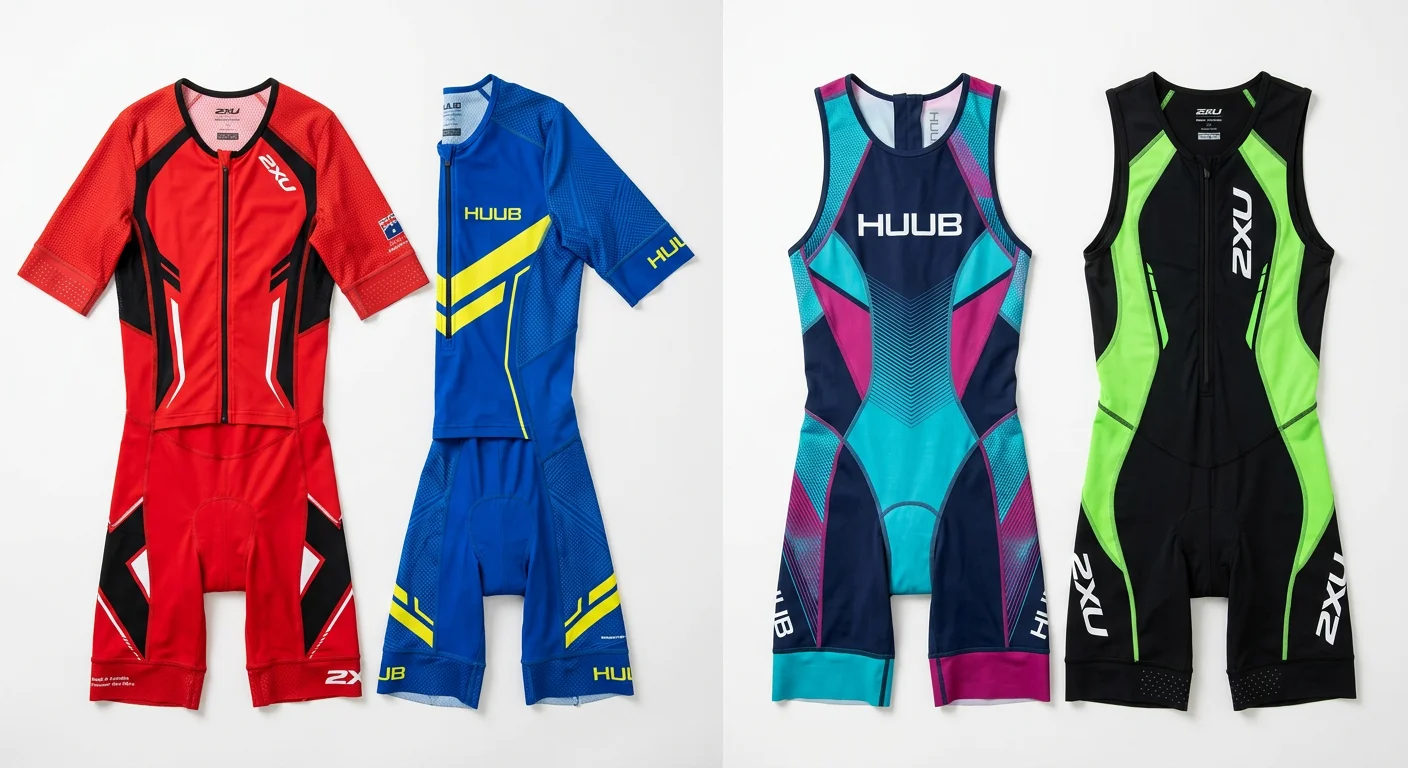
Four brands. Four different bets on the same question. Look at how each one handles the sleeved-vs-sleeveless decision — it tells you more about real product strategy than any trend report.
The pattern across 2XU, Castelli, Zone3, and HUUB is not random. All four brands landed on the same structural conclusion: sleeved suits carry the premium narrative, sleeveless suits carry the volume . The execution differs. The logic doesn't.
2XU: Compression Heritage Meets Aero Ambition
2XU built its identity on compression science. The Light Speed React Tri Suit — their current flagship — is where that heritage lands in a race-day package. Retailers call it a "race-day weapon" with "genuine aero gains and intelligent temperature management." That language is deliberate. It speaks directly to performance-focused athletes who need a technical reason to spend £250–£320 ($300–$380) .
The portfolio logic underneath is straightforward. One or two top-end sleeved aero suits drive the highest average selling price. A broader set of mid-price sleeveless and short-john options covers club accounts, entry-level buyers, and custom cycling apparel's printing orders. The sleeved suit earns the margin. The sleeveless suits earn the range.
Here's what 2XU does that brand planners should note: they don't ask sleeveless to carry the performance story. Compression and aero belong to the flagship sleeved line. Sleeveless holds the price-access points — without pulling down the hero product's position.
Castelli: Mass-Premium Long-Course Execution
Castelli doesn't go after elite specialists. Their focus is the large, high-spending age-group endurance market — athletes racing 70.3 and Ironman who care a lot about performance but aren't picking kit based on wind-tunnel press releases alone.
The Free Sanremo and Free Speed lines show up in independent long-course tri suit rankings on a regular basis. Retail price sits in the €210–€280 ($250–$300) band — a step below HUUB's top tier, and that gap is useful. Castelli sits in the sweet spot where aero credibility and long-race comfort meet, without asking for the highest price in the category.
Their range reflects this. Short-sleeve aero suits lead as the technical flagship. Sleeveless options stay on for hot-weather sprint racing and club access. Short-sleeve is the brand's innovation story. Sleeveless is the concession to breadth. You can see that split in how retailers handle the products — sleeved suits get editorial placement, sleeveless suits get the discount rail.
Zone3: The Dual-Tier Model Done Openly
Zone3 is the most upfront about how its portfolio works. Their brand position — "performance swim and triathlon, for every athlete" — is a direct acknowledgment that they serve two different buyers at the same time.
The tier structure is clean:
Tier | Representative Product | Price Range | Target Athlete | Design Focus |
|---|---|---|---|---|
Tier 1 — Aero/Long-Course | Aeroforce-style suits | £220–£280 ($260–$330) | Serious 70.3/Ironman racers | Aero fabrics, laser-cut sleeves, premium Italian textiles |
Tier 2 — Value/Training | Mid-range sleeveless/short-sleeve | £120–£160 ($140–$190) | Newer athletes, sprint/Olympic, training | Simpler fabric, lower compression |
Independent guides describe Zone3's Tier 2 suits as "ideal for newer triathletes or training use." That framing is honest and smart. It keeps entry-level buyers inside the brand without creating confusion about where the real performance product sits.
For brand planners, Zone3's model is the easiest to copy. R&D spend goes up the tier toward sleeved, long-course construction. Volume comes from the accessible tier below. The two tiers don't step on each other because the positioning language draws a clear line between them.
HUUB: Wind-Tunnel Data as Pricing Justification
HUUB takes the most direct aero-validation approach in this group. The Anemoi 2 and Anemoi 2 22Plus are built around wind-tunnel-derived patterns and aerodynamic fabric placement — not just described as fast, but proven-to-be-fast as a core selling point. 220 Triathlon calls the Anemoi 2 Plus22 "super speedy on land and water." ROUVY frames it as built for "athletes riding at higher speeds."
That language supports a price point at the top of the age-group market: £300–£350 ($360–$420) . No other brand in this comparison holds that price with the same consistency. HUUB earns it through the detail of their technical claims — and the willingness to back those claims with documented development work.
The supporting range follows the same structural logic as the others. A Core or value line with simpler construction and some sleeveless options covers broader participation. But HUUB's brand strength lives in the Anemoi line. Remove that product and you remove the reason the brand commands a premium.
The Cross-Brand Pattern: What It Means for Your SKU Planning
Strip away the brand details and one structural rule holds across all four:
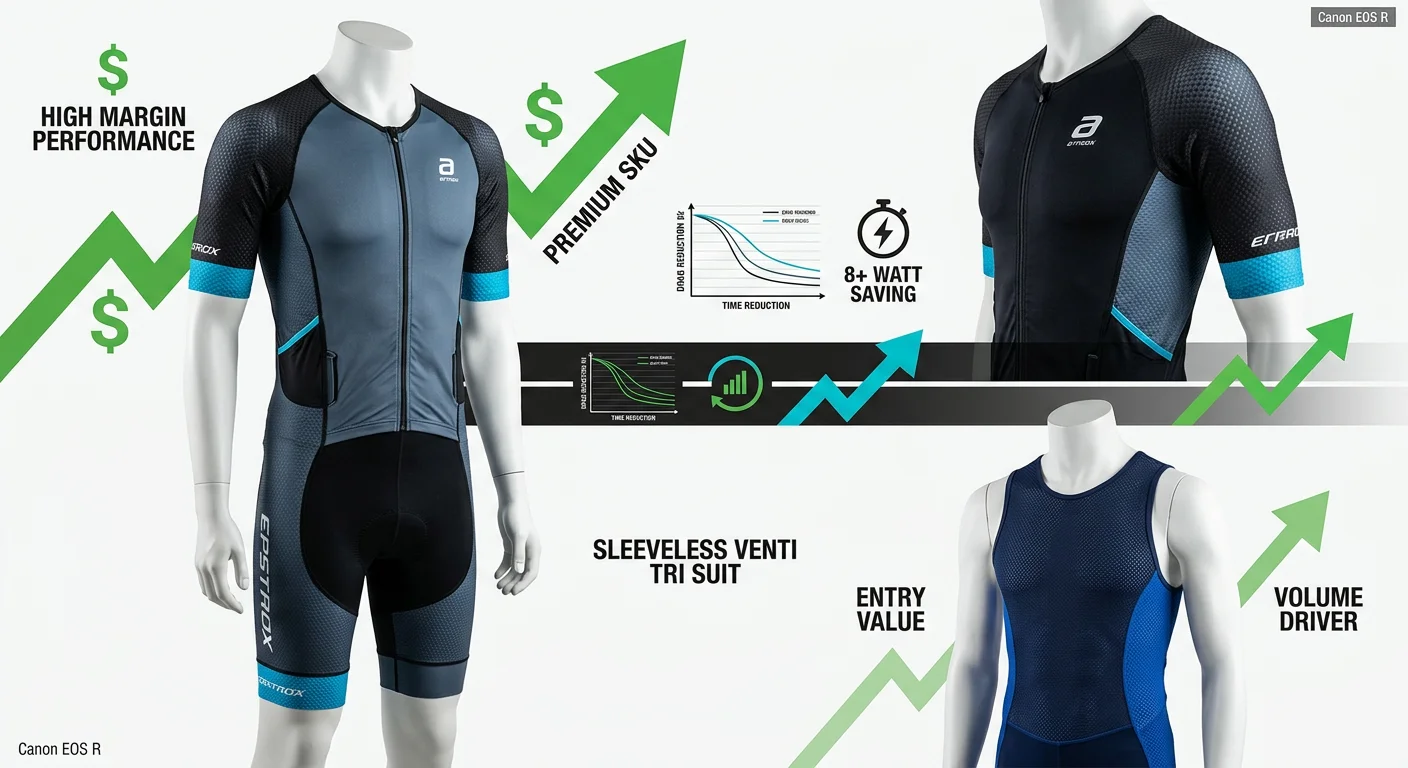
Sleeved suits = premium tier, aero narrative, margin driver. Sleeveless suits = volume tier, access play, breadth holder.
This is not four brands making similar choices by chance. It reflects real market logic. Aero fabric technology, compression grading, and wind-tunnel-validated panel mapping are more cost-justifiable on sleeved designs — and buyers at the premium tier accept that reasoning. At £300+, the athlete wants a technical story. A sleeved aero suit delivers one. A sleeveless option at the same price struggles to make that case.
The promotional economics back this up. Hero placement in retailer content and editorial reviews — the spots that drive real purchase intent — goes to sleeved flagships. The 2XU Light Speed React and HUUB Anemoi 2 pull far more editorial coverage than their SKU count would suggest . That's not a marketing budget advantage — that's product teams building suits worth writing about.
For any brand entering or growing in the tri suit category: lead with sleeved at your top price point, hold sleeveless for volume and entry access, and make sure your product development spend reflects that order — not the reverse.
BOM and Manufacturing Cost Breakdown: Sleeveless vs. Sleeved
Most brand teams think the cost gap between sleeved and sleeveless tri suits is big. It's not. Most finance teams think the margin gap is small. It isn't.
At the cycling aparel factory gate, sleeved suits run $5–12 more FOB than a comparable sleeveless model. That delta splits across three line items: materials, labor, and QA overhead. None of those numbers are scary on their own. Put them against a retail price uplift of $100–200 , and the margin story becomes very clear.
Where the Extra Cost Lives
Raw materials take the biggest slice — $3–8 per unit . The driver isn't just extra fabric yardage. It's the type of fabric going into the sleeves.
A sleeveless suit uses 0.80–0.95 m of premium body knit. A sleeved version adds 0.08–0.15 m — but that extra material is often a different, pricier aero-textured or dimpled knit at $12–18/m . That's not the same base fabric used on the torso. On top of that, you're adding bonded cuff grippers, seam tapes, bonding film, and cold-black UV coatings on the upper arm panels. The BOM line-item count grows fast.
Here's how the bill of materials compares:
BOM Element | Sleeved | Sleeveless |
|---|---|---|
Sleeve panels (aero knit) | ✓ | — |
Bonded cuff grippers | ✓ | — |
Raglan/set-in seam tapes | ✓ | — |
Armhole finish | Engineered shoulder yoke | Simple binding / FOE |
Underarm mesh inserts | Extended | Limited |
Print zones | Torso + sleeves | Torso only |
Labor adds another $1–3 per unit . That's a 5–15% increase in sewing time. The extra work comes from sleeve-setting operations, cuff gripper bonding, and added inline QC passes. Those passes catch twisted sleeve panels, misaligned grain orientation, and delaminating gripper tape. At premium European or Japanese factories with loaded labor rates of $8–12/hour , that time cost adds up fast.
Overhead and QA allocation brings the total to +$1–2 per unit more. That covers pattern complexity, extra handling, and re-work risk on shoulder joins.
The Margin Math That Drives the Decision
Sleeveless | Sleeved | |
|---|---|---|
Typical FOB | ~$40 | ~$50 |
Typical retail | $180–250 | $280–450 |
Gross margin (pre-distribution) | ~$140–210 | ~$230–400 |
The incremental cost of adding sleeves is $5–12 . The incremental price the market accepts for the aero and UV performance story is $100–200 . That gap is where sleeved suits become the margin engine of a well-structured product line — not just the technical flagship.
The QA factor most brands miss: sleeveless suits produce fewer inline defects. But they carry higher post-launch return risk from armhole chafing. That risk shows up when fit blocks aren't graded with enough precision across sizes.
Sleeved suits need tighter process control. Sleeve ride-up, shoulder restriction, and gripper delamination are the three main return triggers to manage. Get manufacturing execution right, though, and sleeved suits deliver a more consistent skin interface than their sleeveless counterparts.
The cost structure rewards investment. Put more into development, grading precision, and cycling clothing factory capability. The sleeved suit pays that back in margin, repeat purchase, and retailer editorial placement.
SKU Strategy Matrix by Race Distance, Climate, and Target Price Bands
Four variables decide whether your tri suit portfolio makes money or piles up markdown risk: race distance, ambient temperature, price band, and sleeve length. Get all four aligned and your SKU structure sells itself. Misalign even one and you're stuck holding inventory that no campaign budget will move.
Here's the matrix. Build from it.
Sprint / Olympic — Hot & Humid | US$90–140 | Sleeveless
This is your volume anchor. Not your margin hero — your door-opener .
Go sleeveless with mesh ratios above 40% on back and side panels. Use a lightweight 140–180 g/m² knit and keep the chamois minimal. Your target: club teams, first-timers, and hot-climate markets across Southeast Asia, Southern US, and Brazil.
SKU role: Gateway and bulk program driver. Run 2–3 colorways. Price for a 20–25% team discount — but don't go below 35% realized gross margin. Commit to production runs of 500–2,000 units per colorway to bring unit cost down.
Target GM: 45–50%
Share the pattern block with your mid-tier suit — one development cycle, two price points
Sprint / Olympic — Temperate & Cool | US$160–210 | Short-Sleeve
This is your mainline product. It targets the largest group of serious age-groupers — athletes racing Sprint or Olympic distance who want mild aero benefit, UV coverage, and a suit that looks and performs one clear step above entry level.
Use a smooth front panel for branding visibility. Add texture at the shoulder and upper back for modest drag reduction. Two rear pockets and one side pocket round it out — OD-distance athletes carry nutrition. Sprint racers mostly don't.
SKU role: Mid-tier standard. Run 3–5 colorways, including one race-team graphic per year. Bundle with a race belt and visor to drive volume without discounting the suit itself.
Women's-specific patterning is non-negotiable at this tier — it's the difference between a sale and a bounce
Target GM: 50–55%
MOQ per colorway: 300–800 units
70.3 / Ironman — All Climates | US$280–380 | Full or Elbow-Length Sleeved
This suit doesn't need a wide range of options. It needs to be worth writing about .
You get bonded seams, laser-cut sleeves with silicone grippers, hydrophobic UPF 50+ arm panels, and 180–220 g/m² aero-textured knit on wind-facing zones. Compression legs. Low panel count where it counts. This is built for athletes who've already committed to going serious — and are spending to match.
SKU role: Flagship hero. Keep colorways tight — one to three per season, tied to Kona, Nice, or 70.3 Worlds timing. Build urgency with limited-edition championship graphics. Use pro athlete sponsorships and high-visibility race photography to carry the marketing load.
Avoid in-season discounting. Cut end-of-cycle colors by 20–30% only after the next generation launches
Target GM: 60–70% , and noticeably higher on DTC
Fabric and construction cost runs 1.5–2× your core suit — retail runs 2–2.5× that cost
70.3 / Ironman — Variable Climate | US$240–300 | Short-Sleeve Base + Detachable Sleeve Kit
The modular option solves a real inventory problem. One suit, two climate modes, one base production commitment.
Start with a short-sleeve base suit with a breathable front torso. Add detachable sleeves — zip-on or cuff-insert design — in a warmer, more wind-resistant fabric for cold bike legs. Sell as a bundle or as separate add-on SKUs. This is the "travel racer" play : athletes who qualify for championships across different climates and need one suit that handles both.
SKU role: Climate-flex long-course option. Position it as the all-season choice. The sleeve add-on also stretches the commercial life of previous-season base suits — offer it as an accessory to your prior flagship colorway.
Base suit GM: 55–60% | Sleeve add-on GM: 60–70% (accessories carry better markup)
Produce sleeves in smaller batches — 150–400 per colorway — closer to season, and adjust by market climate
This structure cuts climate-specific overstock risk by a wide margin
The Consolidated View
Race Distance | Climate | MSRP Band | Sleeve Type | SKU Role | Target GM |
|---|---|---|---|---|---|
Sprint / OD | Hot / Humid | $90–140 | Sleeveless | Gateway / volume | 45–50% |
Sprint / OD | Temperate / Cool | $160–210 | Short-sleeve | Mid-tier standard | 50–55% |
70.3 / Ironman | All | $280–380 | Full / elbow-sleeved | Flagship hero | 60–70% |
70.3 / Ironman | Variable | $240–300 | Short-sleeve + sleeve kit | Climate-flex modular | 55–70% |
One rule runs through every cell in this table: sleeved suits carry the premium story and the premium margin. Sleeveless suits carry the volume. Your development spend, marketing budget, and activewear factory capacity should line up in that order — not work against it.
The gateway SKU builds your brand footprint. The hero SKU generates the margin that funds your next development cycle. Build the line in that sequence and the numbers work. Flip the order and you're stuck chasing volume at the wrong price — every season.
Conclusion
The data doesn't lie — and neither does the market.
Sleeved tri suits deliver real aerodynamic gains. Watts and seconds matter here, and athletes know it. Sleeveless designs win on volume. Versatility, comfort, and price drive those sales. For brands that want both ends of this market, betting on one SKU is a blind spot you can't afford.
So what's the smarter play?
Build your product line the way elite athletes build their race plan — with clear purpose and backup options. Start with a sleeved aero suit backed by wind tunnel data and a premium price point. Then pair it with a sleeveless option that handles Olympic and sprint-distance demand across different climates and budgets. That's not playing it safe. That's building for profit.
Your next move is a product brief — not more research. Pull up the SKU matrix in this guide and use it as your starting point. Get the conversation going with your development team this week. Not next quarter. This week.
The race clock doesn't stop. Your product roadmap shouldn't either.