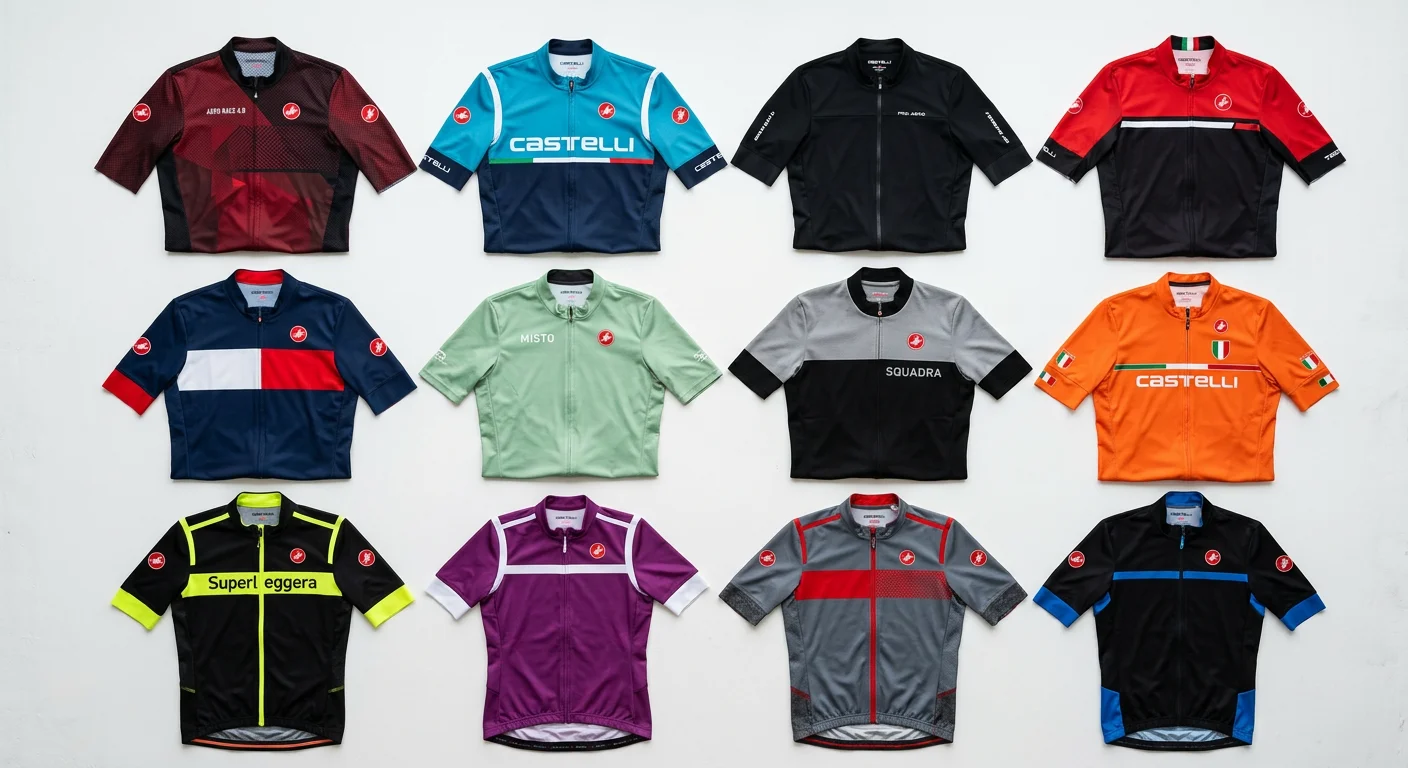
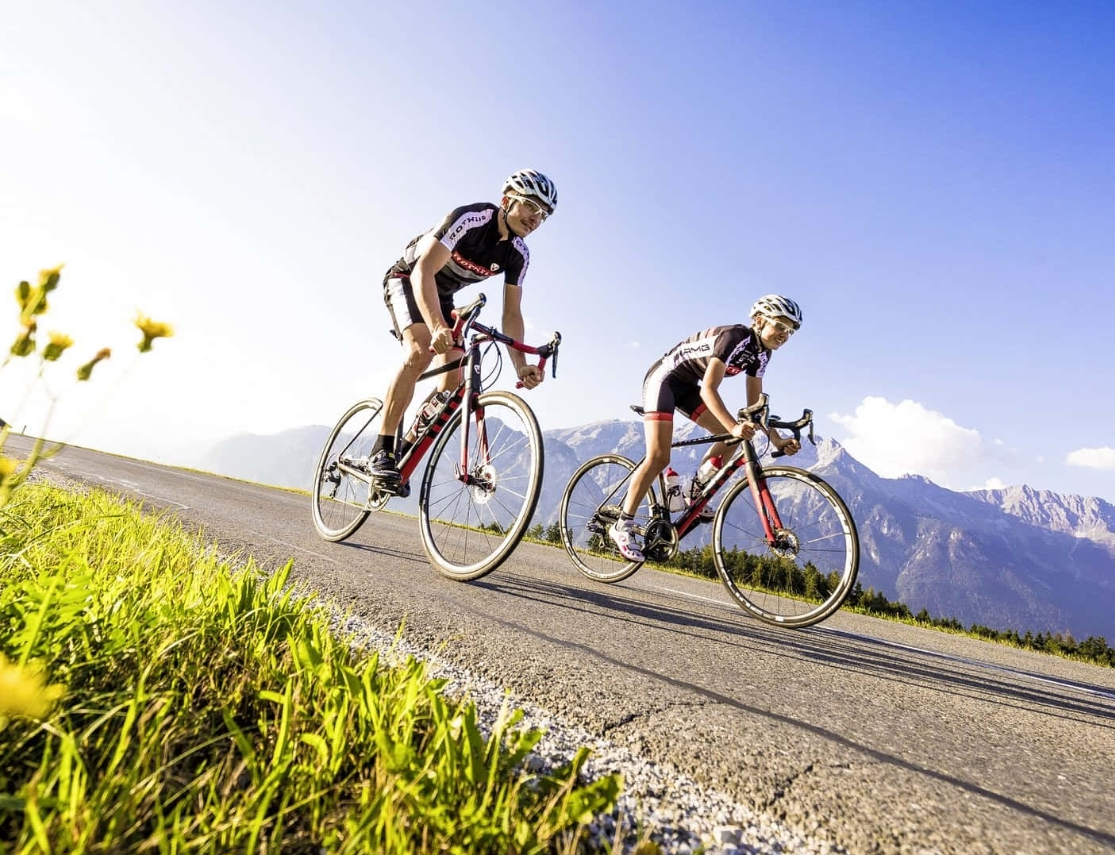
A well-designed team bib short cycling kit should read as one cohesive visual statement. Many teams develop custom cycling team bib short cycling kit designs to keep every rider visually consistent.Yet most riders assemble their kit piece by piece—jersey first, bibs second, socks as an afterthought—and end up with color clashes, awkward waist transitions, or a helmet that fights the whole look. The difference between a team that looks sharp rolling out of the car park and one that looks thrown together usually comes down to a handful of deliberate decisions made before anything gets ordered. From establishing your color hierarchy to nailing sock height, shoe tone and bar tape, every element either reinforces the kit’s identity or undermines it. Get the sequence right, and matching stops being guesswork. It becomes a system you can repeat, season after season, rider after rider.
Set the Team’s Color Hierarchy Before Choosing Individual Pieces
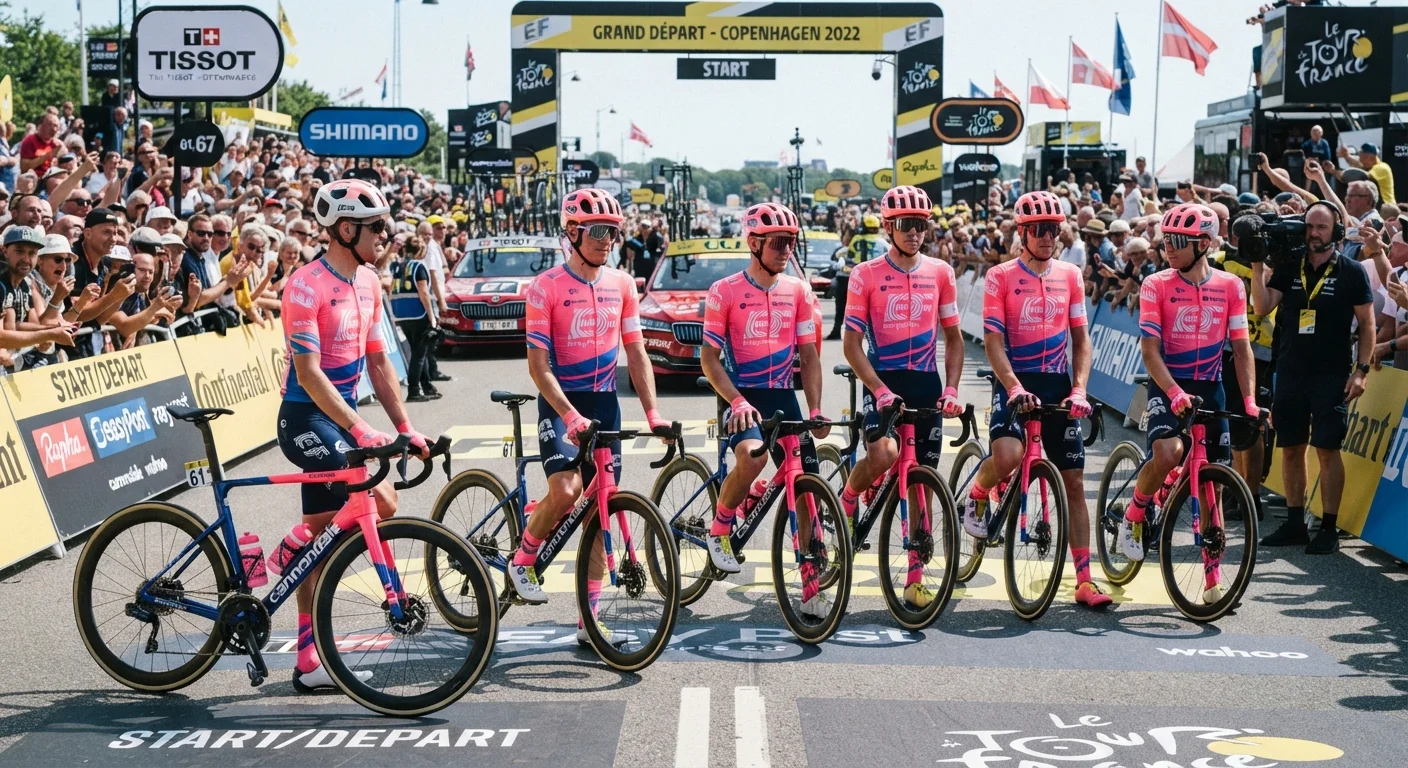
Walk any grand départ and you'll spot the team whose kit reads like a single thought. That clarity comes from hierarchy, decided before anyone touches a jersey or a team bib short cycling order form.
Start with one primary color. This is your anchor, the color people will associate with the team before anything else. Everything downstream, from secondary tones to accent flashes, has to defer to it.
The most reliable split is 60% primary, 30% secondary, and 10% accent. It's a borrowed rule from brand design, but it translates cleanly onto fabric. Your primary dominates the jersey body and bib panels. Secondary colors handle panels, side stripes, and supporting blocks. Accent colors appear only on details like zippers, piping, or a single stripe on the sock cuff—the details you want eyes to land on.
Neutrals (black, white, or grey) keep the palette breathable and stop four colors from turning into visual noise.
A few working rules:
Decide primary first, then build secondary and accent choices around it.
Higher-contrast, saturated colors pull attention first. Use them for accents only.
Cap the palette at 3–5 main colors, with no more than four accents running simultaneously.
Document everything: HEX and Pantone values, plus notes on where each color is allowed and where it isn't.A professional cycling team accessories manufacturer can help maintain color accuracy across every production batch.
Lock this hierarchy into a shared reference before ordering a single piece. Approve primary, then secondary, then accent, then neutrals, in that order, every time.
Match the Jersey’s Main Color With a Solid Bib Short Base
Black wins more often than any other color, and it isn’t close. Photograph a hundred kits at a Gran Fondo start line, and you’ll notice that riders in bold, saturated jerseys almost always default to black shorts underneath. It’s the safest bet in a team bib short cycling wardrobe, and there’s a reason it keeps showing up.
Navy and light grey come in second. Both read as neutral without going flat. They give a kit a cleaner, more versatile finish than black alone, especially when the jersey carries a heavier color statement up top.
The rule underneath all of this is simple. Wear a bold jersey with a neutral bib, or a bold bib with a neutral jersey. Never both loud at once.
Current examples: a Teal Core jersey with Teal Core shorts gives a fully matched tonal look. A coral or orange jersey with dark navy shorts creates deliberate contrast. A dusty teal jersey with black shorts is the safe pairing.
Ozark Cycling sells jerseys and bibs separately at $75 each, built so any colorway pairs cleanly. Castelli ’s Espresso 2 line goes further. It offers 10 jersey colorways and 8 bib colorways engineered for mixing. Solid, dark, and neutral. That’s the base every strong kit builds from.
Align the Jersey and Bib Short Transition at the Waist
Look closely at any rider with a dialed-in kit, and you'll notice the waist disappears, something color-matching alone can't fake. No bunching, no visible seam war between jersey hem and short. That's construction.
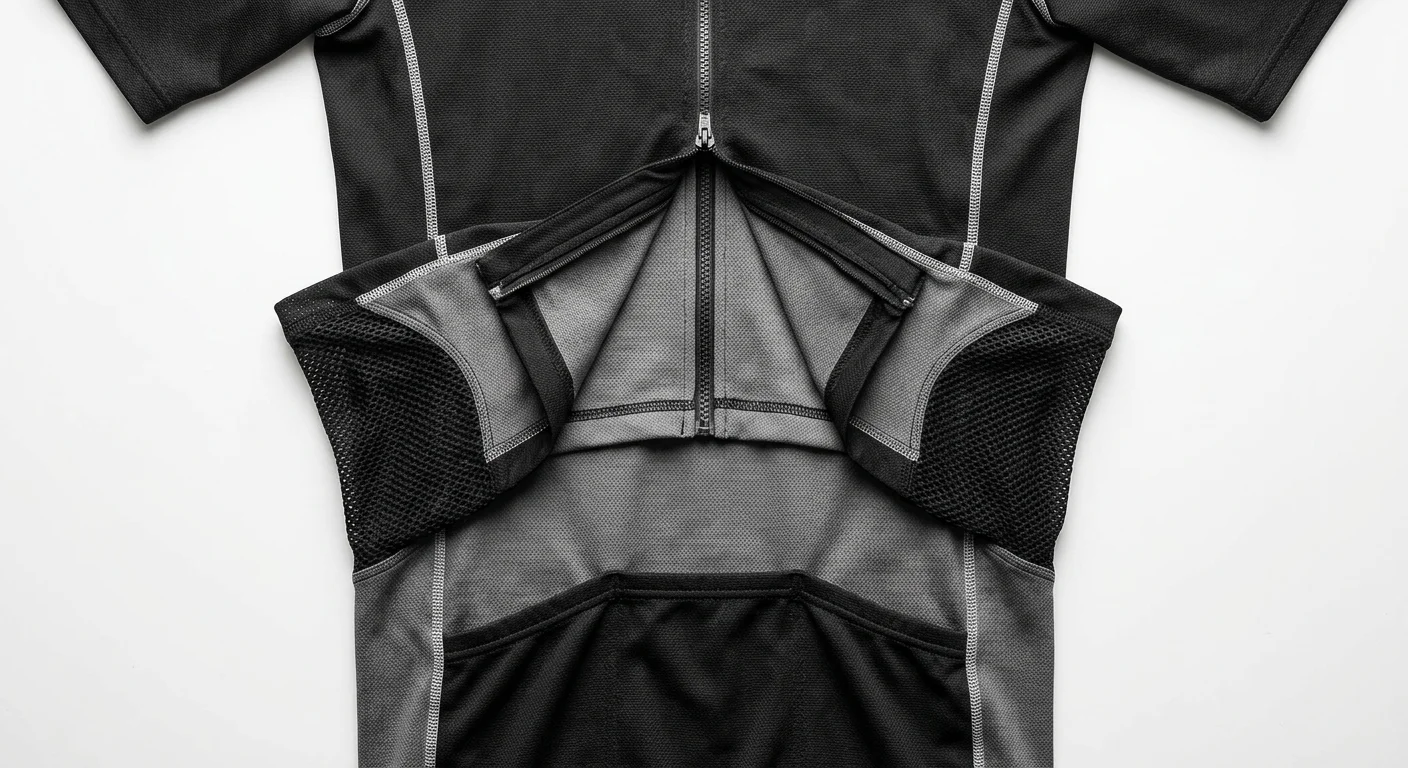
Bib shorts skip the waistband entirely, by design. No elastic band means no tightness, and no line printing through the jersey when you're six hours in and the fabric's soaked through. A full-circumference silicone gripper holds everything anchored without creating a visible edge. Some builders favor a classic mesh bib panel up top because it smooths the short-to-jersey line rather than fighting it.
The best team bib short cycling designs sit high, close to the body, so even when the jersey rides up mid-sprint, the midriff stays covered.
Coordinate Socks With the Jersey, Bibs and Shoes
Start with shoes first. Shoes decide socks, and socks decide the rest. Shoes and socks carry most of the visual weight in any team bib short setup, so get that pairing right before touching the jersey.
The safest defaults are white shoes with white socks, and black shoes with black socks. Both read clean, both photograph well, and neither fights for attention.
Avoid black socks with white shoes. It's flagged constantly in style guides, and once you notice it on a startline, you'll see why: it breaks the line of the leg instead of extending it.
If bibs stay black or charcoal (the cleanest, most versatile base), let the socks pick up the jersey's dominant color, or echo a small accent from the sleeve, gripper, or helmet. That makes a kit look deliberate.
Skip thick socks. Merino or thin technical weaves keep shoes from feeling tight and circulation from dropping mid-ride. It's a small detail, but it shows in how a rider stands at the finish.
Set Sock Rules for Leg Warmers, Overshoes and Long Garments
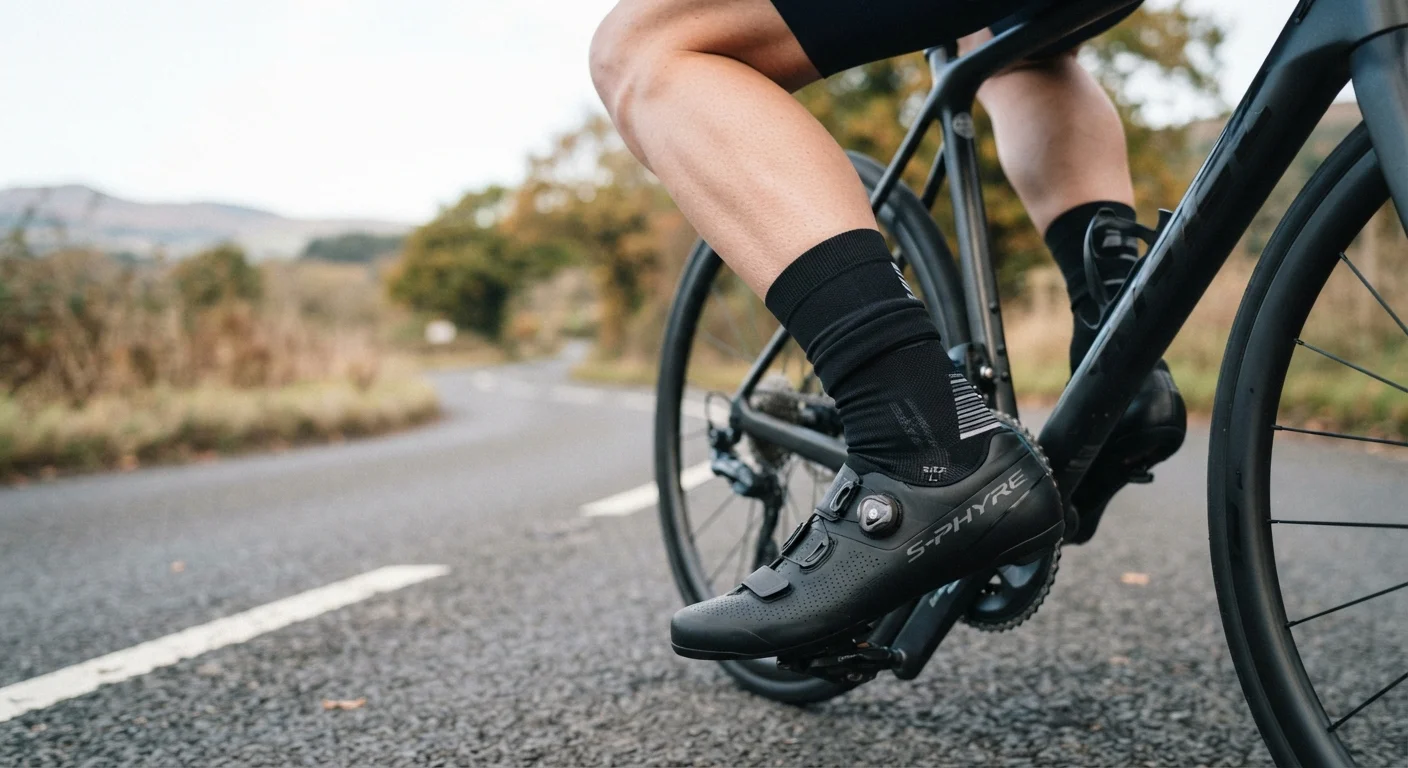
Layering has its own hierarchy, and getting it backwards is the fastest way to ruin an otherwise sharp team bib short cycling look. Socks go over leg warmers, always, unless the warmer has a zip. That's not style preference. It's how the fabric sits without bunching at the ankle.
One-piece long garments flip the order. Socks go underneath, because branding and logos on the sock cuff shouldn't disappear under fabric. Overshoes follow their own rule too: they sit over leg warmers or longs, never under. Reverse that and you get a rider who looks like he dressed in the dark.
Overlap matters as much as order. Leg warmers should overlap the garment they extend into, no visible skin gap. And if you're racing, the UCI caps sock and overshoe height at half the distance between the ankle bone and fibula head, a rule clarified back in October 2018 and still enforced at check-in.
Match the Helmet and Shoes to the Kit’s Strongest Visual Anchor
Every strong kit has one color block that grabs the eye first. Find that block. Then send it straight to the helmet and shoes.
That’s the whole system. A cycling kit falls apart when the helmet and shoes introduce a third, unrelated color into a palette already working within a 60-30-10 split. The dominant color owns 60%, the secondary takes 30%, and the last 10% is accent. The helmet and shoes sit inside that structure, not outside it. They repeat the dominant color or echo the accent. Never invent a new one.
Two patterns work consistently. If the jersey has one unmistakable main block, match the helmet to that primary color. If the jersey already runs hot with accent color, keep the shoes neutral — white or black — so nothing competes for attention.
A repeated accent does more work than people expect. Orange trim on the helmet, echoed in a shoe accent, reads as intentional. Four different colors fighting across helmet, shoes, and jersey reads as an afterthought.
Teams sourcing across vendors should lock this down with PMS or Pantone specs. Fabric dye lots vary. A helmet ordered from one cycling team jersey and accessories supplier and shoes from another can drift half a shade apart without a shared reference number, and that gap shows up in every group photo.
Contrast still has a place. A dark-anchored kit paired with a white helmet or white shoes can look sharp, deliberate. But repeating the anchor color instead of fighting it is what separates a kit that photographs like a pro peloton from one that looks assembled in a hurry.
Coordinate Gloves, Bar Tape and On-Bike Accessories
There's a moment on every start line where I find myself crouching down, camera at knee height, drawn to the handlebar. That's where the real story of a kit gets told. Gloves and bar tape are the quiet finishing touches. They separate a team bib short cycling ensemble from something that merely looks put together.
Cycology builds bar tape as part of its jersey and glove line, chasing one coordinated look. Lizard Skins goes further, with bar tape, lock-on grips, and long-finger gloves as a matched set. Movistar sticks to their tape alone. Erin Huck runs the full trio. Lupato Bros pair tape with grips. Sasha Yakovleff mixes lock-on and slip-on grips with gloves. Their DSP Ultra tape and Gradient grips sit at the premium end of that mix.
Sourcing-wise, ask for tape in 1.9mm and 3.2mm — the benchmarks Bike Corp Australia lists on its SKUs. Pricing spans C$16–C$110 , with Fizik's Tempo Microtex at C$45 and design-led sets climbing to C$75–C$110. Treat gloves, tape, and grips as one merchandising block, not three separate line items.
Approve the Complete Team Kit as One Matching System
Somewhere between the design mockup and the finished jersey sitting in a box, most teams lose the thread. The fix is procedural. Approve everything as one order.
Suppliers structure this differently depending on scale. Low-MOQ OEM teamwear shops run 10 pieces per design, certified to ISO 9001:2015, OEKO-TEX, and GRS, and ship worldwide. That works for small clubs testing a new team bib short cycling colorway before committing further. Mid-market cycling apparel suppliers require 50 pieces per design and turn around sampling in 7–10 days, under the same ISO 9001:2015 standard. Private-label programs start at 100 pieces per SKU, with sizes XS–XXL counted inside that single MOQ, and are certified to OEKO-TEX Standard 100, BSCI, WRAP Gold, GRS, and Higg FEM.
Fabric matters here too. Expect 100% polyester, 92/8 polyester-spandex, or recycled polyester blends in weights from 140gsm to 250gsm.
Whichever tier you're working in, the checklist stays identical. One sheet covers jersey, shorts, socks, same colorway, names/numbers, sponsor placement, size split, packaging, and repeat-order terms. You approve it once.
Conclusion
A dressed team makes small deliberate choices: the color hierarchy set before a single piece is chosen, the way a jersey's main tone flows into the bib short base without interruption, and the quiet discipline of matching socks to shoes rather than leaving them to chance. The real skill behind great team bib short cycling kits is a system where every piece agrees with the next.Teams can compare custom wholesale price options for cycling suit set orders when preparing larger seasonal runs.
Riders who turn heads on a group ride aren't wearing anything flashy; they've respected the logic of their kit from helmet to overshoe. Before your next race day, lay out the full kit as one composition. Check the transitions. Trust the anchors.