Two hours into a ride and your jersey has hiked halfway up your back. The fabric clings instead of wicking. You wonder: did I just blow twenty bucks, or is this what $20 cycling jerseys feel like?
That discomfort isn't in your head.
There are real, measurable differences between a $20 jersey and a $90 one. But "expensive" doesn't mean "right for you." If you ride twice a month on flat trails, a race-fit aerodynamic cut with premium seam construction is overkill. If you're logging serious weekly miles, that cheap fabric is quietly making every ride worse.
We broke down what separates budget, mid-range, and premium jerseys—fabric weight, stitching, breathability. Use the breakdown to buy based on your riding habits, not marketing hype.
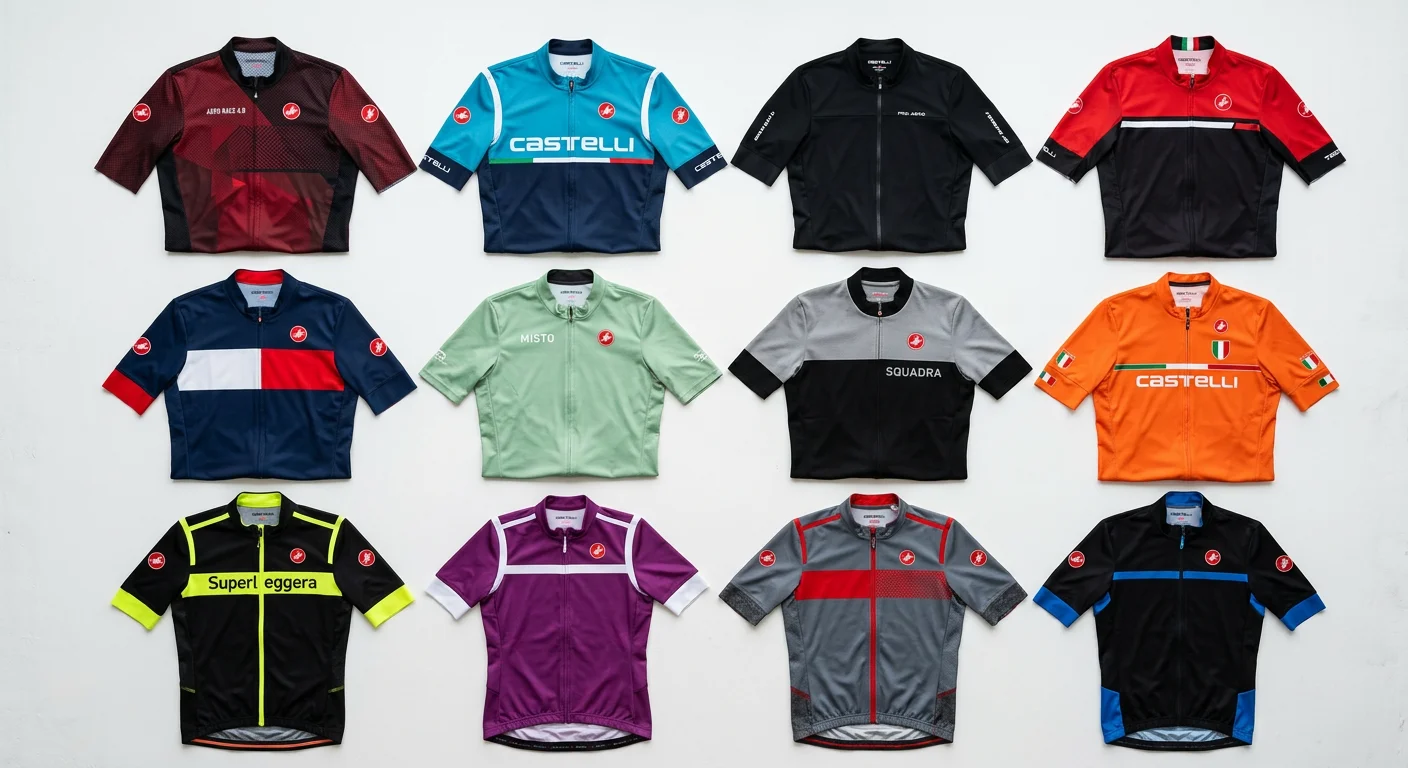
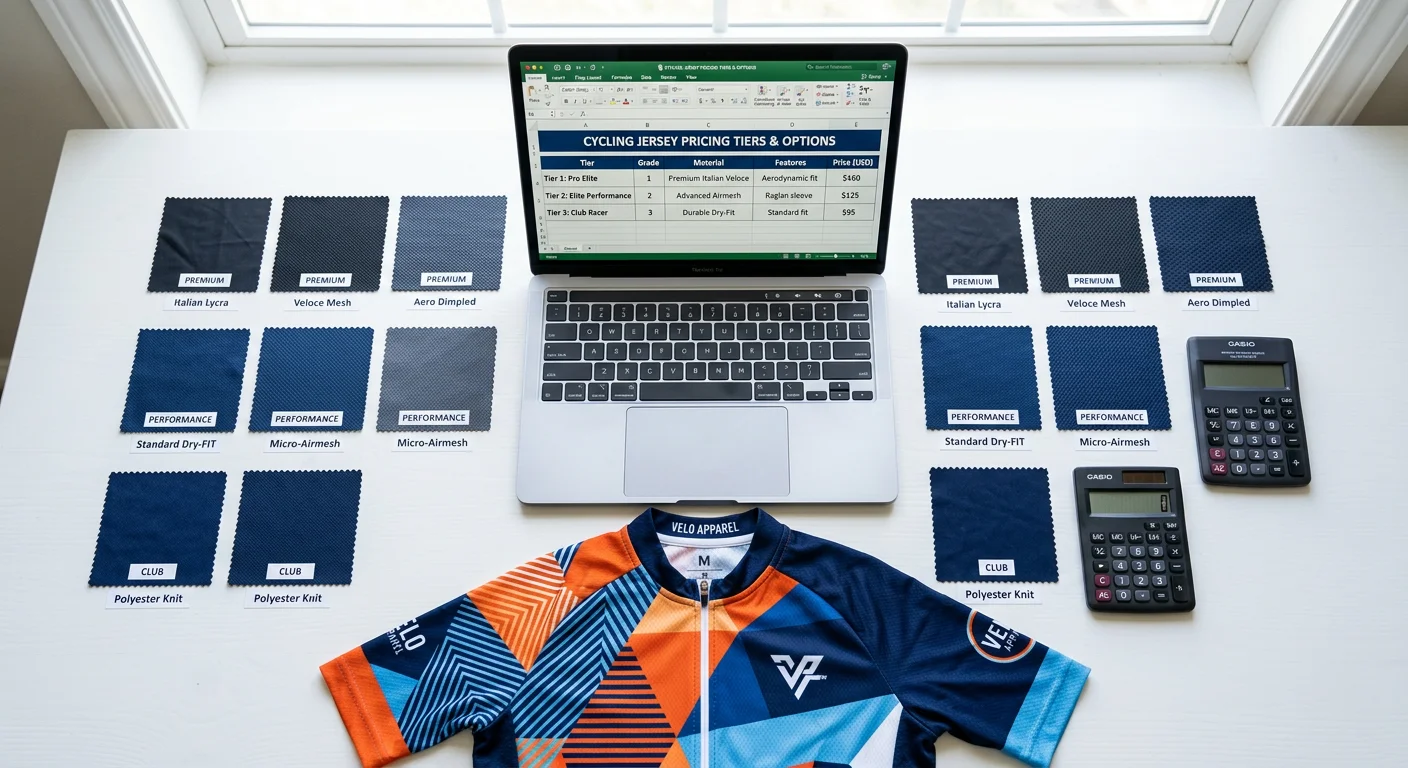
What $15–$30, $40–$80, and $100+ Jerseys Actually Deliver for the Price
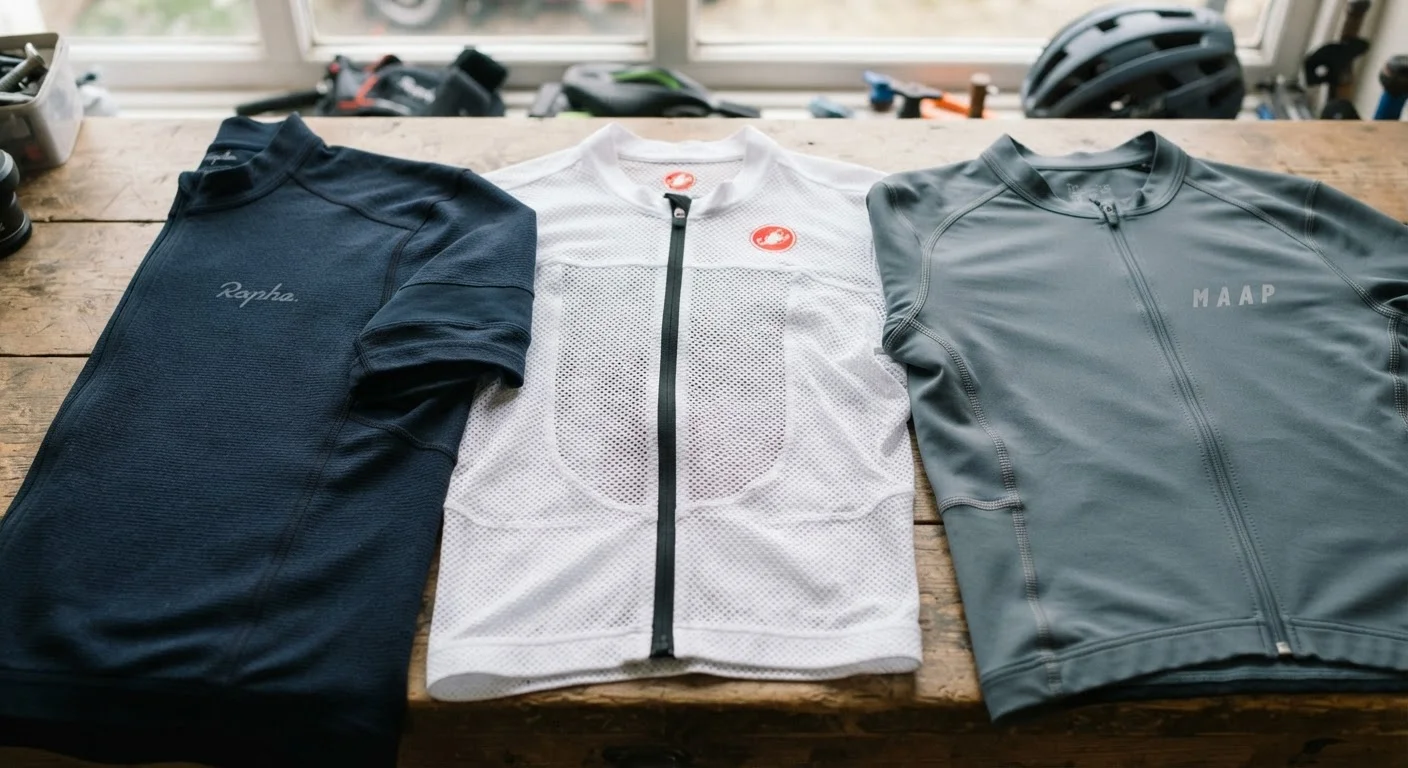
Price tags don't lie — but they don't tell the whole story either. At each tier you get different fabric, construction, and fit.
$15–$30: Budget Cycling Gear, Budget Results
At this price you're buying standard polyester with a heavier drape, printed (not sublimated) graphics, and stitching that's often crooked or inconsistent.Brands seeking custom Performance Fabric cycling jerseys from an OEM or ODM manufacturer usually avoid these entry-level construction limits. Realistic wear life is one wash to maybe 1–3 casual seasons before the fabric starts pilling or the seams start fraying. The fit is relaxed and generic — no race fit versus club fit distinction, just "one size loosely fits most." Under repeated sweat exposure and washing, this tier fails fast.
$40–$80: The Sweet Spot for Casual Riders
This is where basic moisture-wicking fabric starts to show up. You get a better polyester blend, sometimes with breathable mesh panels, and heat-applied or screen-printed graphics that hold up better than the bargain tier. Fit is still fan-focused rather than performance-driven — comfortable, not aerodynamic. Market comparisons put this range around $30–$70 for standard replicas , stretching to $70–$100 depending on brand and sport crossover. For riders logging casual weekend miles, this tier delivers acceptable breathability and daily-wear durability without paying for race-specific engineering you won't use.
$100+: Where Premium Cycling Apparel Brands Actually Perform
Cross $100 and you're in authentic-grade territory. Sublimation printing replaces basic screen printing, giving you sharper graphics that won't crack or peel. Fabric shifts to premium technical knits — Dri-FIT ADV or HEAT.RDY-style open-and-closed mesh construction — engineered for airflow and sweat management. Seam construction gets more advanced too: taped or bonded edges, laser-cut ventilation panels, and a slimmer race-fit cut that often runs tight (size up if you're between sizes). Retail examples back this up — $100–$150+ is common , with high-end technical jerseys reaching $150–$200 .
Price-to-Performance Benchmark
Under $30 : Looks fine from a distance. Falls apart under scrutiny — fabric hand-feel, wash durability, and logo accuracy all suffer.
$40–$80 : Best value for casual riders. Acceptable breathability, decent construction, built for regular but not intense wear.
$100+ : You get authenticity-grade materials, lighter weight, superior airflow, and construction that matches performance-riding demands.
The gap between tiers is measurable in fabric weight, seam quality, and how your body feels two hours into a ride.
5 Tangible Material & Construction Checks to Judge a Jersey's True Value
Forget the price tag for a second. Grab the jersey and run these five checks yourself. They'll tell you more about real value than any marketing copy.
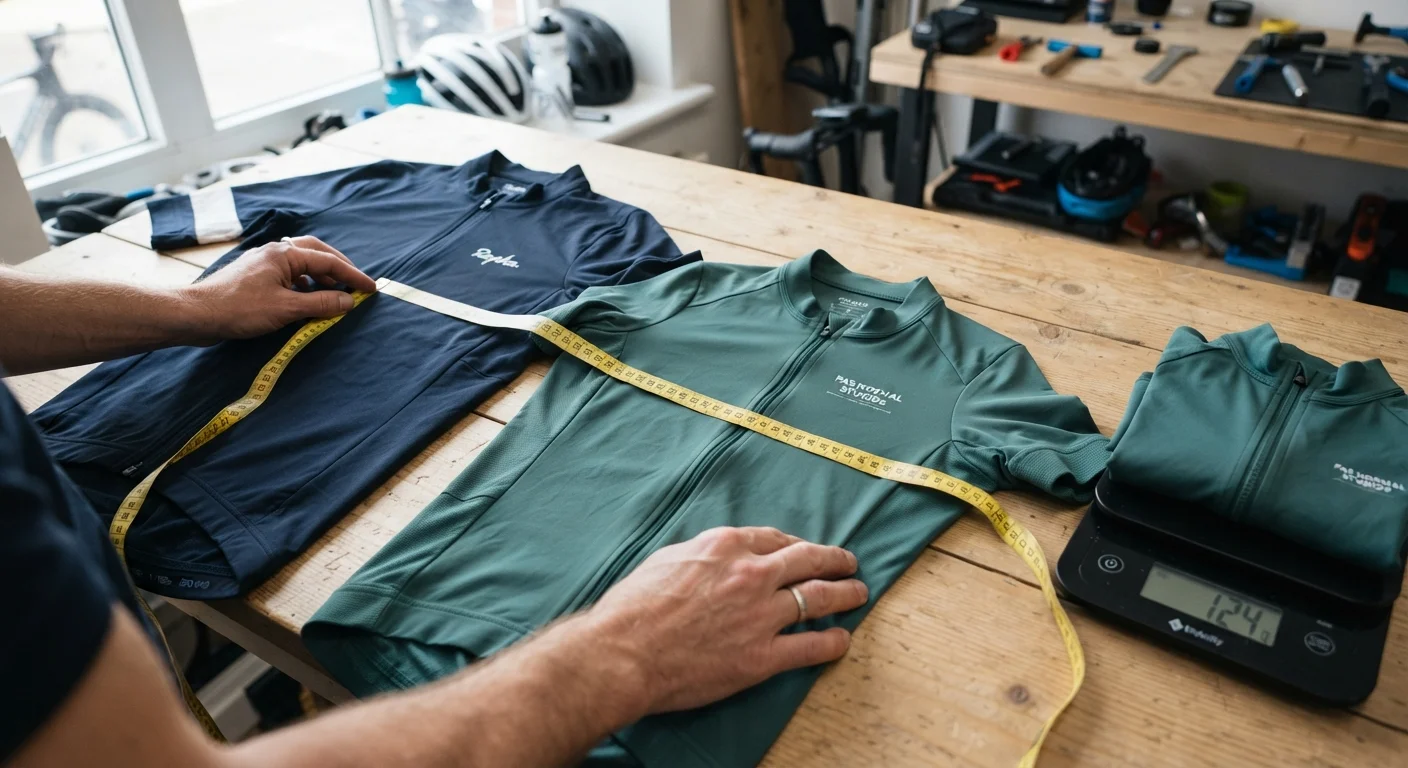
Check the fabric weight (GSM)
Flip the jersey inside out and look for a tag, or ask the seller for GSM specs.A professional Performance cycling jerseys custom manufacturer can provide GSM and fabric testing data before production. For cycling jerseys, 150–180 GSM is the sweet spot. Anything under 200 GSM works for summer riding, but if you're below 140 GSM, expect a flimsy, see-through fabric that won't hold up.
Test the weave with a light source
Hold the fabric up to a window. Visible light gaps in the knit mean better airflow – that's cycling jersey breathability. Thin fabric isn't the same as breathable fabric. A quality bird's-eye mesh or micro-interlock polyester lets air through while maintaining coverage when stretched and sweaty. Cheap fabric either blocks light (no breathability) or turns see-through when wet (no coverage).
Stretch the seams and watch recovery
Pull the fabric at a seam, then let go. Good cycling jersey seam construction – tight stitch density, straight lines – snaps back to shape. Loose or crooked stitching stays stretched out, and that's exactly where you'll feel chafing two hours into a ride.
Run a mini durability test at home
You don't need lab equipment to spot trouble. Wash the jersey once, then measure it against the original size. Quality manufacturing keeps shrinkage under 3% for pre-shrunk fabric, up to 5% for standard garment-wash goods. If your jersey noticeably shrinks or twists after one wash, that's a durability test failure. Walk away.
Check for skew after wear
Put the jersey on and move around. Does the print line up straight, or does it twist toward one side? This is called spirality, and it should stay under 5% in well-made single-jersey fabric. Interlock construction shows almost zero twist. That's tighter manufacturing standards, not just a higher price tag.
At What Riding Frequency Does a Mid-Range Jersey Pay for Itself?
Math settles this faster than opinion. A mid-range jersey in the $70–$140 range (roughly £30–£70 ) costs more upfront. But run the numbers on cost-per-ride, and the picture shifts.
The Break-Even Formula
Take a $70 cycling jersey built for 100 rides. That's $0.70 per ride — cheaper than a coffee. Compare that to a $50 jersey rated for 3–5 years of weekly use (156–260 rides), and you're looking at $0.19–$0.32 per ride . Both numbers beat what a $20 jersey costs once you factor in replacing it every 6–12 months.
Here's how it breaks down by riding frequency:
1 ride/week : A jersey rated for 100 rides pays for itself in about 2 years . One rated for 3 years hits break-even at roughly 0.64 rides/week — weekly riders clear that bar easily.
2+ rides/week : You hit the 100-ride mark in under a year. Mid-range jerseys become clearly cost-effective at this point.
5-year builds : These pay off at just 0.4 rides/week — even occasional riders come out ahead over time, as long as the jersey survives that long.
What You Get at This Price Point
Current market examples show what $80–$105 gets you. One jersey at $79.95 uses moisture-wicking Italian Aeromax fabric. Another sits at $83.97–$105 with recycled polyester and moisture-wicking construction built in. You're also getting better hand-feel and more durable stitching than anything in the sub-$30 tier.
The Simple Rule
If you ride once a week or more, a mid-range jersey is the cheaper option once you calculate cost over time. Ride less than that? The math softens, but durability (3–5 years with proper care) still tilts toward mid-range over replacing budget gear constantly.
Why the $70–$100 Range Is the Real "Worth It" Threshold
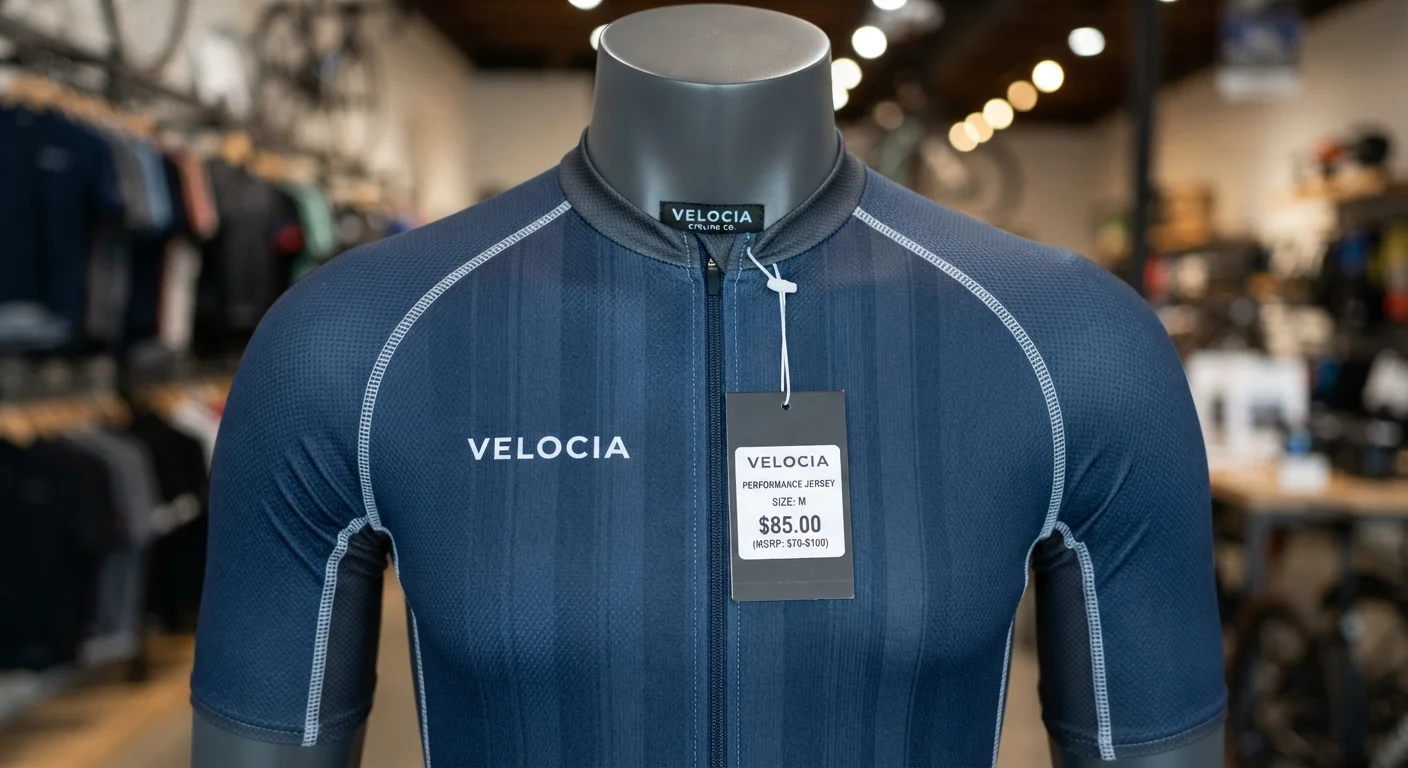
Pricing is psychology, and $70–$100 sits right on top of a well-documented breakpoint that changes how buyers think.
Mass-market products stay under $50. Premium brands start their real lineup around $70–$100. That's not random. Direct-to-consumer pricing research shows buyers shift from "cheap purchase" thinking to "premium but justifiable" thinking right in that band. Below it, you're comparing budget cycling gear. Cross it, and you're evaluating premium cycling apparel brands on a different mental scale.
The Math Behind the Threshold
Buyers react sharply to price breakpoints. A jersey at $68 feels meaningfully cheaper than one at $72, even though the gap is four dollars. Crossing from the high $60s into the $70s registers as a category shift, not a small increment.
There's a practical rule here: set the premium threshold 15–25% above what buyers already spend on average. Close enough to feel reachable, high enough to signal a real upgrade. If your baseline cycling jersey purchase sits around $50–$60, the $70–$100 band lands exactly in that sweet spot.
The upgrade has to feel worth it. This is why many buyers compare custom wholesale price options for Performance Fabric cycling jerseys before scaling orders.Perceived reward should run at least 1.5x the added cost. At $70–$100, that reward shows up as tangible differences: better moisture wicking on the fabric, a more accurate race fit vs. club fit, tighter seam construction. You're not paying for a logo. You're paying for specs you can feel two hours into a ride.
Gaming headsets show the same mid-tier pattern at $100–$200. Cycling jerseys hit that value zone about $30 lower.
Quick Self-Check: Which Price Range Should You Buy?
Skip the spreadsheet. Four questions, under a minute, you'll know your tier.
1. How many rides per week?
Zero to one: budget cycling gear ($15–$30) covers you. Two or more: you've crossed the break-even math into mid-range ($40–$80) or higher.
2. Will you still own this jersey in three years?
If yes, look at total cost, not sticker price. A $20 cycling jersey replaced twice a year runs you $40–$60 annually. A $70 jersey lasting 3–5 years costs less per year and per ride.
3. Race fit or club fit?
Weekend group rides don't need aerodynamic cuts. Racing or fast group rides do. Buying performance fit you'll never use is the most common overspend.
4. Buying for looks or for function?
A crisp graphic on cheap fabric is still cheap fabric.
The rule of thumb: casual and occasional — stay budget. Weekly rider — mid-range pays for itself. Racing or logging serious mileage — go premium.
Conclusion
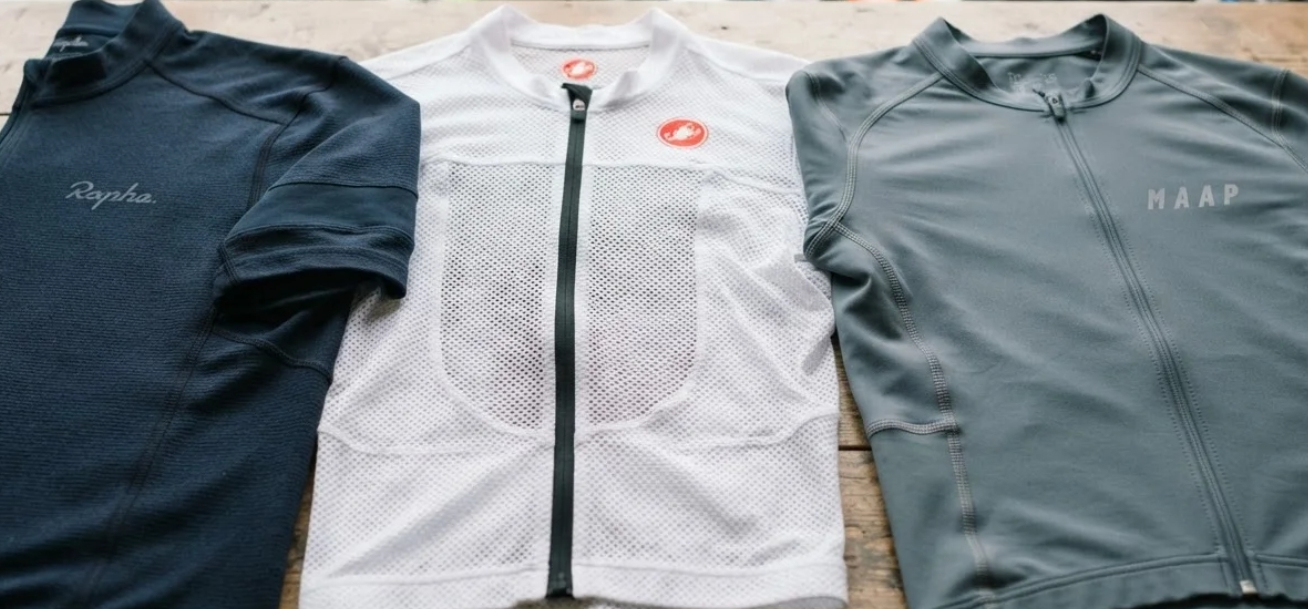
Price alone won't tell you if a jersey is worth it — construction does.Working with a reliable Performance Cycling jerseys manufacturer helps brands control quality beyond the price tag. A $20 jersey with flatlock seams and 140gsm polyester can serve a weekend rider fine, but that same fabric will chafe and sag by hour two if you're logging three-plus rides a week. That's why the $70–$100 range keeps showing up as the real breakpoint. At that price, moisture wicking fabric, race-fit tailoring, and reinforced seam construction stop being marketing buzzwords and start solving actual problems on the bike.
Don't guess. Grab the jersey you already own, run it through the five checks we covered — fabric weight, seam type, zipper brand, fit category, print method — and match that against your weekly mileage. If you're riding 3+ times a week and your current cheap cycling jersey is failing the sniff test (literally), that's your signal to upgrade, not a marketing trick talking you into it.