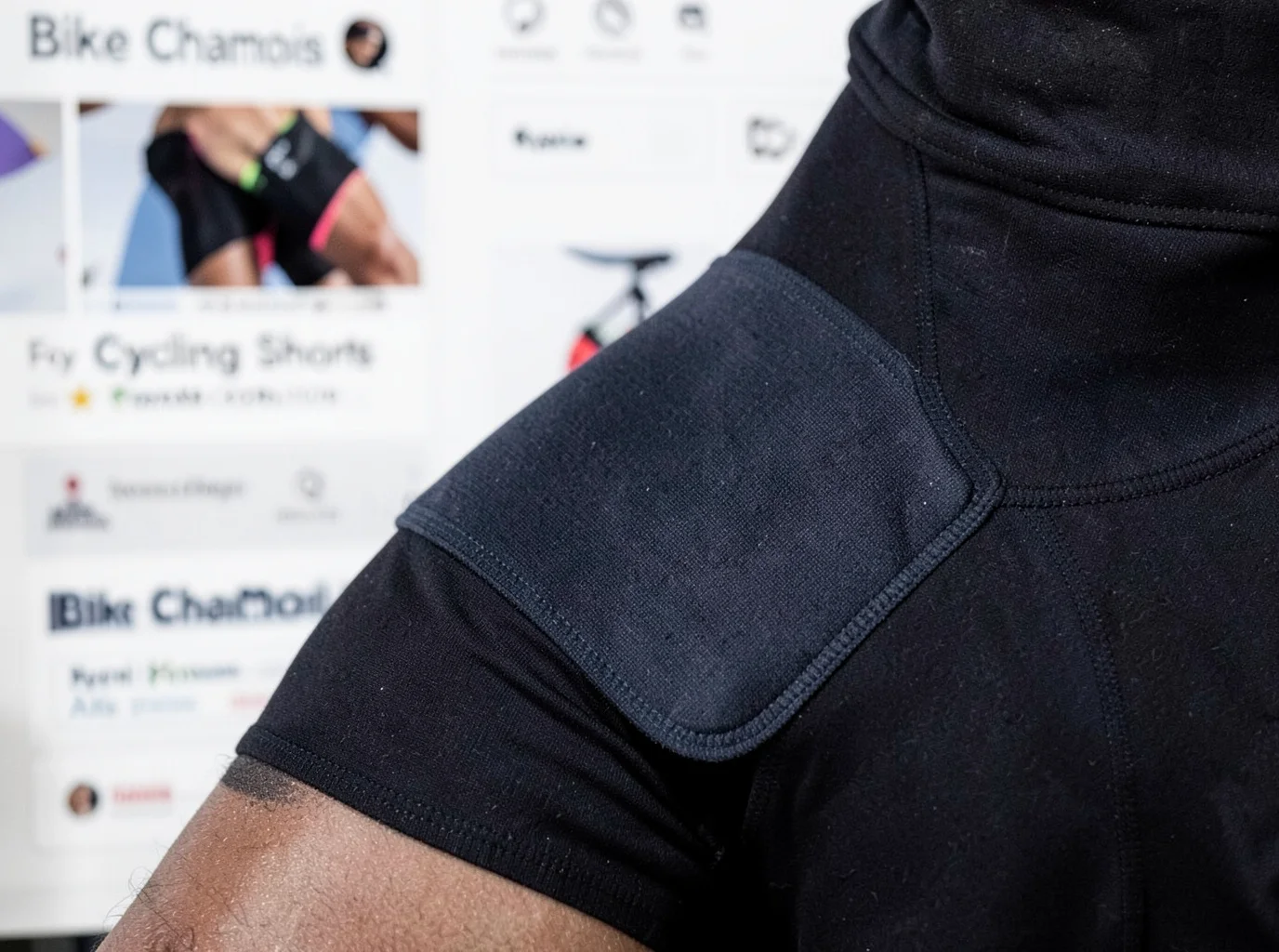
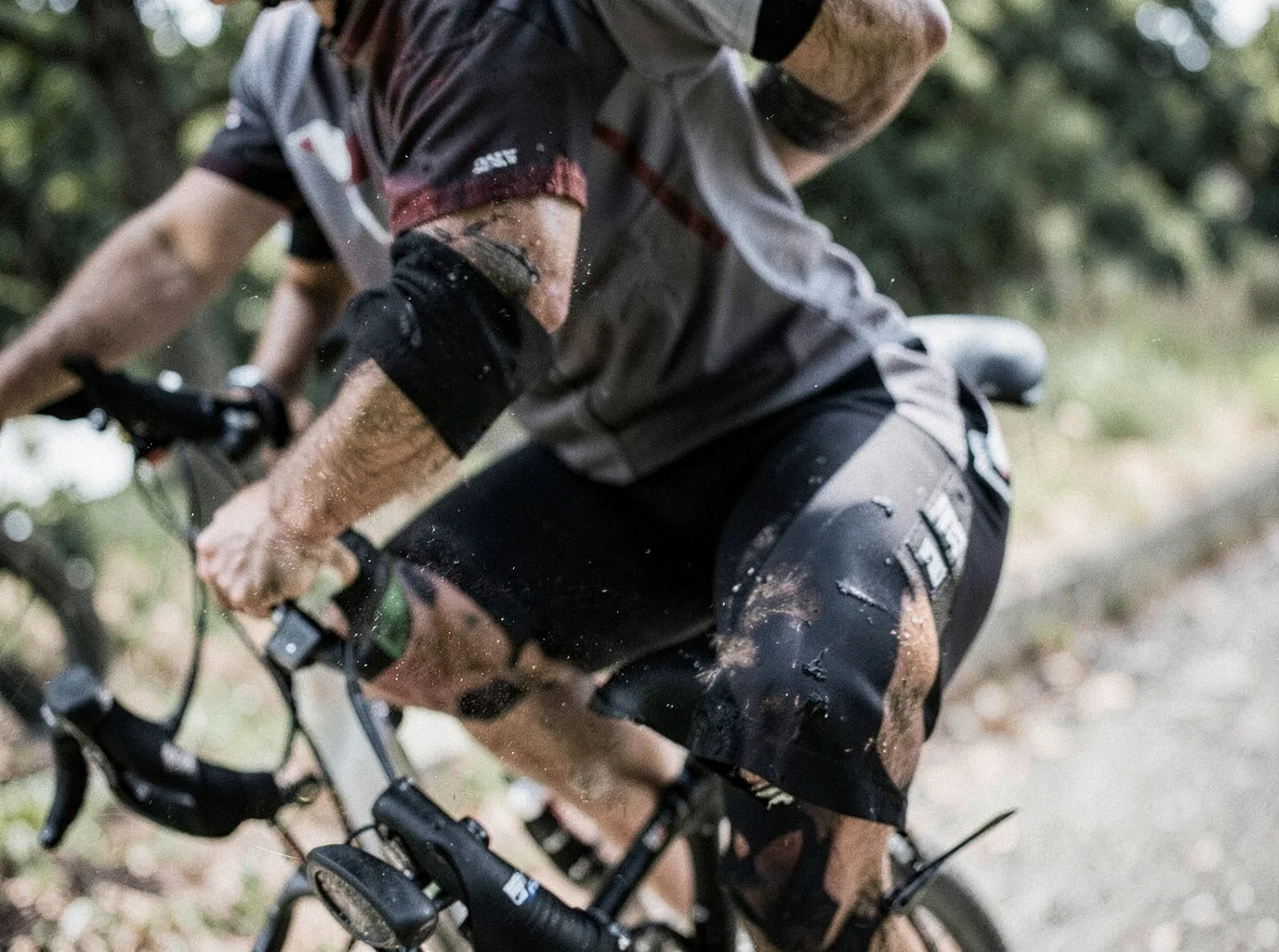
My sit bones were numb for two days after a 50 km ride in regular shorts—and that's when I stopped guessing and started testing. I rode the same routes at 20, 50, and 100 km, once with a padded chamois and once without, just to answer the question every new cyclist eventually asks: are cycling chamois worth it, or is this just another overpriced gimmick aimed at gear-obsessed roadies? The answer depends on how far and how often you ride.Brands can develop custom Cycling Chamois for different ride distances. I'll walk you through where the padding earns its price tag, where it's a waste of money, and the three practical standards I now use to decide—before the chafing decides for me.
The 20 km, 50 km, and 100 km Chamois-vs-No-Chamois Test
Twenty kilometers is where most people give up on testing this at all. And that's the trap. At that distance, the difference between padded and unpadded shorts is barely noticeable. Your sit bones might ache a little by the end, but chafing hasn't set in yet, and numbness is minimal. This is why so many riders assume chamois are unnecessary: their only real test run was a short commute or a lap around the neighborhood.
Fifty kilometers changes the story. Perceived saddle fatigue starts climbing fast without padding, by roughly 30% , according to comfort benchmarks comparing padded shorts to regular ones on rides over an hour. I felt it firsthand: without a chamois, my inner thighs were raw by kilometer 40. With a 6–9 mm moderate-density pad, the range most guides recommend for this distance, the same route felt manageable. One rider comparison found that switching from a cheap 6 mm foam pad to a dual-density 12 mm pad cut perceived fatigue by about 30% on a 60 km mixed-surface ride . A specialized Cycling Chamois manufacturer can tune foam density by zone.That's not marketing copy, it's a measurable comfort gap.
One hundred kilometers is where "worth it" stops being a question. Without a chamois, numbness set into my hands and hips by kilometer 70, and chafing had already started well before that. 9–14 mm dual-density padding is the standard recommendation here, and for good reason. Some retailer benchmarks split gear by distance: shorts rated for up to 1.5 hours / 32 km versus long-ride models built for 2.5+ hours / 80+ km . Beyond 100 km, that distinction stops being marketing language and becomes physical reality.
A few multi-day riders report going chamois-free feels less bulky on all-day tours, but that's anecdotal, not a controlled result, and it wasn't my experience at all.
When Chamois Pads Actually Solve Chafing, Pressure, and Numbness
A chamois only works if it’s built and worn correctly. Slap any padded short over your regular underwear and you’ve created friction city—seams rubbing against seams, fabric bunching where it shouldn’t. Chafing disappears when the pad sits flat against skin, moisture-wicking fabric does its job, and you skip the underwear entirely. That last part still feels wrong to first-timers. I get it. But it’s non-negotiable.
Pressure pain works the same way—location matters more than cushioning amount. The padding needs to align with your actual sit bones and front pelvis contact points. Miss that placement, and you’re not getting relief. You’re getting new pressure points in weird spots.
Preventing numbness takes one design feature: a central channel or cutout that takes weight off the perineal area and keeps blood flowing. An experienced Custom Cycling Shorts Chamois factory can refine pressure-relief zones.Without it, no amount of foam saves you.
More cushion isn’t automatically better. A pad that’s too soft bottoms out mid-ride, and soreness creeps back exactly when you need protection most. Too stiff, and you get hotspots instead of chafing. A fat, overly cushy chamois can actually make you sink deeper into the saddle, increasing pressure rather than relieving it.
Quick fit check: squeeze the foam with three fingers. If it compresses too easily, it’s too soft for anything beyond a short spin.
Watch for these red flags: sudden cushioning loss, new hotspots, mid-ride adjustments, or chafing that shows up after long rides. Any of these mean the chamois isn’t solving your problem. It’s masking it temporarily.
Three Practical Standards That Tell You Whether to Spend $30 or $150 on Chamois Shorts
Price tags on chamois shorts run from $30 knockoffs to $150 pro-level cycling bibs. That's a wide gap. These three factors show which end you need.
Standard 1: Your Riding Frequency and Distance
If you're commuting 5 km a few times a week, skip the investment. Buyers can ask their Cycling Bib Shorts supplier for different pad options.Save your money. But if you're logging 50+ km rides on weekends, or training for anything past 80 km, the math flips. A $50–80 cycling chamois with 6–9 mm padding pays for itself in saved skin and saved rides you didn't have to cut short.
Standard 2: Road Surface and Ride Duration
On smooth pavement for 30 minutes, padding makes little difference. For gravel, potholes, or rides over 2.5 hours, dual-density 9–14 mm padding earns its higher price. Rougher terrain multiplies pressure impact, and cheaper single-density foam bottoms out faster under repeated jolting.
Standard 3: Your Body Weight and Pressure Tolerance
Heavier riders compress padding faster, which means a $30 pad might feel fine for 20 km and useless by 60. If you're carrying more weight or you know you're sensitive to pressure points, spend toward the $90–150 range. Denser foam holds its shape longer under sustained load, and that's what separates a bargain-bin insert from a chamois that performs.
Commute, Weekend Ride, and Long-Distance Value Compared
Not every rider needs the same shorts.
Daily commuters (5–10 km, low intensity): Skip the investment here. A $30 basic chamois works, or none at all. You're not in the saddle long enough for pressure or chafing to build. Save the cash for something that actually matters at this distance—better tires, better lights, better lock.
Weekend warriors (40–60 km, once or twice a week): This is where mid-tier pays off. A $50–80 chamois with 6–9 mm padding hits the sweet spot. You're riding long enough to feel fatigue creep in around the 40 km mark, but not so often that you need pro-level durability. Buy once, ride comfortably for a season or two.
Long-distance and touring riders (100+ km, multiple times a week): Spend the $90–150. Dual-density 9–14 mm padding makes the difference between finishing a century ride and limping through one. Frequent long rides also mean more wash cycles, more compression, more wear.Bulk Cycling Bib Shorts orders can use varied chamois specifications. Cheaper foam won't survive that grind.
A $30 pad that flattens after ten rides costs more per kilometer than a $120 pad that holds its shape for two years. Match the shorts to your actual riding pattern, and the math sorts itself out fast.
When to Skip the Chamois and When to Buy One
Skip the chamois if any of these describe you:
You ride under 15 km at a time, mostly on flat pavement, and you're done before your legs even warm up.
You already own a well-padded saddle with gel or memory foam, and it's handling the pressure fine on your short rides.
You ride once every couple of weeks, not every couple of days. Infrequent short trips don't build the cumulative pressure that makes padding pay off.
Your budget is tight and your rides top out at 20 km on smooth streets. That $30–150 is better spent on tires or lights.
You've never experienced numbness, chafing, or saddle soreness past the 30-minute mark. If your body isn't complaining, don't fix what isn't broken.
Buy the chamois if any of these hit home:
You're riding 50+ km at least once a week, and you've already felt that raw, burning chafe by kilometer 40.
Numbness has crept into your hands or hips before, especially past 70 km, like it did for me on that unpadded century attempt.
You're on gravel, potholed roads, or mixed terrain where every jolt translates straight into pressure.
You're training for an event past 80 km and can't afford mid-ride adjustments or cut-short training days.
You're a heavier rider who compresses cheap foam fast, and you need padding that holds shape past ride 20, not just ride 2.
How Cycling Chamois Thickness and Material Change the Experience
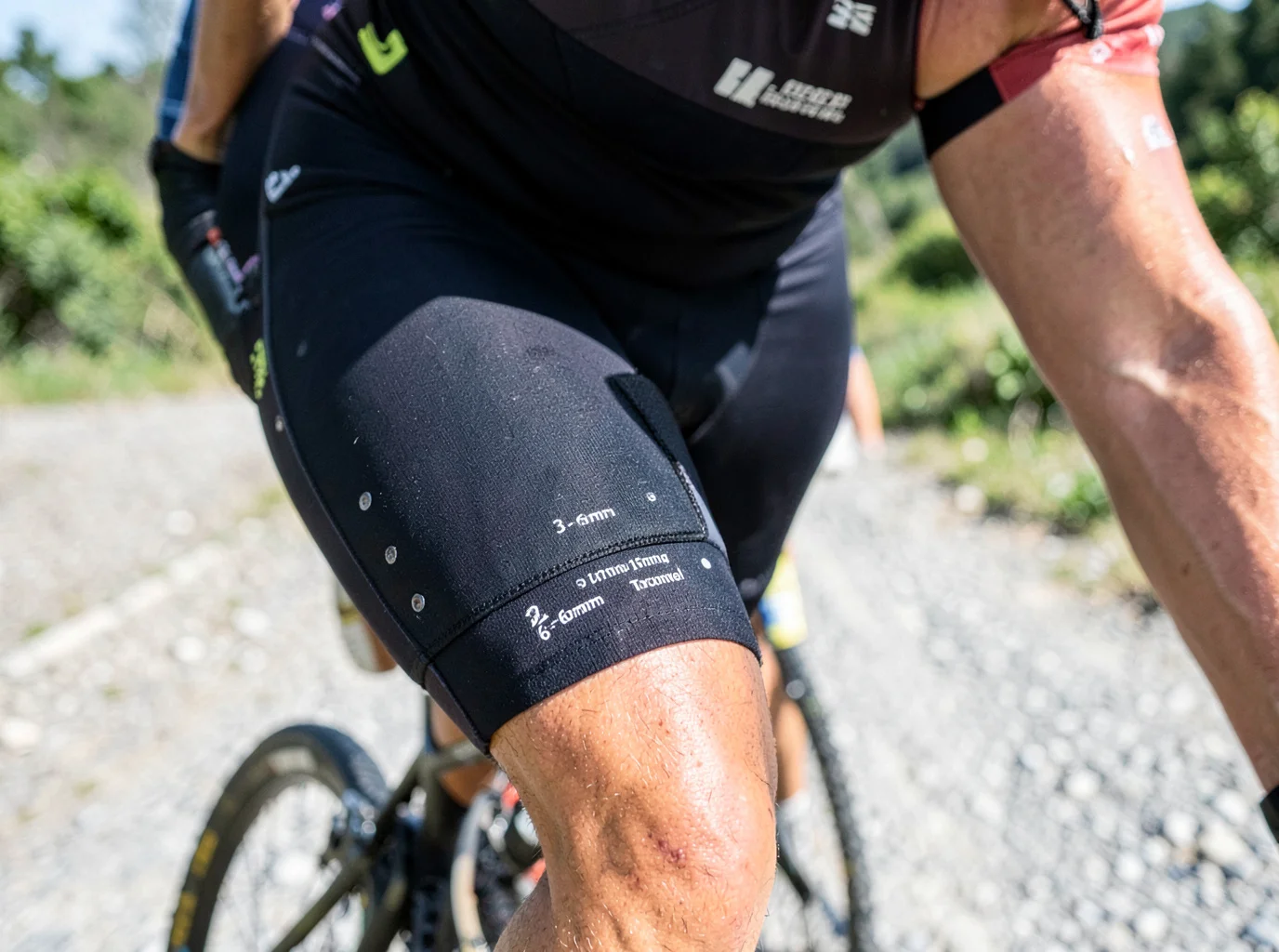
Not all padding is built for the same job, and that's where most buyers get confused. Race pads run 3–6 mm , thin and dense so you feel connected to the saddle during hard, short efforts. Endurance pads sit at 6–12 mm , often multi-density foam designed for 2–6 hour rides. Touring and gravel pads climb to 12–15+ mm , plush enough to absorb shock on rough terrain.
Density matters more than thickness. A thick pad with low-density foam bottoms out fast, sending you right back to square one. A thinner, denser pad often outperforms a bulky cheap one.
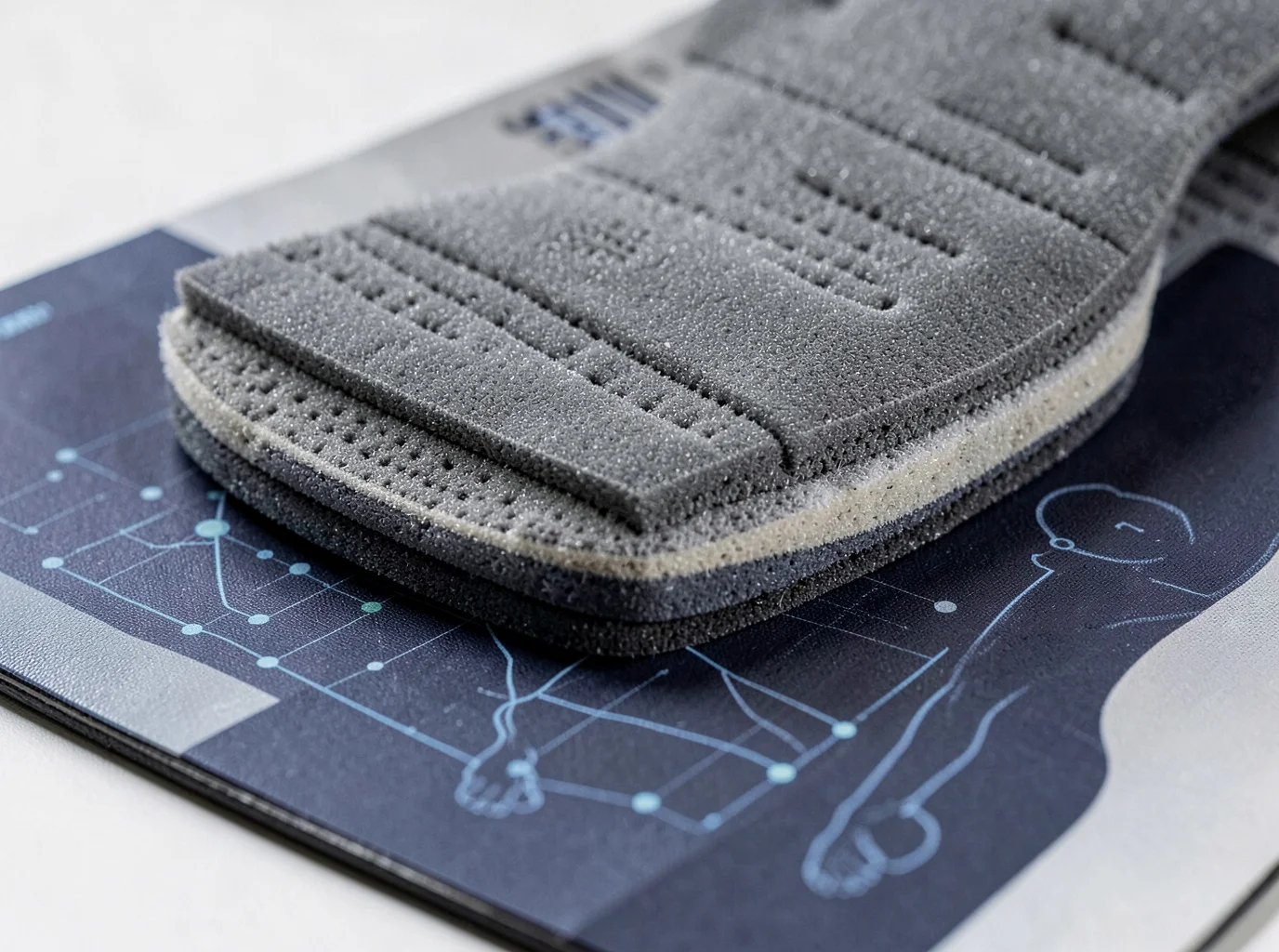
Zoned construction makes the difference measurable. Quality pads run denser foam, roughly 70–90 g/L , right under your sit bones, and softer foam, 40–50 g/L , along the perineal channel. One gravel/road pad I checked used an 8 mm foam layer inside a 10 mm total polyester shell. Another multi-layer build stacked 65 kg/m³ foam at 4 mm under 120 kg/m³ foam at 12 mm , hitting 16 mm total .
Material changes the feel too. Gel runs thinner and firmer than foam, better dampening, higher price. Open-cell multi-layer foam splits the difference, staying soft against the skin and firm underneath.
By discipline, road sits at 8–12 mm , MTB/gravel at 12–15 mm , and indoor spinning at 6–8 mm . Match the mm to your mileage, not the marketing.
Chamois Cream, Underwear, and Other Comfort Variables
Padding alone doesn't guarantee a chafe-free ride. Seams and fit cause more discomfort than most riders realize, especially in women's shorts where saddle contact points differ. A chamois needs to sit close to the skin, not float loose, or every pedal stroke turns into friction practice.
Skip the underwear entirely. cycling shorts are designed to touch skin directly. Layer regular underwear underneath, and you've added extra seams exactly where you don't want them.
Chamois cream fills the gap padding can't. It's a friction-reducing, anti-chafe layer with antibacterial properties built in. Apply it to your sit bones, buttocks, and inner thighs, or straight onto the pad. A pea-sized amount covers short rides; longer efforts need a one- or two-finger scoop. Rides past 60–90 minutes, sweaty sessions, indoor trainers, and back-to-back riding days all benefit most. If your shorts feel slippery or bunched mid-ride, you overdid it.
Stick to water-soluble formulas —petroleum-based creams stain fabric and can void warranties. Match materials, too: most performance shorts run nylon/elastane blends (one pair I tested listed 78% nylon, 22% elastane), and non-designated lotions can break that fabric down over time.
What a Beginner Should Test Before Keeping a Pair
Forget guessing from a product photo. The real test happens on your body, in motion, before you decide these shorts are keepers.
Start with a wear-test, not a sit-test. Pull the chamois on, skip the underwear like you should, and walk around your living room first. Sitting on a couch tells you nothing about how the pad behaves under actual pedaling pressure.
Move before you judge. Do a short indoor trainer session or a quick lap around the block. You're checking whether the pad shifts, bunches, or stays put once your legs start working.
Run the 60–90 minute benchmark. This is the same window gear testers use for footwear, and it works here too. If the chamois still feels invisible after 60–90 minutes, no hotspots, no rubbing, no seam irritation, it passes.
Watch for early fail signs: pinching near the groin, a pad that slides during pedaling, or friction that gets worse instead of settling in. Any of these mean the fit is wrong, not that you need to "break it in."
Progression matters. If short rides pass clean, extend to a longer easy ride before trusting it on a century attempt.
Conclusion
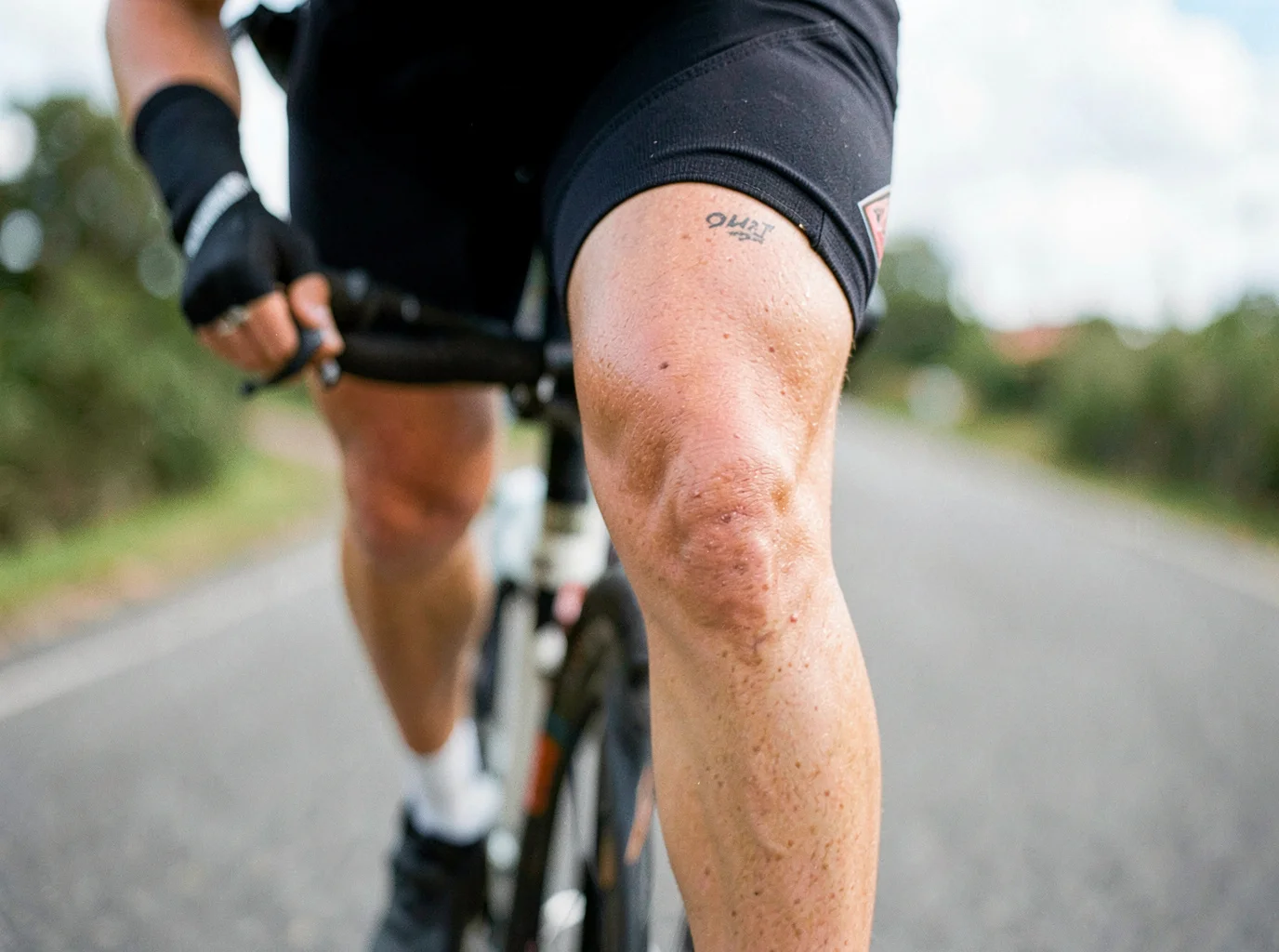
After 100+ kilometers of testing, when rides stretch past 30-40 minutes, hit rough pavement, or you carry extra weight on the saddle, numbness and chafing become real and chamois padding earns its keep. For a five-kilometer commute in jeans-friendly traffic, regular shorts are fine. Match ride duration, road texture, and your own pressure points to your actual riding habits before spending a dime. Test a mid-thickness chamois on your longest regular route first.Request a custom wholesale price for Cycling Chamois based on order volume.