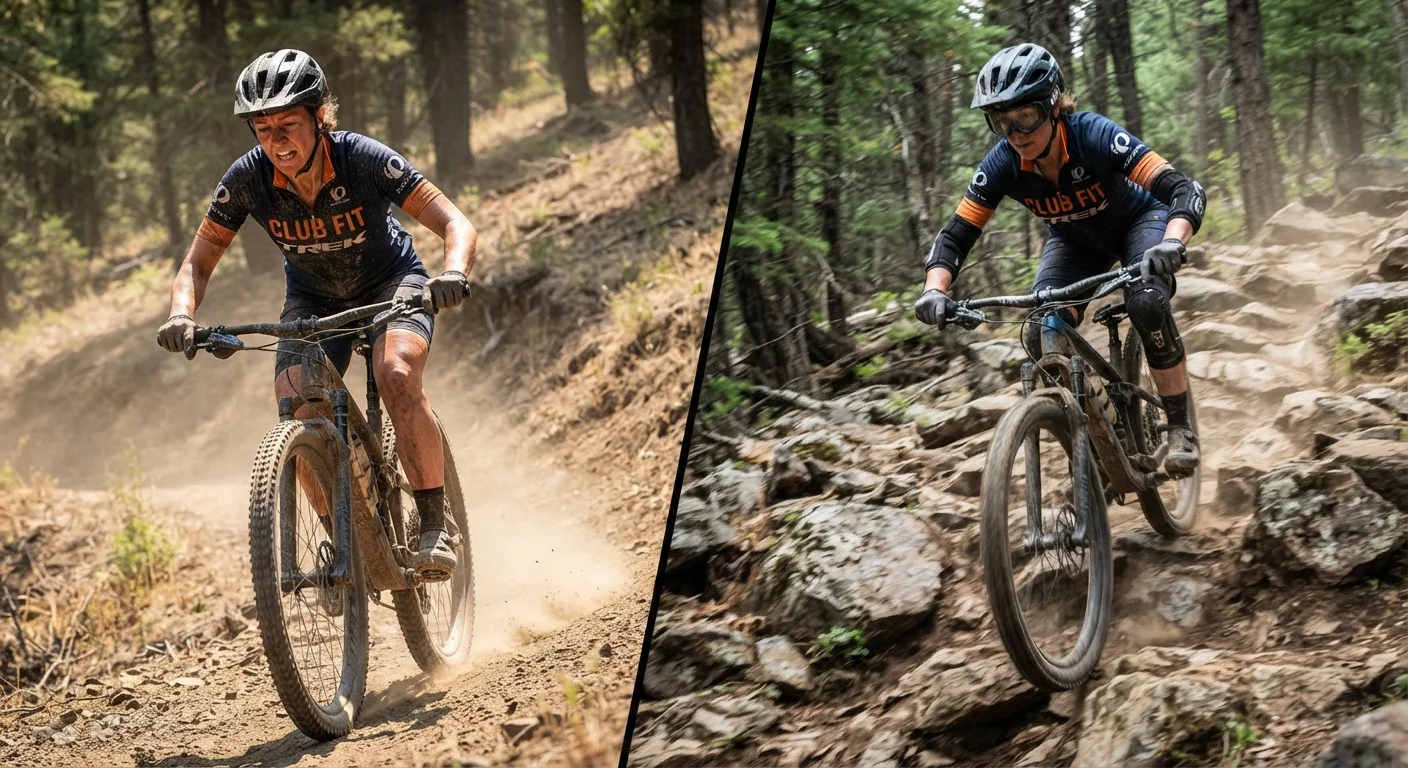
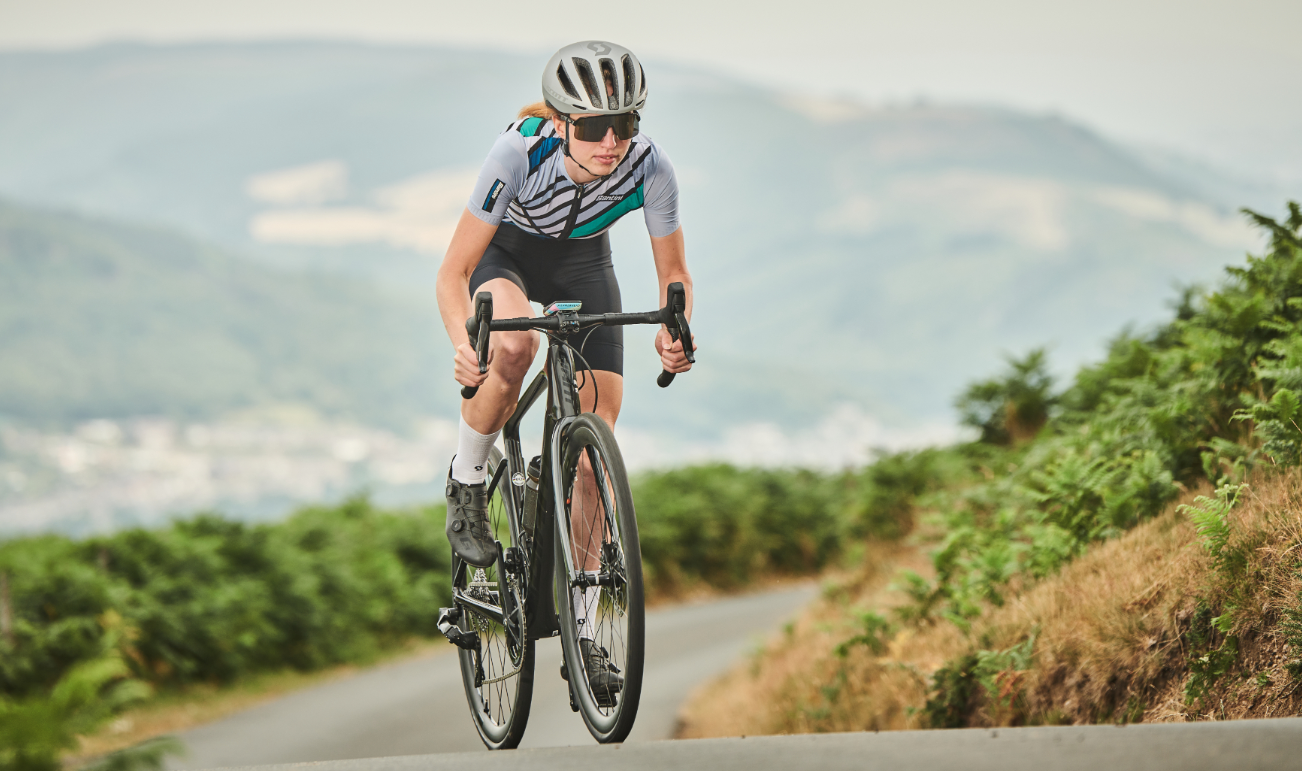
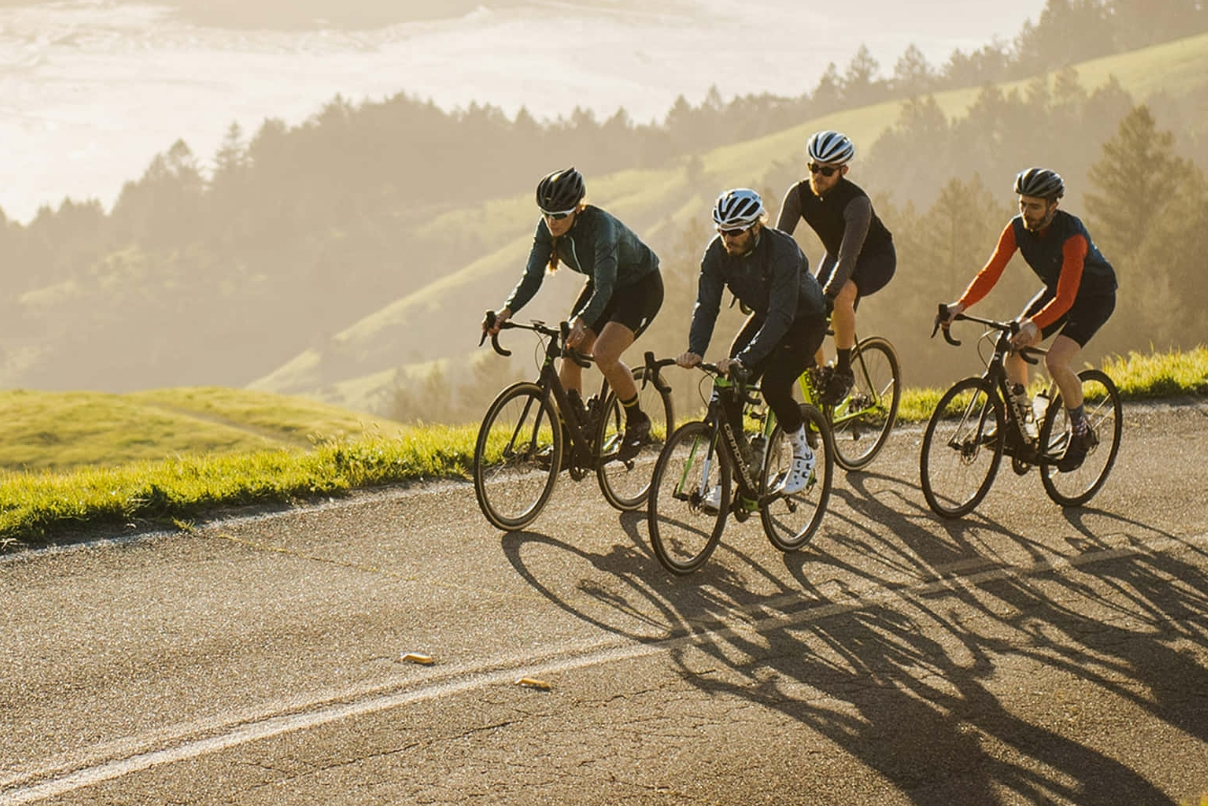
You're standing in a bike shop, or squinting at your phone at 11 PM, holding up two pairs of gloves like you're choosing between two equally confusing life paths. One pair leaves your fingertips exposed to the world. The other wraps them up like they're precious cargo. Somehow, this tiny decision feels weirdly high-stakes, because you've heard the horror stories. The guy who face-planted on a mountain trail and shredded his knuckles because he went fingerless. Brands can develop custom Fingerless Cycling Gloves for hot-weather riding.The roadie who overheated and lost all bar feel because he didn't.
There's no universal winner between road cycling gloves and mountain bike gloves. Only the right match for your ride. This guide breaks down exactly when fingerless wins, when full-finger saves your hands, and how to stop guessing and start choosing with confidence.
Fingerless Cycling Gloves: Core Features and Best Use Cases
Look at the back of your hand mid-ride—that's where the real engineering happens. Fingerless gloves exist for one reason: moving heat out . The backs use ultra-light mesh or honeycomb fabric, the finger gaps get reinforced breathable netting, and the palms are laser-perforated. Some designs pack nearly 20 tiny holes into the palm alone. Reviewers keep using the same words: " highly breathable ," " helps heat escape ," " decreases sweat ." These gloves are built to fight your body heat, not the pavement.
That's why fingerless dominates in summer road cycling gloves, training rides, commuting, and long-distance endurance rides . You're not looking for full-hand armor. You want dry palms and a grip that doesn't turn into a slip-n-slide.
The flexibility payoff is real. Exposed fingertips give you better shifting, sharper braking, easier water bottle grabs, pocket digging, and use of your phone's touchscreen without special conductive gloves. Reviews consistently flag "improved control" and "sharper brake/shift feel" as top benefits. The tradeoff: if you go down, your fingertips are naked skin on the road.
Palm padding comes from gel or foam inserts placed at the ulnar side/heel of the palm, sometimes with rubber grip dots on top. The GripGrab SuperGel uses 6mm DoctorGel ; others sit around 3mm gel padding . Research suggests 5mm isn't automatically better than 3mm —structured foam placement at the pressure points beats raw thickness.
Price-wise, fingerless padding options span roughly: - $25–$45 Fingerless Cycling Gloves for entry/mainstream (Pearl Izumi Quest Gel, ~$25) - $35–$50 mid-tier (Pearl Izumi PRO Gel Vent, ~$35; Giro Bravo II Gel, ~$29.95–$39.95) - ~$90 for premium summer builds ( Assos GT Gloves C2)
Full-Finger Cycling Gloves: Core Features and Use Cases
Turn your hand over. The knuckles matter more than the palm. Full-finger bike gloves protect against branches, thorns, rock scrapes, and the ground when you crash. TPR (thermoplastic rubber) knuckle guards on gloves like the 100% Geomatic layer a hard shell over perforated palms. You get impact resistance without turning your hand into a brick.
MTB hand protection gets heavier the harder you ride. XC and light trail gloves are thin and breathable with a mesh backing and synthetic suede palm. Control and all-day comfort come first, not armor. Trail and all-mountain gloves have thicker palms, reinforced fingers, and targeted padding. They balance grip with wear resistance. Enduro and downhill gloves are the heaviest, with TPR knuckle protection and abrasion-resistant palms. A specialized Full-Finger Cycling Gloves manufacturer can tailor protection zones.Crash probability spikes here, so protection outranks feel.
Temperature matters. Full-finger gloves generally cover the 5–20°C range, for spring/fall transitions, damp forests, and windy descents. Warmer models use thermal fabric, Primaloft Gold, or waterproof-thermal builds for wet-and-cold days. Summer full-finger versions swap that for ventilation and quick-dry mesh instead.
The fear of losing braking ability is outdated. REI's designs optimize the index finger seam to improve lever feel and comfort. Mechanical stretch panels and pre-curved fingers do the rest. Grip precision scales the same way. XC gloves use thin or no padding and silicone-printed fingertips for bar feel. Enduro gloves accept slightly less feel for stability on rough, high-speed terrain.
Material blends reinforce that pattern. An experienced Fingerless Cycling Gloves factory can adjust mesh and palm construction.Lightweight versions use about 87% nylon/13% spandex or 82% nylon/18% polyurethane, with Clarino or AX Suede palms. Heavier protective gloves add TPR, thicker PU, or leather-like abrasion panels, making them less airy but more armored.
Road Biking: Fingerless vs Full-Finger Gloves – Key Comparison Dimensions
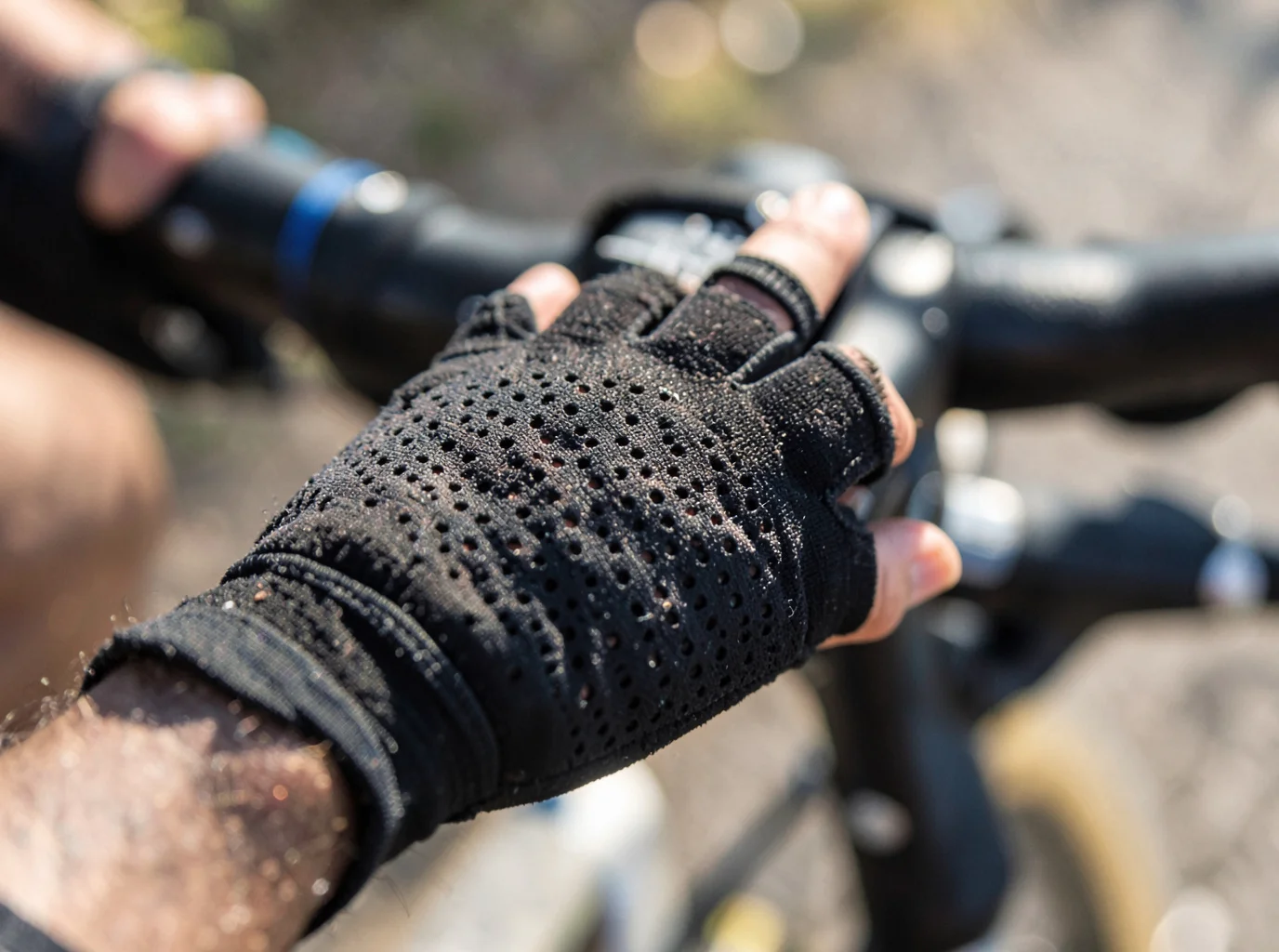
Temperature decides, not personal preference. Your hands don't care about brand loyalty — they care about thermoregulation. And the data on this is surprisingly precise.
The Temperature Breakpoint Chart
Temperature | Best Choice | Why |
|---|---|---|
Above 85°F (29°C) | Fingerless or bare hands | Maximum heat dissipation |
75–85°F (24–29°C) | Fingerless | Comfort priority |
60–75°F (16–24°C) | Fingerless | Best grip + breathability zone |
45–60°F (7–16°C) | Thin full-finger | Transition coverage |
Below 45°F (7°C) | Full-finger | Warmth becomes non-negotiable |
Below 40°F (4°C) | Insulated, windproof full-finger | Cold starts damaging dexterity |
Fingerless gloves own the 60–85°F range almost completely. That range is where breathability and hand-feel matter more than warmth.
Scenario Breakdown
Commuting : Spring and fall commutes favor thin full-finger gloves, especially for early morning rides when temps dip. Summer commuting flips back to fingerless for airflow and brake feel.
Long-distance rides : Duration changes the math. The longer you ride, the more pressure relief matters. Padding placement over the ulnar nerve zone is the priority, not the glove type.
Racing : Road racers lean fingerless almost by default for better ventilation, sharper feedback, and no hesitation on the brakes. Only wet or sub-7°C conditions push racers toward thin full-finger alternatives.
The Numbness Myth
Most buyers assume full-finger gloves equal less hand numbness. Well-placed thin padding can cut peak pressure on the ulnar nerve by 10%–28%, and quality padded gloves overall reduce numbness symptoms by up to 60% compared to bare hands. But that reduction depends entirely on whether the padding sits over the hypothenar area, Guyon's canal, and the heel of the hand. Finger coverage has nothing to do with it.
Padding Thickness Reality Check
Road gloves typically use 2–4mm gel or foam, thick enough for pressure relief, thin enough to preserve bar feel. Go thicker than that, and you risk creating new pressure points instead of solving old ones. Padding placement beats padding thickness, every single time.
Mountain Biking: Fingerless vs. Full-Finger Gloves
Gravity doesn't care about your glove preferences. On a mountain trail, the ground is closer, the obstacles are meaner, and your hands are the first thing that touches dirt when things go wrong. That single fact reshapes the entire fingerless-vs-full-finger debate once you leave pavement.
Full-finger bike gloves win for regular trail riding and technical sections. Fingerless gloves only keep their edge in low-risk, casual XC loops or genuinely hot conditions. Everything else tips toward full coverage.
Why Branches and Rocks Change the Math
Road cycling gloves worry about pressure points. MTB hand protection worries about impact. Branches whip across your knuckles. Loose rock sprays sideways. When you crash, your hand hits the ground first, fingers included. Full-finger gloves handle this with knuckle protection and reinforced overlays — standard features across most brand lineups now. Exposed fingertips mean raw skin meets trail debris. Covered fingertips mean fabric and padding absorb the hit instead.
Where Fingerless Still Makes Sense
There's a narrow lane where fingerless gloves survive on dirt:
Flat, low-obstacle routes with minimal branch density and low crash probability
Short rides in hot weather, where ventilation matters more than armor
Casual XC loops where the goal is cool hands, not crash protection
Push into technical trail, enduro, or downhill terrain, and that lane disappears.Teams should confirm their Full-Finger Cycling Gloves supplier's MOQ early. Frequent braking, steep drops, and higher speeds demand finger coverage most guides won't compromise on.
Full-Finger Doesn't Sacrifice Control
Thick equals safe, thin equals fast. Not true anymore. Lightweight full-finger gloves now deliver cycling glove grip through silicone-printed fingertips, thin seamless palms, and breathable mesh backing, keeping sweat off your levers during long descents. You get better wet-hand grip, steadier braking on rough sections, and control that rivals fingerless designs without giving up protection.
The Comparison Snapshot
Category | Winner | Why |
|---|---|---|
Protection (crashes, branches) | Full-finger | Covers fingers and knuckles |
Ventilation | Fingerless | Less material, more airflow |
Technical terrain control | Full-finger | Better wet grip, brake precision |
Quick gear adjustments | Fingerless | No removal needed |
Fingerless suits pavement and mellow XC. Full-finger is MTB's default safety choice once the trail gets serious.
Cycling Glove Buying Checklist
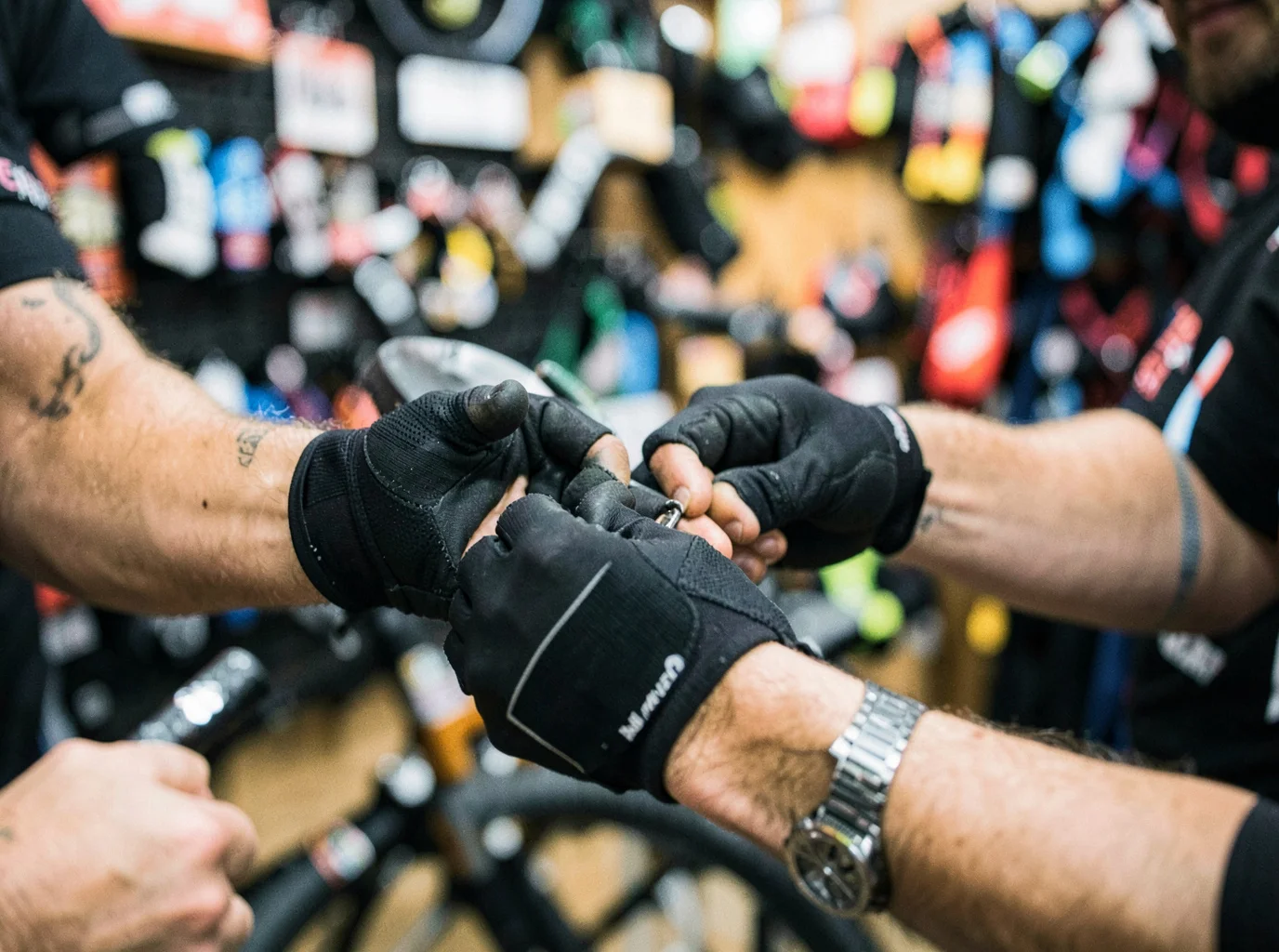
Terrain beats temperature, every time. Most buying guides get that backwards. Match your riding type first, then let weather fine-tune the choice. Road and commuting? Go thin, breathable, half finger cycling gloves — thick padding just interferes with bar feel. Trail, enduro, or downhill? Full finger bike gloves with knuckle armor are non-negotiable, because rough terrain demands crash protection, not thicker foam.
What Matters When You're Shopping
Padding location over padding thickness. Look for gel or multi-density foam placed specifically at the pinky-side heel of the hand — the ulnar nerve zone. Some sources suggest palm material shouldn't exceed roughly 0.8mm unless you're prioritizing durability over road feel.
Knuckle protection. MTB hand protection needs hard-shell armor with clear impact-test claims. XC riders can skip the bulk.
Touchscreen function. Don't trust the label — test swipe, pinch-zoom, and long-press yourself. Conductive coatings fade after repeated washing; silver-thread weaves last longer.
Fit test. Fingertips should land exactly at the seam, no bunching. Palms stay smooth, no folds at grip points. Mimic a brake pull — knuckles should move freely without pinching.
Mistakes That Waste Money
Cheap gloves often fall apart at the seams or lose touchscreen function fast — avoid the $15 minimalist trap. Thicker isn't better either. One rider swapped to unpadded leather gloves and numbness disappeared entirely. That's the real lesson: tight fit and misplaced padding cause more tingling than missing cushioning ever does.
Final checklist : pick terrain type → check padding placement → confirm knuckle protection if riding trails → test touchscreen with your own phone → verify fit with a real brake-pull test.
FAQ: Numb Hands, Choosing the Right Protection, and Other Common Rider Pain Points
Real questions from real riders, answered without the marketing fluff.
"My hands go numb on long rides. What actually fixes this? "
Switch to thin, zone-specific padding — foam or gel, placed exactly where it hurts. Research shows padded gloves cut peak pressure on the ulnar nerve by 10%–28% , with thin foam edging out gel slightly. But placement matters more than material. Standard gloves cushion the middle of your palm. If your numbness hits the pinky and ring finger side, the padding needs to sit over the hypothenar eminence — that outer palm ridge — not dead center.
"Why does thicker padding sometimes make numbness worse?"
Because thick padding shifts pressure instead of absorbing it. Push too much foam into one spot, and you create a new pressure point right next to the old one. Thin and accurately placed beats thick and centered, every time.
"I ride road and light trails. What gloves cover both?"
Lightweight full-finger gloves with breathable backs and medium-thickness zone padding. They handle branch scrapes and gravel spray better than ultra-thin road gloves, while staying nimble enough for road cadence and braking feel. Look for reinforced palm edges and silicone grip patterns — that combo survives mixed terrain without killing bar feel.
"How do I make my gloves last longer?"
Wash after every ride if you can — sweat salt eats padding and stitching fast. Cold water, hand wash, air dry. Skip the heat; it kills foam and Velcro early. Fingerless gloves typically last one to two seasons on road use. Full-finger gloves wear faster at the fingertips and palm, often needing replacement within one season under regular trail use. Sagging padding or slipping palms means it's time to retire them.
Conclusion
There’s no universal “best” glove. There’s only the best glove for what your hands are about to go through.
If you’re grinding out smooth miles on pavement, chasing speed and airflow, road cycling gloves with half-finger designs are your best friend. But the second gravel, roots, and unexpected face-plants enter the picture, mountain bike gloves with full-finger coverage stop being a luxury and start being basic self-preservation for your knuckles.
The real move is matching the glove to the terrain, the weather, and how much you value your skin staying attached to your hands after a fall.
So before your next ride, ask yourself where you’re actually riding, then gear up accordingly.Request a custom wholesale price for Fingerless Cycling Gloves for bulk orders. Your hands will thank you, probably while still fully intact.