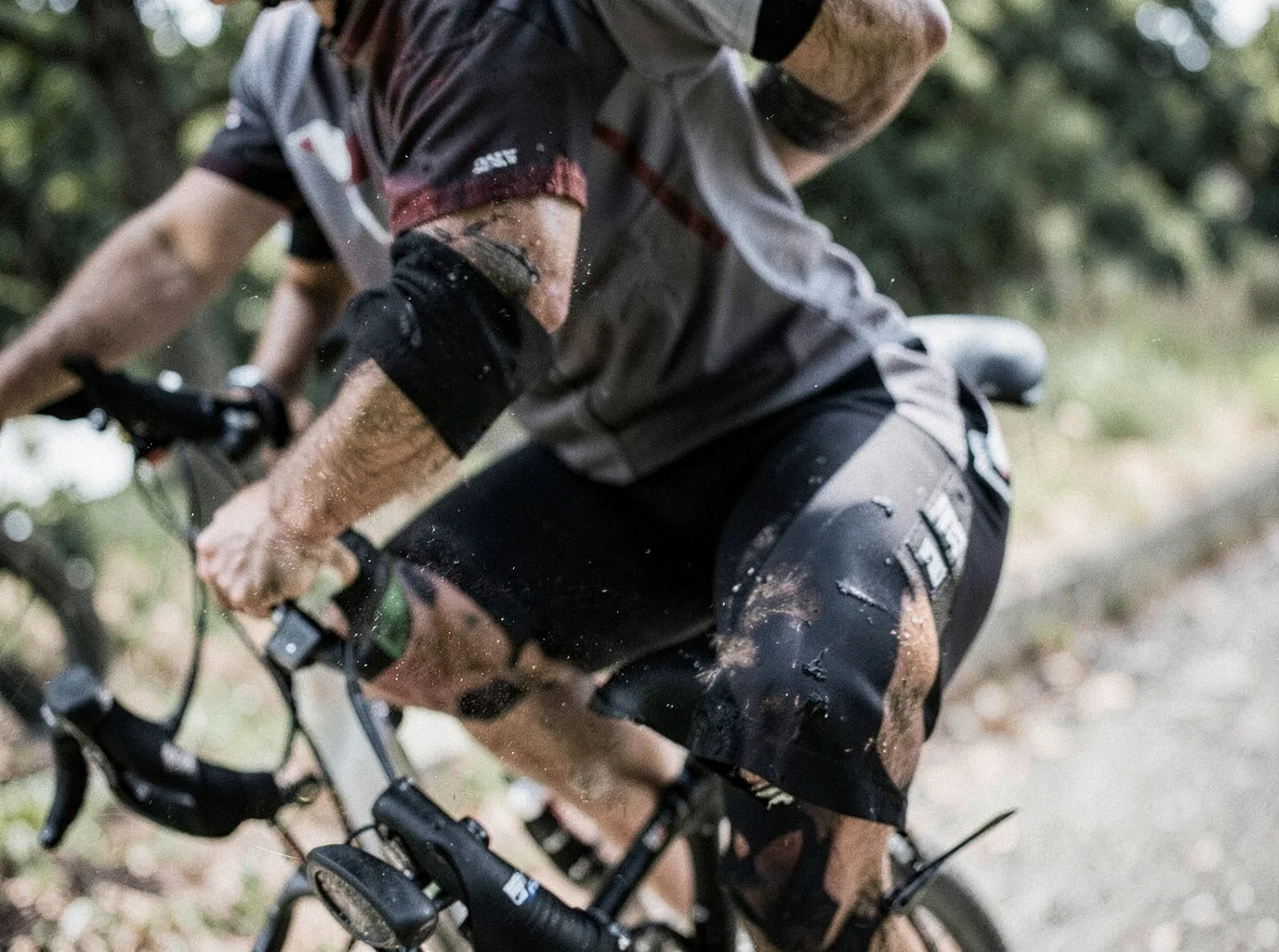
You've got your kit on, your bike's by the door, and that's when you realize the chamois cream tube is empty. Or worse, it's sitting on the kitchen counter three states away from where you're standing right now. No time for a bike shop run, no time to panic. The fix is probably already in your bathroom cabinet or fridge door, ready to save your ride in the next 30 seconds. The good news is that several household stand-ins work as a chamois cream substitute, from a humble jar of petroleum jelly to a surprising dairy-barn staple. But not everything in your medicine cabinet belongs near your saddle, so let's sort out what'll protect you from chafing and what'll just make a sticky mess of your ride.Brands can also develop custom cycling chamois pad shorts with pad materials suited to different chafing risks.
Petroleum Jelly (Vaseline) for Cycling Chafing
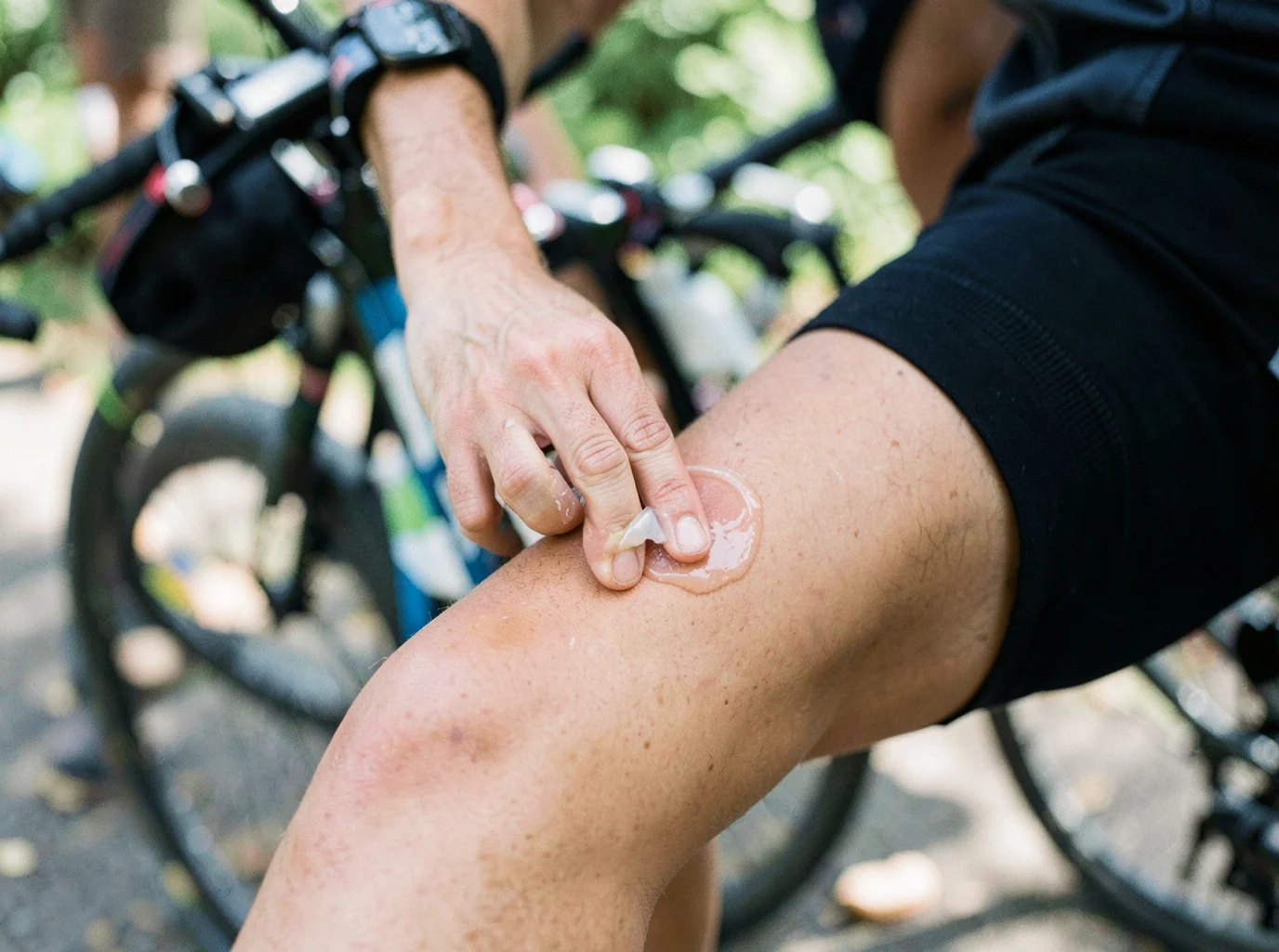
Reach for the medicine cabinet, because that unassuming jar of Vaseline is about to become your best friend on the saddle. The plain 100% white petrolatum, labeled "White Petrolatum, USP (100%)" on the back of every Vaseline Original jar, is a single-ingredient barrier product. Cleveland Clinic lists cycling as an activity where a dab of it helps prevent chafing. The unscented version has no fragrance or mystery ingredients. It's just a slick, protective layer between your skin and everything trying to rub it raw.
How to use it:
- Where: inner thighs, groin crease, and any seat-contact points prone to friction
- How much: a thin barrier layer applied before you clip in
- When to reapply: after heavy sweating or on long, hot rides
Rating: 9/10 for effectiveness on both short spins and long hauls. It's cheap too. Vaseline runs about $0.19 to $1.88 per ounce depending on size, and the travel tube (1.75 oz, roughly $3.29) fits in a jersey pocket or saddle bag. Bulk tubs (13 oz for around $5.99) work great for pre-ride application at home.A bulk cycling chamois pad shorts program can support consistent pad specifications across larger orders.
One caution: petroleum jelly can degrade certain synthetic chamois pad materials over prolonged, repeated contact. Wipe excess off your hands before touching your shorts' pad, and wash gear promptly after riding.
Runcyclingapparel
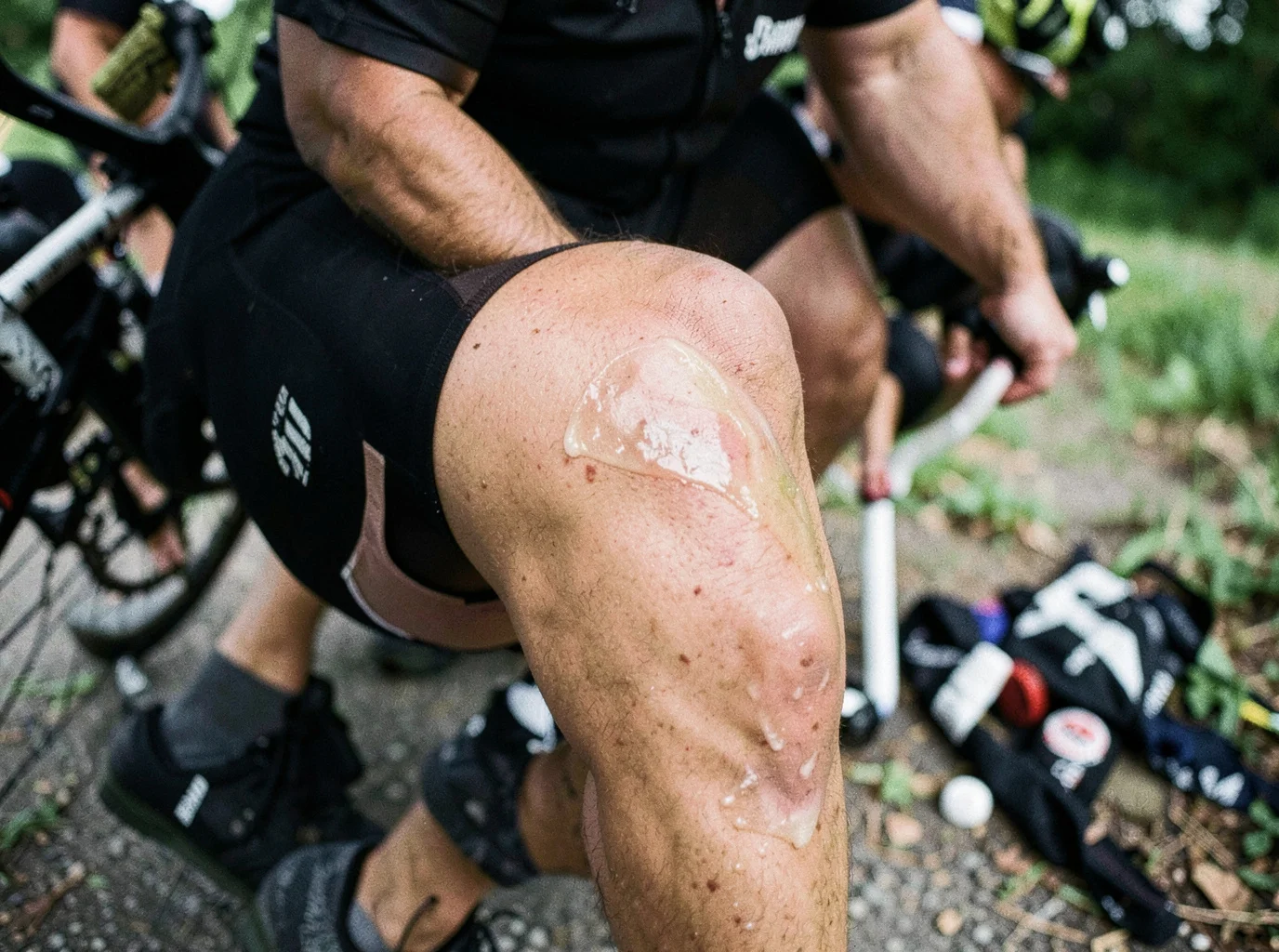
When you're standing there at 6 a.m. smearing Vaseline on your thighs, sometimes the real fix is the shorts themselves. That's where a name like Run Cycling Apparel comes into the picture, at least for folks further down the supply chain. This Guangzhou-based cycling apparel manufacturer has been in the custom cycling apparel game since 2009, claiming 15+ years of OEM/ODM cycling apparel experience building jerseys, base layers, jackets, and full kits for brands, race teams, and bike shops worldwide. They work factory-direct, no subcontracting, with UPF 50+ protection and moisture-wicking fabric baked right into the design. That matters if you're the rider fumbling for a chamois cream alternative, because a well-made, properly padded short reduces friction before you ever reach for cream, homemade or otherwise. Quality padding is half the chafing battle, and the other half is whatever you smooth on top of it.
Zinc-Oxide Diaper-Rash Cream for Existing Irritation
Already tender down there before you even hit the road? Raid the baby aisle, or your own medicine cabinet if there's a little one in the house. Zinc-oxide diaper-rash cream is one of the smartest saddle sore remedies hiding in plain sight, because it's built for exactly this job: soothing skin that's already chafed and cranky, not just preventing trouble before it starts.
Zinc oxide comes in different strengths, and picking the right one matters. For mild redness or that early "uh-oh, something's rubbing" feeling, a 13%–15% zinc oxide cream, like DESITIN Daily Defense at 13%, works as a solid everyday barrier. But if you're already dealing with real irritation, chafed skin, or a saddle sore that's making you wince, reach for the heavy hitters: 20%–40% zinc oxide pastes. DESITIN Maximum Strength and Triple Paste 3X Max both sit at 40%, formulated for stubborn, existing irritation.
How to apply it:
- Clean and dry the area first
- Apply a thick layer , thick enough that you can't see skin through it
- Reapply before long rides or overnight recovery
Fragrance-free versions are gentler on already-angry skin, so skip anything scented.
Anti-Chafing Balm or Stick
Those deodorant-looking sticks at the drugstore twist up mess-free, just like your morning stick of deodorant, and they're one of the smartest natural chamois cream options out there. No jars, no goo under your fingernails, no wondering if you just wasted half a tube on your palm.
The main lubricating base is caprylic/capric triglyceride, coconut oil, and glycerin. Ozokerite wax, cetearyl alcohol, and stearyl alcohol give it that solid, glide-on texture. Allantoin and tocopherol (vitamin E) are tossed in for skin-calming benefits. Some formulas add zinc oxide, silica, or dimethicone for extra protection.
Popular options include Body Glide Original Anti-Chafe Balm (1.28 oz, made in the USA) and Gold Bond Friction Defense (1.75 oz, adds zinc oxide, aloe, and ginger root extract). Cycling chamois shorts Retail pricing runs about $9.25–$14.69 for a 1.75 oz stick, roughly $3.91–$6.26 per ounce.
Rating: 8/10. Great for both short commutes and long century rides, since the wax-based formula holds up through sweat without melting into your shorts' padding the way petroleum jelly sometimes can. Look for fragrance-free versions if your skin's on the sensitive side, and skip anything with added dyes.
Udder Cream as a Chamois Cream Alternative
Funny how the best cycling chafing prevention sometimes has the weirdest backstory. Udderly Smooth Chamois/Anti-Chafing Cream was originally cooked up for dairy cows' udders, and somewhere along the way, cyclists figured out it works just as well on human skin. Don't let the name scare you off, though. BikeRadar confirms there's no milk or bovine anything hiding in the formula. It's a good barrier cream that happened to start life in a barn.
The 4 oz tube is marketed for both cyclists and runners, and Cycling Weekly points out it's cheaper than most dedicated chamois creams while still packing shea butter and antibacterial properties into the mix. That combination matters if you're prone to skin irritation on longer rides. BikeRadar describes it as lightly scented, non-greasy, and thick enough to last through rides of two hours or more.
How to use it:
- Apply directly to skin, especially skin folds and friction points
- Or smooth it onto your chamois pad before you clip in
- Reapply on rides pushing past that two-hour mark
Rating: 8/10, strong value for commuting, short rides, or sensitive skin that reacts to other barrier creams.
Coconut Oil as a Natural Chamois Cream Substitute
That jar of coconut oil next to your flour and sugar isn't just for baking banana bread. Cyclists have been raiding the pantry for years, and now there's a commercial product that backs it up: Chamois Butt'r's "Coconut Anti-Chafe" cream, made from organic coconut oil and shea butter. It comes in 9 ml packets and larger tubs specifically for chamois protection. Retailers sell it as moisturizing with natural antiseptic properties that calm chafed, grumpy skin.
How to use it: Scoop out a small amount and rub it directly onto your skin or your shorts' padding before you ride. Reapply on longer rides since it doesn't hold up as long as purpose-built creams.
The catch: Coconut oil turns liquid at 76°F and stays solid below 75°F. On a hot day it can melt right off you, drip down your leg, or soak straight into your chamois pad.
Rating: 6/10. Good for short, cool-weather spins or as a DIY base, less reliable for a scorching century ride.
DIY fix: Some riders make their own blend: 4 oz shea butter, 2 oz coconut oil, 2 oz lanolin, and 1 oz witch hazel, melted and cooled to a butter-like consistency. Others add beeswax to thicken it so it doesn't turn into a puddle in your saddle bag.
Plain Aloe-Vera Gel for Mild Irritation
Plain aloe vera gel does more than soothe sunburns. It’s around 98–99.5% water. The remaining 0.5–1% holds the active compounds: polysaccharides, vitamins, minerals, enzymes, and organic acids that calm irritated skin. Quality matters, so look for gel that meets the IASC benchmark of at least 5% aloverose in dry matter , with glucose and malic acid present, and aloin under 0.1 ppm if the label shows it.
Skip the fancy stuff. You want fragrance-free, color-free, alcohol-free gel with a clean ingredient list — ideally just Aloe barbadensis leaf juice plus mild stabilizers like carbomer or potassium sorbate. It’s best for skin that’s already a little tender, sun-kissed, or dry, not for skin about to take a beating on a century ride.
One caution: occasional reports of burning or rash mean sensitive skin should patch-test first.
Shea Butter or Lanolin Barrier Balm
Old-school farm remedies have a funny way of sticking around, and lanolin is proof of that. This wool-derived grease has been soothing skin cracks and chafe spots since long before anyone invented a "chamois cream" category. It's still one of the most reliable natural chamois cream options for riders who want ingredients they can actually pronounce.
Cosmetic-grade lanolin melts at 38–44°C , so it softens right at body temperature. Quality versions carry an acid value no more than 1.0 mg KOH/g . "Superfine" grades push further, with a peroxide value under 5 and free detergent under 1 ppm . This matters if your skin flags up at anything less pure. Pair it with shea butter, which melts a touch cooler at 30–36°C , and you get a balm that glides on rather than sitting greasy.
Real product examples worth knowing:
- A shea-beeswax-plant-oil balm, 60 g for £14.90 , roughly 80% organic, skips parabens, phthalates, and synthetic fragrance
- A lanolin, shea butter, and coconut oil balm, 2 oz for $8.99
- A shea-cocoa-vitamin E-lanolin blend, 100 g, fragrance-free and SLS-free
Rating: 8/10. Great for long rides, gentle on sensitive skin, and won't chew through your chamois pad the way petroleum-based products sometimes can.
The 30-Second Emergency Application Before Riding
Ride-safety apps like REALRIDER give you 30 seconds to confirm you're okay after a crash before alerting someone. CRATONI's C-SAFE crash sensor works the same way, a quick countdown before it pings for help. That same tight window is exactly how long it takes to save your skin before you even clip in.
This is the 30-second routine:
Grab whichever substitute is closest (Vaseline, coconut oil, lanolin balm, whatever's open)
Wipe skin dry if you're sweaty or just showered
Swipe a thin layer on inner thighs, groin crease, and seat-contact points
Check your hands before touching the chamois pad
Clip in and go
Substitutes to Avoid When You Have No Chamois Cream
Not every jar in your kitchen cabinet belongs in your bike shorts, honey. Knowing which ones to skip can save you from a worse mess than the one you started with.
Body lotions and regular moisturizers might glide on smooth, but they're built for dry elbows, not five hours of saddle friction. Most contain fragrances and thickeners that break down fast under sweat, and some of those ingredients flat-out irritate skin that's already working overtime.
Menthol rubs are another hard pass. That cooling tingle feels wonderful on sore calves after a hard ride, but on tender groin skin it turns into a burning distraction you'll regret by mile ten, especially if you're sensitive to menthol at all.
Cocoa butter tempts a lot of riders because it feels slippery straight out of the jar. Don't fall for it. It lacks the lubrication and antibacterial punch your skin needs once you're past the one-hour mark, so friction sneaks right back in.
Sudocrem and other nappy rash creams do a fine job calming irritated skin at home, but as a mid-ride saddle sore remedy, they're weak. They're barrier creams, not lubricants, so the friction problem just keeps rolling along with you.
If you're improvising, reach for a water-based, water-soluble anti-chafe balm. It washes out clean, won't stain your kit, and skips the greasy residue that petroleum-based products leave behind. Apply just a quarter-sized dab directly to your skin's hotspots and skip the fabric.
When a Chamois Cream Substitute Is Not Enough
Some things can't be fixed with a jar of Vaseline, honey, no matter how much you want them to be. If what started as a little friction has turned into redness, swelling, painful bumps, blisters, open sores, bleeding, or pus, you've moved past "creamy stand-in" territory. Fever or chills piling on top of that? That's your body waving a white flag, not asking for more lubricant.
Here's the practical rule I go by: if a sore is hot, swollen, oozing, or hasn't budged after a few days of basic rest and care, treat it like it might be infected. Get it looked at. Sores hanging around past a week, or hurting bad enough to make you wince just sitting down, need medical eyes on them. Push past two weeks, or hit "excruciating," and that's non-negotiable doctor territory.
What actually helps at this point:
Taking 1–2 days completely off the bike, or a full break if it's bad
Antibacterial or antiseptic cream, sometimes a cortisone cream
Warm compresses, oral antibiotics, or drainage for a stubborn abscess
Well-fitting bibs, breathable shorts, and washing kit right after every ride
If cream stopped working, the real culprit is probably pressure, fit, or moisture.
Conclusion
You don't need a fancy tub of chamois cream sitting on your shelf to save your ride today. Petroleum jelly, coconut oil, or even that udder cream in your barn cabinet can absolutely work as a chamois cream alternative when you're in a pinch. You just need to know which ones actually protect and which ones will leave you regretting your life choices at mile 20. Chafing prevention comes down to using something with the right texture, applying it correctly, and knowing your limits for shorter rides versus long hauls.
So grab whatever safe option you've got, swipe it on in those 30 seconds before you clip in, and ride on with confidence. But don't let this be your forever fix—once you're home, order the real deal so your next ride starts smooth, not scrambling.Volume buyers can request a custom wholesale price for cycling chamois pad shorts.