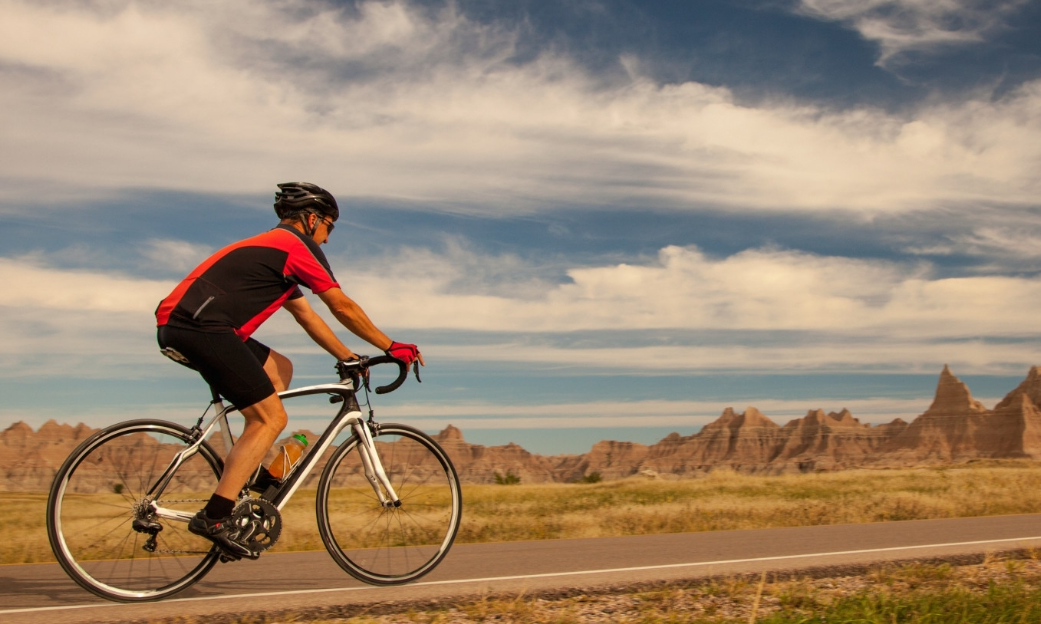
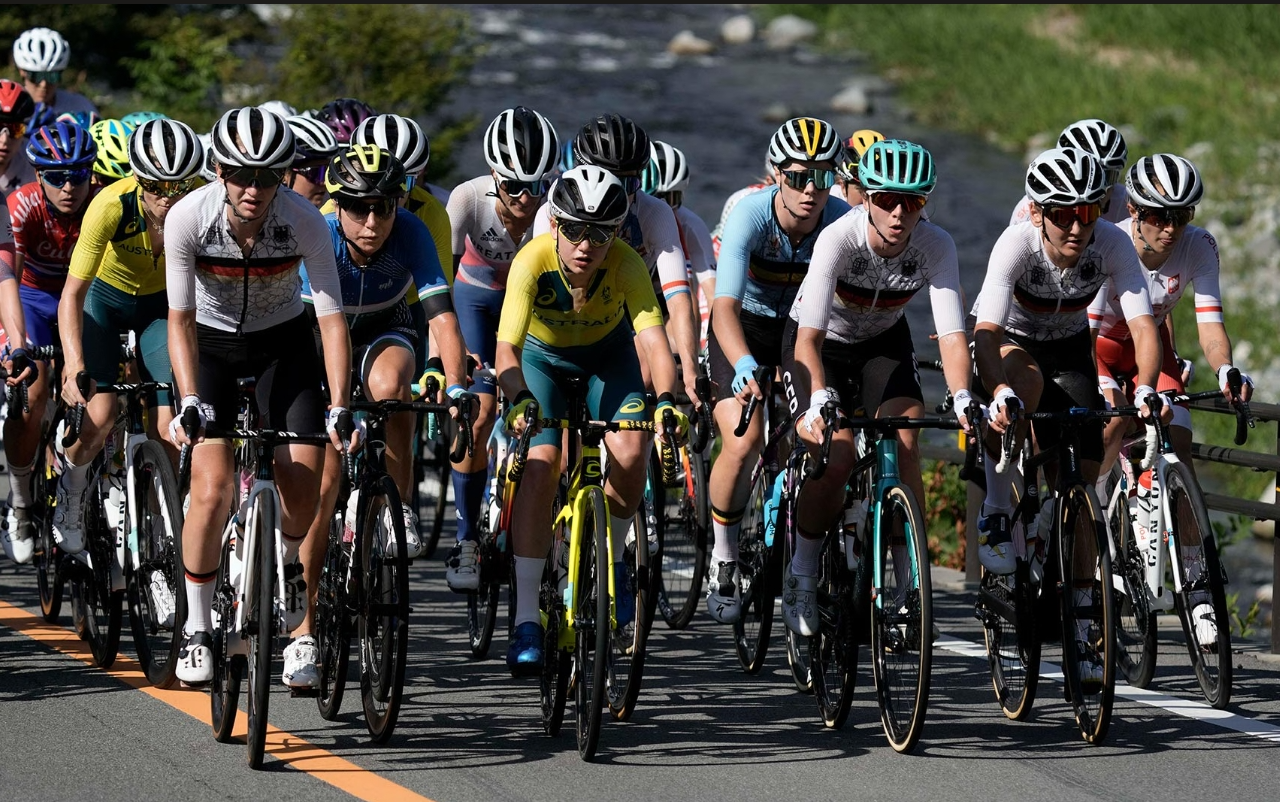
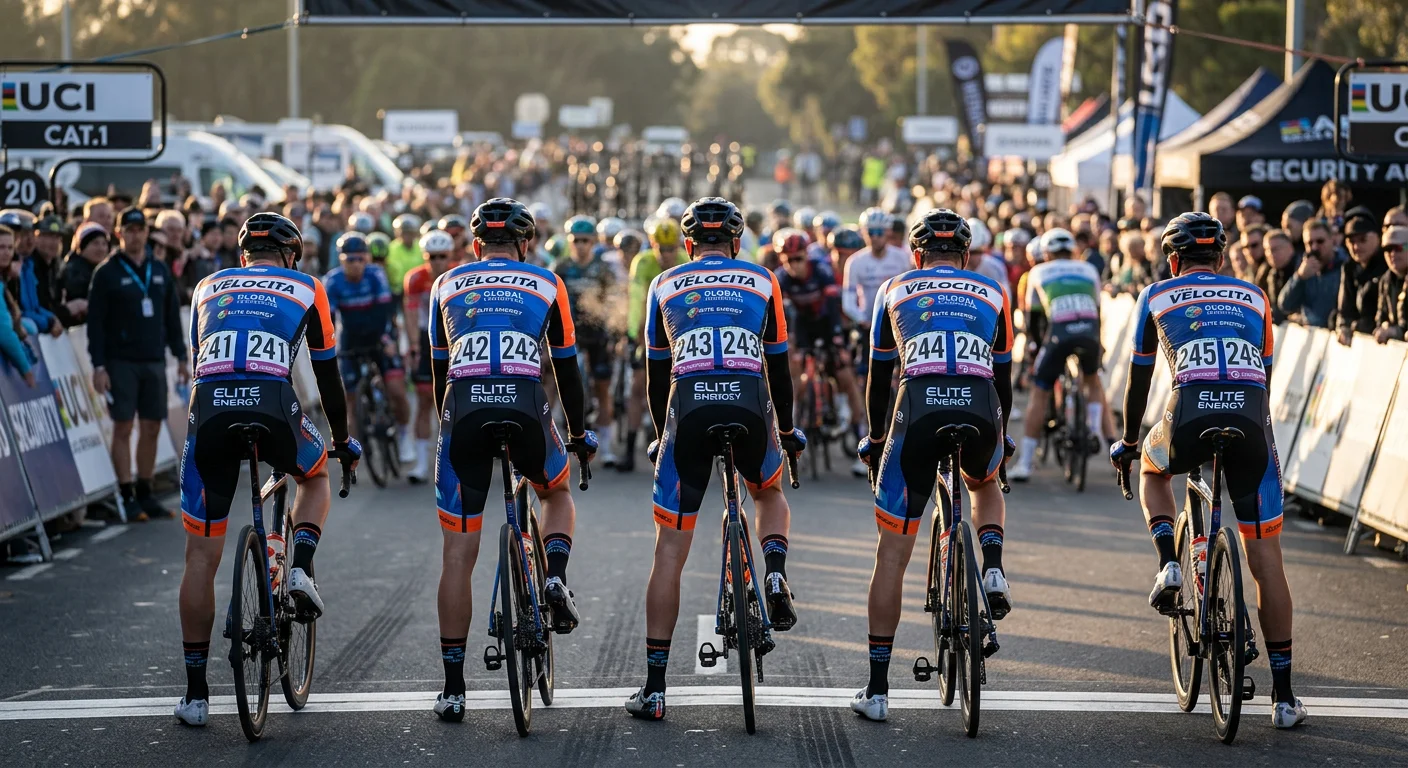
Finding the right custom cycling jersey in Germany is harder than it should be. Dozens of brands are out there, all competing for your money. That alone makes the choice overwhelming.
You might want aerodynamic speed for a Sunday club ride. Or maybe you need kit that holds up through Bavaria's unpredictable weather, season after season. Either way, the brand you pick makes a real difference.
Some brands offer high-performance fabrics that pull moisture away from your skin and move with your body. Others focus on durability — the kind that outlasts three bikes. Both matter, depending on what you ride and how often.
These six cycling apparel brands are the ones worth your attention in Germany right now. They're based on deep research into what performs well — and what falls apart after six months.
Gore Wear — German Engineering Meets All-Weather Performance
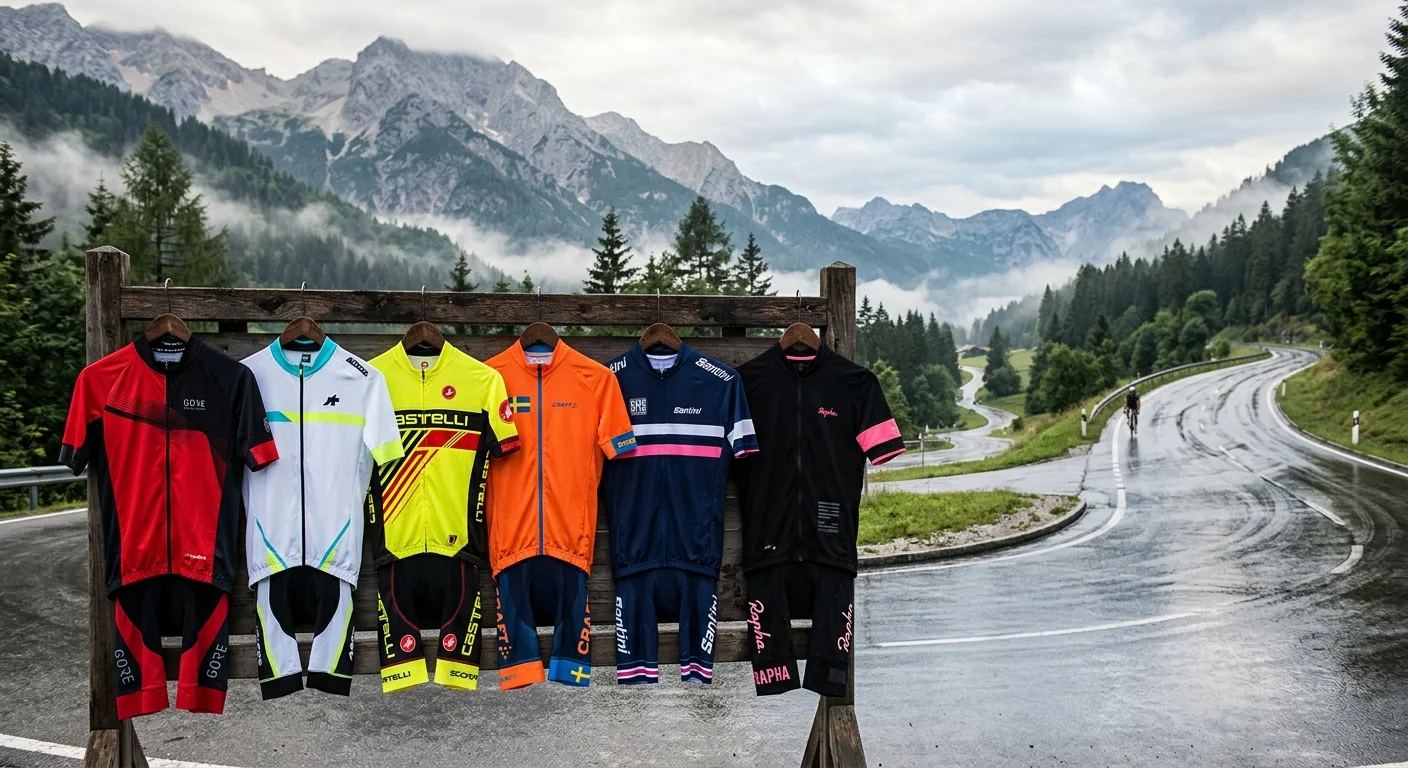
Gore Wear is not trying to be everything to everyone. It has one goal: keeping you dry, warm, and moving when the weather turns brutal.
That focus makes sense once you know where the brand comes from. Gore Wear sits under W. L. Gore & Associates , the same German company behind Gore-Tex technology. Their headquarters in Feldkirchen-Westerham, Bavaria, is more than a postal address. It signals that this brand is built on decades of materials engineering — not marketing.
What the Fabric Does
The headline technology is GORE-TEX SHAKEDRY , and it earns attention. Most waterproof jackets laminate a membrane beneath an outer fabric layer. SHAKEDRY cuts that outer layer out. The membrane is the surface. Rain beads up and shakes off instead of soaking in. You get a jacket that weighs just 108 grams . That is far lighter than the 200–300 g range of standard Gore-Tex rain jackets. It also compresses small enough to fit into a jersey pocket.
The waterproofing standard backs that up. Gore-Tex membranes test at 28,000 mm water column resistance . Most brands call their gear "waterproof" at 10,000–15,000 mm. Gore-Tex sits well above that.
Two Series, Two Riders
Gore Wear builds its line around two distinct tiers:
C7 Series — Race-fit and uncompromising. This tier suits competitive riders who want the lightest and fastest option. The C7 Shakedry jacket starts at €250+ . Bib shorts run between €150–€220 . The fit is very close to the body. This is not casual kit.
C5 Series — A more relaxed cut built for enthusiasts riding in layering systems through German winters. The C5 Gore-Tex Thermo gloves ( €69.95 ) stay comfortable down to 0°C , offer full waterproofing, and weigh just 57 g per glove.
Cold rain, wind chill, and sub-5°C mornings are common in Germany. This two-tier system fits those conditions well.
The Trade-Offs Worth Knowing
Gore Wear's precision is also its limitation. A few honest caveats:
SHAKEDRY is delicate. The membrane sits exposed on the surface. It scratches and abrades faster than traditional fabrics. A loaded backpack worn on a regular basis will shorten its lifespan.
Hot weather performance is limited. Above 20–25°C with hard effort, even SHAKEDRY's breathability hits a ceiling. Expect some heat buildup on tough climbs.
The price premium is real. Gore Wear's technical line runs 30–60% higher than mid-range waterproof brands like Endura or dhb. Riding twice a month may not justify that cost.
Best for: Riders who put in serious hours in wet, cold German conditions and need protection that holds up — not kit that promises waterproofing and leaves you with damp sleeves by kilometer 40.
Assos of Switzerland — Premium Race-Fit Cycling Apparel with Exceptional Longevity
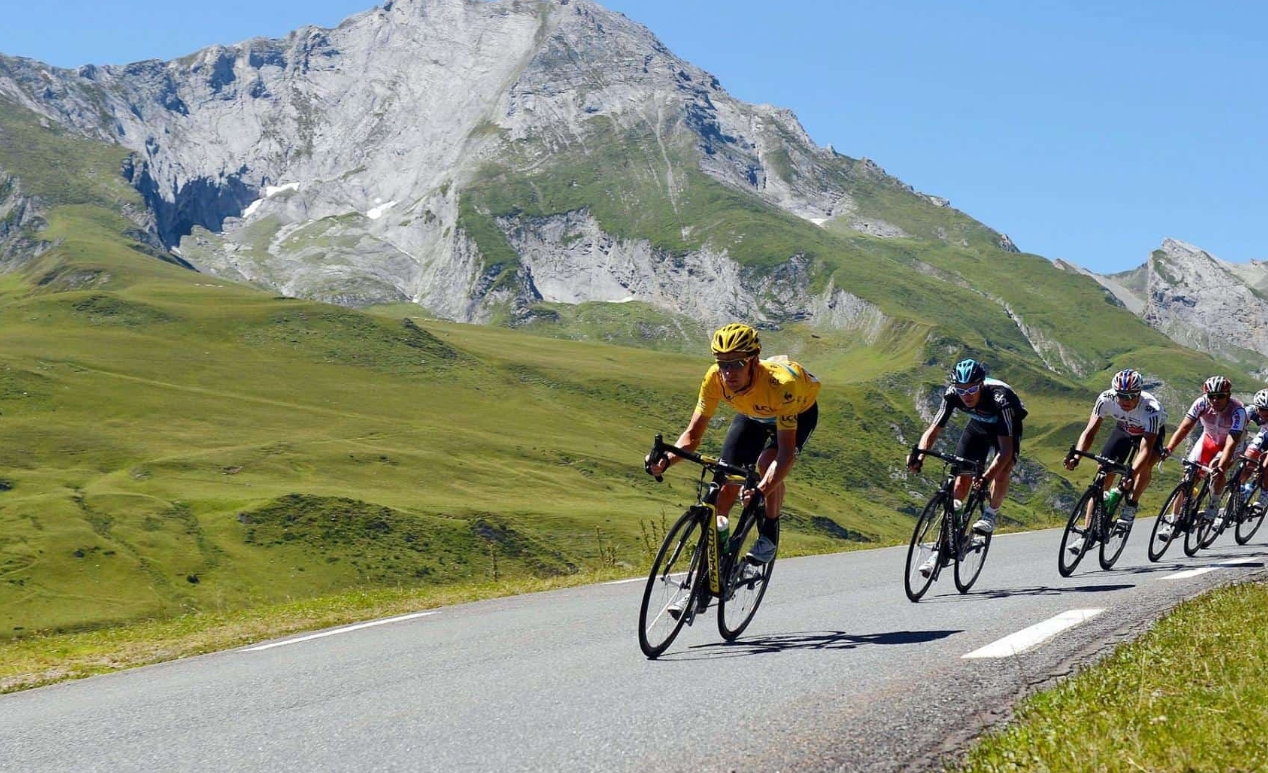
Fifty years is a long time to do one thing well. Since 1974, Assos of Switzerland has built road cycling apparel around one core idea — the human body in a riding position, not a standing one.
That distinction matters more than it sounds. Every seam, every panel, every chamois placement targets a bent-over torso, rotating hips, and legs pushing through a full pedal stroke. The result is kit that disappears on the bike. You stop noticing it. That's the whole point.
What You're Paying For
Assos sits in the premium cycling clothing tier. The MILLE GT Bib Shorts retail around $240 / £160–£320 . Jerseys run £95–£190 . That price stops a lot of riders before they even try a pair.
Here's another way to look at it. With proper care, Mille GT bibs last an estimated 2–3 years of regular use — around 300 hours of riding . That works out to $0.80 per hour . For riders logging 100+ miles per week , that number starts to make sense.
The ASSOS Layering System (ALS) adds real-world flexibility. It coordinates across garments to hold comfort across a 40°F–75°F temperature range — no extra bulk required.
Who This Kit Suits
Assos builds for serious, high-frequency riders — competitive cyclists, endurance athletes, and dedicated club riders. The fit is race-cut. It's shaped for European proportions and aggressive riding postures.
First-time buyers: try before you buy. The sizing tolerance is narrow, and getting it wrong is an expensive mistake.
Best for: Riders who train hard and want cycling bib shorts that outlast their cassettes.
Castelli — Italian Performance DNA with Strong German Market Presence
Castelli has been dressing cyclists since 1876. That kind of history doesn't just sit on a shelf — you feel it the moment you pull on a pair of their bib shorts.
The brand's roots are Italian, but its German presence is intentional and deeply local. The Castelli Store Berlin on Mulackstraße serves German and Austrian riders directly. Content and community there center on real local conditions — cold rain, headwinds, long autumn rides where the weather shifts fast.
Built Around Race Kilometers
Castelli supplies kit to UCI WorldTour teams . Those riders cover 30,000–35,000 km per season . That's not a marketing claim. It's a stress test. Gear at that level earns its place through wind tunnel sessions and real power data — not product photography.
The Free Aero Race 4 Bib Shorts bring that same logic to the retail line. Here's what you get inside:
The Progetto X2 Air chamois uses multi-density foam at 13–15 mm thickness at the sit bones
Perforated ventilation stops things from getting swampy on long climbs
German riders point to two things above all else: comfort past the four-hour mark, and how well the chamois manages heat compared to denser options
On the aerodynamic side, the Free Aero Race line cuts drag at ~40 km/h . Wind tunnel data shows gains of 10–20 watts — that's 20–60 seconds saved over a 40 km time trial.
The Gabba: Germany's Rain Jacket Debate
No Castelli discussion in Germany goes far without landing on the Gabba . It fills a very specific role — 5–15°C, raining, and you still need to push watts . Waterproofing sits in the 10,000–20,000 mm range, with breathability to match. Weight stays under 300 g. It's not a Gore-Tex membrane, and it makes no claim to be. What you get is a race-cut shell that stays out of your way as the pace rises.
German riders stack it against Gore Wear's SHAKEDRY in forum threads. The honest take: Gore handles heavy, sustained rain better. Castelli wins the moment you need to race in it.
Price and Durability
Free Aero Race 4 Bib Shorts: €170–€220 retail, with German promotions often dropping to €150–€200
Gabba series: €150–€250 depending on version
Care matters here. Stick to cool washes and skip the tumble dryer. Do that, and the chamois holds up for 2–3 years at 5,000–10,000 km per year . The laser-cut leg grippers resist the hard creasing you see with traditional rubber bands. One thing to know — they're more heat-sensitive than most riders expect.
Best for: Competitive and high-frequency riders who want race-proven aerodynamic cycling gear with a chamois that holds up past hour four — plus a rain jacket that keeps pace with the effort.
Craft Sportswear — Scandinavian Performance Fabric Technology for German Cyclists
Sweden doesn't do complicated. Since 1977, Craft Sportswear has built its whole identity around one obsession — keeping moisture off your skin and your body temperature stable, no matter what the ride throws at you.
That philosophy started in Borås, a city in southern Sweden with deep roots in textile manufacturing. You can see it in how Craft builds breathable cycling wear : not as a single-layer fix, but as a connected system built from the skin outward.
A Layering System Designed for German Seasons
Other brands sell you individual pieces. Craft sells you a logic. The three-layer structure fits what German cyclists face every season:
Layer 1 (Baselayer): Fine polyester microfiber pulls sweat away from skin fast. Performance matches COOLMAX-style moisture transfer. You stay dry through Z2–Z3 efforts in spring cold.
Layer 2 (Midlayer): Brushed insulation for 0–10°C mornings. It adds warmth without trapping heat.
Layer 3 (Outer Shell): Wind and rain protection that works with the inner layers, not against them.
The system stops "sweat chill" — something every German cyclist dreads on a long autumn descent.
Two Lines Worth Knowing
Craft Hale Series (€80–€100 jerseys / €100–€130 bib shorts) targets all-road endurance riding. The bib chamois is thick and padded for rides over three hours. Reviewers call it "full-day comfortable" across 80–150 km events, and that lines up with the padding density.
Craft ADV Endur Series (€70–€90 jerseys / €90–€120 bib shorts) leans toward gravel and mixed terrain. You get multiple rear pockets, open mesh ventilation panels, and a more forgiving cut. That makes it practical for long days away from smooth tarmac.
A full Craft kit — jersey plus bibs — runs €160–€220 . That's well below what Assos or Castelli charge for similar pieces. You get moisture wicking cycling clothing performance without giving anything up.
Best for: Endurance riders, gravel cyclists, and commuters who want a complete cycling kit system — not just a jersey — and put function ahead of brand prestige.
Santini SMS — Italian Craftsmanship Built for Performance Cycling
A small factory in Lallio — a quiet town outside Bergamo in northern Italy — has been outfitting the world's fastest cyclists since 1965. That factory belongs to Santini SMS. It still produces every single garment in-house today. No outsourcing. No overseas manufacturing. Around 3,000 pieces per day , all made in Italy.
That matters more than it sounds. Santini controls every step — pattern cutting, stitching, printing, finishing. That full control is what makes the kit hold together ride after ride, season after season.
The UCI Connection
Santini has supplied UCI World Championship rainbow jerseys since 1988 . That's not a contract you fall into. The UCI holds cycling apparel suppliers to strict technical standards — colorfastness, stretch recovery, sweat resistance. Santini has held that contract for over 35 years. That track record says a lot about how tight the quality control is on the inside.
Since 1993, they've also produced the Giro d'Italia pink jersey — the maglia rosa . Over 30 years as the official cycling gear supplier for one of cycling's most recognized garments. Not many brands can say that.
What This Means for the Kit You Buy
The Maglia Viva series sits at €90–€130 . It's built for high-volume road riders logging 150+ km per week . You get race-fit construction and solid heat management. The Gravel series runs a bit higher at €100–€150 . It comes with deeper pockets, more abrasion-resistant fabric, and a cut shaped for mixed surfaces and rides lasting 3+ hours .
Both lines use fabrics with an estimated 20–30% elastane content . That gives you stretch rates above 120% in both directions — standard for competition-grade cycling apparel at this level.
Santini vs. Castelli at the Same Price Point
Both brands sit in the same general price tier. But the differences are real:
Production: Santini makes everything in Italy. Castelli depends on external production for a large share of its output.
Racing credentials: Santini holds the UCI rainbow jersey production license. Castelli partners with WorldTour teams, but not in that same official role.
Product focus: Santini stays focused on performance and race cycling. Castelli covers more ground — lifestyle lines, commuter gear, and race kit all sit under the same roof.
For German riders, Santini is available through European specialty retailers — including platforms like Bike24 — and through premium cycling boutiques that carry performance-focused brands.
Best for: Competitive road and gravel riders who want race-proven Italian cycling kit with real durability standards. Also a strong pick for riders who care about where their gear is made and how it gets built.
Rapha — Premium Lifestyle-Performance Cycling Apparel for German Road Cyclists
There's a certain kind of cyclist in Berlin who rolls up to a Sunday morning café stop looking like they just left a campaign shoot. Chances are, they're wearing Rapha .
The British brand has built something rare. Its reputation holds up on the road and off it. For urban riders in Berlin, Hamburg, and Munich, that balance hits well. City cycling culture here cares how you look pulling up to a traffic light. It cares almost as much as how you push through a headwind.
What You're Paying For
Rapha sits at the top of the price ladder. The Pro Team II Bib Shorts retail at €230 . The Pro Team II Midweight Jersey runs €170 . Buy both together and the bundle comes to €320 — a number that gives most riders pause. That reaction makes sense.
The price doesn't buy pure technical performance. It buys aesthetic coherence — clean lines, muted palettes, a design language that works from the saddle to the coffee shop. For riders who care about that, it's a clear, considered purchase. For riders chasing watt-per-euro efficiency, the argument gets harder to make.
The Classic Rain Jacket covers the practical side. German weather shifts fast. All-day drizzle can break a kit choice by kilometer 30. This jacket handles that.
Rapha vs. Assos at the Same Price
The real comparison at this price tier is Assos . Both brands charge similar money. Assos focuses hard on chamois engineering and durability. Rapha leads with identity and design polish. Neither gets it wrong — they just target different riders.
Best for: Urban club riders and weekend sportive cyclists who want a premium kit that looks good on and off the bike. Also for riders who are comfortable paying for the brand experience, not just the fabric.
Brand Comparison: Performance, Durability & Value at a Glance
Six brands, side by side. Here's what the numbers show.
Brand | Performance (1–10) | Durability (1–10) | Kit Price Range | Fit Style | Best For |
|---|---|---|---|---|---|
Gore Wear | 9 | 8 | €150–€320+ | Race-fit | Wet, cold German conditions |
Assos | 10 | 9 | €240–€450+ | Aggressive race-fit | High-frequency endurance riding |
Castelli | 9 | 8 | €170–€350 | Race-fit | Competitive training, long climbs |
Craft | 8 | 8 | €160–€220 | Relaxed endurance | All-season layering systems |
Santini | 9 | 9 | €190–€280 | Race to endurance | Road and gravel, made-in-Italy quality |
Rapha | 8 | 8 | €230–€400 | Race + endurance | Urban club riders, café-to-climb versatility |
The Details That Matter Most
Chamois density separates a four-hour ride from a two-hour one. Assos and Rapha premium bibs use foam densities of 120–200 kg/m³ . Sit-bone thickness reaches 10–14 mm . That's a lot of cushion for long efforts. Mid-tier options from Castelli and Santini land at 80–150 kg/m³ — still excellent for efforts up to four hours. Craft's Hale series falls right in that same range too.
Fabric weight tells its own story. Top-tier summer race jerseys from Assos and Castelli run 90–130 gsm . They're thin, stretchy, and barely noticeable against your skin. Craft and Rapha all-season pieces sit at 130–160 gsm . You give up a little breathability, but you get real three-season use out of them.
Zippers matter more than most riders expect. Every brand on this list uses YKK hardware. That's the industry standard for smooth operation and long-term hold. Budget brands skip YKK zippers. Those zippers break down at two to three times the rate after repeated sweat exposure.
Quick-Pick by Rider Type
Best all-rounder: Rapha — the fit and weather range cover the most ground
Best durability per euro: Santini — UCI-contract quality at mid-premium pricing
Best for harsh weather: Gore Wear — nothing else at this price matches SHAKEDRY in sustained rain
Best value complete kit: Craft — full layering system under €220
How to Choose Cycling Apparel for Germany's Riding Conditions
Germany doesn't give you one climate. It gives you several — sometimes within the same ride.
Hamburg sees close to 190–220 rainy days a year . Bavaria swings from below –5°C in winter to above 30°C in summer. On a single shoulder-season day, temperatures can shift 15–20°C . That's not a detail. It's the whole problem. Building your kit in the north means taking a different approach than in the south.
North vs. South: Two Different Packing Lists
In northern Germany — Hamburg, Bremen, coastal Niedersachsen — moisture is the enemy. Your outer layer needs a waterproof rating of at least 10,000 mm hydrostatic head . Look for taped seams, a storm flap zip, and a long rear drop tail. Keep base layers light and high-CFM underneath. This stops you from steaming up inside a membrane shell during hard efforts at 5–15°C .
In southern Germany , the cold tends to be drier. A windproof front panel often matters more than full waterproofing. You need a layering system that adapts. Think packable gilets, removable arm and leg warmers, and fleece-backed jerseys for –5°C mornings that you can open up by midday.
Match Your Kit to the Temperature Band
Temp Range | What to Wear |
|---|---|
>25°C | Bib shorts, lightweight summer jersey (mesh/synthetic), optional arm warmers for dawn starts |
15–25°C | Bib shorts, short-sleeve thermal base, arm warmers at ~15°C, light gilet at 10–12°C |
5–15°C | Bib tights or shorts + leg warmers, long-sleeve thermal base, cycling jacket, gloves, shoe covers |
–10 to 5°C | Winter bib tights, merino base layer ( 180–200 g/m² ), windproof jacket, insulated gloves, overshoes, balaclava |
Fabric Specs That Make a Real Difference
Breathability: Target CFM ≥20–30 for jerseys and mid-layers on mixed-weather rides. Rain shells drop to 5–15 CFM — add underarm vents to compensate.
Moisture-wicking: Go synthetic, not cotton. Summer baselayers: 80–120 g/m² . Winter: 180–200 g/m² merino .
UV protection: Aim for UPF 30–50 on long late-spring and summer rides.
Stretch: Race-fit bibs need 4-way stretch to follow a 30–40° torso angle without pulling.
Race Fit or Endurance Fit?
This is the question most riders skip — and then regret at hour four.
Race fit suits hard efforts under three hours at 28–35 km/h . It's aero, compressed, with minimal fabric flutter.
Endurance fit is built for 3–8 hour days on endurance or gravel geometry. It sits a bit looser at the waist and shoulders. You also get extra pocket space for a gilet or rain jacket, plus a multi-density chamois designed for long saddle time. On southern German rides where temperatures rise 10–15°C between start and finish, the endurance cut makes layering far easier.
One rule worth following: pack something compressible. German weather doesn't wait for you to be ready.
FAQ: German Cycling Apparel Brands — Your Questions Answered
Riders ask good questions. Here are honest answers to the ones that come up most often.
Q: Are German cycling apparel brands worth it — or is that just reputation?
German brands back their reputation with hard details. You get OEKO-TEX certified production, flatlock stitching on high-stress seams, and fabrics built to hold shape past 100 wash cycles. Gonso has been designing cycling clothing for over 50 years. That experience shows in the kit — functional, long-lasting gear made for riders who put in real miles, not just show up at the start line.
Q: How do I pick bib shorts for rides over three hours?
Four things matter most:
Chamois rating — look for pads rated 4–8 hours with multi-density foam
Fabric weight — 200–250 g/m² Lycra balances compression with durability
Panel count — more panels mean less bunching under saddle pressure
Brace width — wide mesh straps prevent digging in on long climbs
Size by hip and thigh measurements. Shorts sized like casual clothing will let you down by kilometer 60.
Q: What about custom kit for clubs?
German cycling teamwear suppliers like Renerosa offer full-sublimation printing, standard or premium chamois options, and low MOQs of wholesale cycling apparel — as few as 10 to 20 pieces per design. One thing most clubs miss early on: color matching across replacement orders needs to stay consistent. You notice it in year two when new pieces don't match the originals.
Q: Where do I buy this stuff?
Local Fachhändler — specialist bike shops — stock Gonso and comparable German labels. For custom cycling club apparel orders, contact Renerosa's German office. They handle inquiries there. For a broader range, German online sports retailers carry both domestic brands and the European technical labels covered throughout this guide.
Conclusion
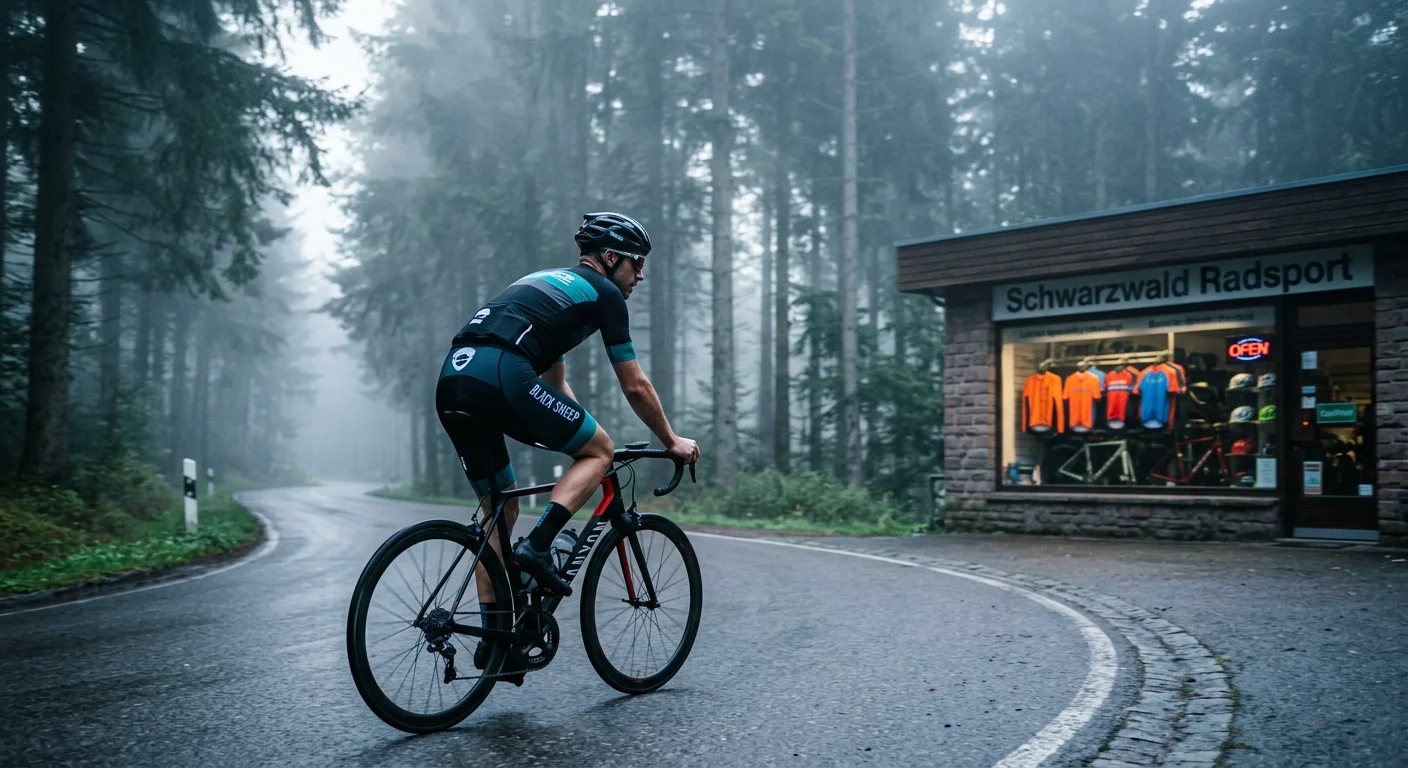
Picking the right cycling kit goes beyond looks. It's about how well you push through a cold Bavarian morning climb or a rain-slicked stretch of the Black Forest.
Each brand brings something different to the table:
Gore Wear delivers solid German engineering built for tough conditions
Assos focuses hard on fit and long-term wear
Rapha takes a clean, refined approach to road cycling apparel
The best choice is the one that feels like nothing on your body — so you stay focused on the ride.
Performance fabric and durability aren't luxuries. They're what separates a great cycling season from a frustrating one.
Start with what matters most to you:
Racing precision
All-weather protection
Long-term value
Let that guide your pick.
Ready to gear up? Browse our full collection of custom cycling jersey Germany picks and find the kit that fits the rider you are. Your next favorite ride is waiting.