You've got the bike, the shoes, the helmet, the whole kit. So why does your Strava photo still scream "first year rider"?
Seasoned cyclists learn that it's rarely about buying more gear. It's about how the pieces you already own work together. A jersey that fits like a paper bag, colors that clash instead of flow, sunglasses that don't match the ride — those small mismatches are what separate polished from awkward out there.
This guide covers how to look cool on a bike with the right cycling apparel. Brands can build custom Cool Cycling Apparel around their own visual identity.You'll get scene-based outfit formulas for commuting, road, and mountain riding, plus a color logic and fit checklist you can use today. No new purchases required. Just better instincts.
Start With the Riding Scene: Match Cycling Apparel to the Image You Want
Every scene has its own visual grammar, and cycling kit matching only works once you know which language you're speaking.
Road cycling fashion is about tight, fast, technical lines. Close-fitting Lycra, aero jerseys, variable-density chamois pads, and secure rear pockets are the visual shorthand for "serious rider." Brands like Rapha, ASSOS, and MAAP build entire identities around this fit.
Mountain bike style flips the script. Loose, baggy shorts and tops, tougher fabrics, liner shorts hidden underneath—the look reads durable, relaxed, protective. Nobody's chasing aero here; they're dressing for the trail hitting back.
Gravel sits in the middle, and honestly, this is where personal style has the most room to breathe. Aero racing kit on one end, relaxed cafe-friendly clothing on the other. Loose cuts, extra pockets, natural fibers for odor control—rugged but polished is the goal.
Urban cycling wear plays it cool on purpose. Casual off the bike, with reflective strips, sweat-wicking fabric, and water resistance hidden underneath. Clean, understated, practical—that's the entire brief.
Know your scene first. Everything else follows from there.A Cool Cycling Apparel factory can adapt cuts for road, gravel, or MTB use.
Build the Outfit From the Base Layer Outward for a Clean Silhouette
I've stood on street corners in Milan and Copenhagen watching cyclists roll by, and the ones who catch the eye almost never have the most expensive kit. They just understand layering. It's a three-piece system of base, mid, and outer layers that work together.
Start close to the body. A fitted, lightweight base layer, merino wool if you can get it because it breathes and doesn't hold odor like synthetics, sits against the skin without adding bulk. Snug without being restrictive. That's the rule.
From there, build outward with the thinnest fabric first and the thickest last. Your mid layer, maybe an arm warmer or a light vest, gets a touch roomier. Buyers can request a custom wholesale price for Cool Cycling Apparel by style.The outer piece, whether a jacket, gilet, or something else for the weather, sits over both without pulling or bunching anywhere.
Keep it to three visible layers, max. Any more and the silhouette turns cluttered fast. Use one roomy piece and two close-fitting ones. Never stack two bulky layers together; it looks sloppy.
Length matters too. Each layer should run slightly longer than the one beneath: base at the hip, mid an inch past that, outer another inch beyond. Let a collar or cuff peek through intentionally. That small detail makes cycling kit look intentionally matched.
Apply the Three-Part Color Method to Make Any Cycling Kit Look Intentional
I once watched a rider in Antwerp roll past a café terrace in a navy jersey, black bibs, and a single flash of white on his socks. Nothing else. That's the whole trick, and most riders overcomplicate it.
Cap your kit at three colors total. Team buyers can order bulk Cool Cycling Apparel in coordinated colorways.One dominant, one secondary, one accent. Split it roughly 60–70% dominant, 20–30% secondary, 5–10% accent. That accent percentage matters more than people think; it should feel like a whisper.
The Bottom Rule
Keep bibs and shorts achromatic. Black, gray, white. Nothing else. This single choice makes jersey styling effortless because a neutral base pairs with almost any jersey color you own.
Neutral Accessories, Loud Exception
Gloves, socks, shoe covers, and caps stay black or white by default. Then break the rule once, deliberately. A neutral base plus one bold accent is the most reliable pattern in aesthetic cycling gear, full stop.
Sync Your Helmet and Shoes
Match your helmet's color family to your shoes, even loosely. This one move reads as intentional even when your jersey rotates weekly.
Socks Are Your Bridge
Pick socks that touch both your shoe color and one jersey color. It's the smallest garment doing the most connective work.
Use the main color on the jersey, keep bibs neutral, let socks or helmet carry the accent, and keep shoes black, white, or accent-adjacent. Navy jersey, black bibs, white socks. Or blue jersey, black bibs, orange accessory. Complementary pairs like blue/orange or red/green create contrast without chaos.
Use the Right Fit Checks to Look Experienced Rather Than Overdressed
Fit is the tell. I've photographed thousands of people on the street, and the ones who look effortless are wearing the right clothes, not the tightest or the loosest. Cycling jersey style works the same way.A reliable Cool Cycling Apparel vendor can adjust fit across size runs.
Run the five-point check: shoulder seam sitting right on the shoulder bone, collar lying flat with no gap, chest smooth with no pulling across buttons, sleeves ending at the wrist bone, and shorts falling with a slight break rather than pooling at the knee.
Get on the bike and move. Sit, reach forward, raise your arms, bend at the hip. A well-fitted piece travels with you and settles back into place. If you're tugging your jersey down every thirty seconds, the cut is wrong, not your body.
Watch the shoulders specifically. Seam hanging past the arm means too big. Seam pulling toward the neck means too small. On chest, look for roughly 2 to 4 inches of give, enough room that fabric doesn't strain but not so much it billows.
That's the difference between overdressed and experienced.
Copy the Commuting Cycling Outfit Formula for an Urban Technical Look
The best-dressed commuters I've photographed never look like they're wearing "cycling clothes." They look like they're wearing clothes that happen to work on a bike. That's the entire formula: technical performance hidden inside streetwear.
The Jacket
Look for waterproof front panels with a breathable back, a magnetically attached hood, an asymmetrical zipper, vented underarms, and packable self-storage. Rapha City Riding built its whole identity on this exact idea — reflective enough for headlights, invisible in daylight.
The Bottoms
Tapered commuter pants with reflective cuff roll-ups. Gusseted chinos for pedaling comfort. Commuter jeans with stretch panels and reinforced seats. Every option stays slim, tapered, low-bulk — never baggy. Give across the back, knees, and crotch matters more than the fabric name.
The Shoes
Recessed-cleat casual shoes for SPD compatibility, or reinforced flat-pedal sneakers with stiffened soles. Either walks into a coffee shop without announcing itself.
The Formula
Base layer, breathable top, weather shell — that's the standard stack. Add padded undershorts for longer rides, or a full waterproof jacket-and-trouser combo with a vest for winter mornings. Water resistance, breathability, stretch, reflectivity, packability: five words, one silhouette.Retailers can add wholesale Cool Cycling Apparel to their seasonal assortment.
Copy the Road Cycling Outfit Formula for a Polished Performance Look
Race day at a velodrome outside Ghent showed me that the fastest-looking riders in the pack didn't wear the flashiest kit. They wore the tightest kit, fitted right. Nothing hangs, nothing flaps, nothing looks borrowed.
The Formula
Close-fit jersey, bib shorts, base layer, low-profile socks, lightweight gloves. That's the standard road-performance stack, and every piece should fit tight, aerodynamic, like a second skin.
The Jersey
Snug against the skin, low collar, aero sleeves, body-mapped panels. Look for raw-cut hems and bonded seams – silicone micro-grippers keep everything smooth in riding position. The Rapha Pro Team and MAAP Pro Aero Thermal LS Jersey are the ones to study; the MAAP's brushed-back thermal fabric and channeled ribbed sleeves set the reference.
The Fabric
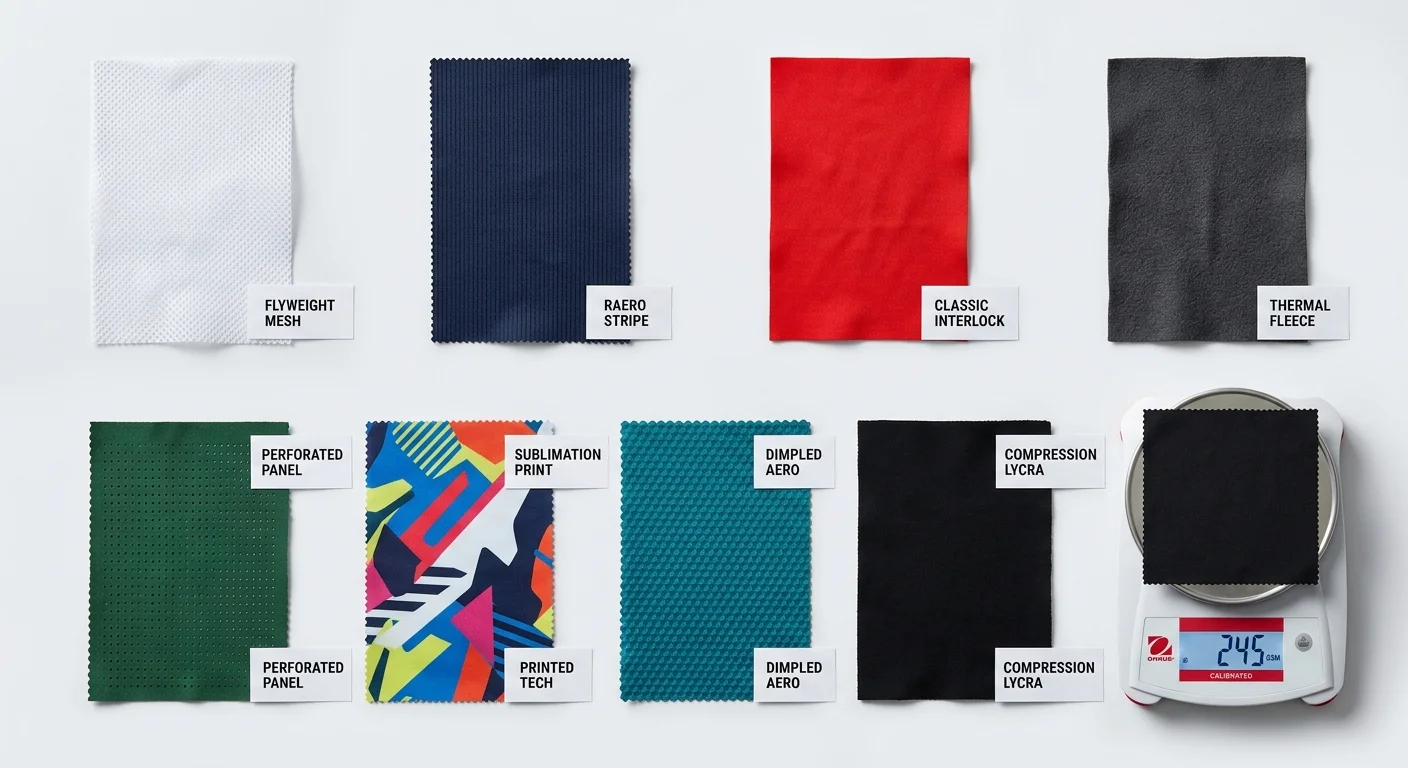
Technical polyester microfiber for quick-drying jerseys. Lycra-spandex blends for stretch and recovery that hold the silhouette tight. Polartec Delta for cooler mornings.
The Bib Shorts
Castelli Free Aero RC sets the benchmark. Compressive stretch, close construction, no bunching at the saddle. Decent bibs start around £39, but fit matters more than the price tag.
Copy the Mountain Bike Outfit Formula for a Confident Trail-to-Street Look
Trail riders who linger at the café afterward, still dressed for singletrack, taught me something road cyclists rarely master: the relaxed cut can look just as intentional as the tight one. Mountain bike style is loose, technical, and quietly confident.
The Formula
Technical top, loose shorts or pants, low-key shoes, one weather layer. That's the entire trail-to-street stack. Skip anything fitted like a road jersey.
The Top
A moisture-wicking jersey, a graphic long-sleeve, or a casual cycling hoodie. Keep it simple, functional, a touch looser through the body than road cuts.
The Bottom
MTB shorts or relaxed trail pants. Look for stretch fabric and chain-side cuff rolls. That detail alone signals someone who actually rides, not just dresses the part.
The Outer Layer
A lightweight windbreaker or packable shell handles changeable weather without adding bulk.
The Shoes
Trail shoes for technical terrain, clean sneakers for the street-focused ride. Rapha's MTB trailwear line and brands like Fox, Endura, and Five Ten all build around this same silhouette: relaxed, durable, never overdressed.
One rule keeps it confident: pair a single statement piece with understated basics, and let the shoes or jacket carry the technical weight.
Upgrade Existing Gear With One Accessory and a Better Cycling Kit Match
Forget the full wardrobe overhaul. A single, well-chosen accessory does more for a rider's presence than three new jerseys ever will.
Start with function. New bar tape, a saddle bag that matches your frame's lines, a rear radar unit like the Garmin Varia. These read as "this person knows what they're doing" from ten feet away. On a tight budget, start with tires. Wider, better rubber transforms both ride feel and visual bulk at the contact point. Then bib shorts, then lights or radar.
Buy the kit as a set. A jersey and bib short sold together are engineered as a system — fabric, color, and chamois all calibrated to work in unison. That's why a matched kit always outperforms mixing brands. If you're not ready to commit, buy one pair of bib shorts first, based on your longest regular ride, then build the rest around it.
Layer in the connective accessories. Arm warmers, a printed cycling cap, a musette bag are the pieces team kits always bundle together. They turn a good jersey into a coherent cycling gear statement without buying anything else new.
Match Cycling Sunglasses, Helmet and Shoes to the Outfit's Visual Language
Perfect color matching is a myth. What actually reads as put-together is repetition — the same one or two colors showing up across your helmet, shoes, and sunglasses.
The Safest Palette
Black, white, gray, navy. These four colors repeat easily across helmet, shoes, and eyewear, and they pair cleanly with almost any jersey you own. Stick to a color family.
Helmet Logic
A white helmet works with nearly any kit, especially clean or bright ones. Black or dark helmets earn their place when the jersey itself is bold or high-contrast. Gray, ivory, and dusty neutrals sit in the flexible middle, often easier to coordinate than anything saturated.
Shoe Logic
White road shoes remain the default standard because they're the easiest match. Black shoes pair safest with black bibs and darker kits. Gray or navy shoes offer neutrality without the starkness of white.
Sunglasses Logic
Match frame color to your helmet or one dominant jersey tone. Choose lens color by function: dark lenses for sun, clear or light-enhancing for cloudy or winter rides, gray-tinted for general glare reduction. For dark helmets, go with black or dark gray frames. For a multi-color jersey, pick eyewear that echoes one dominant color.
Combinations Worth Copying
White helmet, white shoes, neutral sunglasses: the cleanest all-purpose road look.
Black helmet, black shoes, dark-frame sunglasses: sharp, aggressive, minimal.
Navy kit, white helmet, white shoes: high-contrast, strong coordination.
I've seen it done well with a dark red and navy jersey paired with white shoes and a white helmet, sunglasses custom-tinted to echo the kit's accent. The rule is bold jersey, neutral everything else.
Adjust the Same Look for Temperature, Visibility and Social-Media Photos
A kit that photographs well in June often falls apart in October. You don't need two wardrobes, just two or three pieces that flex.
For temperature, swap fabric weight, not color. A merino base layer under the same jersey handles a 15-degree drop without touching your palette. Arm and leg warmers do the same job. Peel them off mid-ride, stash them in a jersey pocket, and the silhouette stays intact.
For visibility, add reflective elements at the extremities first: cuffs, ankle bands, helmet strap. They sit outside the eye's natural focal point, so you get the safety boost without fighting your color story.
For the photo itself, consistency matters as much as the outfit. Lock your first edit's slider values, then reuse them across every shot in the set. Push temperature right for warmer, golden tones; left for cooler, blue ones. Pick a direction and stay uniform across the feed. If the shift looks too aggressive, lower Strength rather than the temperature value itself. Anyone editing in Photoshop can start with a Warming Filter 85 or Cooling Filter 80, both at 25% density. Subtle, not staged. Before touching anything else, use the eyedropper on a white jersey panel or your helmet to reset white balance to neutral. Then work in this order: frame, light, color, sharpen, temperature. It keeps the kit looking as sharp on-screen as it does on the road.
Conclusion
After years of watching riders roll by, the ones who look effortlessly put-together never bought more gear—they just understood cycling kit matching at a deeper level. The three-part color method, the fit checklist, that one accessory swap: these aren't tricks, they're the same visual logic every well-dressed rider instinctively applies, whether commuting through the city or descending a fire road.
You already own most of what you need. For new collections, a Cool Cycling Apparel manufacturer can develop matching pieces.The difference between "looks cool as a cyclist" and "looks like they just bought everything at once" comes down to intention—matching your cycling jersey style to the scene, letting one clean color choice tie the whole kit together.
So before your next ride, don't shop. Audit. Pull out what you own, run it through the formulas above, and swap one piece. That's usually all it takes to go from geared-up to genuinely dialed-in.