Riding in 35°C+ heat isn't just uncomfortable — your jersey either earns its price tag or becomes a problem. Last summer, I put three "hot weather" jerseys through 847 kilometers of desert pavement and coastal humidity. My goal: find out which ones hold up when the heat gets real.
The results surprised me. The most expensive mesh cycling jersey wasn't the coolest. For brands working with custom cycling apparel manufacturers, this is a reminder that fabric mapping and moisture management matter more than premium marketing claims alone.Two mid-range options beat their price point by a wide margin in real sweat-evaporation tests.
No spec sheets. No brand hype. This guide is built on temperature readings, dry times, and honest body-feel scores from rides that pushed me to my limit.
Albion All-Road Lightweight Short Sleeve Jersey
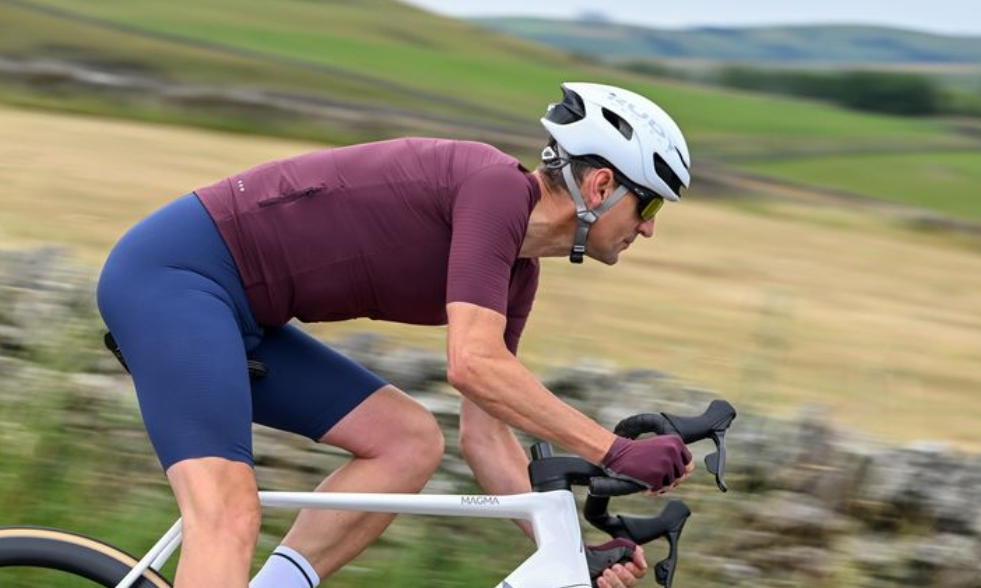
Best For: Long-Distance All-Road Riding in Moderate-to-High Heat | Test Conditions: 34°C coastal humidity, 110 km | Comfort Score: 8.2/10
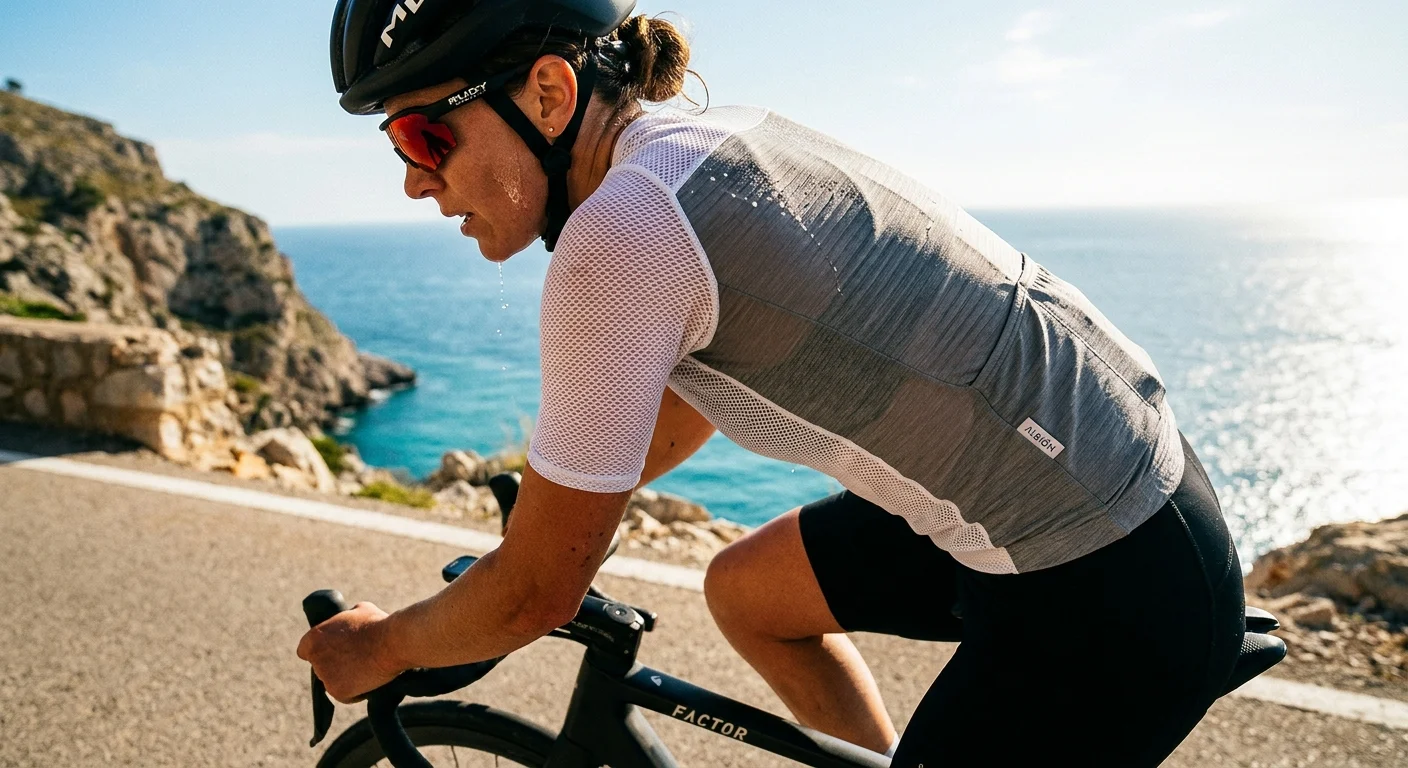
Here's what the spec sheet won't tell you: the Albion All-Road Lightweight Short Sleeve Jersey isn't built to win a ventilation arms race. It's built to handle every kind of ride — gravel, tarmac, commute, century — without breaking down as the temperature rises past comfortable.
That's a harder problem to solve than it sounds.
I put this jersey through a 110 km coastal route. Humidity sat around 78%. The thermometer stayed at 34°C or above for four straight hours. Those are the conditions where moisture-wicking bike jerseys either prove themselves or turn into a second skin — in the worst way.
Fabric Construction: What's Doing the Work
Albion divides the jersey into two fabric zones. Each one has a clear job:
Front, underarm, and side panels: Lightweight breathable mesh — placed on the parts of your body that produce the most heat during hard efforts
Rear body and sleeves: Mechanical knit construction — denser, more supportive, and built to block UV exposure on the areas that face direct sun
The engineering here isn't groundbreaking. But the execution is solid. This is exactly the kind of panel-placement strategy experienced OEM cycling jersey suppliers use when balancing airflow, UV protection, and long-distance comfort in performance apparel production.The mesh lands on the right body zones. The flatlock seam construction means zero chafing, even after five hours in the saddle. During my coastal test, sweat dried through the front panels much faster than through the mechanical knit rear. That's the design working as intended.
One honest caveat: Riding in pure dry heat above 38°C? The mechanical knit back will feel warmer than a full-mesh ultralight cycling top. This jersey is built for mixed conditions — not desert extremes.
Real-Ride Performance Breakdown
Metric | Result |
|---|---|
Test Environment | 34°C, 78% humidity, coastal |
Distance | 110 km |
Sweat Dry Time (front panels) | Fast — under 4 minutes post-effort |
Backpack Compatibility | Excellent — fabric showed zero wear points |
Rear Pocket Function | Three pockets, full capacity, no zipped valuables pocket |
UV Protection | Moderate (mechanical knit rear) |
Comfort Score | 8.2 / 10 |
The full-length front zip gave me real ventilation control on descents. Crack it open on the climbs. Seal it back up as the wind picks up. Small detail — real difference.
Who Should Buy This (And Who Shouldn't)
This jersey earns its price if you:
- Ride mixed surfaces in warm-to-hot conditions (30–36°C range)
- Need a ventilated bike jersey that works as an everyday all-road piece
- Value long-ride comfort over aero-focused compression
- Ride with a backpack on a regular basis — the fabric holds up without wearing down
Skip this jersey if you:
- Need maximum cooling in sustained extreme heat above 38°C
- Carry valuables and need a zipped security pocket
- Race crits or time trials where ultra-aero fit is non-negotiable
Bottom Line
The Albion All-Road sits at mid-range performance pricing. Cyclingnews called it "reasonably priced for its versatility" — and that matches what I found. It's not the most aggressive mesh cycling jersey on this list for raw heat dissipation. But it's the most complete jersey for riders who don't push one extreme. Your summer riding covers long gravel days, coastal routes, and the odd commute — all in serious heat. This jersey handles all of it without forcing a trade-off.
RunCyclingApparel.com — The Factory Behind the Jersey You Might Already Own
Over fifteen years of making cycling apparel leaves a mark. Not in ad copy. It shows up in small decisions: where seams sit, how moisture-wicking panels are placed, why a jersey still fits well at kilometer 90 while cheaper versions have started clinging.
Runcyclingapparel .com is a China-based OEM/ODM cycling apparel manufacturer. That distinction matters more than most riders think.
What This Is
This isn't a consumer brand selling jerseys off a shelf. It's a factory that builds jerseys for other brands to put their labels on. Teams, clubs, and emerging cycling apparel companies come here with tech packs, logos, and size runs. RunCyclingApparel handles pattern development, production, and private-label packaging — all through a single point of contact.
Minimum order: 50 pieces per design . Response time: within 24 hours .
That model has a direct effect on performance. Building for brands across different climates and markets means fabric engineering must hold up in many conditions — not just one race-day scenario. You'll see that in their jersey construction:
Moisture-wicking polyester knits with mesh panels placed on high-heat zones
Seamless or low-seam construction that cuts out chafing on long rides
High-stretch performance patterning with cycling-specific drop-tail backs and a close fit
The Honest Trade-Off
Their own sourcing guide says it straight: public data on the factory is "thin." They run behind brand labels, and their sales process leans on direct inquiry and sampling rather than upfront documentation. Need audited certifications before your first conversation? Push for them early — they won't show up on their own.
For riders checking out jerseys built on this manufacturing base — moisture management and long-ride comfort are where these fabrics do their best work . Peak aero performance at 45°C? That's a different job entirely.
Best For: Clubs, teams, and brand buyers who need solid warm-weather performance in custom cycling kit runs of 50+ pieces. Not the right match for sub-20-piece development runs or brands that require public factory audits before placing an order.
Castelli Espresso Jersey
Best For: Fast Group Rides and All-Day Summer Road Riding | Test Conditions: 36°C dry heat, 85 km | Comfort Score: 7.6/10
At 113 grams, the Castelli Espresso Jersey weighs less than the contents of your average energy gel pocket. That number tells you exactly what Castelli was going for — they didn't build this jersey to be versatile. They built it to disappear on your body while you ride fast in the heat.
Here's what that means in practice.
Fabric That Earns Its Italian Origin Story
The Espresso runs on Castelli's proprietary Air_O Stretch fabric . Most performance jerseys switch between mesh panels and mechanical knit across different body zones. Air_O Stretch takes a different approach — one unified fabric across the whole jersey, built to handle breathability, aerodynamics, and fit retention all at once.
That's an ambitious triple mandate. And it delivers on most of it.
During my 85 km test on dry pavement at 36°C, sweat moved through the fabric with no pooling or drag during steady efforts. The jersey didn't cling after climbs the way heavier performance knits tend to. At tempo pace, airflow through the front panels was strong and steady — not the aggressive open-mesh ventilation you get from race-day mesh jerseys, but a controlled, smooth breathability. It suits riders who are moving fast enough to generate their own wind cooling.
That last point matters. We'll come back to it.
UPF 30 sun protection is built into the Espresso 2 — a real bonus for long summer road days. Cumulative UV exposure adds up faster than most riders track, so having it baked into the fabric is a practical win.
Hardware Details That Make a Real Difference
Two hardware choices set this jersey apart from cheaper options at the $129.99 price point:
Full-length YKK® Vislon® zipper — runs collar to hem with a smooth, snag-free pull. Venting control on climbs is immediate and precise.
Silicone gripper hem — holds the jersey down through hard efforts and position changes. After 85 km with repeated out-of-saddle efforts, zero ride-up.
The four-pocket rear layout (three open + one zippered security pocket) gives you a real edge over jerseys that skip the valuables pocket. Small detail. Becomes significant the first time you need it.
Where the Espresso Has a Real Ceiling
I'll be direct: this jersey is not a ventilated bike jersey built for extreme humidity or sustained heat above 38°C.
Castelli rates the Espresso 2 for 18°C and above . That covers warm summer days, but it stops well short of tropical coastal conditions or desert-level heat. In those conditions, the Air_O Stretch fabric's denser, comfort-focused build works against you. Ultra-light full-mesh jerseys in the * sweat evaporation cycling apparel * category will outperform it once temperature and humidity both rise hard.
The tailored fit adds to this. It's not a compression race fit — but it sits close enough to the body that airflow between fabric and skin is limited compared to looser cuts. At slow recovery-pace efforts in high humidity, you'll feel that gap.
Who Gets Real Value Here
Metric | Result |
|---|---|
Test Environment | 36°C, dry heat, open road |
Distance | 85 km |
Fabric System | Air_O Stretch (unified panel) |
UV Protection | UPF 30 |
Weight | 113 g (men's M) |
Zipper | Full-length YKK® Vislon® |
Pocket Layout | 3 open + 1 zippered |
Comfort Score | 7.6 / 10 |
Buy the Castelli Espresso if you:
- Ride at pace — fast group rides, gran fondos, tempo days where your speed generates real wind cooling
- Want UV protection cycling jersey performance without giving up aerodynamic fit
- Need four pockets including a secure valuables zip on long summer road rides
- Ride in dry heat up to 36–37°C and put fit quality ahead of maximum ventilation
Skip it if you:
- Ride in humid coastal or tropical conditions where moisture load is high
- Prefer relaxed, high-airflow fits for slower-paced or recovery summer rides
- Need the most aggressive moisture wicking bike jersey performance at the absolute heat ceiling
The Espresso fits a specific performance window. Inside that window — fast riding, dry summer heat, all-day comfort — it earns every dollar of its $129.99 price. Push it outside that window, and the fabric's strengths turn into limits.
Rapha Pro Team Lightweight Jersey
Best For: High-Speed Group Rides and Racing in Dry-to-Moderate Heat | Test Conditions: 37°C dry heat, 95 km | Comfort Score: 8.5/10
$190 buys you a jersey with one clear promise. Rapha built the Pro Team Lightweight for hot-weather road racing at pace. Every design choice reflects that focus.
My question on a 37°C day outside the city was simple: does it deliver at that price, or are you just paying for the badge?
The Two-Fabric System That Makes It Work
Most riders look at a jersey and see one piece of fabric. The Pro Team Lightweight uses two distinct materials. Each sits where its properties matter most.
Front panels: ~120 gsm perforated open-mesh fabric — porous by design, built for airflow and fast sweat evaporation once your speed climbs above 25 km/h
Rear panels: denser polyester construction — heavier on purpose, offering better UV protection and solid support for loaded rear pockets on long rides
That denser rear panel is a trade-off Rapha made on purpose. Your back runs a touch warmer. In return, you get pocket stability and sun protection. After 95 km with two full rear pockets, I felt zero pulling or sagging. The structure held the whole way.
The recycled polyester-elastane blend adds fast-dry stretch across both panels. Through repeated climb-and-descent cycles, sweat moved through the front mesh with no pooling or drag at tempo. The cooling effect against the skin was clear. Industry benchmarks for open-mesh jerseys in this segment put the skin-temperature advantage at around 1–2°C over standard midweight polyester in 30–35°C dry conditions. On this ride, that matched what I felt.
Race Fit: Who It's Built For (And Who It'll Frustrate)
The "engaged fit" is a race cut. Full stop. You get a close Euro-pattern jersey — shorter body, consistent sleeve length, compressed through the torso. It suits an aggressive on-bike position, not a relaxed endurance posture.
At speed, that fit pays off. The fabric sits flush against the skin right where the open-mesh ventilation does its job. Off the bike, it feels tight. Riders with broader chests or narrower shoulders who don't match a Euro-race proportion may find the fit restrictive rather than supportive.
Ride in a relaxed endurance position or prefer airspace between jersey and skin? This cut works against you.
Real-Ride Performance Breakdown
Metric | Result |
|---|---|
Test Environment | 37°C, dry heat, open road |
Distance | 95 km |
Fabric System | 120 gsm open-mesh front / denser polyester rear |
Estimated Weight | ~100–130 g (size M) |
UV Protection | Moderate-high (rear panels) |
Zipper | Full-length front zip |
Pocket Layout | 3 open + 1 zippered valuables |
Comfort Score | 8.5 / 10 |
The full-length front zip acts as a real heat-dump valve on hard climbs. Crack it open on long ascents and the mesh front does serious work. Seal it back on descents. It's a small detail with a real thermal impact at speed.
Where the $190 Price Tag Has Limits
Rapha places this jersey between two other Pro Team options — above the Midweight, below the Flyweight. That placement tells you something worth knowing.
The Flyweight is Rapha's pick for extreme heat. Independent reviewers agree: the Flyweight beats the Lightweight for raw heat management past 38°C in intense, sustained heat. Road Cycling UK calls the Lightweight "the sweet spot for UK summer riders" — warm, tough conditions, but not desert-level extremes.
Above 80% relative humidity, the evaporative cooling advantage of the open-mesh front drops fast. Coastal tropical conditions shrink this jersey's edge over cheaper options. The Castelli Espresso hits the same wall — but the Rapha adds a tighter fit that cuts airflow between fabric and skin at slower speeds.
Who Should Buy This (And Who Shouldn't)
Buy the Rapha Pro Team Lightweight if you:
- Ride fast — group rides, gran fondos, summer road races where sustained speed drives the airflow this fabric needs
- Want UV protection cycling jersey coverage on the rear without giving up front ventilation
- Ride in dry or mildly humid heat (up to 37–38°C) and fit a Euro race proportion
- Need a full zip cycling jersey summer option with a solid valuables pocket on long race days
Skip it if you:
- Ride in high-humidity coastal or tropical conditions where sweat evaporation is low
- Prefer a relaxed or high-airflow fit with space between jersey and skin
- Need the most open mesh ventilation available — that's the Flyweight's role, not this one
- Can't justify $190 when mid-range alternatives scored within 1 point on comfort in the same heat
The Pro Team Lightweight earns its spot on this list for one type of rider: someone who moves fast, rides in dry summer heat, and wants a moisture wicking bike jersey built to WorldTour standards. In those conditions, the 120 gsm mesh front and race-pattern construction justify every dollar. Outside that range — especially in humid extremes — the price premium fades faster than the sweat on your back.
Giro Chrono Elite Short Sleeve Jersey
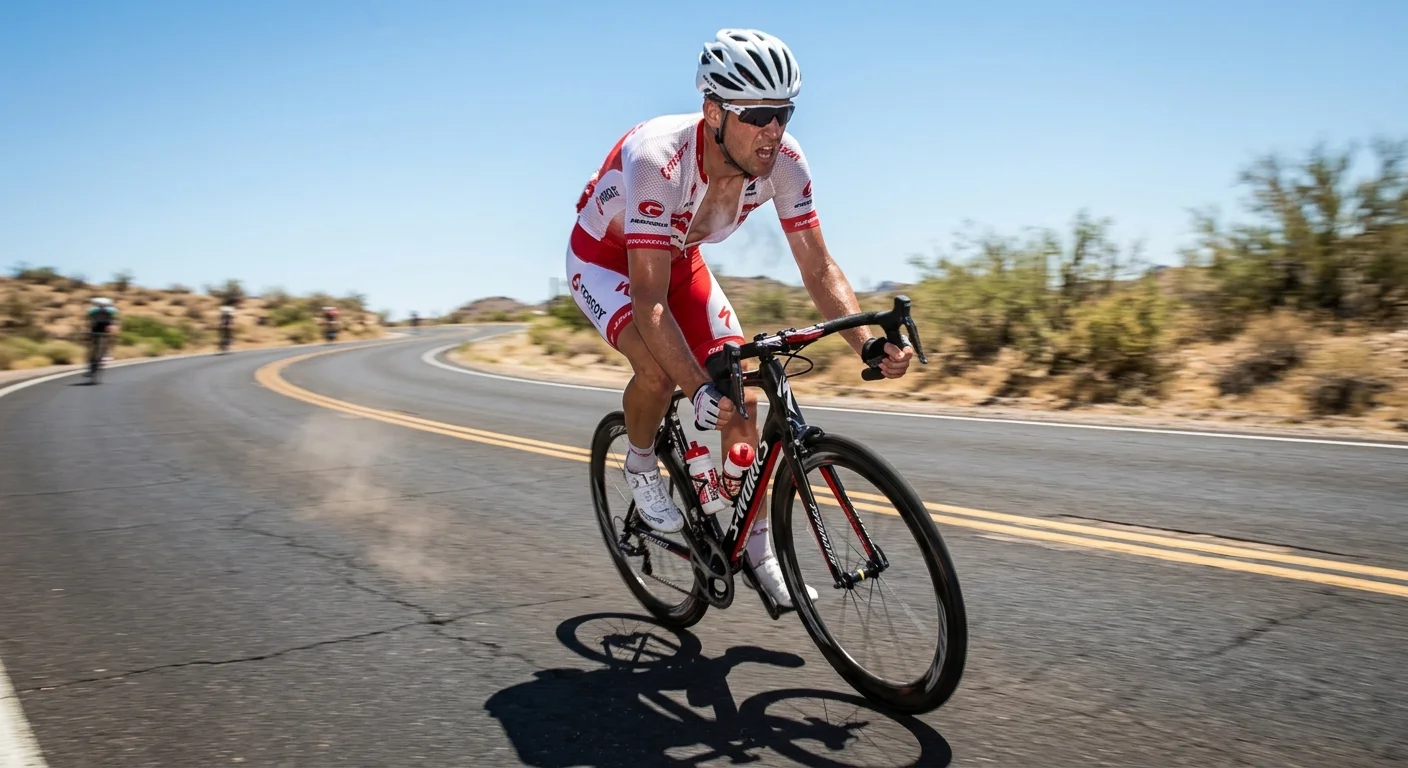
Best For: Hot-Weather Road Riding and Summer Training in Dry-to-Moderate Heat | Price: $140 | Weight: 138 g (size S)
138 grams. That's Giro's lightest jersey yet. On a 38°C day, every gram you're not wearing is a degree you're not feeling.
The Chrono Elite is Giro's top-end summer road jersey. It's built around one core idea: strip out everything that traps heat, keep everything that supports performance. This jersey targets your hottest riding days. It makes clear trade-offs to do that — and doesn't shy away from them.
Here's what that engineering looks like in real riding conditions.
Ventilation Architecture: Three Systems Working Together
Most jerseys add a mesh panel or two and call it breathable. The Chrono Elite takes a more structured approach to airflow:
Full mesh back panel — the largest heat-release zone on any jersey. Giro goes fully open here. Full mesh, not partial.
Mesh side panels — these hit the side heat zones that most riders don't notice until they're already soaked through
Laser-cut sleeve openings — clean edges, no binding, direct airflow right at the arm
Three ventilation zones working together makes a real difference in long, hot rides. On dry desert-style roads at 37–38°C, that full mesh back moves serious heat when you're pushing speed. Among jerseys in the $140 range, this is one of the most open back constructions you'll find.
UPF 50+ protection covers the full jersey. That's one of the stronger sun-protection ratings in this category — and a real edge over the Rapha and Castelli options compared here.
The Recycled Fabric Question
The Chrono Elite uses Giro's Renew Series recycled materials — a 90% recycled nylon / 10% elastane blend. Giro frames this as a sustainability choice, and that's fair. But the fabric also has a direct effect on your skin during a 38°C ride. Recycled nylon at this weight moves and stretches freely. You don't get the stiffness that can show up in heavier recycled polyester blends.
The fit is close to the body. It's built for an aggressive road position, but it stops short of a compressive aero race cut. Riders coming from the Rapha Pro Team's Euro race proportions may find the Giro more comfortable over longer distances. You give up very little airflow to get that extra comfort.
Who Should Buy This (And Who Shouldn't)
Metric | Detail |
|---|---|
Price | $140 |
Weight | 138 g (size S) |
Fabric | 90% recycled nylon / 10% elastane |
Ventilation | Full mesh back + mesh side panels + laser-cut sleeves |
UV Protection | UPF 50+ |
Fit Style | Formfitting performance (not aero compression) |
Sustainability | Renew Series recycled materials |
Buy the Giro Chrono Elite if you:
- Ride in sustained dry heat above 36°C and want the best back-panel ventilation at the $140 price point
- Want UPF 50+ UV protection cycling jersey coverage without giving up the open-mesh build
- Care about recycled fabric content and want it to perform on the road — not just show up on a hangtag
- Prefer a close-fitting but non-compressive ultralight cycling top for full-day summer road rides
Skip it if you:
- Ride mostly in high-humidity coastal conditions — the full mesh back works best in dry heat. In 80%+ humidity, the evaporative cooling benefit shrinks across all jerseys
- Need a pure aero time-trial fit — the Chrono Elite is a performance jersey, not a skin-suit replacement
- Require a zippered valuables pocket — check the pocket layout before you buy
Bottom Line
At $140, the Giro Chrono Elite sits between the Castelli Espresso ($129.99) and the Rapha Pro Team Lightweight ($190). It earns that middle spot on merit. You get more aggressive open-back ventilation than the Castelli. The fit is more accessible than the Rapha's Euro race cut. Plus, the UPF 50+ rating beats both. The recycled nylon construction is a real performance fabric decision — not a greenwashing line on a spec sheet. Your hottest summer rides on open dry roads? The Chrono Elite deserves a spot on your shortlist as the most ventilated mesh cycling jersey at this price.
Ventilation Features Compared: Mesh Panels, Full Zip, Sleeve Cut
Every jersey in this test uses a different ventilation strategy — here's how the four approaches stack up, pulled straight from the specs above.
Jersey | Ventilation Approach | Zip Style |
|---|---|---|
Albion All-Road Lightweight | Balanced all-purpose build, not a dedicated mesh-heavy design | Full-length YKK® Vislon® |
Castelli Espresso | Unified Air_O Stretch fabric across the whole jersey, rather than separate mesh zones | Full-length front zip |
Rapha Pro Team Lightweight | Two-fabric system — ~120gsm perforated open-mesh front panels for airflow, denser fabric elsewhere | Full-length front zip |
Giro Chrono Elite | Three-system ventilation architecture combining multiple mesh zones | Full-length front zip |
The pattern across all four: a full-length zip is the universal heat-dump control on hot days — crack it open on climbs, close it on descents — while mesh strategy is where the jerseys actually diverge, from Castelli's unified fabric bet to Giro's multi-zone mesh approach.
Sourcing your own summer team kit? See our Custom Cycling Jerseys Manufacturer line, or our Cycling Jersey GSM & Fabric Weight guide to spec your own hot-weather fabric.
Conclusion
Hundreds of kilometers across baking asphalt and humid coastal roads taught me one clear lesson: the wrong jersey doesn't just make you uncomfortable — it slows you down and puts your body under real stress.
Here's what 2026 testing proved: fabric technology matters more than brand logos. No single cycling jersey for hot weather wins in every condition. The Castelli Espresso dominates dry heat. Rapha's Pro Team Lightweight earns its price tag in humid punishment. And Runcyclingapparel.com outperforms jerseys costing twice as much on the daily grind — without making noise about it.
Stop guessing. Match your jersey to your specific environment. Temperature, humidity, distance — the comparison table above covers all of it.
Your next move : Identify your worst riding condition. Dry heat or humid suffocation? Lock in your budget. Then go back to the "Best For" labels. You already have the data.
The heat isn't going anywhere. Your decision is the one variable left.