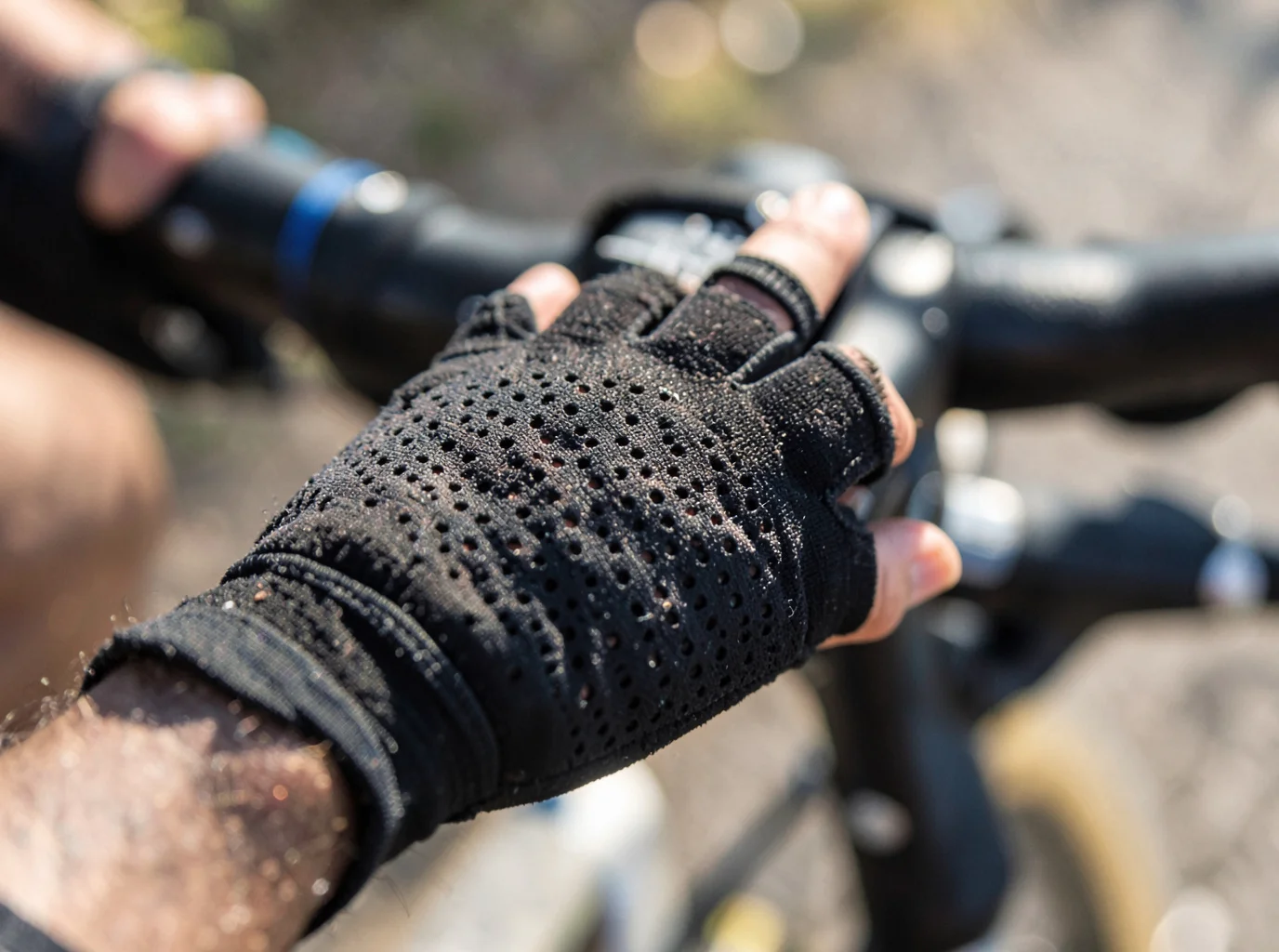
Your socks are soaked before you're even five minutes into the ride, or your overshoes are trapping so much heat that your feet feel worse than if you'd just accepted the puddles. Sound familiar? If you've cycled through more than one rainy season, you've probably already tried both waterproof socks and cycling overshoes—and you're still not sure which one actually earns a permanent spot in your gear bag.
There isn't one correct answer, but there is a correct answer for your specific rides. Brands can develop custom waterproof cycling socks for specific climate and fit needs.A 20-minute commute through drizzle demands something completely different from a three-hour ride through steady rain. This breakdown skips the marketing claims and gets into what actually happens to your feet—minute by minute, mile by mile—so you can stop guessing and start riding dry.
Short Commutes and Frequent Showers: Waterproof Socks Usually Offer the Better Trade-Off
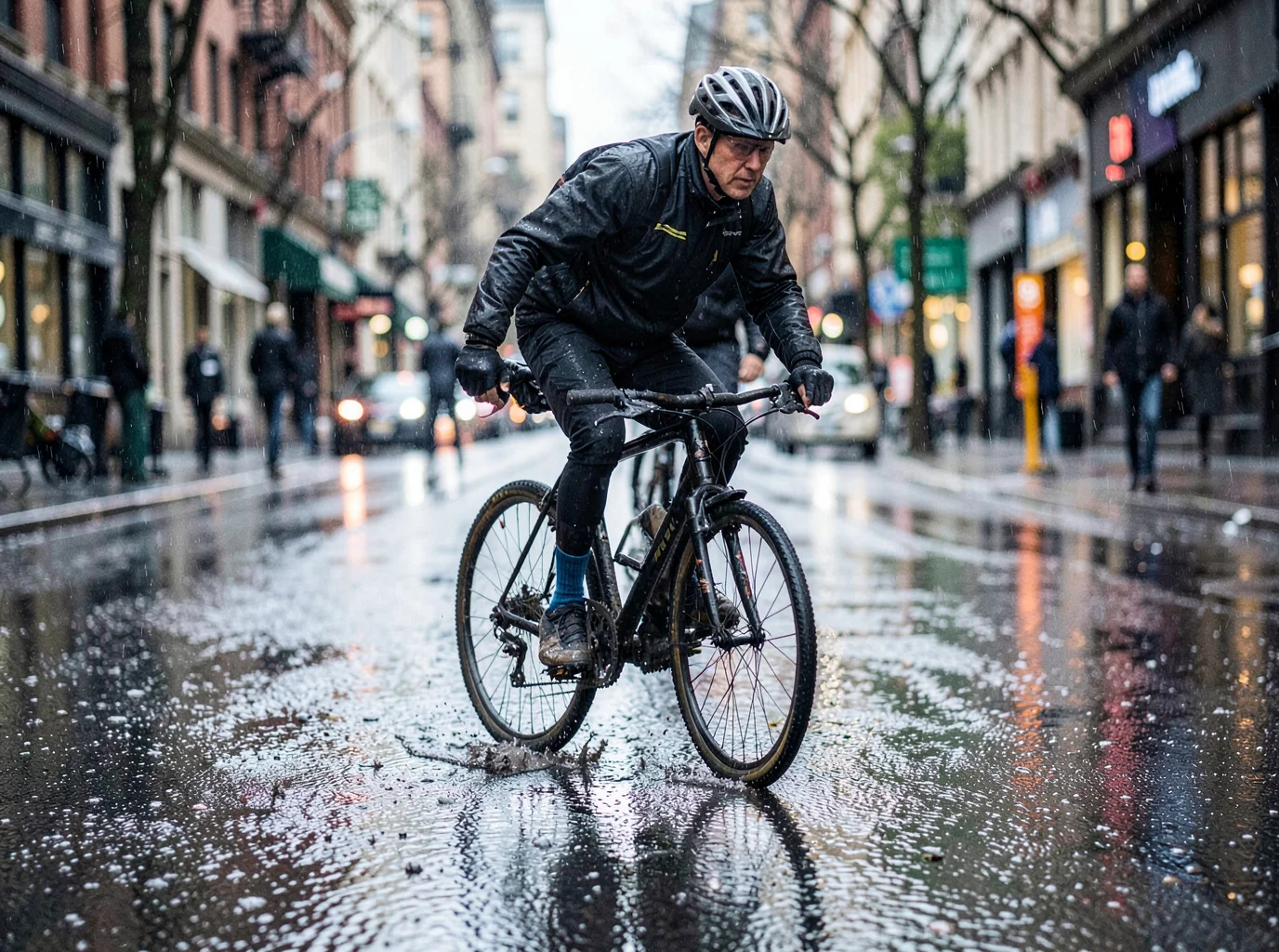
For the daily commuter dodging puddles between home and office, waterproof socks win on nearly every practical measure. No swapping shoes, no fumbling with straps at a red light. Pull them on and go. Most street-ready pairs run $30–$55 , with a few premium options creeping up to $74.99 AUD . That's a fraction of what you'd spend replacing shoes ruined by repeated soakings.
The construction explains why these work so well for quick, wet rides. Nearly all breathable waterproof socks use a 3-layer build : a nylon/elastane outer shell, a waterproof membrane in the middle, and an inner liner made from merino, bamboo, Coolmax, or polyester. That middle membrane is the actual moisture barrier; the rest is comfort engineering.
For commuters, breathability is where this category earns its keep. Real-world vapor transmission rates typically land between 7,000 and 15,000 g/m²/day , with standout models like the DexShell Longlite 2.0 hitting 15,000 g/m²/day . That's the difference between arriving at work with clammy feet versus dry, comfortable ones.
A few worth knowing:
Showers Pass Crosspoint (~$30). Coolmax FX liner, excellent airflow for warmer commutes.
DexShell Waterproof (~$25–$45). Porelle membrane, merino or Coolmax liner, solid all-rounder.
SealSkinz Dunton Hydrostop (~$42). Merino/acrylic blend, consistently praised in reviews for comfort during frequent showers.
Bridgedale StormSock (~$45–$55). HydroTech membrane rated above 8,000mm, 60% merino inner.
The comfort sweet spot sits around 35–70°F . A custom wholesale price for waterproof cycling socks can support larger retail programs.Push past 55–60°F in the thicker cold-weather versions, and they start feeling stuffy. Keep that in mind if your commute spans seasons.
Cycling Overshoes Are the More Reliable Barrier for Long-Distance Rain Rides
Three hours into a steady downpour, the equation changes completely. This is where cycling overshoes earn their keep, and the construction tells you why.
Two main approaches dominate the market: neoprene and membrane-based builds. Neoprene overshoes, typically 2mm to 4mm thick, act as a physical barrier that blocks splash and rain outright. Membrane overshoes trade some of that bulk for breathability, using waterproof-breathable layers similar to what you'd find in a rain jacket.
Castelli 's Diluvio Pro sets the benchmark with a 3mm neoprene body built for sustained rain, comfortable in 38–55°F (3–13°C) wet conditions. If your rides run colder, the Pearl Izumi Pro WxB pairs a membrane with thermal lining for 25–40°F (-4–4°C) winter riding. On the lighter end, the Showers Pass Crosspoint swaps neoprene for an Artex waterproof breathable membrane, staying comfortable across 40–65°F (4–18°C), useful if your long ride starts cool and warms up.
No overshoe is 100% waterproof, regardless of what the label says. Over hours of rain, internally taped seams, waterproof zips, reinforced toes and heels, and a high ankle cuff that keeps runoff from sneaking in at the top separate a good pair from a mediocre one. One neoprene model even adds Kevlar reinforcement at the toe cap and heel, with 4.5mm thickness at the toe for extra insulation and abrasion resistance during long grinds.
Expect €20–€55 on standard listings, with branded performance pairs (Castelli, Endura , Shimano) running £35–£75. For rides pushing past the 90-minute mark in real rain, that price gap over waterproof socks is the cost of staying functional.Bulk cycling overshoes are useful for team and club orders.
Drizzle, Downpours, and All-Day Rain: Match the Protection to Weather Intensity
Match the Protection to Weather Intensity for Drizzle, Downpours, and All-Day Rain
Rain isn't one thing. A five-minute drizzle and a two-hour downpour put completely different demands on your gear. The number that tells you what's happening is hydrostatic head (HH) – the water column a fabric can withstand before it leaks. Higher mm means more protection. Both waterproof sock and overshoe brands bury this spec in the fine print, but it's the one that predicts how your ride goes.
0–5,000 mm : fine for drizzle, light urban showers. One tested guide found gear rated at 5,000 mm failing in steady rain within 30–45 minutes.
6,000–10,000 mm : covers light-to-moderate rain. This is the commonly cited minimum for everyday wet-weather commuting.
11,000–15,000 mm : needed once rain turns steady or sustained.
16,000–20,000 mm : built for heavy rain, plus the added pressure from wet fabric pressing against your foot or straps.
20,000 mm+ : reserved for storms, wind-driven rain, all-day exposure.
If your ride is short and the sky's spitting, low-mm gear is enough. No need to overspend on storm-rated waterproofing. But once you're looking at sustained or heavy rain, taped seams stop being optional. Untaped seams leak regardless of the fabric's HH rating. And the longer you're out in it, the more breathability matters. A reliable cycling overshoes vendor can provide consistent seasonal supply.High-HH gear that can't vent moisture traps sweat instead of rain, leaving your feet damp either way.
High-Intensity Riding: Breathable Waterproof Socks Reduce Heat and Sweat Buildup
Push hard on a climb and your feet generate heat fast — rain or no rain. This is where the membrane material inside your waterproof socks matters. Most rely on PU (polyurethane) , Aquasealz™ , or Porelle membranes, all designed to be hydrophilic or micro-porous enough to let sweat vapor escape while blocking liquid water from getting in.
What the numbers mean for hard efforts:
5,000–8,000 g/m²/24h : fine for casual or cool-weather riding, but undersized for anything aerobic.
10,000+ g/m²/24h : the real threshold for sustained hard riding.
12,000–15,000+ g/m²/24h : the stronger benchmark if you're regularly out sweating hard in wet conditions.
The Sealskinz Thorpe Waterproof Mid Length Riding Sock uses Aquasealz™ tech with a bamboo fiber inner and claims 100% waterproof plus high breathability. Muc-Off's version pairs 8,000mm HH with 12,000 g/m²/24h. The Rynox H2GO Evo pushes past 20,000mm HH with a bamboo-nylon lining.
But lab-rated MVTR numbers rarely hold up mid-ride. Real-world breathability often runs 30–60% lower once sweat output exceeds what the membrane can move, especially in warm, humid conditions.
Road Shoes, Mountain-Bike Shoes, and Commuter Shoes Change the Result
The shoe underneath your rain gear matters as much as the gear itself. Road shoes, mountain-bike shoes, and commuter shoes each pull the sock-versus-overshoe decision in a different direction.
Road shoes are built for pedaling efficiency. They have stiff carbon soles rated 10–12 on the stiffness scale, minimal tread, and three-bolt cleats. Weight sits around 220–320 grams per shoe. That stiffness matters because flexible soles absorb 5–15% of your pedal force, so racers stick with the stiffest option available. But three-bolt cleats sit exposed on the sole, which means overshoes need a cleat cutout that lines up perfectly, or you're walking on wet pavement in cleated shoes at every red light.
Mountain-bike shoes flip that setup. Two-bolt SPD-style cleats sit recessed into the sole, so you can actually walk—through mud, across a gas station, into a coffee shop—without feeling like you're on stilts. This is why MTB-style shoes show up so often in commuter cycling rain protection setups. Recessed cleats pair better with both waterproof socks and overshoes since there's no exposed cleat plate catching water or wearing through the fabric.
Commuter shoes land in the middle. They have nylon soles, stiffness around 6–8, and are built for off-bike movement as much as on-bike efficiency. For anyone doing stop-start city riding, a 2-bolt recessed-cleat commuter shoe is the standard practical pairing, especially when layering waterproof socks underneath for quick transitions from bike to office.
Waterproof Socks vs Cycling Overshoes: Side-by-Side Test Results and Failure Points
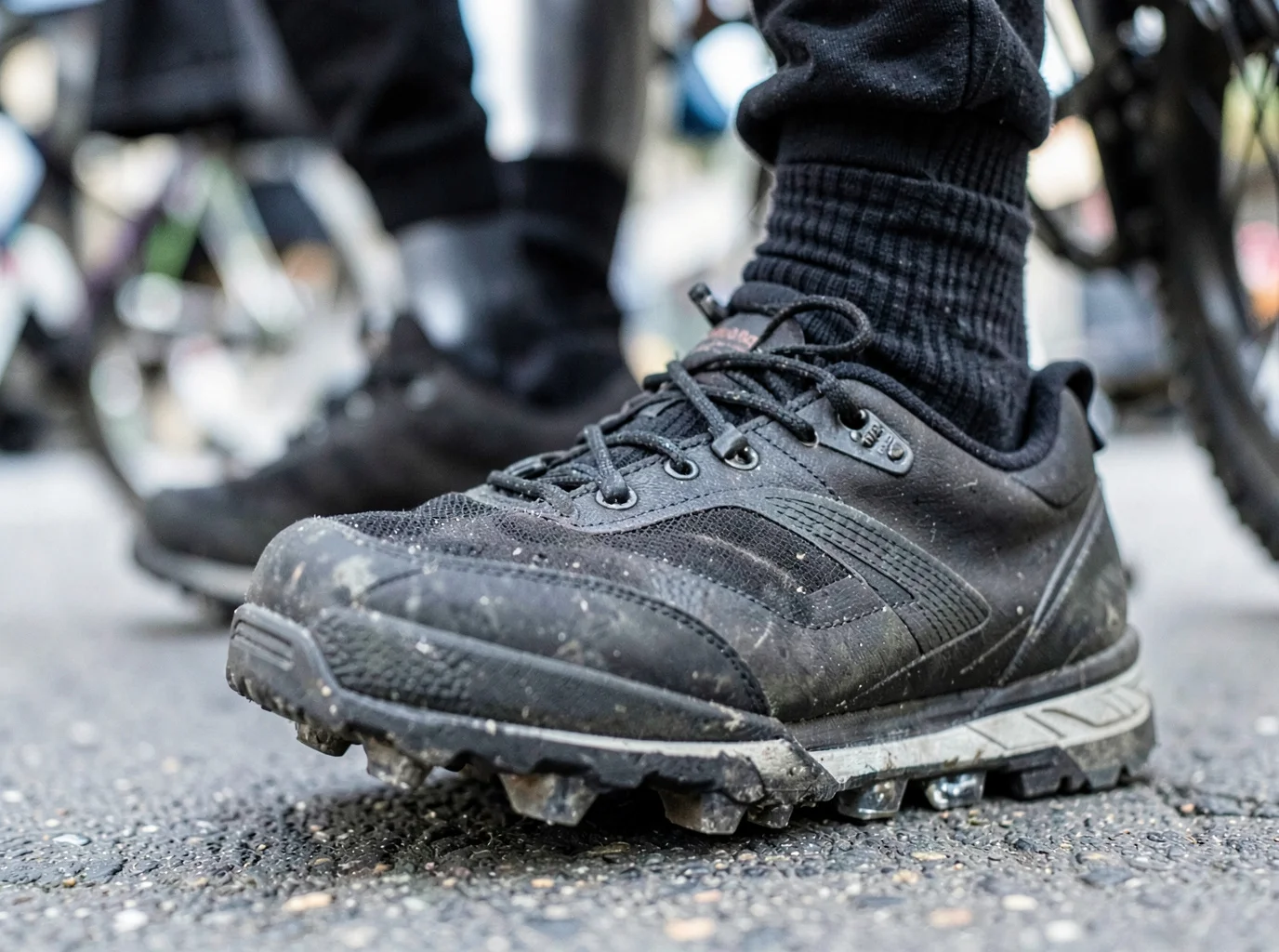
Neither option is bulletproof. That's the finding that keeps showing up once you dig into actual road tests instead of packaging claims. Both waterpfoof socks and cycling overshoes fail, just not where you'd expect. The membrane itself rarely gives out. The seams, openings, and cleat cutouts do.
In head-to-head wet-road testing, overshoes came out ahed on sealing at the shoe's edge and sole. The Endura Freezing Point II overshoes handled hevay rad spray with feet coming out completely dry, shose only slightly damp. That's a strong result. But the same tests that praised overshoes also flagged wealk points: water sneaks in around the leg openings and runs down into tigths, and large cutouts and cleat holles act as entry points when standing water gets deep enough.
Waterproof socks tell a different story. The SeaSkinz Waterproof Cycle Over Sock kept testers warm and dry through what reviewers called "grim conditions," with noticeably less sweatiness than neoprene rivals. But the SeaSkinz Waterproof All Weather Oversock, despite a "100% waterproof" label, still let water in at the toe and top band during light rain, the same failure zones that show up across most oversock reviews. Heavier rain made the toe wetness worse, not better.
Overshoos leak at the openings and cleat area. Socks leak at the toe and ankle band. Neither fails at the membrane. That distinction matters more than any marketing claim about "100% waterproof."
There's also a comfort trade-off buried in the numbers. Neoprene overshoes, at 2–4mm thick, block water and wind effectively but sacrifice breathability. Waterproof socks flip that. They give better airflow, but users describe them as sweaty when it isn't even raining, and less breathable once you're in a full deluge.
Price doesn't settle it either. One waterproof sock reviewed at £32.50 — close enough to overshoe pricing that reviewers questioned whether socks were worth choosing over overshoes for pure warmth-in-deluge performance. Another pair ran $71 CAD with a lifetime guarantee, shifting the calculation toward long-term value rather than upfront cost.
For standard rain and road spray, well-built overshoes deliver the driest feet. For lighter wet weather where breathability matters more, waterproof socks pull ahead.
Cost, Preparation Time, and Seasonal Value Decide the Better Investment
Gear that sits in a drawer half the year isn't a good investment, no matter how well it performed in one storm. Staying consistently equipped beats trying to time a single "perfect" purchase around one bad ride.
Seasonal buying windows matter here too. Cycling rain gear runs cheaper in the shoulder months, before autumn rain hits and demand spikes. It's the same kind of predictable slow period that retail and finance see. Buy your cycling rain gear in late summer, not mid-downpour in November, and you'll dodge the markup that comes with panic-buying.
Preparation time is the other half of the equation. Waterproof socks need zero setup, just pull and ride. Overshoes need a few practice runs to nail cleat alignment and cuff fit before a real ride depends on it. Budget 10–15 minutes across two or three dry-weather trials.
For year-round riders, cost-per-wear settles it. A $45 pair of socks used twice weekly through a six-month wet season costs about $0.87 per ride. Overshoes at $60, used the same frequency, land near $1.15. Neither breaks the budget, but frequency of use decides which pays off faster.
If You Are This Type of Rider, Choose This Setup
Every rider fits into one of a handful of patterns. Here's the decision tree.
Daily commuter, under 30 minutes, frequent light showers: Grab breathable waterproof socks . Fast on, fast off, and priced around $30–$55. The Showers Pass Crosspoint or DexShell Waterproof cover this exactly.
Long-distance rider, 90+ minutes, steady or heavy rain: Go with cycling overshoes . The sealed sole and taped seams outlast socks once rain turns sustained. Castelli Diluvio Pro or Pearl Izumi Pro WxB hold up here.
High-output climber or racer sweating hard, rain or not: Stick with waterproof socks rated 10,000+ g/m²/24h . Overshoes trap heat you can't afford mid-effort.
Stop-and-go city rider on 2-bolt cleats: Either works, but socks under commuter shoes win for walkability and quick transitions.
Budget-conscious rider buying once for the season: Socks at $0.87 per ride beat overshoes at $1.15, assuming twice-weekly use through a six-month wet stretch.
Match the setup to your actual ride, not the one you wish you had.
Conclusion
After all that wet-shoe testing, there's no universal winner—just the right tool for your ride. Short, frequent commutes call for breathable waterproof socks; they're faster to pull on and won't leave you swimming in sweat by block three. Long hauls through steady downpours favor cycling overshoes, which held their seal well past the 90-minute mark when socks started wicking water through the seams. High-intensity rides tip the scales back toward socks, since airflow matters more than an extra layer of neoprene once your heart rate climbs.
Stop switching between both out of frustration and start matching gear to your actual riding pattern. Check your typical ride length and rain intensity, then pick accordingly—your feet (and your patience) will thank you. Whichever waterproof cycling gear you choose, test it on a short ride before committing to it for your next all-day soak.A cycling overshoes manufacturer can also adjust materials and construction for different markets.