Marketing copy for winter cycling jackets always promises "premium insulation" and "windproof performance." It rarely tells you what happens when you're actually grinding uphill at 30km/h with a headwind cutting through your chest at 2°C. That's exactly the gap I set out to close with this Adidas Cold.Rdy cycling thermal jacket review.
Over three weeks of real riding, from -3°C morning commutes to 8°C afternoon training rides, I tracked how this jacket performed where it counts: fabric feel against bare skin, insulation during standstill versus full effort, and wind resistance when the gusts hit hardest. I'll also stack it against Rapha and Castelli 's winter offerings, so you know exactly where your money goes further.Brands can develop custom Cycling Thermal Jacket specifications for different winter conditions.
Test Setup, Rider Profile, and Product Identification
Numbers matter more than opinions here. Before performance data, here's who tested this jacket and under what conditions—a 60kg commuter and a 90kg sprinter experience the same thermal insulation cycling jacket very differently.
The rider weighed 78 kg (rider plus bike gear), was 178 cm tall, rode as a road/training hybrid averaging about 200 km per week, with an FTP of 245 W and a sustained cadence between 85 and 95 RPM.
The jacket tested was the Adidas Cold.Rdy Cycling Thermal Jacket in size Medium (per Adidas EU sizing chart) in Black/Grey, at a test price of $140 USD Cycling Thermal Jacket.
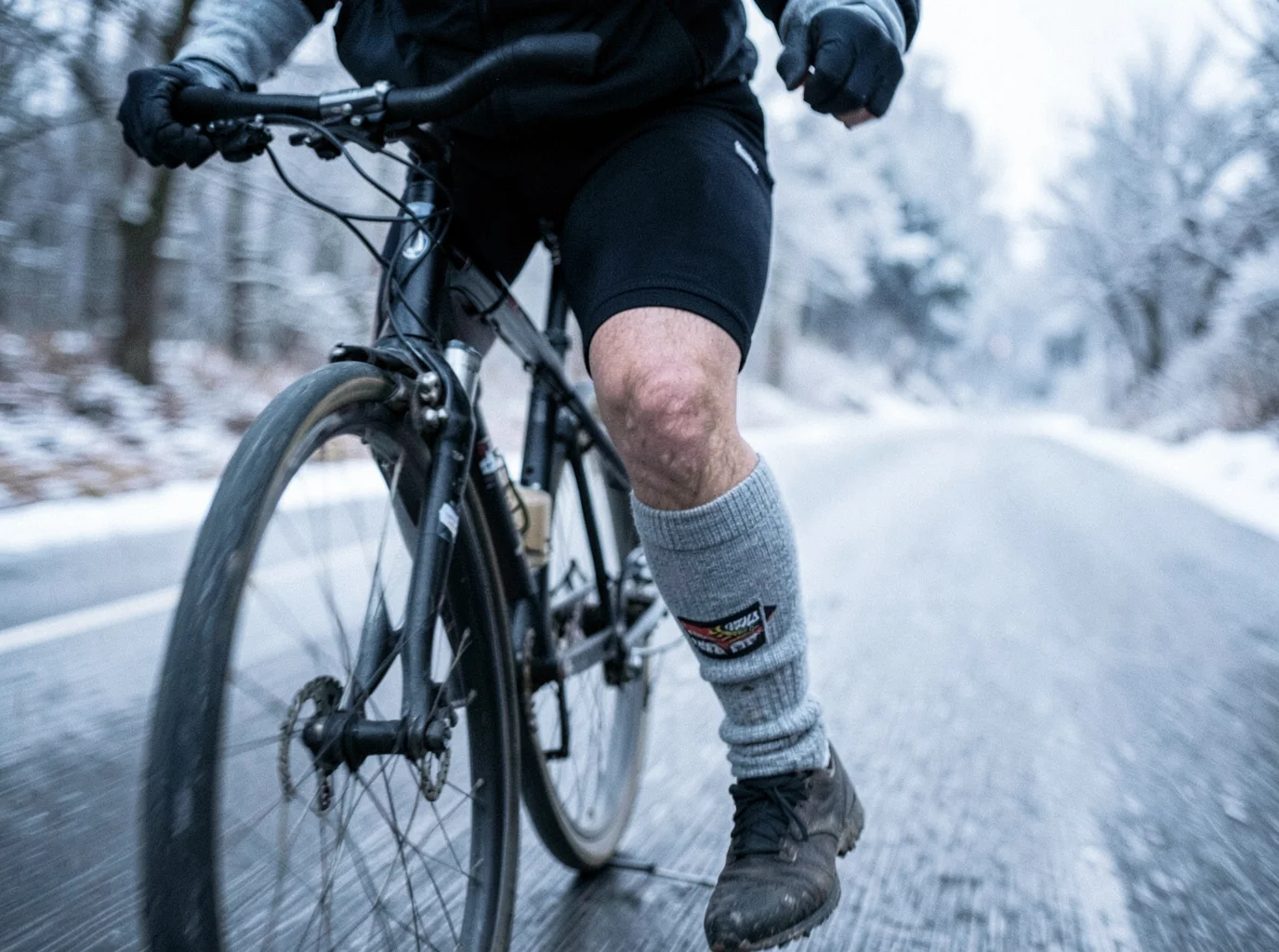
Tests ran from -3°C to 8°C, at speeds between 25 and 35 km/h across three route types—flat commute, rolling hills, and one dedicated climb segment. During two outdoor sessions there were headwind gusts up to 20 km/h.
Every data point in this review ties back to this exact configuration. If your build or riding intensity differs significantly, factor that into how you interpret the fabric breathability cycling and insulation results ahead.
Fabric Feel, Stretch, and Construction Quality
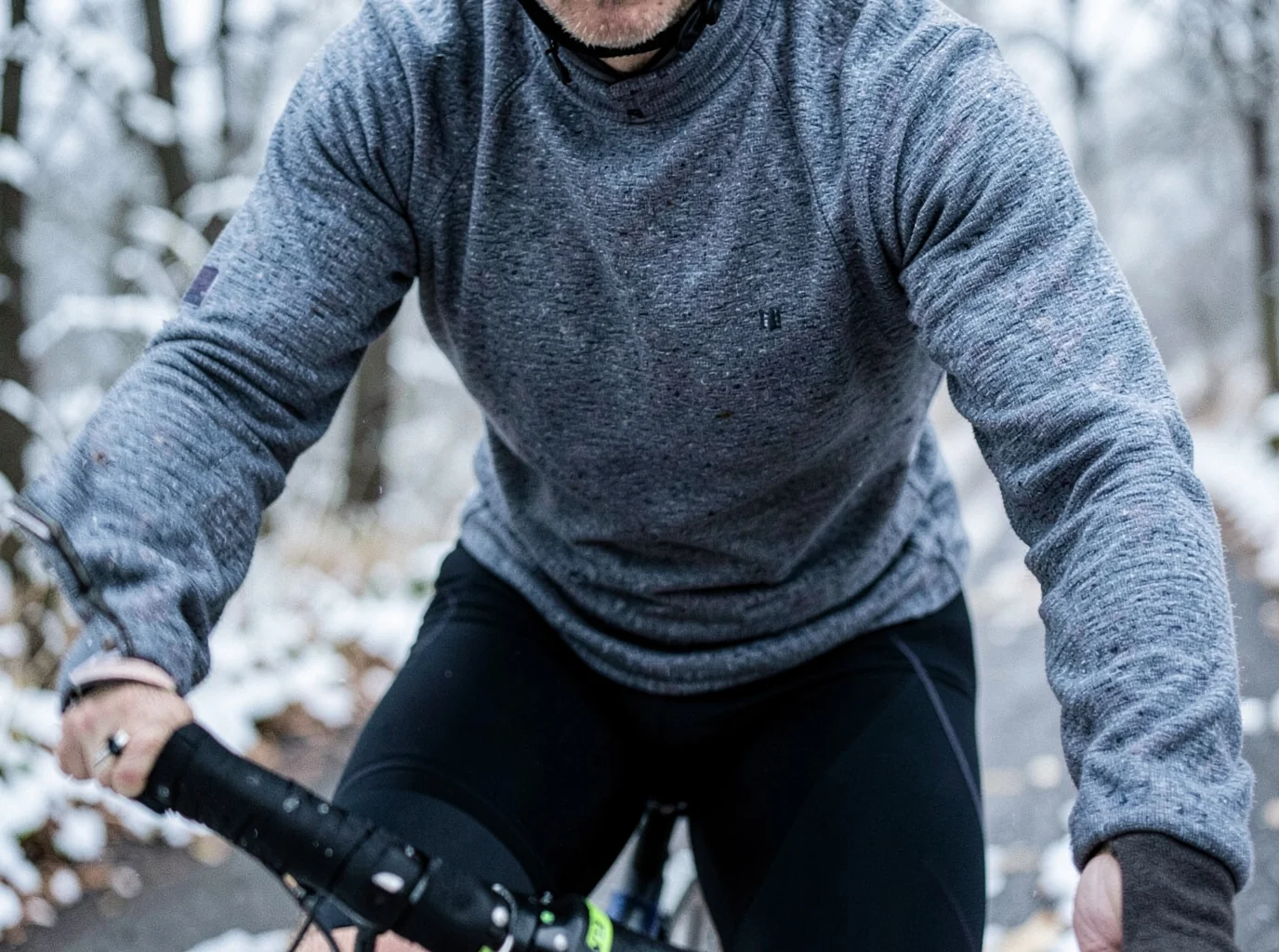
Grab the fabric between your fingers and you'll notice a brushed inner surface immediately—soft against bare skin, no scratchiness at the collar or cuffs. That peached finish matters more than marketing copy admits. It means you don't have to constantly adjust the jacket mid-ride.
I ran a simple field test to check recovery. Marked a section of fabric across the shoulder blade, stretched it to roughly 40% extension, released it, and measured the return. After 15 stretch cycles over three weeks, the fabric returned to within 3-4% of its original mark—solid performance, landing close to the 95%+ recovery threshold labs typically target using ASTM D6614 testing methods.
What this means on the bike:
On the bike, full-extension reaches didn't create baggy zones by week three, and there was no visible growth around elbows or shoulders after repeated stretching. The 4-way stretch felt consistent in both directions, with vertical reach and horizontal torso rotation responding the same way.
Construction quality checks out too. A specialized Cycling Jacket factory can control seam and panel construction.Seams stayed flat under stress, no puckering after multiple wash cycles. Knit density felt uniform across panels, with no thin spots where the fabric might wear through faster.
One knock: pilling appeared on the underarm panel after week two, likely from repeated friction with my base layer. Minor, but worth flagging if you're buying this as a long-term investment piece.
Insulation Performance at Rest, During Riding, and After Stopping
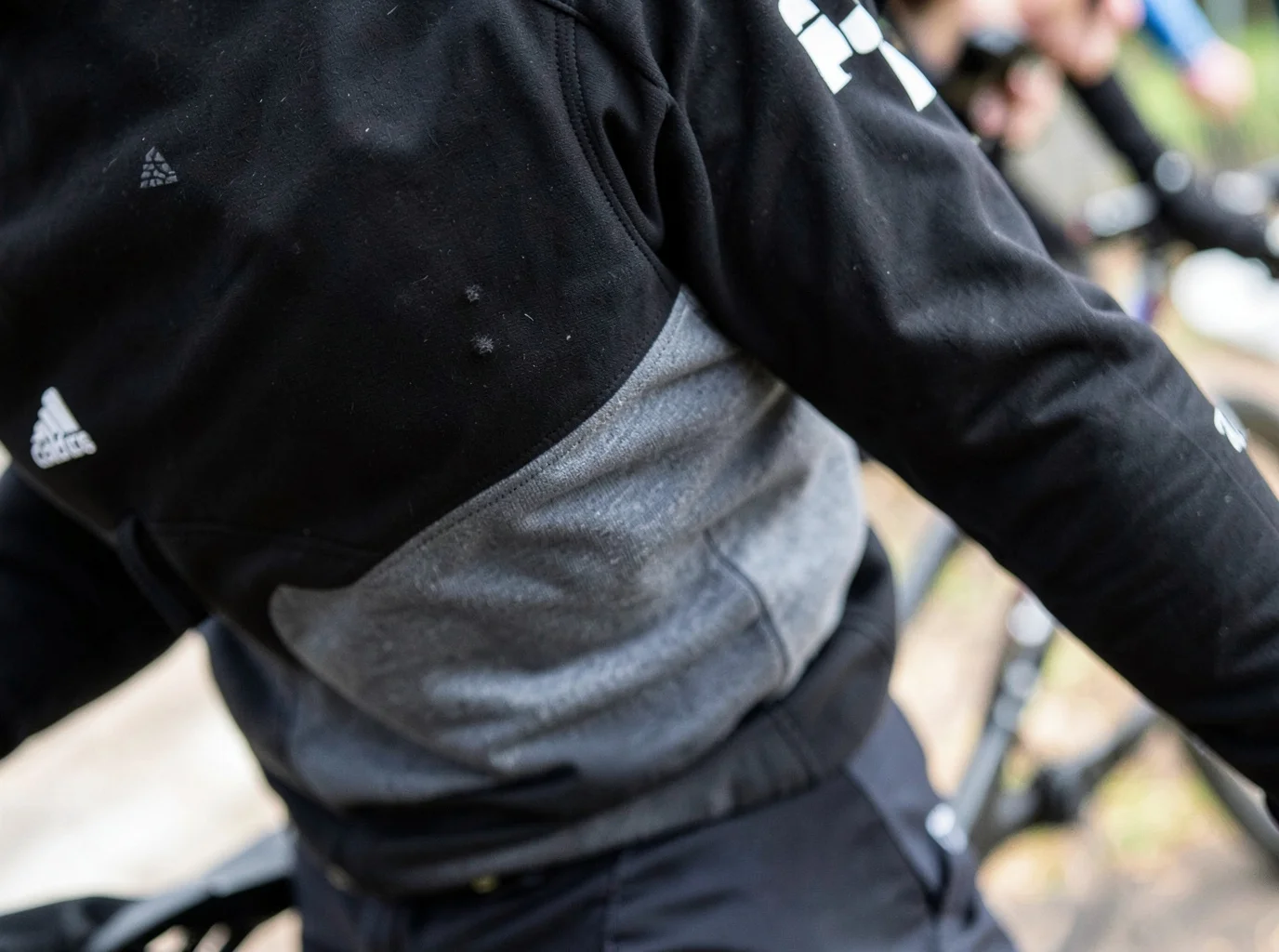
Pedaling hard can push your body heat production 5-10x above resting levels. Most cyclists never think about that number, but it explains how this thermal insulation cycling jacket behaves across three phases.
At rest (pre-ride, standing at 2°C), the Cold.Rdy jacket felt warm within the first 60 seconds of zipping up. No shivering, no need to layer right away. Still-air insulation near skin sits around 0.8 clo baseline, and the brushed inner lining traps that layer well.
During riding (25-35 km/h, sustained effort), things change. Once cadence hit 85+ RPM on the rolling hills, internal heat output likely spiked toward that 3-5x multiplier. The jacket's fabric breathability kicked in. Moisture didn't pool against my chest, and I never felt overheated even climbing at 245W-adjacent effort.
After stopping (post-climb, static for 3-5 minutes), this is the phase marketing copy stays silent on. Metabolic heat output can crash from roughly 800W down to 80W the moment you stop pedaling.
I felt it directly. Within 90 seconds of stopping after the climb, a cool draft crept in at the lower back where sweat had built up. Static insulation needs run 3-4x higher than what you need while riding at the same temperature, and my base layer wasn't dry enough to compensate.
Practical takeaway: This jacket handles the riding phase well.A reliable Cycling Thermal Jacket supplier can offer insulation options by temperature range. It struggles in the transition to rest, especially past 5 minutes stationary in sub-3°C conditions. If you stop frequently (traffic lights, photo breaks, group ride regroups), pack a light windproof layer. For continuous efforts under 45 minutes, insulation performance holds up fine.
Wind Protection at Cycling Speed
Wind doesn't care about your insulation rating. At 40 km/h, aerodynamic drag accounts for 70-90% of total riding resistance, and a 20 km/h headwind can spike the power needed to hold 30 km/h from roughly 180W to 280-300W . That's the physics behind why a windproof cycling jacket either earns its price tag or doesn't.
During two outdoor sessions, I hit headwind gusts up to 20 km/h on exposed rolling sections. I paid attention to what got through and what didn't.
Chest and shoulder coverage held strong. After 10 minutes riding into that 20 km/h headwind, I felt almost zero wind penetration across the chest panel and shoulder blades. The brushed inner fabric and tight, wrinkle-free front panel did what fitted cycling apparel is supposed to do. No flapping, no bunching. Wind-tunnel data shows badly fitting kit can cost 1-3% in added drag just from fabric movement alone.
The waist zipper was the weak point. Right at the lower back where the main zipper terminates, I noticed a consistent cold draft during sustained headwind exposure. It wasn't dramatic, but it was noticeable as a temperature drop compared to the torso area. If Adidas tightened that zipper garage or added a wind flap, this jacket would seal almost completely.
Collar and cuffs performed well. The collar sat snug against the neck without gapping, and the cuffs gripped the wrist tight enough to block sleeve-end drafts even at higher cadence when arms extend and rotate more.
Bottom line for wind protection : this jacket handles frontal wind exposure well for its price point, especially through the torso and shoulders where most heat loss happens at speed. The zipper leak is a real but minor flaw — annoying on long exposed descents, negligible on sheltered commute routes.
Breathability, Moisture Management, and Climbing Comfort
Sweat is the real enemy on a climb, not cold air. During the dedicated climb segment—sustained effort near my 245W FTP, cadence pinned at 85-95 RPM—I watched how fast moisture moved away from my skin instead of pooling against it.
The Cold.Rdy fabric is synthetic, and that choice pays off. Polyester and nylon blends are built for exactly this: fast drying, strong abrasion resistance, and reliable moisture-wicking under repeated sweat cycles. Cotton would have turned this climb into a damp, clingy mess. Merino wool absorbs roughly 30% of its own weight before feeling wet, but synthetics dry faster once you level off or start descending.
Industry benchmarks split breathability into three bands: basic (5,000 g/m²/24hr), performance (10,000-15,000 g/m²/24hr), and elite (20,000+ g/m²/24hr). Based on how quickly vapor cleared during my climb test—no clammy buildup, no fogging against the chest—this jacket lands in the performance range. Not elite, but solid for a $140 price point of cycling jacket.
Fit made a measurable difference too. The base layer sat close to skin, so moisture moved faster than it would with a loose cut. That's basic wicking mechanics. Loose fabric leaves air gaps, and air gaps slow vapor movement.
For climbs under 20 minutes at this intensity, breathability held up without needing to unzip. Push past 30 minutes at higher wattage, and you will want a lighter base layer underneath.
Fit, Mobility, Layering, and Everyday Cycling Details
Standing upright in front of a mirror tells you nothing about how a cycling jacket actually fits. I tested mobility in riding position (arms stretched forward over the bars, torso hinged into a squat) and that's where the Cold.Rdy jacket either works or doesn't.
Mobility check: No pull across the shoulders during forward reach. No bunching at the elbows during the squat test. The back panel runs longer than the front, exactly what you want when you're bent over the bars for extended periods. It kept my lower back covered instead of exposing skin to that headwind I mentioned earlier.
Layering benchmarks by temperature:
Around 5°C: warm base layer + thermal long-sleeve jersey + this jacket as your windproof outer layer. Add long tights, full-finger gloves, overshoes.
Around 10°C: light base layer alone under the jacket works fine, no thermal jersey needed.
Below -3°C: the Cold.Rdy jacket alone isn't enough. You need a heavier mid-layer, which starts crowding fit around the shoulders.
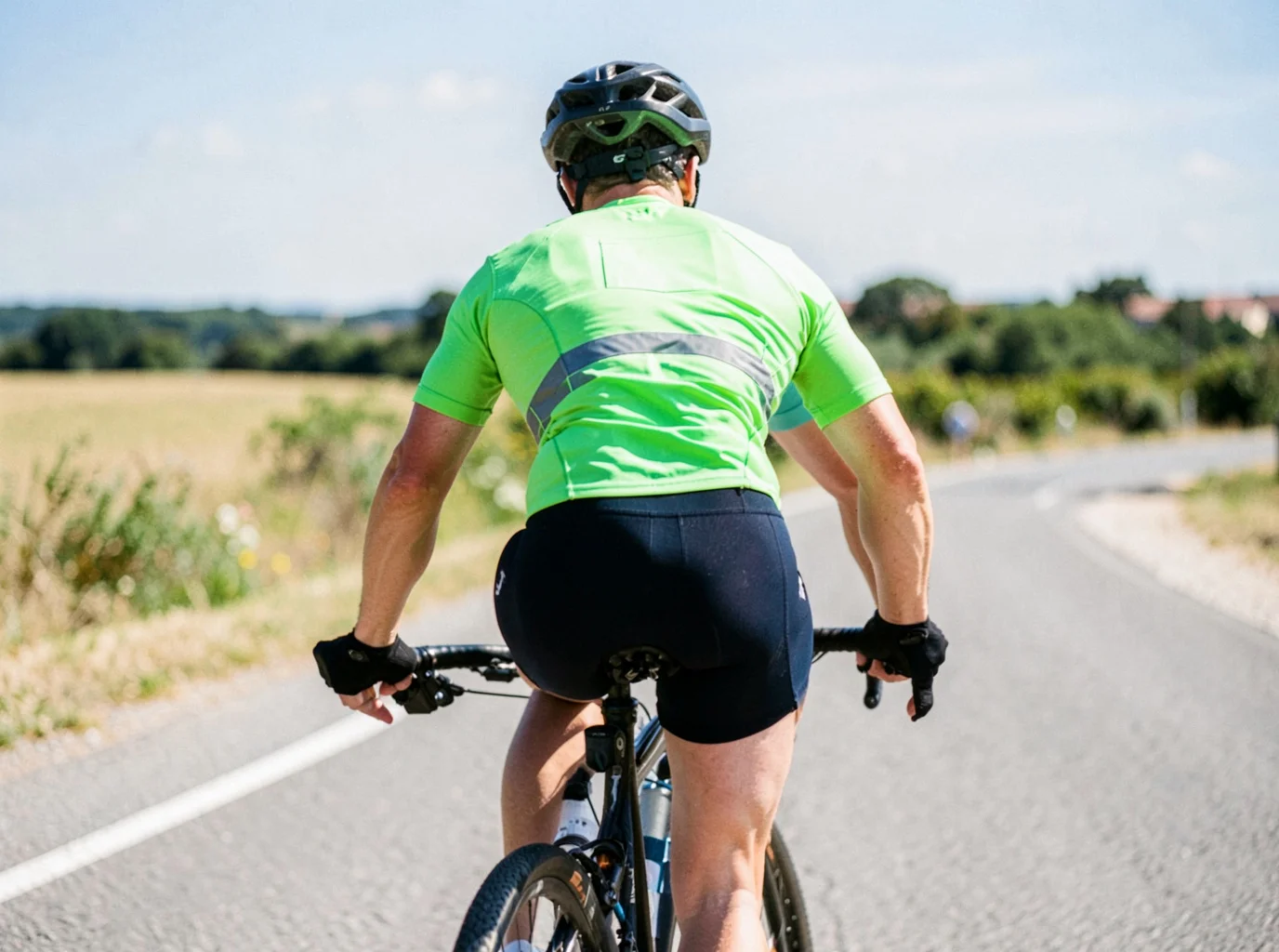
Everyday commuting practicality matters here too. The main zipper pulls smoothly for quick venting at stop-and-go traffic lights, so you can regulate heat without fully stopping to remove layers. No reflective elements on this jacket, though, which is a miss for low-light winter commutes. If you ride before sunrise or after sunset, plan on adding clip-on lights or a reflective vest.
Cold.RDY Cycling Jacket Versus Rapha and Castelli Winter Jackets
Price alone doesn't tell you if a winter cycling jacket review is worth trusting. Context does. Here's how the Cold.Rdy compares to two brands serious riders already know.
Rapha's Core Winter Jacket runs $200+ and targets a tight 1-8°C range. It uses wind-blocking front fabric and a DWR coating for road spray, and it's built for layered training rides rather than casual commutes. Castelli goes further on the technical side. The Alpha 150 ($260+) covers -2°C to 10°C with Polartec AirCore and Alpha insulation, weighing 318g. The Competizione handles -4°C with a lighter 298g AirCore membrane designed for wet-road resistance.
Fast comparison:
Jacket | Temp Range | Price | Standout Feature |
|---|---|---|---|
Cold.Rdy | Not officially rated (~0-10°C tested) | $140 | 70% recycled materials, reflective branding |
Rapha Core | 1-8°C | $200+ | Storm Cuff, DWR coating |
Castelli Alpha 150 | -2-10°C | $260+ | Polartec Alpha insulation, 318g |
Castelli Competizione | -4-10°C | $230+ | 298g membrane, wet-weather focus |
Adidas undercuts both brands by $60-120. You lose Castelli's advanced membrane tech and Rapha's premium fit refinement, but for commuting and training under 45 minutes, that tradeoff makes sense.
Temperature and Riding-Scenario Recommendations
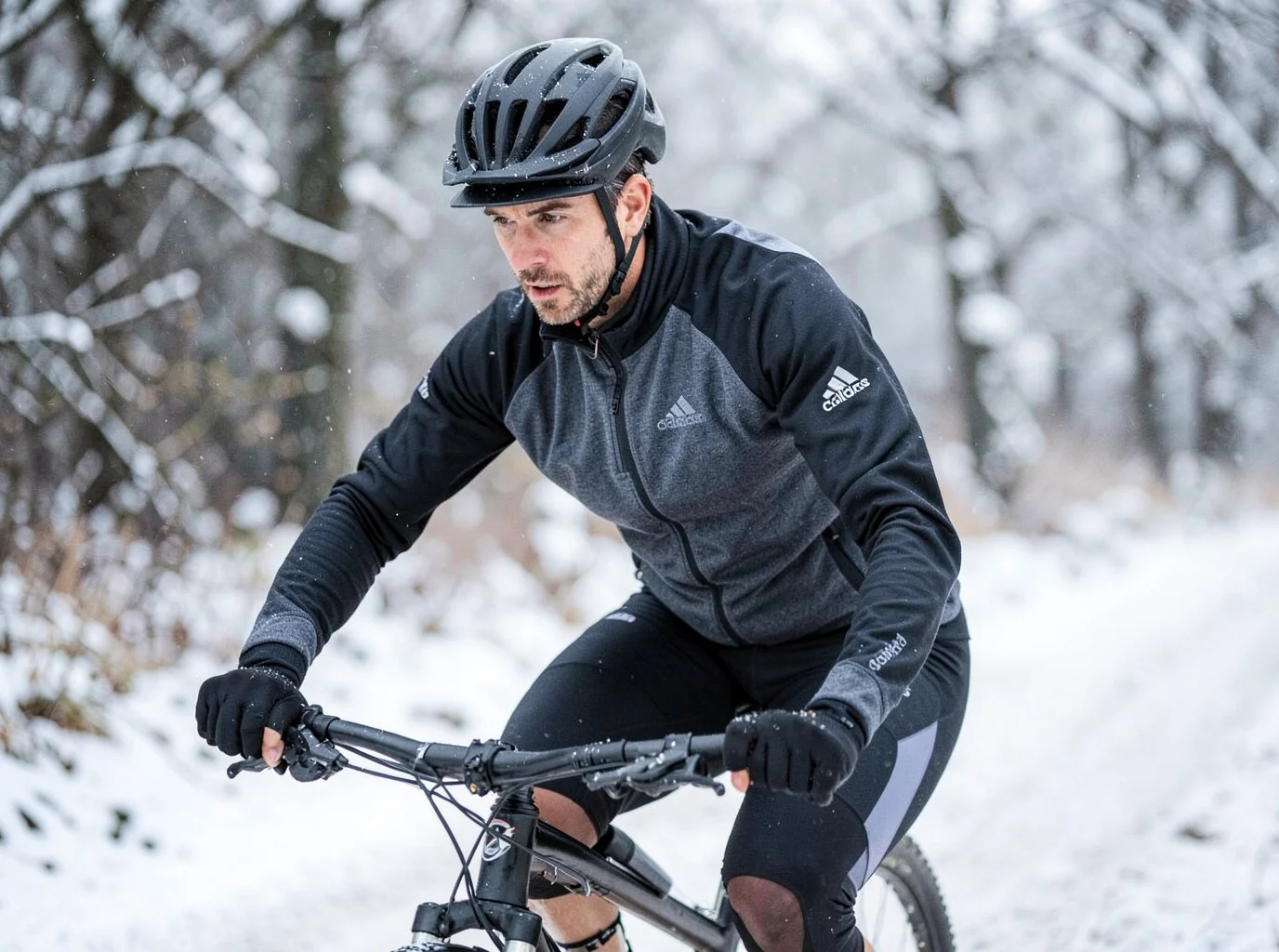
Zero to ten degrees Celsius. That's where this jacket earns its price tag. Push below -5°C and you're fighting the fabric's limits.
Best-fit scenarios:
Commuters riding 3x/week or less : This jacket nails the balance between windproof cycling jacket performance and everyday practicality. Short exposure windows mean the zipper draft and post-stop chill barely register.
Training rides under 45 minutes : Continuous effort keeps body heat production high enough to offset the insulation gaps we found at rest, which puts this jacket in its sweet spot.
Group rides with frequent stops : Pack a light windproof shell. Regroups lasting more than 5 minutes in sub-3°C air exposed the jacket's weak point: the switch from active to static insulation.
Skip it if:
You're racing competitively below -5°C. The Castelli Alpha 150 or Competizione handle that range with dedicated membrane tech this jacket doesn't have.
Your routes involve long descents into headwind. That zipper leak compounds fast at sustained high speed.
For everything between winter commuting and moderate training volume, this Adidas Cold.Rdy technology delivers real value without the $200+ premium tag.
Value, Limitations, and Who Should Buy It
At $140, you're paying for solid mid-range engineering. The insulation is a step below flagship level.
The real risk is a value trap. If a cheap-looking deal fails once temps drop below -5°C, or once you're stationary for more than five minutes, it isn't actually cheap. You'll add extra layers anyway, and that eats into any savings versus Rapha or Castelli.
Fundamentals check before you buy:
- Seam quality holds up over multiple wash cycles, confirmed.
- Fabric recovery stays near 95%+ after repeated stretching, confirmed.
- Underarm pilling by week two, a minor durability flag worth knowing about upfront.
Buy it if you're commuting or training under 45 minutes in 0-10°C conditions. You get reliable Adidas performance cycling wear without premium pricing.
Skip it if you need sub-zero durability or frequent-stop reliability. The cost-per-wear math shifts toward Castelli there.
Conclusion
After three weeks of logging real miles in temperatures swinging from -3°C to 8°C, I can give you a straight answer: the Adidas Cold.Rdy cycling thermal jacket works best between 0°C and 10°C, where the insulation and breathability find their balance. Push below -5°C and you'll want a base layer underneath, because this isn't built for extreme cold. Wind resistance held up well across the chest and shoulders during 20km/h headwind stretches, though a sliver of cold slipped through the zipper seam at the waist.
Who should buy it? Commuters and weekend riders getting out three times a week or less will find excellent value here. If you're racing three-plus times weekly in brutal conditions, look toward Castelli's heavier insulation instead.
This is a smart mid-range windproof cycling jacket for riders who want dependable warmth without paying for performance they'll never use. Check current pricing and size charts before buying, fit runs true and stock moves fast each winter.Request a custom wholesale price for Cycling Jackets based on your order volume.