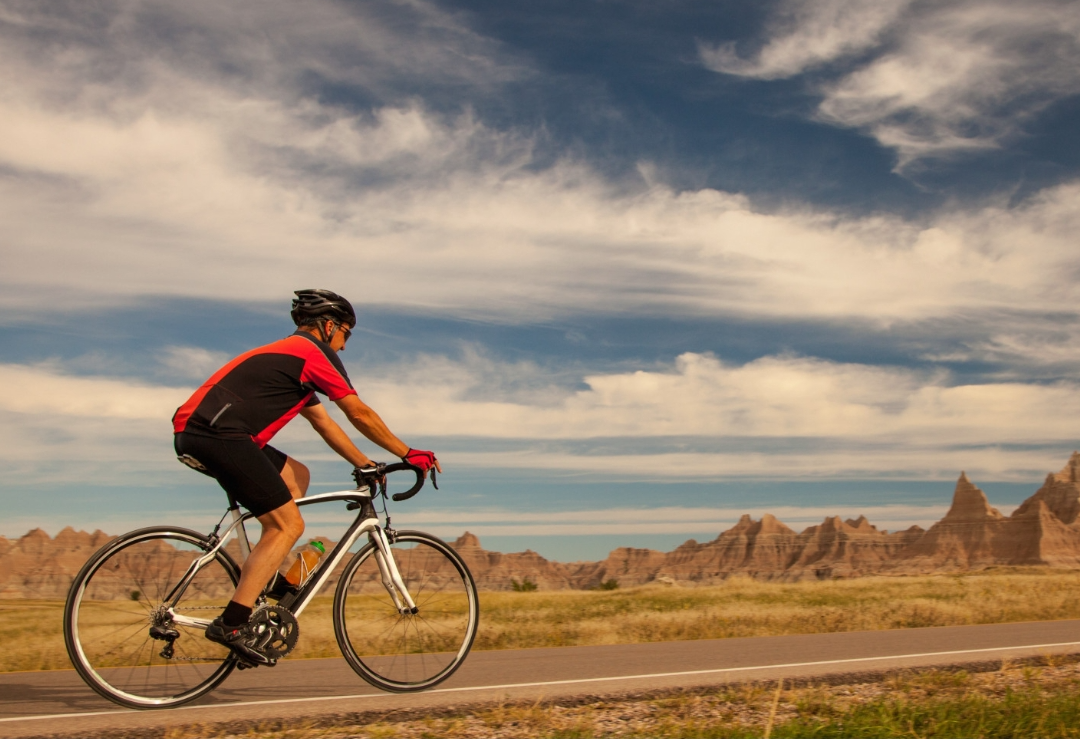
Somewhere between your third solo ride of the week and the creeping thought of why am I even doing this , most cyclists hit the same invisible wall. The legs still work. The bike is fine. But something's missing — and that something, more often than not, is people .
Joining a cycling club is one of the most underrated decisions you can make. Many cycling apparel manufacturers support local clubs because strong communities create lifelong riders.It shapes your fitness, builds your skills, and keeps the sport fun for years. That goes for complete beginners and seasoned solo riders alike. Some want more structure. Others just want connection. Either way, club membership delivers — and the benefits below are the ones that keep people coming back, season after season.
Benefit 1: Boosted Cardiovascular Fitness and Physical Health
Eight to twelve weeks. That's about how long consistent group riding takes to produce measurable changes in your cardiovascular system — and the numbers are more striking than most people expect.
Studies on moderate-to-high intensity cycling show VO₂max improvements of 10–25% within that window. Resting heart rate drops by 5–10 bpm . Systolic blood pressure falls an average of 5–10 mmHg . These aren't marginal gains — they're the kind of shifts your doctor will notice.
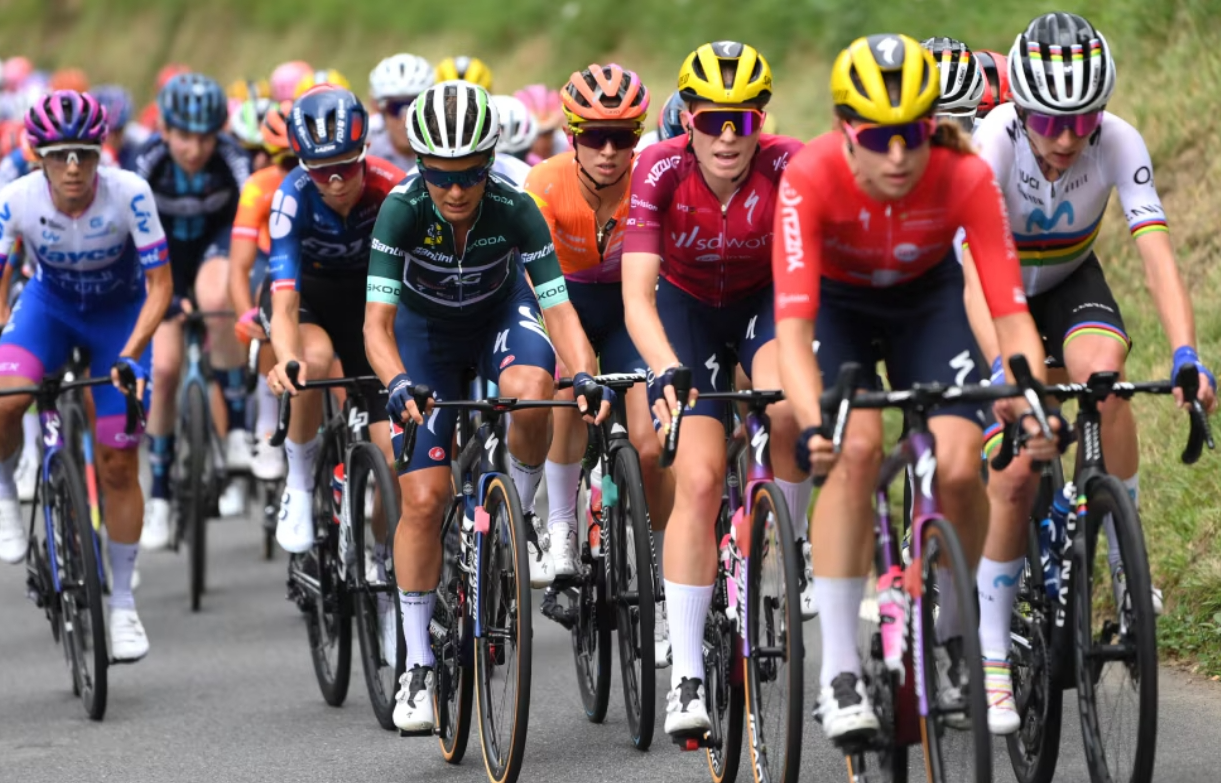
A big part of this comes down to something cyclists call the drafting effect . Riding in a group formation cuts air resistance by 20–40% for riders behind the front. You cover more distance. You hold higher speeds. You rack up more cardiovascular training time — without burning out the way you would riding solo. At a cruising speed of 25–30 km/h, riders mid-pack can need 50–100 watts less than the person leading. The group carries you further than you'd go alone.
Most clubs structure rides by pace group — A, B, and C — matched to your current fitness level. This keeps most of your riding in Zone 2–3 (60–75% of max heart rate) . That's the aerobic sweet spot where cardiovascular adaptation happens. Add in the occasional hill surge or group push, and you hit an 80/20 training split — 80% easy, 20% hard — without following a rigid training plan.
Managing weight alongside fitness? One hour of road cycling at moderate effort burns 500–800 kcal . Three sessions a week adds up to 1,500–2,400 kcal of extra energy burned. Pair that with balanced eating, and you can expect around 0.5–1.0 kg of fat loss per month .
Cycling is also low-impact — unlike running. For clubs buying team kits, cycling team kits wholesale prices make regular apparel upgrades far more affordable.Joint stress on the knees, hips, and ankles drops by 30–60% compared to running at the same intensity. That matters a lot for returning from injury, carrying extra weight, or wanting a cardio option you can keep up for decades, not just a few seasons.
Benefit 2: Built-In Motivation, Accountability and Riding Consistency
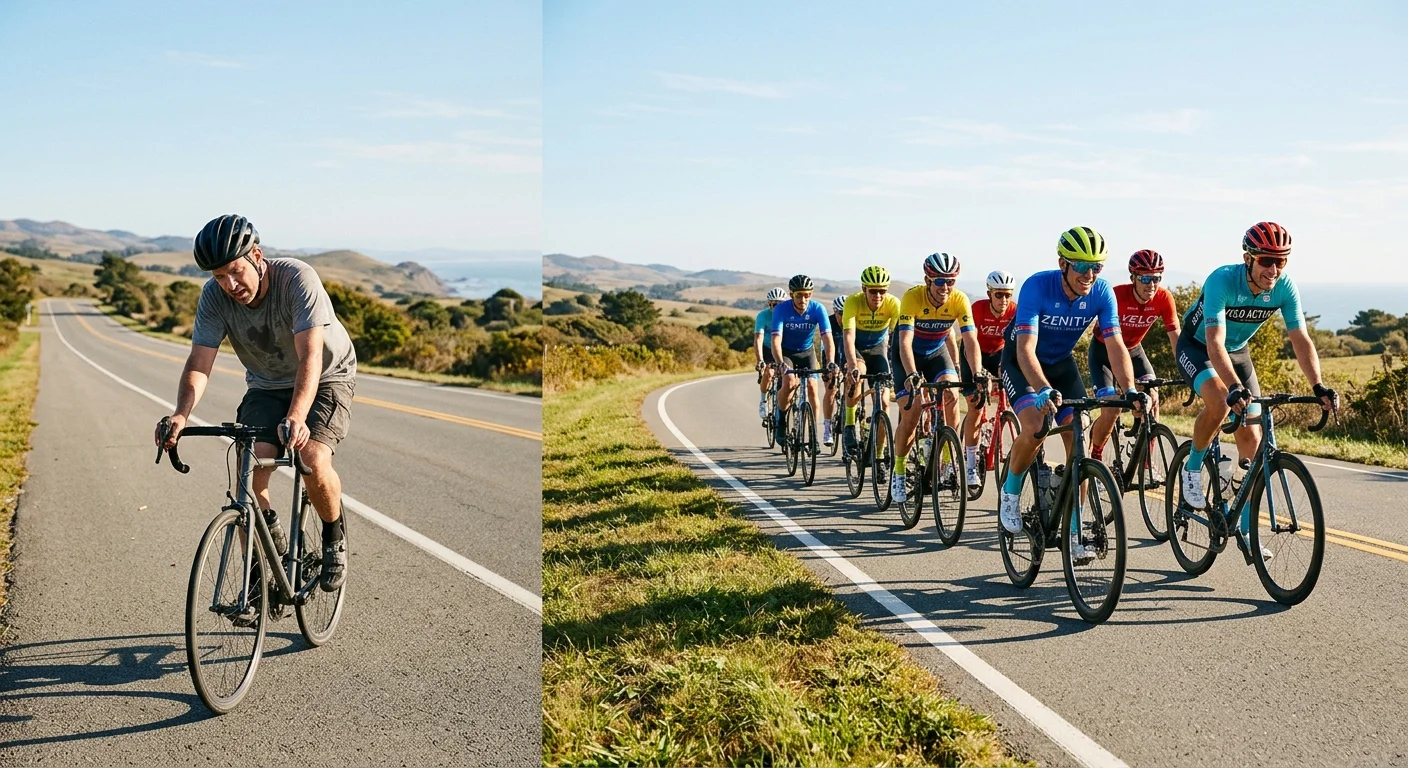
The numbers reveal an uncomfortable truth. Solo cyclists drop from riding 3–4 times a week to just once within a few months. Not because life gets busier. Motivation without other people around it is fragile.
A cycling club changes the structure around you — and that changes everything.
Commit to a fixed club schedule — say, Tuesday evenings plus a Saturday long ride. Something shifts in your head. Your teammates expect you to show up. Researchers call this the subjective norm . It's the social pressure that pulls you out the door, and it works. Public commitments beat private ones by 10–20 percentage points . A simple "I'll be there at 7:00" in the group chat carries real weight.
The consistency data is striking:
Solo exercisers : 30–40% still train at 3 months; that drops to 20–30% by six months
Club riders : 55–70% keep riding at 3 months; 45–60% stay active at six months
That's a 20–30 percentage point difference in long-term adherence — not from willpower, but from structure.
The plateau-breaking effect matters too. Riders who stall at the same speed for weeks often see FTP gains of 8–15% within 8–12 weeks of joining structured group training. Average cruising speeds climb by 1–3 km/h . One pattern shows up again and again. A new member who once found 30 km exhausting is riding 60–80 km within three months. Their body didn't transform overnight. Someone rode beside them. That made the distance feel possible.
That's cycling accountability in its most human form.Many clubs eventually invest in custom cycling jerseys to strengthen team identity.
Benefit 3: Structured Training Plans and Rapid Skills Development
Most cyclists plateau not because they stop trying, but because they stop being taught.
A cycling club changes that. Slot into a pace group — C, B, or A — and you enter a system built to move you forward, not just keep you moving.
C group rides average 20–25 km/h over 30–60 km. The focus isn't fitness — it's fundamentals. Holding a clean line. Reading the rider ahead. Mastering hand signals before you think about speed. B group pushes to 26–30 km/h with 500–1,500 m of climbing. Cornering, descending, and basic race tactics become the curriculum. A group — 30–35+ km/h, up to 150 km — is where those tactics get tested at full intensity.
Progress through each level isn't guesswork. Most clubs set clear benchmarks:
Complete 4–8 weeks in your current group with an RPE ≤ 6/10
Hold the peloton for >95% of the ride without gaps
Hit a target FTP — around 2.8–3.2 W/kg for B group, 3.5–4.0 W/kg for A
The results are measurable. Beginners on structured pace-group training see average cruising speed climb by 3–5 km/h within three months. FTP rises 10–20% . Plus, 80–90% of guided beginners complete their first 100 km ride within 12 weeks — compared to just 50–60% of those training alone.
A lot of this comes down to the mentorship culture built into club rides. Every session runs with a lead rider and one or two deputies. New members are never outnumbered. The typical ratio is one experienced rider to every two or three beginners. With that kind of guidance, riders master core skills — drafting, descending, group etiquette — in 8–12 weeks . Self-taught riders tend to need four to six months to reach the same standard. Many also carry bad habits — hesitant braking, loose spacing, inconsistent lines — well past that point.
The gap isn't talent. It's having someone beside you who already knows the way.Growing cycling brands often use OEM/ODM cycling apparel services to create performance apparel tailored to club riders.
Benefit 4: On-the-Road Technical Support and Mechanical Know-How
A flat tyre 40 kilometres from home. No spare tube. Nobody around. That's the kind of moment that ends a ride — and sometimes ends a cycling habit for good.
Mechanical failures happen more often than most beginners expect. Punctures, snapped brake cables, chain wear that makes the gears skip at the worst time — these aren't rare events. They're a normal part of long-distance riding. Solo, without the right tools or knowledge, even a small fixable problem can turn into a long walk home.
Club rides change that. Experienced members carry what you haven't thought to pack yet:
Spare inner tubes
CO₂ canisters
Chain tools
Brake and gear cables
One person's kit becomes the whole group's safety net.Some clubs also work directly with a cycling apparel factory when ordering seasonal uniforms. A puncture that leaves a solo rider stuck for over an hour gets fixed roadside in 10–20 minutes — by someone who has done it fifty times before.
The real value isn't just the tools, though. It's the learning that comes with them. Watch an experienced rider fix a tyre once. Do it yourself the next time with them beside you. By the second session, you can sort it on your own — 10 to 15 minutes, start to finish . The same applies to brake adjustments, gear cable tension, and basic chain maintenance. Skills that once meant a trip to the bike shop become things you can handle on any road, in any weather.
After one or two seasons of club riding, most members go from full mechanical dependency to being able to self-rescue more than 80% of common roadside failures . That's a big shift. It's the difference between a sport you can keep doing for decades and one that defeats you the first time something breaks.
Benefit 5: Greater Safety, Road Confidence and Traffic Visibility
Riding alone on an unfamiliar road carries a quiet kind of stress. Every junction demands a fresh decision. Every fast-moving car feels like a variable you haven't planned for. That mental load — the constant, low-level question of is this road safe? — is something most solo cyclists just accept. Club riding removes most of it.
The visibility difference is immediate and measurable. A group of cyclists is far harder for drivers to miss than a single rider. Add front lights, tail lights, and reflective strips across multiple riders, and you've built something closer to a moving landmark than a lone figure on the road. That visibility gap matters most at dusk and in low-light conditions — the exact time solo-rider incidents spike.
Route knowledge is the less obvious safety gain. Experienced club members have already filtered out the roads you'd rather skip:
High-speed arterial roads with unpredictable traffic
Uncontrolled intersections where right-of-way is unclear
Stretches with poor lighting, faded lane markings, or no separation from fast-moving vehicles
Road safety research is clear on one point: speed is the dominant risk factor . Cutting average vehicle speed by just 5% reduces injury-related collisions by about 10%. Knowing which roads carry higher-speed traffic — and choosing not to ride them — is worth more than any lane marking.
For new riders, the confidence that comes from group riding is structural, not motivational. You don't have to make every split-second decision on your own. The lead rider has already checked the route. Standard hand signals — for turning, slowing, obstacles, stopping — make the group's movements clear and predictable to drivers. Predictability, in traffic, is protection.
After a few months of regular club riding, most beginners pick up a solid set of safe road habits: clean queue formation on narrow roads, consistent signalling, and a good feel for which routes to take and which to skip.Larger organizations sometimes develop private label cycling apparel for members and sponsored events.
Benefit 6: Discover New Routes, Hidden Roads and Café Culture
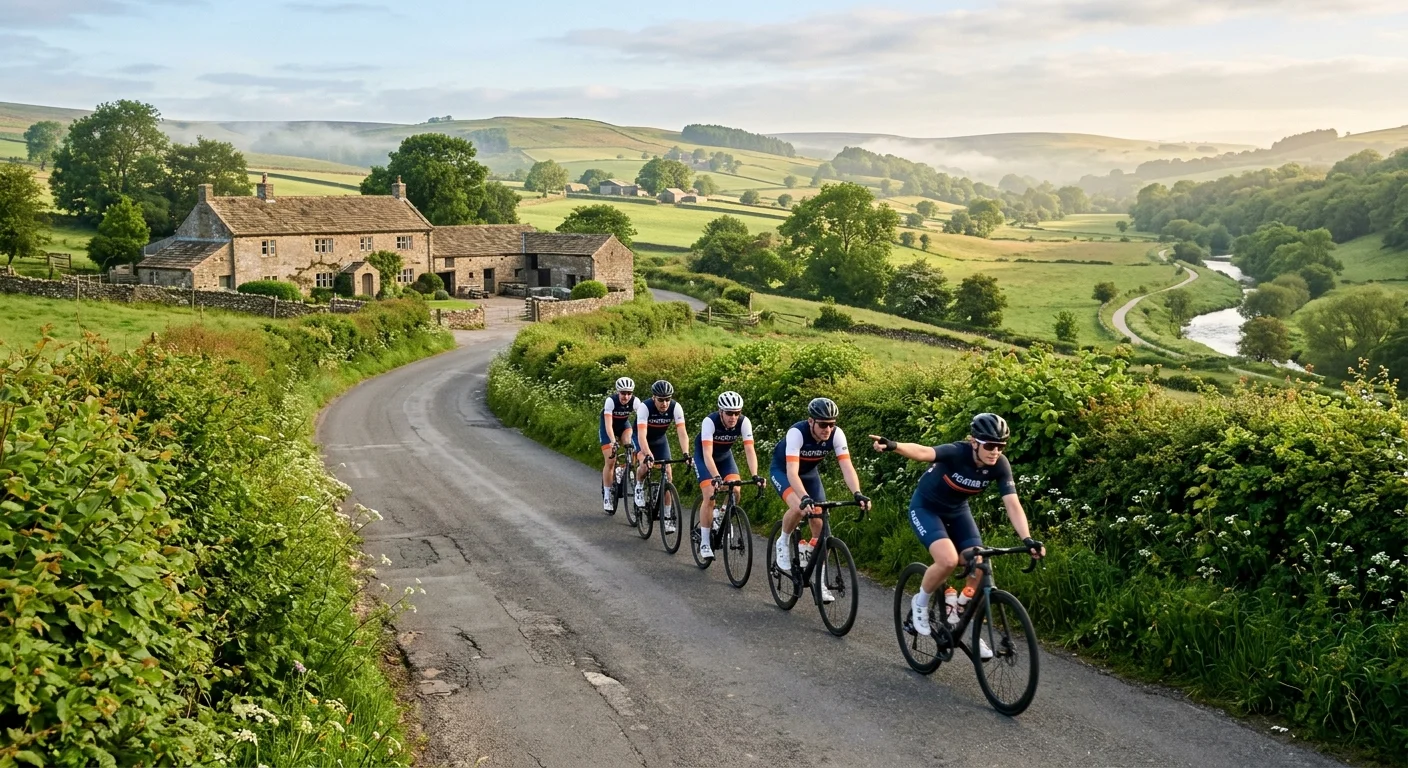
Some cycling knowledge never makes it onto Google Maps. Think about the lane that cuts behind an old farm, the riverside path that skips every traffic light, or the hill that rewards you with a view worth twice the effort. That knowledge lives inside your local cycling club. Riders pass it on to each other, one route at a time.
Most cyclists exploring a new city take three to six months to build five to eight reliable weekend routes. The trial-and-error is slow. Around 30–40% of early solo rides land on roads not worth repeating — too much traffic, rough surfaces, nowhere to stop and refuel. Join a club, and that timeline shrinks fast. After four to eight group rides, you'll have a solid map of the area's best cycling corridors: the river greenways, the classic climbs, the back roads that cut around the main arterial roads. The quality gap is clear too — club-recommended routes carry a poor-experience rate of under 10%, versus that 30–40% you face finding your own way.
The Café Stop Is Not Optional
At around the 50–60% mark of a typical weekend ride, the group slows and turns into a café. This isn't about tired legs. It's one of the most distinctive rituals in road cycling — and one of the real reasons people stay in clubs for years.
Most clubs build one main café stop into every 60–80 km route , timed 15–30 minutes into the mid-ride window. The stop splits into two natural phases:
10–15 minutes of eating and drinking
5–15 minutes of something harder to schedule — conversation
New members swap numbers. Someone figures out why their back wheel has been making that noise. Routes get debated, picked apart, and redrawn on paper napkins.
Around 70–80% of new club members say they remembered at least three to five faces after their very first café stop. That's not a small thing. Solo riding can feel like a sport for one. The café table is where the community takes shape.
A Living Route Library
The best clubs keep a local cycling knowledge base that goes well beyond a GPX file. You get short route notes that flag the sketchy corner at kilometre 34, the coffee shop that opens at 7am, and the stretch near the industrial estate to avoid on weekday mornings. Load the files straight onto your cycling computer and go.
Trek's retail network takes a similar approach. Each local store keeps a graded route list sorted by distance and elevation:
20–40 km urban loops
40–80 km scenic rides
80+ km longer routes
Each entry includes notes on traffic levels and surface quality, so you know what you're getting before you leave.
For anyone new to an area, this matters. Club routes cut the number of bad rides by 2–3 times compared to solo exploration — and the benefit kicks in straight away, not after months of wrong turns.
The hidden roads are real. So is the café at the end of them. Both are easier to find when someone already knows the way.
Benefit 7: Social Connection, Community and Sense of Belonging
Humans are built for belonging. Cycling delivers that — quietly, through shared miles and café stops, in ways that go beyond the physical benefits.
Social bonds built around a shared passion run deeper than most casual friendships. Show up to the same ride every Tuesday morning, and you're not just logging training hours. You're building what the CDC defines as high-quality social connection: relationships where people feel accepted, supported, and valued. That's a different thing from a one-off conversation at a gym.
For anyone new to a city, this matters a lot. A cycling club gives you the kind of repeated, low-pressure contact that turns strangers into a support network. Ride by ride. Café stop by café stop.
What Builds Belonging
Three things create a lasting sense of identity within a club. They're more practical than you might expect:
A shared visual identity — club kit worn on group rides makes your people easy to spot, both to each other and to everyone else on the road
A consistent rhythm — weekly rides, monthly longer routes, seasonal events, post-ride coffees; that regularity turns acquaintances into people you miss on the weeks you skip
Collective goals — entering a sportive together, completing a charity ride as a team, or finishing a tough climb as a group shifts cycling from a solo pursuit into a shared story
Studies show that group exercise programmes build social bonds and a shared sense of identity — but only with repeated contact, not occasional meet-ups. The regularity is what makes it work. One ride won't do it. Eight will.
For new members, most clubs ease this with a structured welcome. You start with shorter introductory rides. There's a designated riding buddy. Plus small roles — sweeping the back, calling out potholes, helping plan the next route — that make you feel needed from the start.
That feeling of being needed? It's one of the most underrated reasons people stay.
Benefit 8: Performance Gains Through Group Dynamics and Healthy Competition
Numbers don't lie — and the aerodynamics of group riding are remarkable. At typical road cycling speeds of 30–40 km/h, air resistance accounts for 70–90% of your total power output . Ride in a tight pack, and the rider behind the leader absorbs just 5–30% of that original wind resistance . In real terms, you save 27–50% of your energy output . That's enough to extend a 60 km solo ride to 90 km at the same effort level.
That's not just a physics curiosity. It's a training mechanism.
Riding With Stronger Cyclists Raises Your Ceiling
A stronger rider pulls at 32 km/h. You draft at the power cost of your usual 28 km/h. Your legs do the same work. Your body covers more ground. Over time, that gap between your comfort zone and your actual capability starts to close.
Clubs build this in on purpose. B-group riders rotate leads in 1–3 minute stints — brief enough to contribute, long enough to feel genuinely hard. The pattern mirrors structured interval training. Nobody has to announce it. It just happens.
Competition That Measures Progress
Strava segments, club time trials, and internal leaderboards give the whole process a scoreboard . You can track every improvement in hard numbers. A standard 20 km club TT completed in 40 minutes often drops to 35 minutes after three to six months of group training. That's a 14% speed gain — clear, measurable, and real.
That kind of visible progress is hard to create alone. It needs a pack.
Benefit 9: Expert Gear Advice, Club Discounts and Kit Identity
Buying the wrong bike is an easy mistake to make. Cycling UK data shows that 33–40% of new cyclists replace their main bike or frame within the first two years — mostly because they bought for the wrong purpose, or got the sizing wrong by just one size. On top of that, over half of first-time buyers never do a proper fitting or test ride longer than 20 minutes. Around 20–25% end up with chronic discomfort — sore knees, aching backs, numb hands — that a simple fitting session could have prevented.
A cycling club sorts this out before it becomes your problem.
Experienced members don't just say get that one . They walk you through the real decision:
Your intended use
Your budget bracket
Your realistic maintenance capacity
Club coaches report that in any given new-member session, 30–50% of newcomers arrive planning to buy something mismatched for their actual riding — and leave with a much better plan.
The Discount Side of Membership
Before you buy anything, here's what's worth knowing. Clubs with 30+ active members negotiate 5–10% off complete bikes and 10–15% off components, clothing and servicing with local shops. Some online retailers also extend exclusive discount codes — 10% across non-sale items, with an extra 5% stackable during annual promotions.
Over a first year, that adds up fast. A typical new rider spends between £800–£2,500 across bike, kit, accessories and maintenance. At club discount rates, you save £80–£300 — about the cost of one quality cycling jersey, or a weekend riding trip.
The Kit Is More Than Clothing
Club kit — the matching jersey and bib short combination — does something the numbers alone can't capture. Traffic safety research shows that a group in coordinated, high-contrast colours improves lateral visibility by 20–30% in daylight. Driver recognition at 100–200 metres also improves compared to a mixed bag of casual kit.
But the bigger effect is personal. In clubs with unified kit, 70–80% of members say wearing the jersey increases their sense of belonging and personal accountability . New member retention climbs by 10–20 percentage points . Some clubs mark a rider's first 100 km with a formal kit handover — a small ritual that carries more weight than it sounds.
The jersey, it turns out, is the belonging made visible.
Benefit 10: Mentoring, Support and the Joy of Giving Back
There's a feeling every cyclist knows. You're falling behind, legs burning, and a stronger rider slows down to pull you back into the group. It's not just gratitude. It's something quieter — the moment you realise someone noticed, and they waited.
Most clubs build this in from day one. The "no-drop" ride is now standard policy across amateur cycling clubs. Here's how it works:
A designated group rides at a capped pace of around 25 km/h on flat roads
A ride leader holds the front
A sweeper at the back has one job — make sure nobody gets left behind
Fixed regroup points at hilltops and junctions pull the group back together after climbs
Gaps open up. The group still comes back together. That fear of being dropped — the biggest worry for new riders — gets removed from the experience before you ever clip in.
What happens after that is what keeps people in the sport for years.
From Supported to Supporting
The progression follows a pattern. You start near the back of the C group, picking up hand signals and learning wheel spacing. A few months pass. Now you're the one calling out the pothole ahead. A season later, you're the sweeper — watching for the rider whose legs are fading, soft-pedalling until they catch your wheel.
That shift from being helped to doing the helping changes how you see cycling. Riders who step into lead or sweep roles report a stronger sense of purpose in their club. Long-term participation goes up too — not by a small margin, but by a clear, trackable amount. The accountability runs both ways. You show up because others are counting on you.
There's also something that no training data captures. You help a newer rider finish their first 60 km. The following weekend, they come back. That moment — seeing them return — is the kind of reward no performance metric can put a number on.
FAQ: Common Questions About Joining a Cycling Club
Most people don't lack interest in joining a club. They lack answers to the small, practical questions sitting in the back of their mind. Here are the ones that come up most often.
Am I too slow?
Almost certainly not. Most clubs run multiple pace groups. Social rides tend to cruise at 13–16 mph (21–26 km/h) , with faster groups above 18 mph for those who want a push. Look for rides labelled "no-drop" or "social" in the description. These rides wait. Nobody gets left behind.
Here's a simple self-test. Try riding 20–30 km solo at around 22–24 km/h . Finish feeling tired but not wrecked? You're ready for a beginner group. Plus, drafting in a pack cuts your effort by 20–30% — so the club ride will feel easier than going it alone.
Do I need an expensive bike?
No. Any safe, well-maintained bike works for social and beginner rides. You need working brakes, no major mechanical issues, and a bike suited to the terrain. Clipless pedals are optional. Many new members start on flat pedals and regular trainers.
Thinking about an e-bike? Check the club's policy first. Most clubs accept Class 1 and 3 pedal-assist models but restrict throttle-only bikes.
What does membership cost?
Most community cycling clubs charge around $30–$60 per year — that's about $3–5 per month . Your membership covers group rides, basic insurance, local shop discounts, and social events. Student and junior rates run 30–50% lower . Many clubs also offer 2–3 free trial rides before you pay anything.
What do I need to bring?
The basics are simple:
Helmet (required on most club rides)
Spare inner tube, tyre levers, and a mini-pump
Water bottles and a charged phone
Lights , if there's any chance of low light
No fitness test required. Ride for 60–90 minutes and follow basic hand signals — that's all you need.
Can I try before I commit?
Yes — and you should. Most clubs welcome guests for 2–3 rides before asking for membership. Email the ride coordinator. Share your usual speed and distance , and ask which no-drop social ride makes the best starting point. That one message clears up more doubt than hours of research.
Conclusion
Here's what solo riders rarely hear: joining a club doesn't make the road harder — it makes it richer .
Better fitness, sharper skills, real friendships, weekly motivation — no gym app comes close to what a cycling community gives you. You just have to show up.
Chasing faster times? Want safer roads? Or just need a reason to get out the door on a grey Tuesday morning? Bike club membership delivers all of that. Solo riding can't match it.
So don't overthink it. Find a local club. Show up to one group ride. See how it feels. Chances are, you'll wonder why you waited so long.
Ready to look the part as much as you ride it? Explore our range of performance cycling kit — built for riders who care about their passion.Need jerseys in volume? We also serve cycling clubs, retailers, and club cycling clothing wholesalers with flexible production solutions.