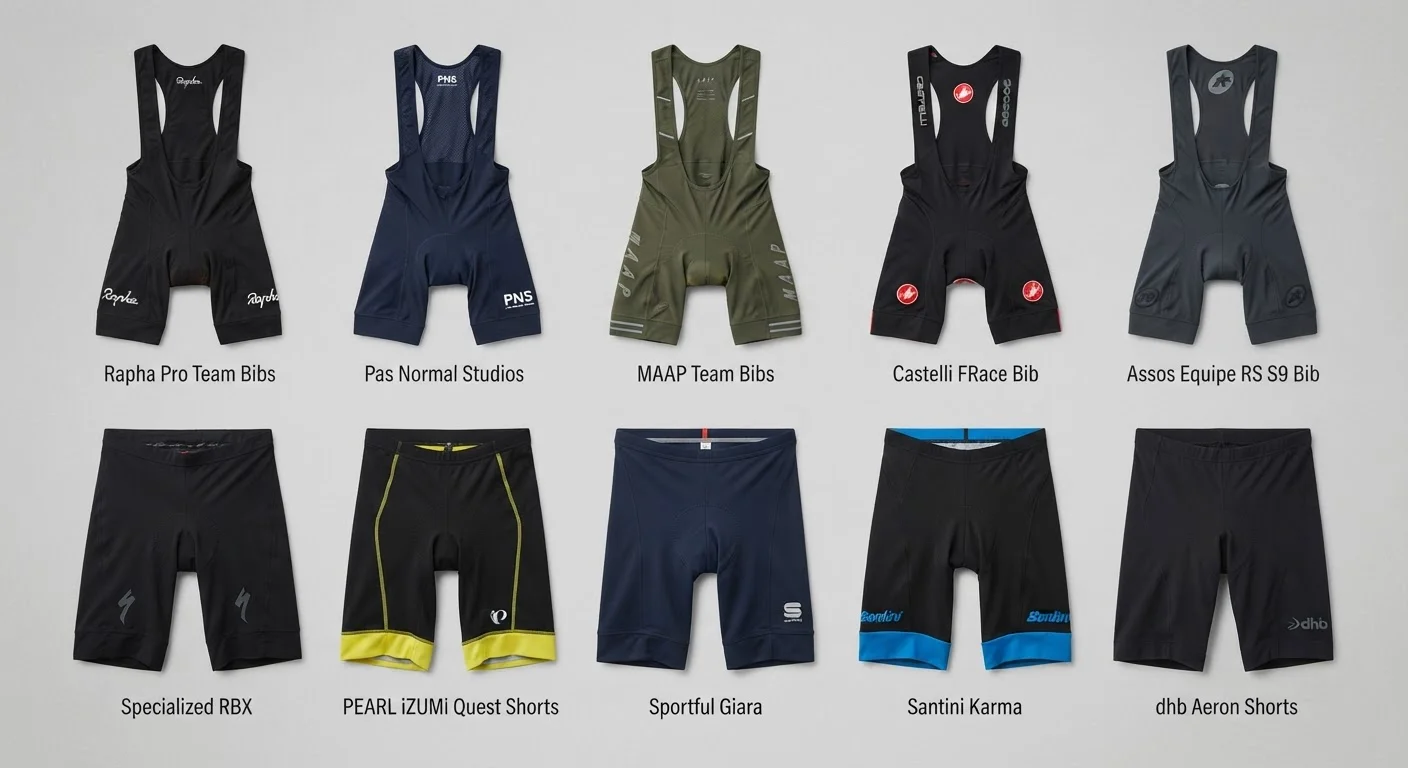
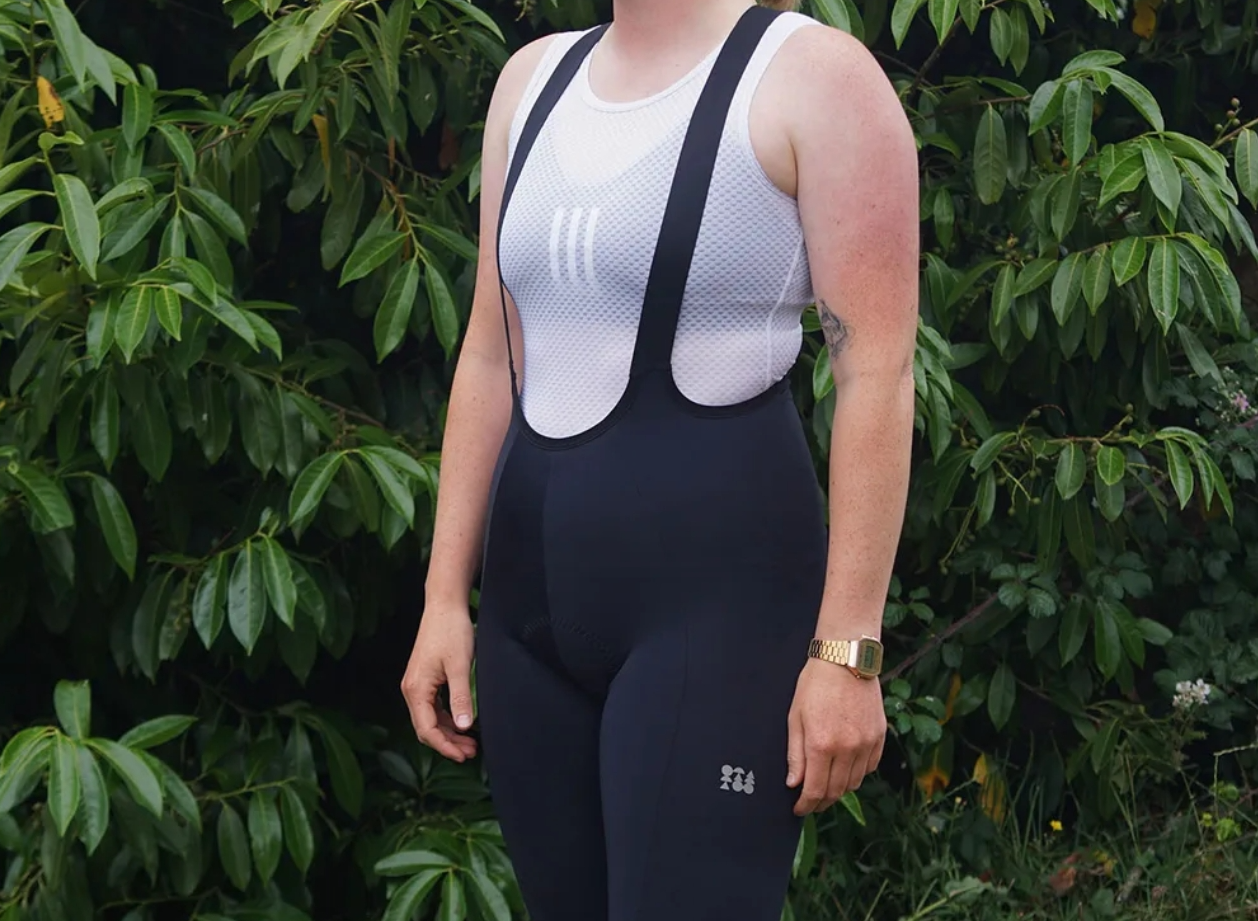
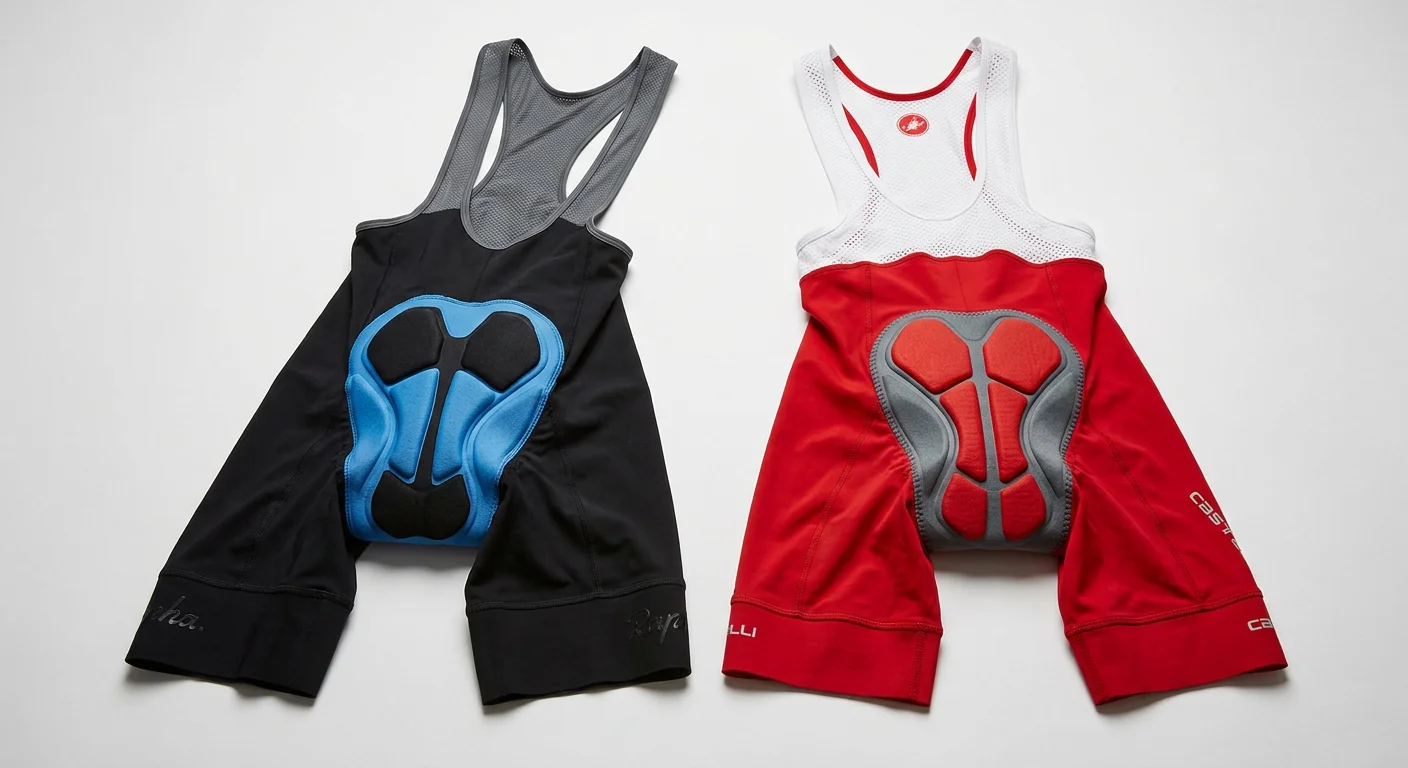
I bought the Trek Solstice women's cycling shorts after three separate friends swore by them, then spent the next four weeks putting that loyalty to the test across commutes, sweaty long rides, and one genuinely unpleasant 38°C Saturday that made me question every fabric choice I've ever made on a bike. I found chamois pressure points showing up around kilometer 25, a leg gripper that behaved differently depending on how my thighs felt that day, and fabric that told the truth about breathability whether I wanted to hear it or not. This is the ride-tested, slightly sweaty truth about whether these padded cycling shorts match your riding intensity, your thigh circumference, or your budget instead of just their spec sheet.Brands can develop custom women's cycling shorts with chamois and leg-gripper options matched to different body types.
Trek Solstice Chamois Review: Saddle Pressure And Friction Over a 40km Commute
Twenty-five kilometers in, my sit bones were filing a formal complaint. That's the Comp inForm Dual Density chamois doing its job, or trying to.
The Solstice handles pressure and friction unevenly. The dual-density foam is good at pressure distribution. The numb, tingling, "did my legs fall asleep" sensation stayed manageable through most of my 40km loop. When I stood up at red lights, feeling came back fast.
Friction was messier. Around km 30, on a stretch of rougher pavement near the industrial park I cut through, I felt the telltale rawness of shear. Skin moving against fabric moving against saddle, in that order. The pad transmits the friction directly.
Trek's 60°F–100°F comfort rating checked out for my mild-weather commutes. The friction issue tracked closely with my saddle height that week. I'd adjusted it slightly, and the difference in hot-spot location was noticeable enough that I stopped blaming the shorts. Fit variables matter here as much as fabric.A bulk women's cycling shorts program can standardize fit and pad specifications across larger orders.
Trek Solstice Cycling Shorts: Support and Pressure Points on an 80km Weekend Long Ride
Eighty kilometers changes the math. What felt like a minor annoyance at km 25 either fades into the background or becomes the only thing you think about for the next three hours. On my Saturday long ride, the waistband was the pleasant surprise.
Trek built the Solstice with an extra wide waistband for even pressure distribution . After four hours in the saddle, I finally understood why that spec mattered more than the chamois. No digging-in, no red line across my stomach when I peeled the shorts off. For a mostly sitting ride, that even pressure spread made a real difference to my lower back and hips by hour three.
The fitted cut helped too. Less fabric bunching meant fewer new friction points showing up on the inner thigh as the miles piled on, though it also meant sizing had to be exact. The 9-inch inseam sat right at mid-thigh, no rolling, no riding up.
Sit bone support , though, is where I'd calibrate expectations. Trek only lists a sewn-in chamois, no multi-density zones, no thickness specs. "Padding in all the right places" is marketing language for basic relief. Don't expect competition-grade cushioning. For 80km at a moderate weekend pace, it held up fine. If you're pushing faster or your sit bones are pressure-sensitive, this is the spot to watch.
At roughly $25–$40 USD , that trade-off starts making sense.A reliable women's cycling shorts vendor can offer different waistband constructions for long-distance use.
Trek Solstice Chamois Review: Breathability and Sweat-Wicking in 38°C Heat
That Saturday, the thermometer on my bike computer read 38°C by 11am, exactly the temperature Trek claims these shorts are built for. So I figured: put up or shut up.
The Comp inForm Chamois earned its "breathable dual-density" label here. Sweat moved through the pad instead of pooling under me. That matters more than people admit when you're judging chamois comfort in real heat. No swampy, sitting-in-a-puddle feeling by kilometer 15.
The fabric surprised me too. 74% recycled polyamide, 26% elastane in a knit construction with antimicrobial treatment. It actually delivered on moisture-wicking cycling fabric claims. I checked for odor after two hours in that heat, half expecting the worst. Nothing. The knit pulled sweat to the surface fast enough that I stayed cool-ish, not cold, but not swimming either.
This is a fitted, compression-leaning cut. A women's cycling shorts factory can adjust fabric blends for hotter riding conditions.
If you want airy looseness in extreme heat, the Solstice's snugness will feel warmer than a baggier alternative, even with a 38°C rating stamped on the tag.
Trek Solstice Cycling Shorts Fabric: Sweat-Wicking, Durability, Pilling and Sheerness Put to the Test
Four weeks in, I did the deep-squat test in full daylight, in front of my bathroom mirror, looking like a woman possessed. It's the test every product page conveniently skips. Trek's spec sheet says 74% recycled polyamide, 26% elastane, knit construction, antimicrobial treatment. After twelve rides and six washes, I can report on how the fabric held up.
There was no pilling. Not on the inner thigh where the gripper meets fabric, not on the seat where saddle friction does its worst. The recycled polyamide knit held its texture longer than I expected from anything with "recycled" in the name — I've had virgin polyester cycling shorts pill faster than this.
Transparency was the harder test. I did a deep squat with arms overhead, backlit by my kitchen window, still damp from the 38°C ride. No see-through. That's not a small thing. A lot of shorts at this price point go translucent the second sweat sets in.
Trek doesn't publish pilling grades or Martindale abrasion numbers, so this is armchair-lab testing. Six weeks of laundry, friction, and sweat later, the fabric still looks close to day one.An experienced women's cycling shorts manufacturer can also validate fabric durability through repeated wash testing.
Trek Solstice Leg Gripper Review
Trek's marketing copy and my actual legs disagreed. The launch materials promise "low-profile silicone leg grippers" on the Solstice line, the kind of anti-chafe cycling feature that sounds great on a product page. My pair came with a tighter fabric band and no silicone in sight.
That distinction matters more than it should. Fabric bands rely entirely on fit. Silicone grippers forgive a little looseness. Mine didn't have that cushion.
For the first two weeks, riding true to my usual size, the leg band crept upward on longer rides. Not dramatically, but by kilometer 20 or so, I'd catch myself tugging the hem back down at stoplights, mid-thigh territory it had no business visiting.
I sized down for week three. The difference was immediate. The compressive fit held its position through a full 80km ride, no rolling, no creep. But that snugness left a faint pressure line on my thighs by hour three. Not painful, just noticeable.
My take : if your thigh circumference sits between sizes, size down for grip, size up for comfort. You can't have both with a fabric band standing in for silicone.Wholesale women's cycling shorts can be specified with different gripper constructions for varied thigh measurements.
Trek Solstice Women's Cycling Shorts Sizing Guide: Matching Thigh Circumference, Hip Size,Sit Bone Spacing
Trek sizes the Solstice by hip, not thigh, so measuring tape in hand, that's where you start. Hip 33.1"–35.0" gets you XS, 35.0"–37.0" is Small, 37.0"–39.0" Medium, up through XX-Large at 44.1"–46.9". The hip numbers are straightforward on paper.
Thigh circumference is guesswork. Trek doesn't publish it, so the fitted cut and 9" inseam are your only clues, and they point toward a snugger wrap than relaxed commuter shorts. If your thighs run muscular relative to your hip number, size up. My leg gripper experiment above proved this out.
Sit bone width gets the same silent treatment, with no spec published. The "women's road bike shorts" label and fitted pattern mean a road posture build, not sit-bone-specific tailoring. If sit bone width is your actual fit problem, the shorts can't fix it. Match your saddle instead.
Trek Solstice Women’s Cycling Shorts: Durability and Fit Retention After 4 Weeks of Washing
Six washes in, I broke my own rule and tumble-dried them once, just to see. Big mistake.
Trek's care instructions are blunt about it: cold wash, gentle cycle, hang to dry. That combination is supposed to protect the elastane and keep the compression fit intact over time. The one time I skipped hang-drying, the waistband came out slightly looser, still functional, but noticeably less snug than the cold-wash batches.
The 74% recycled polyamide / 26% elastane knit otherwise held its shape well across the properly-washed cycles. No stretched-out leg openings, no waistband that gapped at the hips. Compression stayed consistent with week one, which matters if you're relying on that fitted cut for the leg gripper to actually grip.
Hang-drying isn't optional here. Skip it once, and you'll feel the difference in fit before you feel it anywhere else.
Who Isn't a Good Fit for the Trek Solstice Cycling Shorts
If you prefer loose, non-compressive cycling shorts, skip the Solstice. It's built fitted, full stop, and that snugness feels restrictive if you're not into wrap-tight fabric.
Without a silicone leg gripper, stability depends on tight-fitting fabric. Muscular thighs plus a slightly large size mean the shorts are likely to creep.
This short is for 30–40 km rides a few times a week. Push into serious training volume and you'll outgrow the chamois fast. Trek's own Circuit ($209.99) or Velocis ($269.99) handle that mileage instead.
The temperature range is 16°C to 38°C. Cold-weather riders should look elsewhere.
Trek Solstice vs Other Women's Cycling Shorts: A Side-by-Side Comparison of Three Alternatives
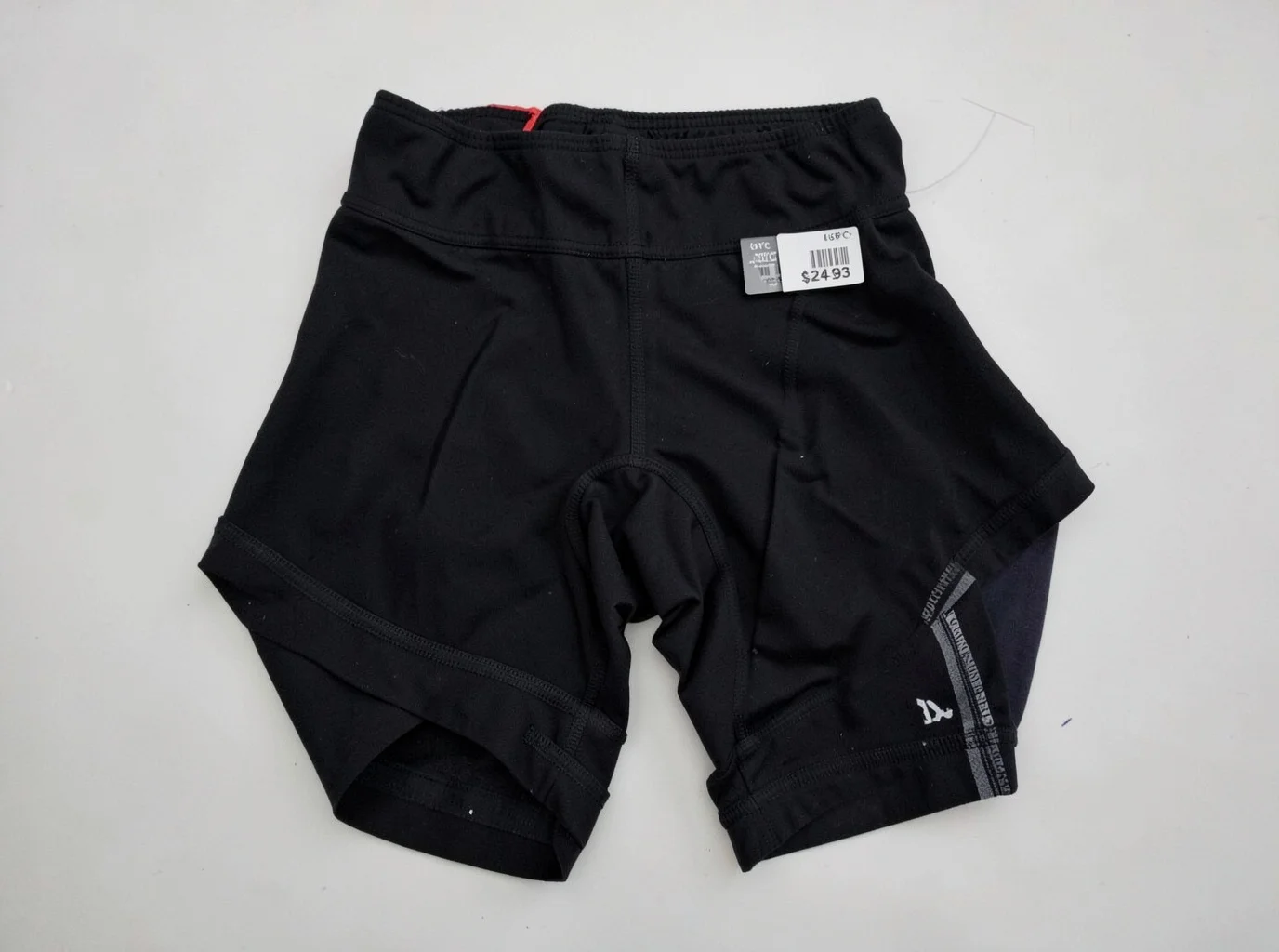
$24.93 is suspiciously cheap for cycling shorts. That price tag tells you almost everything about where the Solstice sits before you even try it on.
Alt 1: Trek Solstice Women's Cycling Bib Shorts has the same fabric and chamois, with bib construction instead of a waistband. Priced at roughly US$24.93 (or £59.99, CA$33.93 depending on market), this is the upgrade if the extra-wide waistband isn't cutting it for you on rides past 60km. Bibs eliminate waistband dig-in. If you're chasing pressure relief over convenience, start here.
Alt 2: Trek's longer-inseam women's road shorts (10"–12.5") The Solstice's 9-inch cut sits mid-thigh. Trek's lineup goes up to 12.5 inches , with sizing from XS to 3X . If the thigh coverage concerns I flagged in the leg gripper section bother you, going longer solves the creep problem without needing silicone.
Alt 3: A premium padded bib short from outside Trek's lineup is your comfort benchmark. Market-standard padded women's cycling shorts built for longer mileage run higher price points with multi-density chamois zones Trek doesn't spec here.
Solstice wins on price and simplicity. It loses on structure the moment your mileage or thigh sensitivity pushes past what a sewn-in chamois and fabric-only gripper can handle.
Is the Trek Solstice Cycling Shorts Worth Buying: Judging the Premium by Riding Scenario
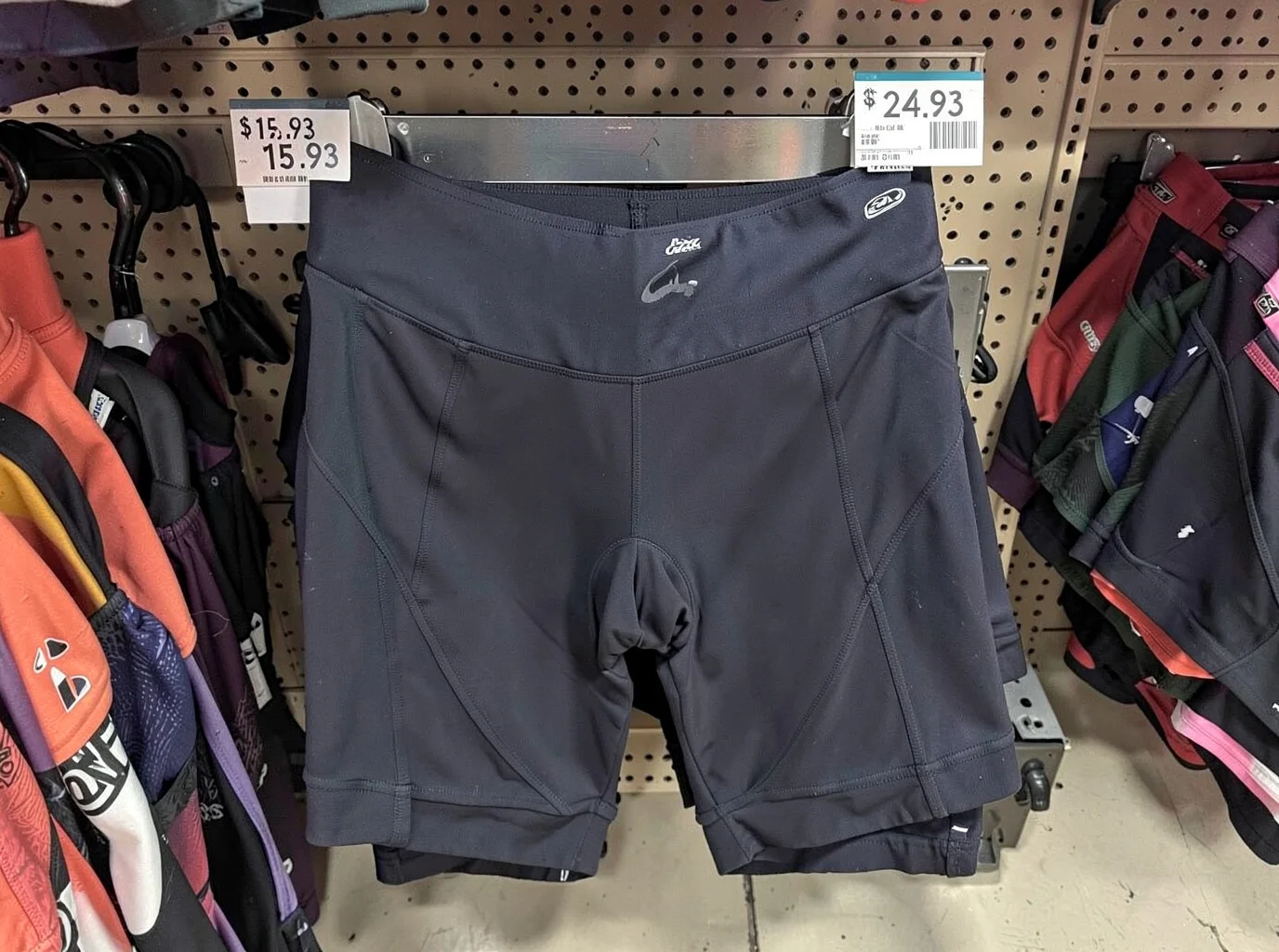
$15.93 . That's the price I found on one listing, with a sister page running $24.93 . Either way, we're well below premium pricing.
Buy them for commuting, casual city riding, or anything under an hour . At $15.93–$24.93, you get a sewn-in chamois and a fitted, breathable build that outperforms its price tag on short, frequent rides.
For weekend rides in the 20–50km range , yes again. This is the sweet spot Trek actually built the Solstice for, and my own 40km commute testing backs that up.
Summer heat handles well too. The 38°C ceiling is not marketing fluff — it held up.
The math stops working on rides past two hours, back-to-back training days, or serious mileage. That's when the sewn-in-only chamois and fabric-only leg gripper hit their limits, and your money is better spent on something with multi-density padding.
Under $25, buy it for short-to-moderate rides. Over that mileage threshold, spend elsewhere.
Conclusion
Four weeks and roughly 180 kilometers later, the Trek Solstice earned its keep on commutes and moderate weekend rides. The chamois pad comfort genuinely shines with no hot-spot drama, but push past 80km or into high-summer heat, and the fabric’s breathability starts testing your patience. The leg gripper silicone band is the real dealbreaker for some bodies; if your thighs run north of 55cm, expect that telltale pink ring by kilometer 40, no matter how much you love the chamois.
Before you add these to cart, measure your thighs, be honest about your weekly mileage, and if you’re between sizes, skip straight to the sizing section rather than guessing. These shorts aren’t universally perfect. For the right rider, they’re genuinely worth the price tag. If your body type says “not quite,” I’ve given you three solid alternatives above. Go with what actually fits, not what looks good on a size chart.Larger buyers can request a custom wholesale price for women's cycling shorts.