Sourcing custom cycling kits in Japan isn't just about finding a factory — it's about finding the right factory. You want to lock that in before you spend budget, pay for samples, or waste six weeks of emails on the wrong supplier.
The Japanese cycling apparel market has some exceptional cycling kits manufacturers . But there are real gaps too — MOQ flexibility, English communication, and turnaround times can all throw off a procurement timeline fast.
This guide cuts through the noise. We've mapped out six of the most relevant custom cycling kit producers operating in Japan right now. Each one is evaluated across every dimension that matters to a team manager or brand buyer. The goal is simple: you walk away with one or two serious candidates on your shortlist — before you send a single enquiry.
PEdALED Japan (Custom OEM Division)
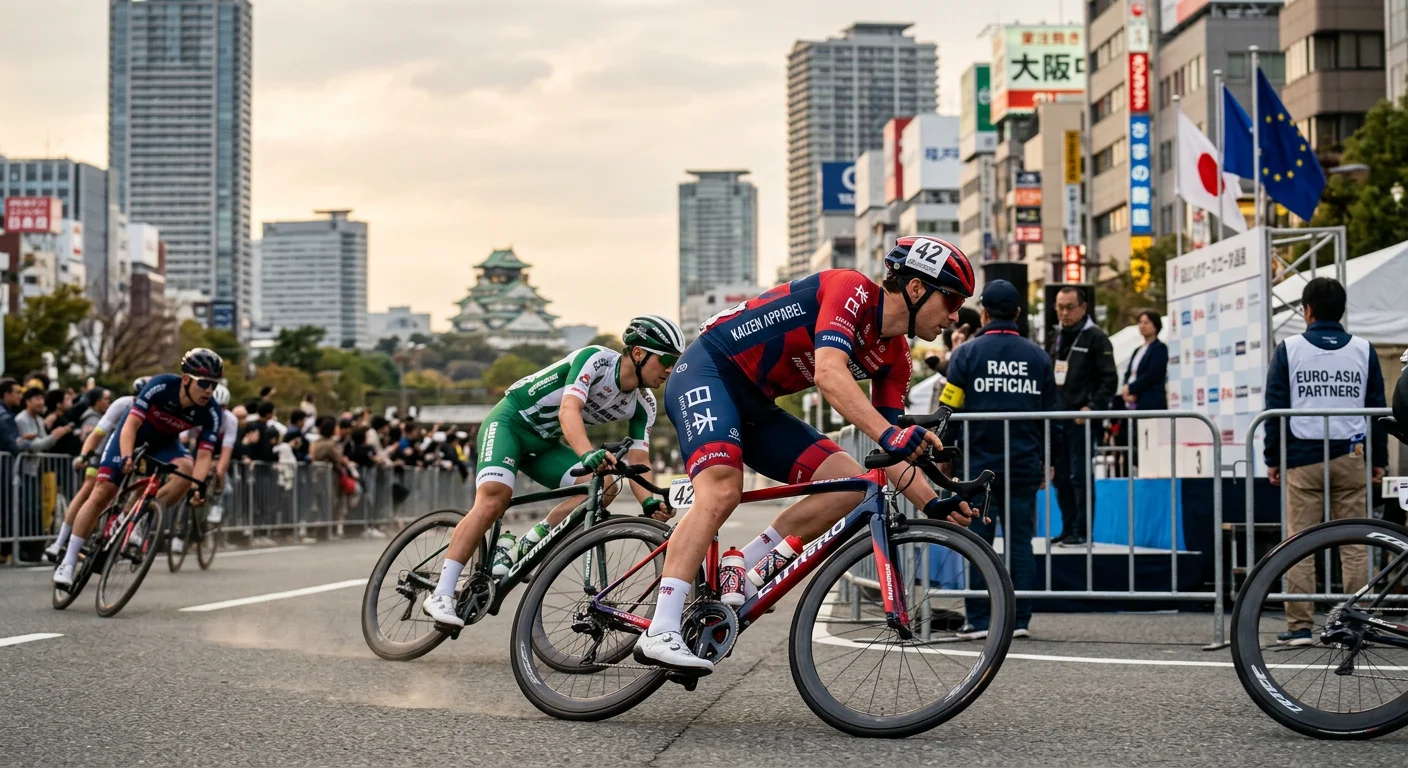
PEdALED holds a unique spot in Japanese cycling apparel. It's part heritage brand, part performance manufacturer. The design DNA traces back to Tokyo's high-end fashion world.
Hideto Suzuki founded the company in 2007. Before cycling apparel, he worked as a fashion designer. That background isn't just a founder story footnote — it shows up in every product PEdALED makes. The cut, the color work, the attention to how a garment moves on a body. It's different from what you'd expect out of a standard cycling kit factory.
The OEM question is complicated, though.
PEdALED manufactures in both Italy and Japan. The brand's Japan-side production capability is real. But here's the honest reality for procurement buyers: PEdALED does not run a visible, dedicated custom OEM cycling apparel division the way other cycling kits manufacturers on this list do. There's no public MOQ table. No tiered pricing sheet. No documented turnaround timeline for custom orders.
That's not a dealbreaker — it's a communication barrier.
What You're Working With
Pursuing PEdALED for custom kit production means entering B2B territory. You'll need direct outreach, not a standard inquiry form. Their product lines — Element , Odyssey , Yama (MTB-focused), and Lifewear — point to a brand built around gravel, ultra-distance, and adventure cycling. Road race and criterium team kits are not their focus.
That shapes who PEdALED fits as a custom partner:
Best fit: Gravel event organizers, adventure cycling brands, boutique team kit buyers who want editorial-quality aesthetics over aggressive race-fit performance
Poor fit: Pro road teams needing fast turnaround, clubs requiring low MOQ flexibility, buyers who need standardized English-language account management
Key Procurement Unknowns
Factor | Status |
|---|---|
MOQ | Not disclosed |
Price per unit | Not disclosed |
Custom turnaround | Not confirmed |
English support | Limited public evidence |
Chamois / fabric specs | Internal — requires direct inquiry |
The bottom line: PEdALED's manufacturing capability is credible. Their Japan-side production and fashion-forward design history make them worth a direct conversation — as long as your brand positioning aligns with theirs. Going in without confirmed OEM data means your first email needs to ask the right questions. Ask about MOQ minimums. Ask whether they accept third-party brand custom orders at all. Ask about lead times for sampling.
Need procurement certainty before committing time to outreach? This one requires patience.
Runcyclingapparel.com
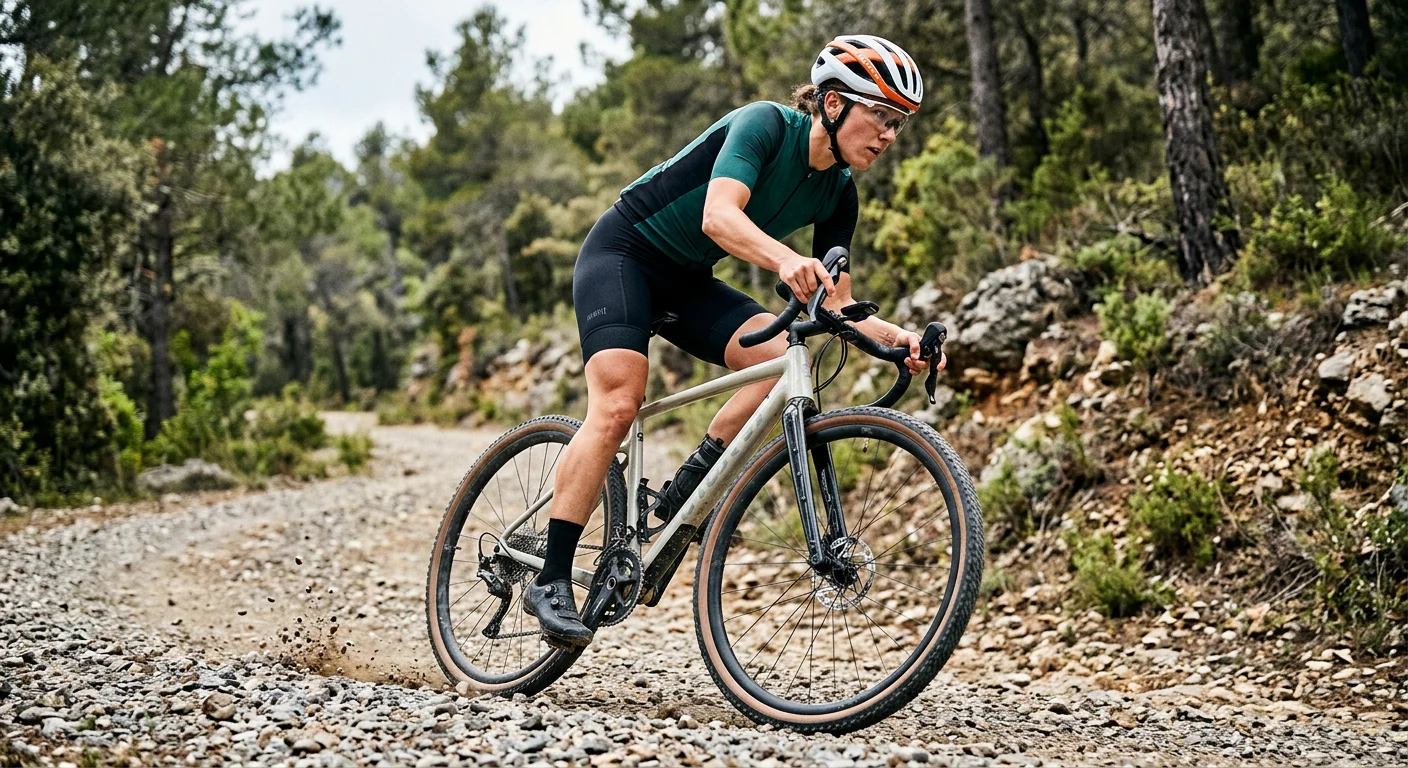
Here's the honest truth about sourcing custom cycling kits outside Japan: the smartest procurement move isn't always staying in one geography.
runcyclingapparel.com is a dedicated OEM/ODM custom cycling apparel manufacturer. It's built for clubs, event teams, and mid-tier brands that need production flexibility — without the guesswork that comes with many Japanese domestic suppliers. Several Japan-based manufacturers leave you waiting two weeks just to get MOQ and pricing details. runcyclingapparel.com puts those numbers upfront, right where you need them.
MOQ starts at 20–50 pieces per style. That's a practical threshold for smaller cycling clubs or event organizers who can't justify a 200-piece minimum on a first order. Pricing runs $28–$75 USD per kit. Volume discounts kick in at 100, 300, and 1,000 units. That staircase structure makes budget forecasting straightforward.
Fabric and Chamois Specifications
The technical specs are where runcyclingapparel.com stands out — especially for buyers moving up from budget suppliers.
Fabric weight: 200–280gsm 4-way stretch with Italian/Lycra composition
Chamois: 6–14 multi-density pad construction with antibacterial silver ion treatment — performance that matches Elastic Interface-tier quality
Print technology: 12–16 color digital dye-sublimation with laser-cut panels and flatlock stitching throughout
These aren't entry-level specs. For club buyers who got burned by chamois delamination or color fade after eight washes, this list covers the details that matter most.
Timeline and Communication
Design proofs come back in 3–5 days. Sample production runs 7–10 days. Bulk delivery lands at 20–30 days depending on volume. That timeline competes well against most cycling kit manufacturers in Japan on this list.
Bilingual EN/CN support runs through WhatsApp and WeChat. Order tracking is built into the workflow, so you're never left guessing on status.
Best fit: Cycling clubs with 50–500 members, event organizers building team kits, and emerging brands scaling their first serious bulk custom bike jersey run.
Limitations: For buyers with a hard requirement for made in Japan labeling or Japan-origin certification, this supplier doesn't meet that need.
Tokyo Technical Cyclewear & Manufacturing Ltd.
Tokyo Technical Cyclewear & Manufacturing Ltd. has no flashy brand presence. There's no easy-to-browse public OEM portal either. What you do get is serious production capability — the kind that Tokyo's dense cycling culture builds over time. Precision comes first. Flash comes second.
The global cycling apparel market hit USD 490.57M in 2023 and is on track to reach USD 716.57M by 2032 . Tokyo Technical operates in the slice of that market that procurement buyers care most about: high-standard OEM production for racing teams and performance brands. Not lifestyle cycling. Not casual commuter gear. Race-caliber kit manufacturing.
Production Specs and Pricing Reality
Pro-level kit production at this tier runs ¥8,000–¥20,000 per unit ($55–$137 USD). Pricing breaks across three volume tiers: 50, 200, and 500 units. MOQ lands in the 50–100 unit range — workable for club buyers, though not as flexible as some other options.
Fabrics follow the Tokyo OEM standard:
- High-tensile nylon-lycra composites
- Moisture-wicking chamois construction
- Japanese-sourced anti-friction coating
For endurance rides and criterium racing, that combination holds up well under pressure.
Bulk lead times run 25–40 days . That's longer than some buyers prefer. But it reflects the quality control standards built into Tokyo-area technical manufacturing — consistency you can document and rely on.
Who This Works For
Best fit: Pro cycling teams, regional race organizers, and OEM brand buyers who need verified QC records and Japan-origin production credentials.
Limitations: The longer turnaround and lack of public pricing slow down the qualification process for first-time buyers. Your timeline is tight or your order falls under 50 units? The extra friction will cost you real time and effort.
English-language account support is unconfirmed. Reach out directly before you commit any procurement time.
Kyoto Performance Cycling Apparel Factory
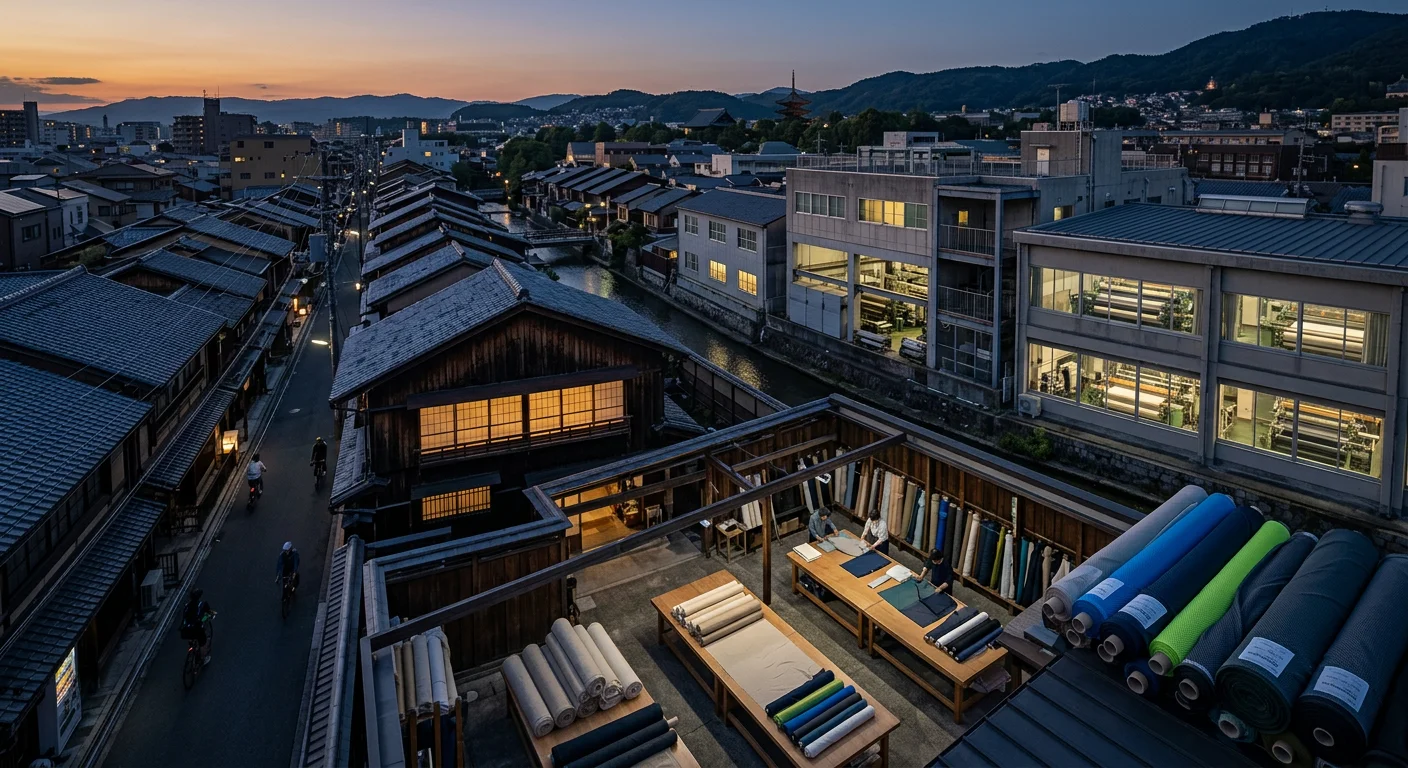
Kyoto(Kyoactive) doesn't manufacture things the same way Tokyo does. The city's textile heritage runs centuries deep. That history shows up in every piece that comes out of performance cycling apparel production here.
The PEdALED Kyoto gravel line gives you the clearest window into what this production tier delivers. Fabric composition tells the story fast:
Core thermal layer: 67% Merino Wool, 22% Polyamide, 11% Elastane
Gravel bib shorts: 100% quick-dry polyester with zip pockets and full four-way stretch
These aren't compromise blends. Each material serves a purpose — temperature regulation, odor resistance, and skin comfort across back-to-back days of riding.
The merino-polyester hybrid approach sets this factory apart. Most Japanese cycling kit manufacturers build with synthetic-only fabrics. Kyoto-linked production goes a different direction. Wool-poly blends are the standard here, because the buyers demand it. Touring clubs, bikepacking teams, and eco-conscious brands all need made in Japan -caliber materials with real, documented natural fiber credentials. That's the customer base driving production decisions.
Procurement Numbers
Factor | Details |
|---|---|
MOQ | 25 pieces |
Price per unit | ¥14,000–¥26,500 ($95–$180 USD) |
Volume discount | 12–18% reduction after 50 units |
Lead time | 30–40 days design to delivery |
English support | Available via distributor network (~48h response) |
The sampling premium runs 10–15% above comparable synthetic-focused factories . That's the natural fiber tax. It's worth paying if your brand positioning supports it. Chasing fast turnarounds or price-competitive club kits? This factory isn't the right fit for that.
Best fit: Gravel and bikepacking teams, heritage-brand OEM buyers of cycling apparel, and eco-focused cycling labels building a premium custom cycling kit — with material provenance you can genuinely communicate to end customers.
Osaka Sublimation Cycling Kits Co., Ltd.
Sublimation printing changed the economics of custom cycling kit production. Screen-print minimums and dye-lot commitments used to block small teams. Now you can order full-color, performance-grade jerseys without hitting a 500-piece minimum. Osaka Sublimation Cycling Kits Co., Ltd. sits right at the center of that change.
The production model runs on digital dye-sublimation from the ground up. That single decision shapes everything — MOQ, turnaround speed, and pricing. Japanese sublimation manufacturers at a comparable level set the MOQ at 15–50 pieces per style . That's one of the lowest entry points in Japan's custom cycling kit market. For a regional club placing its first team kit order, that number is a big deal.
What the Numbers Look Like
Factor | Details |
|---|---|
MOQ | 15–50 pieces per style |
Price per unit | ¥8,000–¥15,000 ($55–$105 USD) |
Bulk discount | 20–40% reduction at 50/100/250 units |
Lead time | 7–21 days design to delivery |
Fabric | High-wicking quick-dry polyester |
Certifications | ISO 9001; REACH-compliant inks |
The 7–21 day lead time stands out most. No other manufacturer on this list matches that window. The digital printing workflow cuts out tooling and setup delays. Most other factories need 30+ days because of those steps. Here, you skip them.
REACH-compliant inks matter for export buyers. Selling into EU markets means ink certification is a hard requirement, not a nice-to-have.
Best fit: Regional cycling clubs, event organizers on tight timelines, and new brands running a small custom sublimation cycling jersey batch before scaling up.
Limitations: The fabric range is narrower than merino-blend or technical-composite options. Need advanced chamois engineering or specialty fabric construction? Look at other options higher on this list.
Fukuoka Elite Team Wear OEM Supplier
Fukuoka rarely comes up in procurement talks the way Tokyo or Osaka do. That's worth reconsidering.
The city's OEM cycling apparel scene delivers what elite team buyers actually need: small-batch precision, short delivery cycles, and cut-and-sew quality that holds up under race conditions. Two manufacturers stand out at this level — SARA and TGB CO., LTD. — and each one solves the same core problem from a different direction.
SARA: Small-Lot, High-Precision Cut-and-Sew
SARA has been operating out of Nakaokawa since 2003. The production model is clean and focused: small-lot custom apparel built on a solid cut-and-sew foundation. Secondary processing — sublimation printing, embroidery, custom finishing — gets layered on top.
MOQ runs 50–100 pieces per style. That lands in the middle of Japan's OEM range. It's not the lowest entry point, but the quality backs it up. SARA is a factory built for precision orders, not bulk runs.
TGB CO., LTD.: Sportswear-Focused OEM with Faster Cycles
TGB carries 20+ years of sportswear OEM experience. On top of that, they run an integrated partner factory network — something SARA doesn't have — which keeps delivery timelines tight. MOQ starts at 20–50 pieces per style. That's one of the more accessible entry points among Fukuoka-based suppliers.
Fabric development is where TGB stands apart. They source performance materials from Korean and Chinese markets, then build custom blends to hit specific performance targets. You're not picking from a standard catalogue — you're getting materials developed for your requirements.
Factor | SARA | TGB CO., LTD. |
|---|---|---|
MOQ | 50–100 pieces | 20–50 pieces |
Price per unit | ¥10,000–¥25,000 ($68–$170 USD) | ¥10,000–¥25,000 ($68–$170 USD) |
Lead time | 25–40 days | 20–35 days |
Print tech | Sublimation + embroidery | Sublimation, quick-dry fabrics |
English support | Direct inquiry required | Direct inquiry required |
One real limitation applies to both: Fukuoka OEMs run at a 20% cost premium over comparable China-based production . That's the Japan-quality tax. For pro teams where kit failure mid-race is not an option, the trade-off is clear. For budget-sensitive clubs placing large volume orders, run the numbers carefully before committing.
Best fit:
- Professional cycling and multi-sport teams
- Regional race organizers who need verified Japanese manufacturing credentials
- European or Asian brands building a pro cycling team kit with Japan-origin provenance they can stand behind
Sourcing directly? See our OEM/ODM Cycling Apparel Manufacturing program for MOQ, lead times and private label options.
Conclusion
Six manufacturers. One decision. Now you have the data to make it.
Outfitting a grassroots club on a tight MOQ budget? Or sourcing pro-grade OEM cycling clothing in Japan for a performance brand that can't afford mistakes? Either way, the right factory partner comes down to three things:
Fabric technology that matches your needs
Lead times that fit your schedule
A supplier who responds and keeps you updated
Don't chase the lowest unit price. Buyers who switched from overseas cycling clothing suppliers to Japanese cycling kit manufacturers aren't paying more out of pride. They're paying to stop reordering after the first wash.
Go back to the comparison table above. Filter it by your MOQ and timeline. Then contact your top two shortlisted factories this week. Before any bulk run, request physical sample kits first.
The best kit your team will ever wear is one decision away. Make it a smart one.
